

The Common Mistake Shortening The Life Of Your Appliances

Kitchen appliances of yore seemed to last decades before needing replacement or repair. Despite there being an ever-expanding variety of products to choose from, these monolithic household workhorses seem much rarer these days. To be clear, the shortening lifespan of appliances isn't as drastic as most people imagine. Per Statista, the average lifespan of appliances hasn't significantly decreased in the last 10-plus years, and a microwave, on average, can still last a respectable 9 years, down just one year from 2011. Still, we seem to be changing and upgrading appliances with greater frequency, not to mention stocking up on appliances that we think we need, but probably don't. This phenomenon is driven by multiple factors, and most of them can be traced back to a single phenomenon — technology.
The trend of constantly introducing new features is the direct result of technology allowing product designers to fit increasingly complex components into smaller packages. Old appliances were largely analogue, consisting of hardware controlled by relatively simple circuitry. Now, a single appliance can have multiple computer circuits to allow for the integration of tech wizardry. Every novel feature in those smart dishwashers and refrigerators requires additional components. Consequently, this increases the chance of a component failure, which is why more feature-loaded appliances tend to break down sooner. Plus, the more specialized the components in an appliance are, the harder (and costlier) they may be to repair. Thus, the simple mistake shortening the life of your appliance actually occurs when you choose one that has all the bells and whistles, especially if it's a model that's new to the market and is, therefore, relatively untested in real-world conditions.
Choosing between a longer lifespan and more features when buying appliances
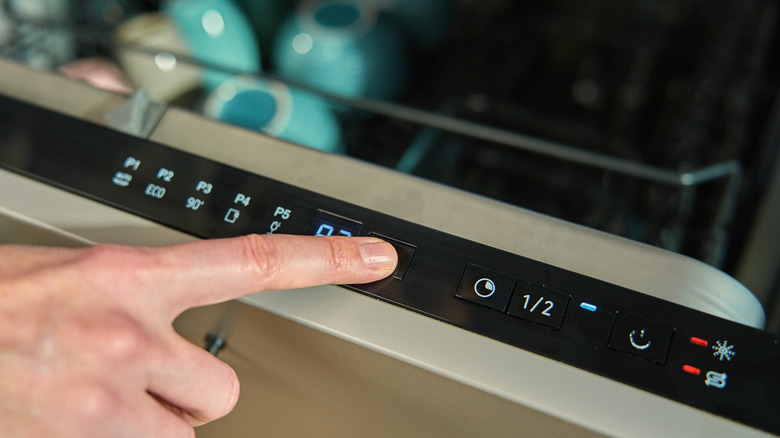
The specific appliance model you choose is, ultimately, one of the most significant factors that determine how long it will last before needing repairs or replacement. If longevity is the foremost criterion, the most straightforward strategy is to buy appliances that aren't packed with new features. By choosing an appliance of less complexity, you reduce the chances of breakdown, and even when that happens, repairs are generally easier and more affordable. However, be careful not to get one that is too specialized — professional chefs warn against niche appliances that only fulfill very specific tasks, like making ice cream or dehydrating vegetables.
Buying products with fewer features doesn't necessarily mean picking the cheaper option. In fact, several high-end appliance brands avoid stuffing their products with cutting-edge features and only include tried and tested ones that are proven to function as designed for extended periods. For example, high-end fridges from Sub-Zero, considered some of the longest-lasting in the business, still only come with basic features like dimmable interior lights despite costing well over $10,000. On the other hand, an overpriced kitchen appliance brand will sell products that actually cost much less than a premium appliance and are packed with more features, but lack longevity due to a higher risk of one or more functions breaking down — sometimes in a matter of months.
Of course, if paying more for fewer features isn't viable, consider picking up basic models from regular brands. Older models get updates that iron out issues to help improve longevity, and repair technicians also have more experience fixing them. Making a purchase with this in mind can help you get many years out of an appliance without having to spend too much upfront, or on maintenance for temperamental, high-tech features.