

Don't Fall Into This Trap When Ordering Wine At A Restaurant
For those who feel totally lost when ordering wine at a restaurant, it can be easy to fall into a few common traps. Restaurants are notorious for giving wine a significant markup — as much as 200% to 300% of the retail price. A heads up for the wine newbies: When you're scanning the wine menu and are trying to impress the table with your selection, the most expensive wine doesn't always mean it's worth the price.
In a Business Insider article, sommelier Brianne Cohen advised diners against defaulting to the most famous wine regions, noting that Bordeaux and Napa Valley often carry premium pricing. Those of us who aren't tapped into the wine world have still probably heard of these famous wine regions. It's a safe bet, as you know you're probably going to be getting a good wine, and likely one that the whole table will enjoy.
Restaurants play into this knowledge, and therefore mark up bottles and glasses from the best-known wine regions. They know that most people won't mind spending a few extra bucks to ensure they pick the right bottle. Ordering a Bordeaux is not a mistake, but it often means paying more than the wine's quality alone might justify. Restaurants can risk marking up the price because they know customers will still buy it.
Choose wines outside popular regions to save money
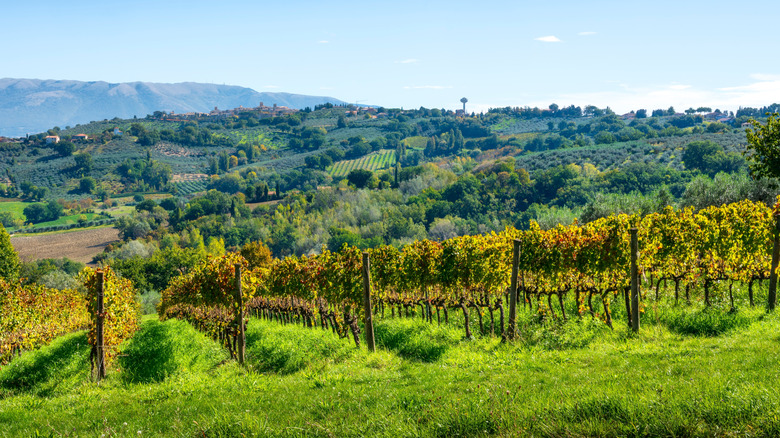
If you're willing to venture outside of the typical wine comfort zone, Cohen suggests looking to regions near famous benchmarks, which can offer similar styles at lower prices. For example, if you like Bordeaux, she recommends a nearby region called Cahors, which produces Malbec-based wines. If a Tuscany wine made with Sangiovese grapes is your go-to, consider bottles from Umbria made from Sagrantino grapes. Instead of the famous Mendoza, Argentina wines, look for Pedernal Valley Malbecs and Syrahs.
You don't have to be a certified sommelier to be able to lean into this tip, but it could be one of the first steps towards becoming a true wine snob. If you plan on drinking wine at dinner, look at the wine list beforehand. You can quickly identify the major wine regions, then look for lesser-known areas you may not have heard of. Look them up and see where they sit geographically, and which ones sit adjacent to more famous ones. You can also ask your server about unfamiliar wines, as many are trained to recommend lesser-known options.
While you might associate a lower price tag with a lower quality wine, restaurants may actually be simply marking these bottles up less because they are from lesser-known regions. They don't want to risk inventory just sitting around and not selling, so a lower price on a bottle from a region you haven't heard of might actually be a green flag for you to explore. Continuing to explore expert wine advice can help build confidence when ordering.