

Do Screw Tops Equal Cheap Wine?
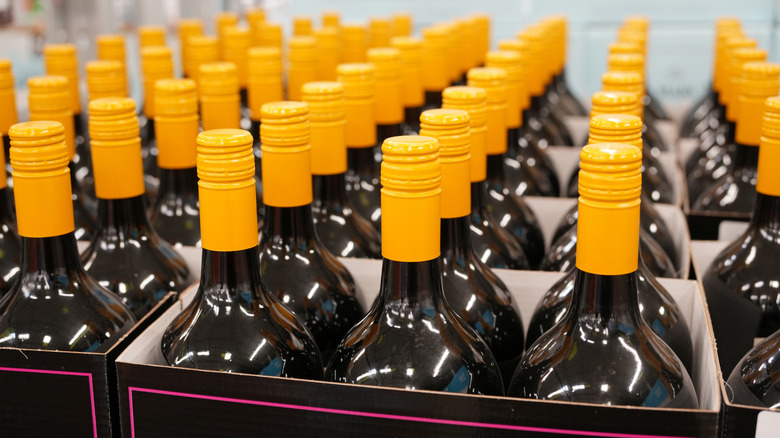
Picking a good vino isn't always easy, even with handy resources like guides that explain red wine and sommelier advice on choosing from a menu. Despite how much helpful information there is, certain misconceptions get in the way. One of the biggest myths about wine is that the products with screw tops are always cheap. According to the stereotype, they are lower-quality with a budget-friendly focus, like the kind that come in 3-liter jugs at under $15.This is understandable, as corks have been the traditional closure for centuries and assist in allowing the wine to age better over time. Though there are some distinctions between screw top wines and their corked siblings, makers of quality products have been transitioning to using twist-off caps for good reason.
Along with being on the affordable end and easier to open, one of the biggest advantages with screw caps comes in avoiding cork taint. For those unaware, this is essentially a fungi-based chemical reaction that's common in natural corks. While technically harmless, cork taint can mute the wine's flavor and give the bottle an unpleasant aroma similar to a wet dog, moldy basement, or crushed aspirin.
Additionally, though corks may bring out more characteristics when aging wine, screw tops have the added benefit of creating greater consistency in the flavor profile. Another consideration is that the bottling process always leaves some oxygen in the container, meaning the vino can still be aged.
Screw-top wines have been around for ages and are on the rise
It may seem like a recent revolution, but screw top wines have been around for ages. They were first patented by a Swiss winemaker in the 1960s. Though accepted within the industry in the 70's, this innovation found resistance when introduced in the Australian market. Thankfully, the views softened over time. Screw top options became more commercially accepted with Australia leading the charge by 2003 in the genre's premium wines.
The Land Down Under isn't alone in its stance. U.S. luxury vineyard PlumpJack actually sold its 1997 screw-top Reserve Cabernet for $135 in 2001. This translated to a $10 upcharge compared to the corked option, which was deemed more likely to have flaws. Esteemed winemaker Silvio Jermann also became interested in screw caps, using them as the sealant for his Vintage Tunina. This premium white blend remains highly rated, and folks can try it for a cool $85.
Nowadays screw cap wines make up 30% of the American market, 70% of Australian wines, and 90% of those in New Zealand. Many will cost between $12 and $40. Even within this range, you can find excellently rated options like R. Stuart & Co.'s Big Fire Pinot Noir, which goes for about $30, depending on the vendor. That said, the truth about wine is that it's a journey unique to the individual adventurer. A bottle shouldn't be judged by how it's sealed, but rather what's inside. So, just pop the cork or unscrew the top, and enjoy the wine.