

What's The Difference Between Dry And Regular Beer?
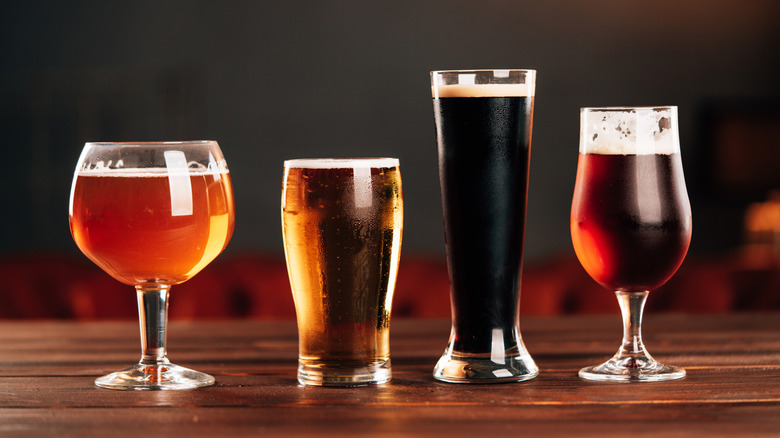
There are five main categories of beer, but over 100 estimated varieties that exist. To complicate that even further, there are other words that might pop up on a label, like "light" and "dark," but even the most amateur beer drinkers can comprehend what that means. Yet when a label states something like "dry" or even "extra dry," the significance is not as straightforward. You don't need to be a cicerone to decipher this, and learning what a dry beer is will help you order beer at the bar like a pro.
Think about the last beers you drank: Were they crisp and clean, or did they have a more noticeable malty sweetness that lingers? Without even looking at a label, that typical flavor contrast is how you can understand what separates a dry beer from all of the other types of beer that exist. One is not necessarily better than the other; the preference often depends on mood, meal pairing, or personal taste.
If you were wondering, no, the opposite of a dry beer is not a wet one. Dry, also sometimes called brut, has nothing to do with liquid, but rather the amount of residual sugar present. It's the same concept as wine and champagne — some are called dry for containing minimal residual sugars, and others are labeled as sweet. Beer, however, is typically not labeled sweet as wine is. Sometimes it will be referred to as a dessert beer if it's truly sweet, but other times it might state in regards to the tasting notes that it has a malt-forward flavor.
When is a beer labeled as dry?
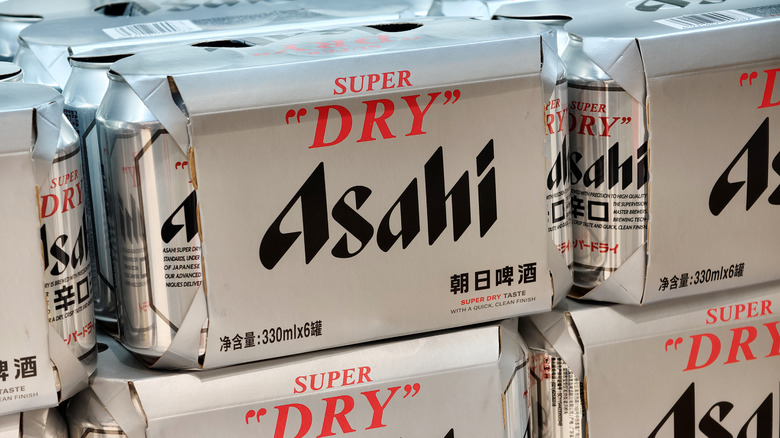
Dry beer is defined by what it lacks, which is residual sugar. During the beer brewing process, yeast is added, which consumes sugars from the grains and converts them into alcohol. So to achieve a dry beer, fermentation is continued for longer, allowing the yeast to eat more sugar, and therefore resulting in a less sweet beer. The "dry" label it is not regulated by any brewing laws or regulatory bodies, but expect to find close to 0 grams of residual sugar in these bottles.
You may notice more bitterness (which comes from the hops), or roasted flavors (from the grains) in dry beers, as these tend to shine through more without the sugar that can mute their pungency. These beers are typically what you would consider crisp and refreshing, and have a "clean finish" — what brewers often refer to as dryness. Flavor, however, is not always an indicator if the beer is dry. As Allagash Brewing Company explains, some beers like its Tripel can taste sweet with flavor notes of honey and passion fruit, but actually contain very low residual sugars.
A dry beer is not limited to one style, or light or dark beers — there are dry lagers, stouts, and ales. You've almost certainly had a dry beer before without realizing it; Guinness brews a dry stout, and Japanese beers like Asahi and Sapporo are dry lagers. In fact, these famous Asian lagers are where the title originates. In 1987, Japanese brewer Asahi launched its "super dry" beer, a lager with the clean and crisp characteristics.
How much sugar does a regular beer have?
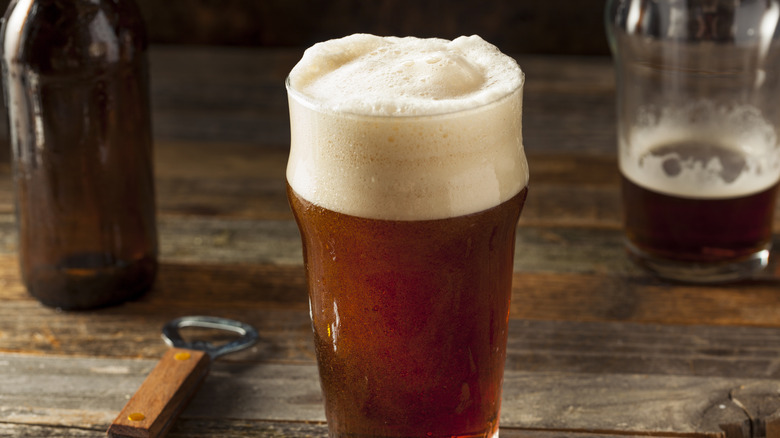
"Regular beer" isn't an official category, but those that are not considered dry beers retain more residual sugar after fermentation. However, most beers, unless intentionally made sweeter, do not contain a lot of sugar anyway, so the difference in sugars is smaller than you might expect.
For comparison, while a dry beer might have almost no residual sugars, a regular IPA typically has 1 gram. Most other styles of beer are around 1 gram of residual per pint, but lighter beers and lower alcohol beers may have slightly more since the yeast hasn't converted as much of the sugars. Be aware that higher alcohol beers tend to have more residual sugars, and these include those 8% Belgian beers and Triple IPAs.
Compared to dry beers, a standard beer tends to have a fuller body and a more noticeable sweetness, often coming from malted grains that weren't fully broken down during the brewing process. Rather than clean and crisp, you'll notice a slightly heavier mouthfeel and flavors that linger on the palate for longer. And if you are intentionally hunting for a sweeter beer, look for amber ales, brown ales, milk stouts (which contain lactose for added sweetness), wheat beers with fruity notes, and Belgian ales.