

4 Reasons Boxed Wine Is Better Than Bottled
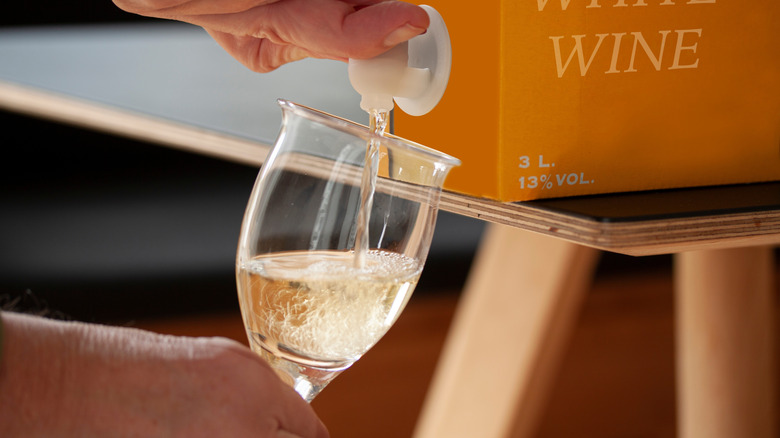
Boxed wine, also called bag-in-box wine, was first patented in 1965 by Australian winemaker Thomas Angove. After becoming popular in its home country where more than half the wine consumed comes out of a box, boxed wine has been taking over wine markets across the globe. Sweden has also fully embraced bag-in-box wine with more than half the wine sold there is packaged this way.
Yet despite being in the market for more than half a century, boxed wine still has negative stigma to overcome. It is fair to say the quality and flavor of boxed wine can be hit or miss, but this is can also be the case with any wine, regardless of its packaging. The truth about boxed wine is that it has many surprising advantages over its bottled brethren. The boxed wine of today is not the boxed wine of 50 years ago, and it deserves a fair shake.
It has more sustainable packaging
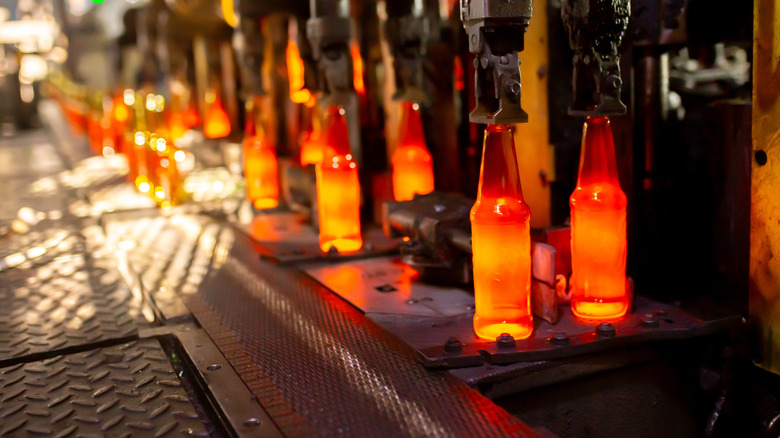
Because glass is such a highly recyclable material, it probably comes as a surprise that wine from a plastic bag is more environmentally friendly. But even though the plastic bag and spigot may not be accepted by your local recycling facility, they ultimately require less energy to manufacture. Glass production has a hefty carbon footprint from raw material extraction, the extreme temperatures required to melt it, and the fuel needed to transport it to its destination. As Camille Goldstein, co-founder of Muddling Memories, told delish, "Boxed wine has a much smaller carbon footprint than glass bottles since it's lighter to ship and uses far less packaging."
Owner of Amusée wine consulting firm and certified sommelier Leslee D. Miller told HuffPost, "Most box wines are 3-liter boxes, holding four normal bottles. This saves the environment and the wineries money on glass, labels, Stelvin [screw cap] or cork closures and more." Many wineries also use recycled cardboard for its packaging, which can then be re-recycled when the wine is gone.
It'll last longer after opening

If you plan on letting your wine sit around for years before you drink it, then bag-in-box wine is not the best choice. When stored properly in a cool environment away from direct sunlight, unopened boxed wine can last up to a few years after purchase. However, if you aren't interested in aging wine at home, and you just want to enjoy a nice glass now and again, boxed wine is probably your better option.
Because the plastic bag collapses as it is emptied, it is able to stave off oxidation longer than a glass bottle. This means your opened bag of wine can last up to six weeks in your refrigerator before beginning to sour. On the other hand, after pouring from a bottle of wine, air fills the space left behind, flattening the wine's taste and shrinking its drinkability window to mere days after opening. The longer life of boxed wine means less wasted wine.
There's no chance of cork taint
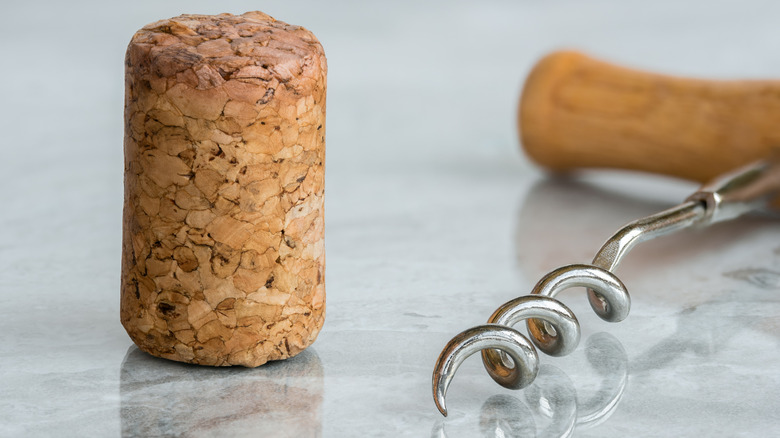
According to Food Innovation and Advances, cork taint, also called being corked, affects up to 2% to 5% of wine worldwide, causing more than a billion-dollar loss annually. Cork taint most commonly originates from the compound 2,4,6-trichloroanisole (TCA), which is formed in tree bark when mold or fungi come into contact with certain fungicides and insecticides. If this bark is then used to make corks, the TCA can ruin the aroma and flavor of the wine that comes into contact with it. To be clear, TCA is safe to consume. But the experience of drinking what might otherwise have been a very fine wine is utterly ruined.
Although it is technically possible for any wine to become tainted by TCA through exposure to contaminated wooden barrels or other winery equipment, the chances are significantly higher when the wine is bottled with a cork. Because bag-in-box wines use plastic spigots rather than corks, drinking boxed wine is the best way to avoid cork taint.
It's more cost effective
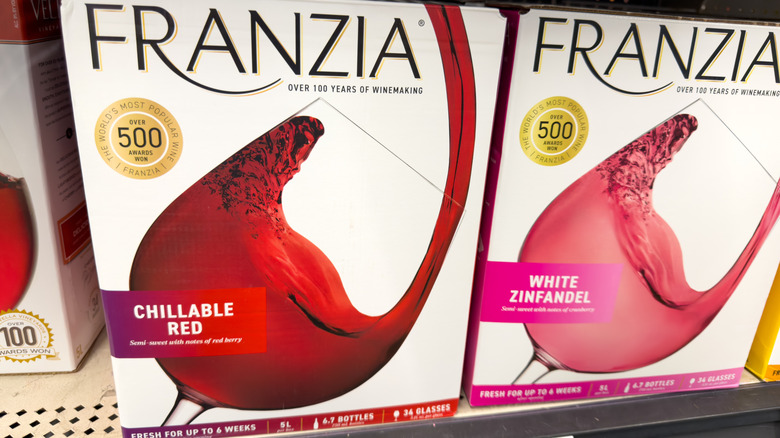
There are many reasons boxed wine is a better bang for your buck than glass bottles, starting with production. The raw materials used to make glass cost more than cardboard and plastic. Glass is also heavy, requiring more energy to transport, which translates into more expensive shipping. These extra costs are passed on to consumers.
A box of wine also holds a lot more wine than your average glass bottle. A typical three-liter bag of wine contains the equivalent of four 750-milliliter bottles. One 750-milliliter bottle of Barefoot Cellars chardonnay costs about $5. Meanwhile, a box of Barefoot On Tap chardonnay is not even $20. You're probably wondering how many glasses that translates to. If we're talking standard five-ounce pours, that comes to 20 glasses of wine per three-liter box. A five-liter box contains 34 glasses of wine. With bag-in-box wine lasting weeks longer than a bottle after opening, plus being priced less, and the cost-effectiveness speaks for itself.