

4 Traditional Rules Americans Often Break When Dining In Mexico
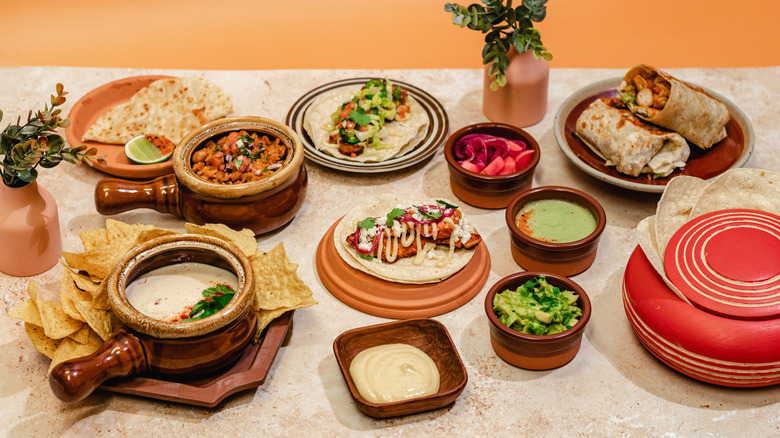
It can be difficult to master everything there is to know about dining etiquette in your own culture, let alone in a foreign country. Nevertheless, it's always worthwhile to become acquainted with the basics when traveling abroad. The United States and Mexico are close neighbors with tens of millions of people passing through the border every year, but each nation has its own dining traditions. In Mexico, knowing when it's alright to dig in or how to ask for the check are important pieces of information that will not only save you the potential embarrassment of accidentally offending your hosts and fellow diners, but also help you feel more confident in understanding what's going on around you at meal time.
Some Mexican cuisine is so widely available in the U.S. that it may feel like a part of American culture. The U.S. and Mexico may share food, but because they don't share the exact same dining etiquette, Americans may break a few rules when eating in Mexico. Before you chow down on that dish of tender, spicy birria or any of the other Mexican foods everyone needs to try, these are the national customs you should keep in mind as you take a seat at the table.
Understand the power of 'buen provecho'
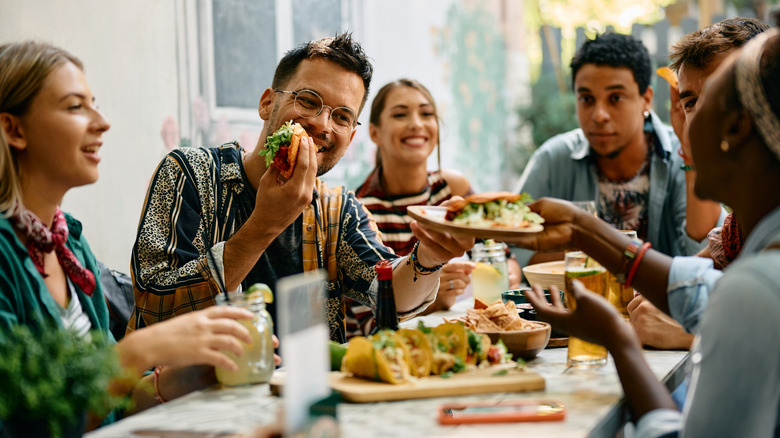
Many cultures around the world say specific words before tucking into a meal. In Japan, it's "itadakimasu." France has "bon appétit." In Mexico, people wish each other "buen provecho," or sometimes "provecho" for short. This best translates to "enjoy your meal" in English. The literal meaning is "good benefit" or "good profit," and it's a wish for the meal to be a benefit to the diners. At a restaurant, a server will wish patrons buen provecho when delivering food to the table. Not all Americans who visit Mexico speak Spanish, but acting confused or dismissive when this phrase is uttered could come off as disrespectful. Luckily, there's an easy fix.
As one Reddit user explained, "when people walk into a restaurant and see people eating, they may often say, 'provecho' or 'buen provecho' ('enjoy!') and you can smile, nod, or say, 'gracias!'" Don't be surprised if other diners in the restaurant also tell you buen provecho. The phrase is heard in both restaurants and private homes, and like bon appétit, it can serve as an invitation to eat by one's host. If you are having a meal in someone's home, you shouldn't start eating until the host bestows a "buen provecho" upon the table.
Expect it to be noisy, but don't be too loud
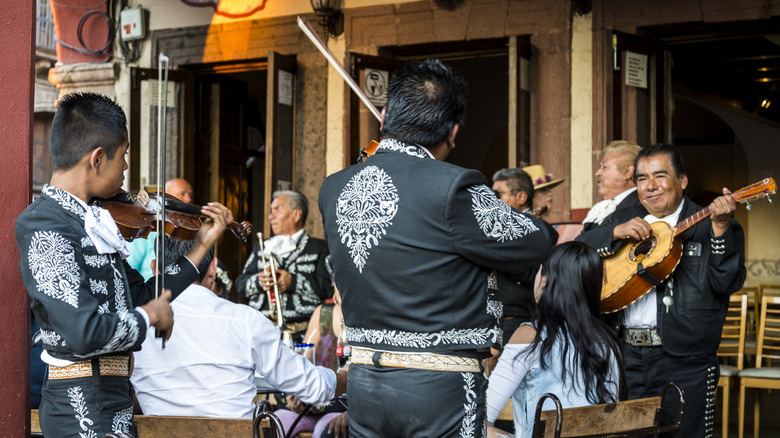
Mexico is a vibrant country with streets that hum with a cacophony of sounds. As you sit down to dine, you might hear dogs barking, fireworks popping, food vendors amplified by loud speakers, church bells ringing, dinnerware clattering, staff calling out orders to one another, and music playing. There might even be a mariachi band in the restaurant with you, contributing to the ambience. Your fellow diners may also be engaged in exuberant conversation, making it difficult to hear people at the table with you. It might be tempting to resort to yelling to make yourself heard, but don't do it.
Americans are infamous the world over for being loud talkers. "My tip for every American traveling almost everywhere: be aware of your volume," cautioned one Redditor on r/MexicoCity. They went on to say, "Mexico is loud ... But Mexicans aren't particularly loud when speaking; they don't have big, booming voices like many Americans have." Instead of raising your voice during a meal, maybe try leaning in close to converse instead.
You must ask for the check
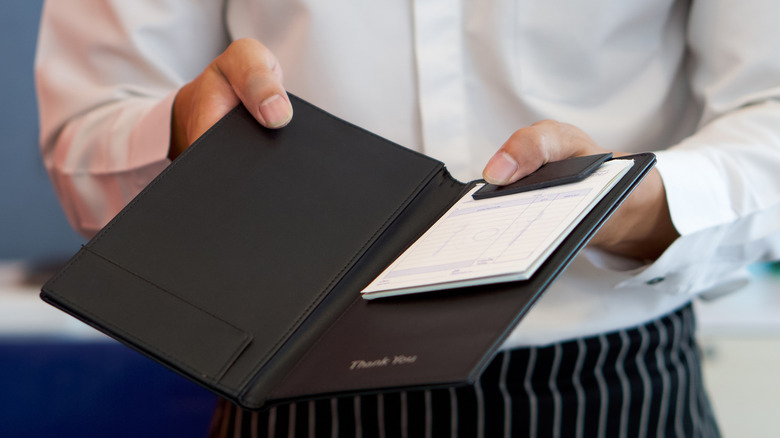
When eating at a sit-down restaurant in the U.S., it is not uncommon for waitstaff to quietly slip in and drop off your check while you are finishing up your meal. Diners often don't think much of it, and can pay whenever they are ready. In Mexico, this service behavior is considered rude.
Lingering at the table after the meal, sipping on a traditional, spiced Mexican coffee like Café de Olla, chatting with your companions, or simply allowing your food to digest, is such a widespread practice in Mexico that there is a word for it, "sobremesa." Mexicans just aren't in the same hurry that Americans always seem to be, and meals are meant to be savored. When you are ready to pay the bill and move on, you can summon the server by catching their eye and making a signing gesture with your hand. Or, if they are close enough to hear you, just ask for "la cuenta, por favor."
Leave a tip
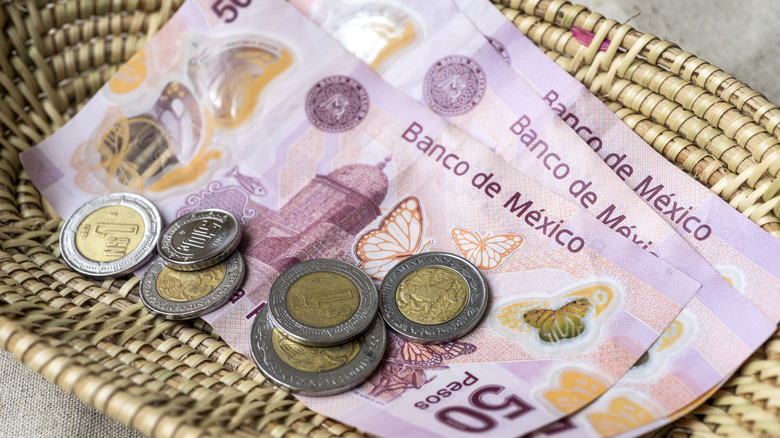
The U.S. is a tipping country. When dining out in the States, it is customary to leave an extra 18 to 20% for the server on top of what is owed to the restaurant. Many countries in the world do not leave tips for waitstaff as part of their culture, which can be confusing for Americans traveling abroad. Mexico is also a tipping country, so it behooves visiting Americans to familiarize themselves with the general rules of Mexico's tipping culture.
At restaurants and bars, staff should be tipped (in cash) between 10 and 15% of the bill. These tips should always be in pesos, never in a foreign currency. Exchanging foreign currency is burdensome, often requiring a passport, which not everyone has. Even when paying your bill with a credit card, cash is preferred for the tip because you can be sure it will go directly to the staff. Tips left through credit or debit card transactions are processed alongside the restaurant's sales, and unscrupulous owners may not distribute the money fairly or pass it on at all.