

15 Cooking Rules Chefs Say You Should Stop Following
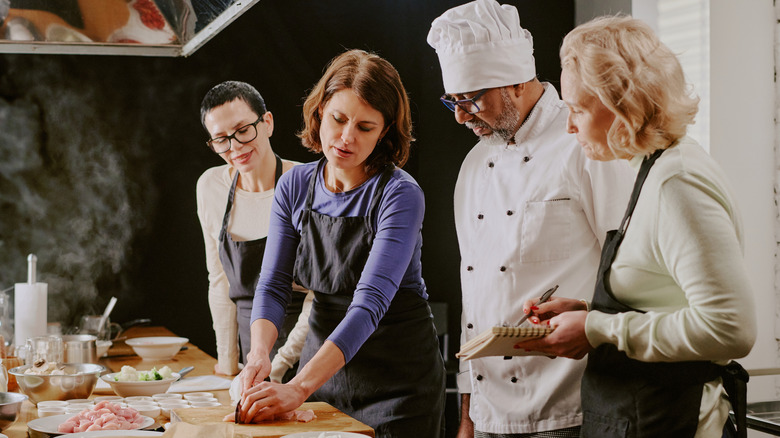
Sometimes, the greatest cooking lessons come from family recipes. Most dishes home cooks prepare are participating in years of human history. Food is sacred when you consider what every culture offers to the world.
That is why some people hold on to bad habits that have been debunked. Convenience, tradition, or simply not keeping up with culinary news can potentially sabotage your meals and even the wellness of those you're feeding.
If you've ever wondered if you're unknowingly making mistakes in the kitchen, you'll want to read on to learn how to correct your ways. We found out 15 cooking rules that are not worth following, thanks to our three experts: Gabriel Kreuther, chef and owner of Gabriel Kreuther Restaurant and Saverne; chef Glenn Rolnick, director of culinary operations for Alicart Restaurant Group, which includes Carmine's Italian Restaurant in New York City; and Dylan Mendelsohn, chef and culinary director at Dig Inn.
1. Adding oil to your pasta water
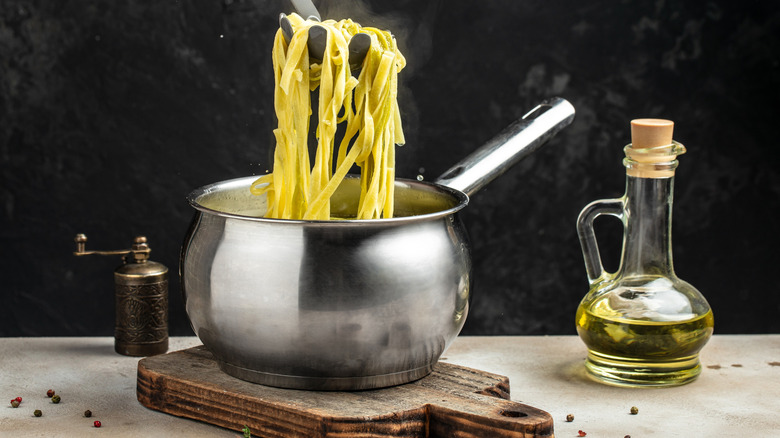
There's one thing you'll never see professional chefs add to pasta water: oil. Why is this faux pas so insidious? Chef Gabriel Kreuther explained that people believe oil prevents pasta from sticking together. He elaborated, "All it does is coat the drained pasta in a slippery layer of oil, preventing your beautiful sauce from clinging to the noodle!" Thankfully, he followed up with straightforward instructions for cooking perfect pasta every time. "Instead, keep the water at a rolling boil, stir occasionally in the first two minutes, and save a splash of that starchy pasta cooking water to finish your sauce," he said.
Chef Dylan Mendelsohn reassured us that one well-known rule still stands, though. "Don't be afraid to use salt," he urged. "The water should taste like the ocean." Just be sure to leave the olive oil in the cupboard for the best results.
2. Using pasta water to thicken sauces
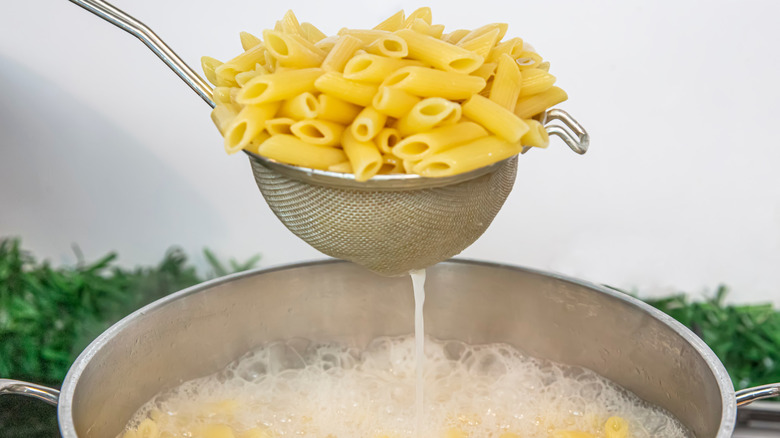
Chef Glenn Rolnick voiced something shocking. He believes that pasta water isn't the holy grail of pasta sauces. His reasoning? "Don't dilute the sauce flavor by adding pasta water," he warned. "The only time I would add the pasta water is if the sauce you just made or bought is too thick and no other liquid is available. I prefer fresh-made stocks." Once you get over the initial shock, this advice makes perfect sense. Every ingredient you add to a dish should serve a purpose. Stock will build much more flavor in a sauce that's already close to the perfect texture.
Chef Gabriel Kreuther says that a pat of cold butter can be your friend, too. He explained that "mounting cold butter all at once at the very end, off the heat, creates a velvety finish without stress." This works for pasta sauces and creamy dishes like risotto.
3. Washing your rice before cooking it
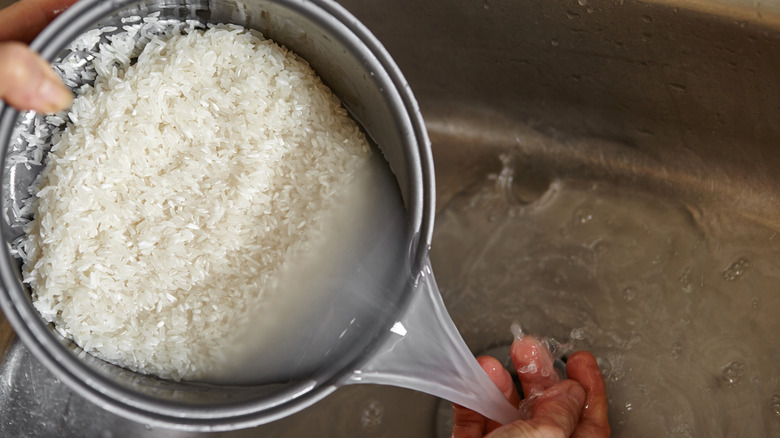
Manufacturing rice is messy work, so rinsing it before cooking is usually ideal to remove unappetizing dirt. However, that cloudy white water you pour down the sink is precious starch. Chef Glenn Rolnick said that "I don't feel the need to rinse rice before cooking, as you are removing some of the texture and flavor before even starting the cooking process."
Chef Gabriel Kreuther believes in washing long-grain rice, including jasmine and basmati. He elaborated, "But if you are making a creamy risotto or a rich rice pudding, washing away that surface starch robs the dish of its natural body and creaminess. Match the technique to the intended texture."
Learning about each type of rice and its uses can help you decide whether rinsing is beneficial. If you're forgoing the rinse, pay close attention to your rice. Use your hand to move the grains around and inspect for rocks and other debris that sometimes makes it into rice bags.
4. Marinating your seafood in citrus, and not worrying about combining different types of seafood
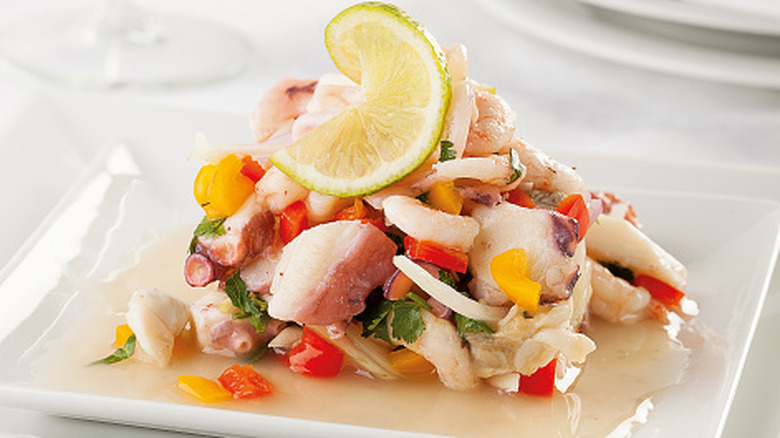
Seafood and citrus are a match made in heaven. Where would we be without classics like Mexican shrimp ceviche or salmon with lemon dill sauce? Bold, salty seafood benefits from the bright punch of lemon juice, but professional chefs caution home cooks against marinating for too long. "Leaving fish in citrus-based marinades for hours does not make it tender — the acid cooks and denatures the proteins, turning the fish mushy or chalky," chef Gabriel Kreuther explained. "Treat citrus as a finishing touch or keep acidic marinades to under 15 to 20 minutes."
Chef Glenn Rolnick also wants home cooks to be mindful when combining different types of seafood in a recipe because each has its own ideal cook time. "Know your items' cooking times before attempting a combined seafood dish," he said. Mussels and shrimp cook quickly, while whole lobster and clams in the shell take longer.
5. Only using non-stick pans for fish, and flipping it often to prevent burning
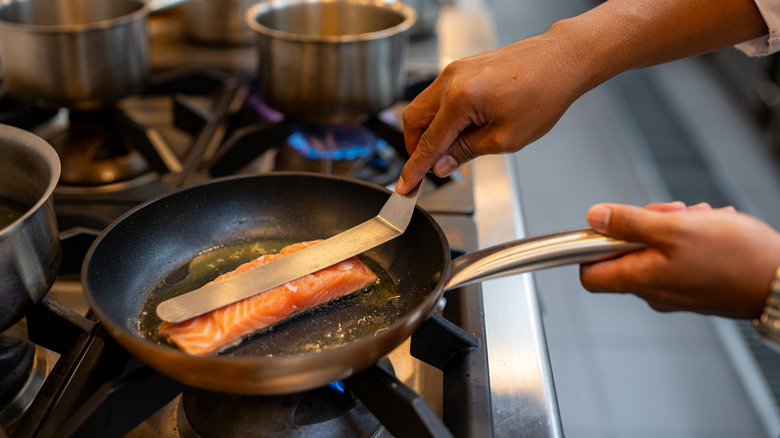
A dry piece of fish can ruin your whole night. It's understandable that home cooks worry about overcooking fish. However, flipping a fillet too soon is one of the top mistakes everyone makes when cooking fish. Chef Gabriel Kreuther noted, "Fish skin will stick to the pan until a proper crust forms, and the protein naturally releases itself. Resist the urge to poke, move, or flip the fillet early. Patience is essential for crispy skin!"
Some people also think stainless steel will ruin a delicate fish fillet. If you've ever lost half a fillet to a pesky stainless steel pan, your temperature likely wasn't hot enough. Chef Dylan Mendelsohn shared the secret to phenomenal fish. "Heat the pan with oil to the smoking point to season it, discard the oil, and wipe the pan clean," he began. "Add fresh oil, then add the fish. Press the fish down to maintain full contact until the bubbling stops, then finish it in a 350 degrees Fahrenheit oven to your desired doneness."
6. Adding salt and pepper to your meat right before cooking and covering the whole surface
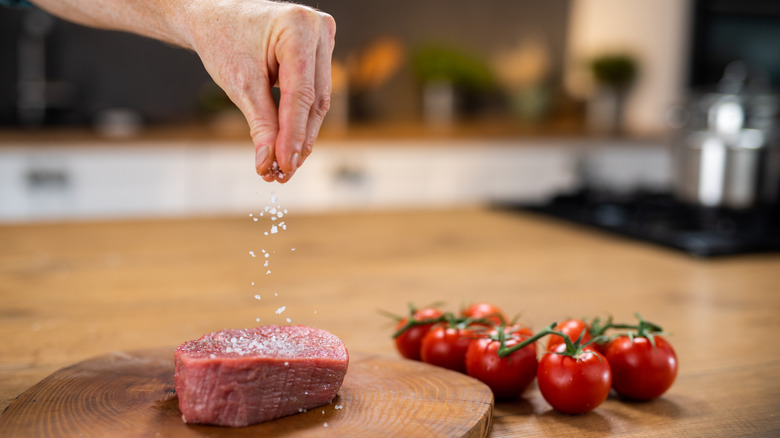
Salt and pepper are the foundation of any good recipe, and they're critical for enhancing the meat's natural flavors. If you watch cooking shows, you've likely seen celebrity chefs throw salt and pepper around willy-nilly.
Chef Glenn Rolnick advocated for adjusting salt, pepper, and other seasonings based on thickness rather than always covering the surface. "A thin piece needs lighter seasoning than a thick, dense protein to absorb the flavors," he said. "Also, if you are cooking a large, thick, or dense protein, you should do it six to 12 hours ahead so it can absorb into the item." Chef Dylan Mendelsohn also uses this technique at Dig. "I often salt proteins overnight to build flavor," he shared.
Chef Gabriel Kreuther wants home cooks to get into the habit of tasting every dish they prepare in stages. While you need to wait until meat reaches a safe temperature before sampling, other dishes can benefit from dashes of seasoning along the way. "Adding salt in stages throughout the cooking process allows it to penetrate ingredients, seasoning them from within, and bringing out their true character," he said.
7. Rinsing chicken in the sink
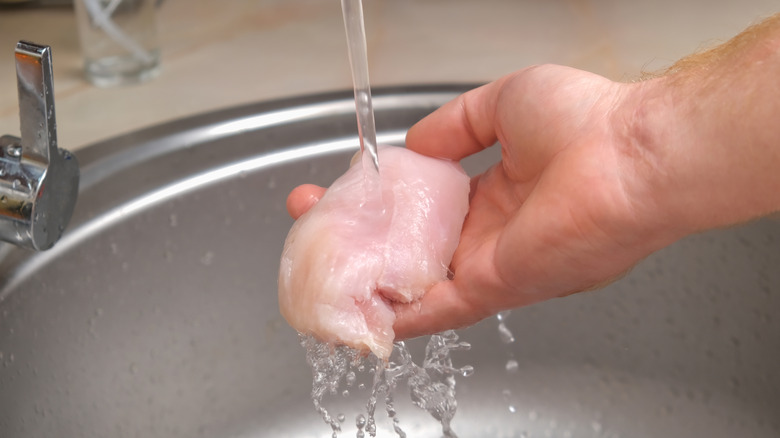
Chefs Glenn Rolnick and Gabriel Kreuther were adamant that home cooks quit this bad habit cold turkey, or shall we say, cold chicken. They warn that this step could lead to foodborne illness.
Chef Rolnick explained that the juice dripping everywhere is the main issue. He said, "You're more likely to get someone sick from those juices that sit on your counter, cutting board, or sink." Chef Kreuther concurred, "Washing raw poultry in your kitchen sink does not sanitize the chicken — it simply sprays bacteria via water droplets all over your counters, faucets, and prep areas."
Chef Rolnick believes the key is to get your chicken cooking while touching as few surfaces as possible. Chef Kreuther says it's okay to pat your poultry with a paper towel to reduce the risk of juice dripping everywhere. Just be careful when throwing away the soaked paper towels so you don't make a mess. He reassured home cooks that "heat during cooking is what kills bacteria."
8. Thawing meat on the counter
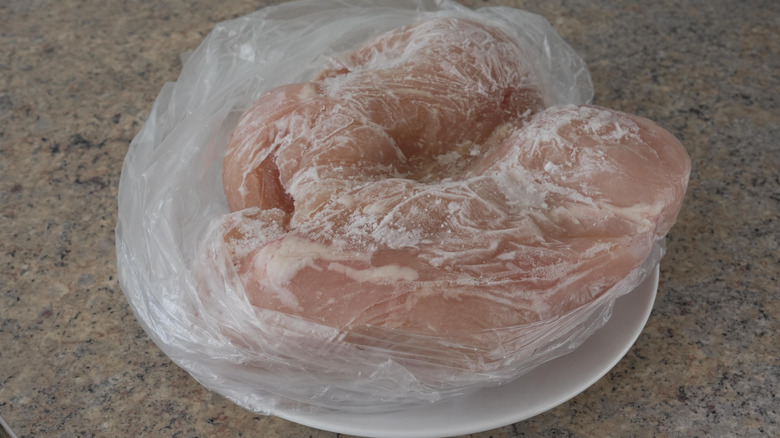
We've all been there: you forgot to take the meat out of the freezer, you're starving, and you don't want to spend a fortune on delivery. Leaving meat on the counter for a couple of hours can work, but there are much safer ways to defrost it.
"For fast thawing, place frozen proteins in a sealed ziplock bag with the air removed and submerge it in a bowl of room-temperature water," chef Dylan Mendelsohn advised. Chef Glenn Rolnick's tip is similar: "If you're in a rush because you weren't prepared, defrost under slow-running cold water in a bowl in the sink for as long as needed. Sanitize your sink fully when finished." He added that defrosting meat in the fridge is the safest option.
This doesn't mean that you need to be afraid of letting your meat sit out for a short while. Chef Gabriel Kreuther said, "Taking a steak or chicken breast straight from the refrigerator to a screeching hot pan is a recipe for uneven cooking. The outside overcooks and turns tough before the interior even warms up. Always let your meat sit at room temperature for 20 to 30 minutes before cooking." He also emphasized the importance of high-quality cookware to hold and distribute heat perfectly to create gorgeous, seared meat.
9. Paying attention to expiration dates and cooking times the most for your safety
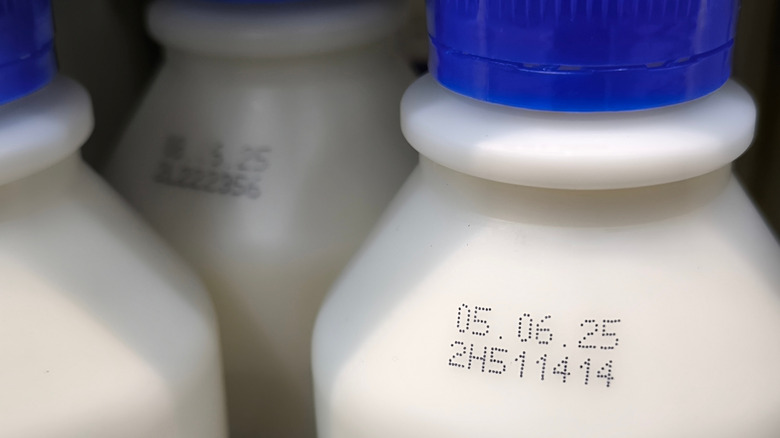
Certain habits, such as avoiding cross-contamination, should be non-negotiable. However, all three experts agreed that some food safety territory can be murkier. Expiration dates are a hot topic. When in doubt, chef Dylan Mendelsohn instructed, "Trust your senses — smell and taste your food. Many items are still good past the printed expiration date." Chef Glenn Rolnick agreed and added, "If something smells off or looks off, don't use it, as it most likely is. Safety and sanitation is critical."
Chef Gabriel Kreuther also noted that home cooks should know the difference between "best by" and "use by" dates. He explained that these dates "are often guidelines for peak freshness set by manufacturers, not strict safety cutoffs. Trust your sensory instincts: look, smell, and taste (when appropriate)."
Chef Kreuther also mentioned meat temperatures. "Cooking chicken breast until it is bone-dry out of fear is tragic," he said. "Use a reliable digital thermometer: pull [the] chicken breast at around 160 degrees Fahrenheit and let residual heat carry it to 165 degrees." He also shared advice for pork: "Modern high-quality pork is safe and at its absolute sweetest, most succulent state when served medium, with a delicate rosy, pink center (around 145 degrees, followed by a rest)."
10. Peeling vegetables to improve the taste and texture
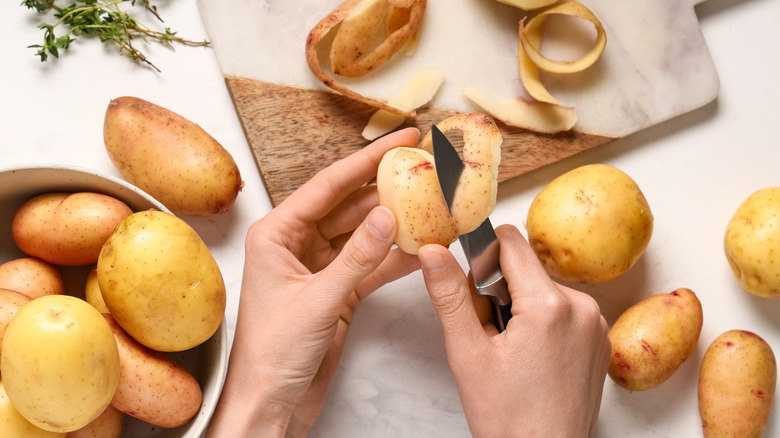
Chefs Gabriel Kreuther and Dylan Mendelsohn agree that peeling certain vegetables is one of the most common mistakes people make when cooking vegetables. "So much flavor and nutrition reside in the skin of organic produce," said chef Kreuther. "Young carrots, baby potatoes, fresh sunchokes, and thin-skinned apples do not need tedious peeling — a good scrub with a vegetable brush is all they need."
Chef Mendelsohn's favorite vegetables to leave intact are potatoes and carrots. He also urged home cooks to be diligent when washing veggies with skin to ensure all the dirt is removed.
You don't need to say goodbye to fluffy, creamy mashed potatoes if that's what you enjoy most. However, some folks have never known the joy of rustic mashed potatoes that have some bite. For even more flavor, boil your skin-on potatoes with a head of peeled garlic cloves, then mash everything together.
11. Avoiding prepping produce ahead of time to prevent browning
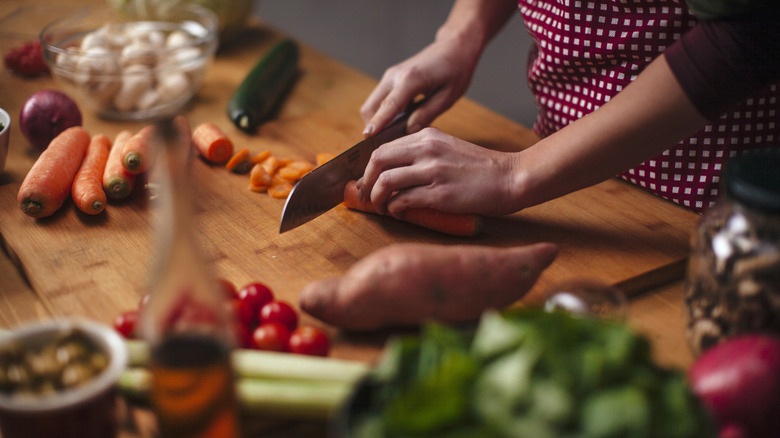
Many of us feel stretched too thin, so we hunt for tasty meal prep recipes to save time and money. If you want to avoid reheating the same precooked dish all week, prepping ingredients several days in advance can be a game changer. Some folks don't take advantage of bulk food prepping because they don't want their produce to spoil, but this isn't always the case.
Chef Glenn Rolnick said it's helpful to know how quickly each food oxidizes. He elaborated, "If you're making mashed potatoes tomorrow but need to start prepping today, rinse, peel (if desired), cut up today, and soak in a bowl of cold water in the fridge. Great to marinate dense items the day before to help with prep but also add flavor. Most vegetables can be cut or prepared today for tomorrow."
Chef Gabriel Kreuther reminded home cooks to check their knives. "Working with a dull knife is not only dangerous, but it also crushes delicate cell structures in vegetables and tears meats instead of cutting clean slices," he explained. "A sharp knife turns prep work into pure pleasure."
12. Never overcrowding pans
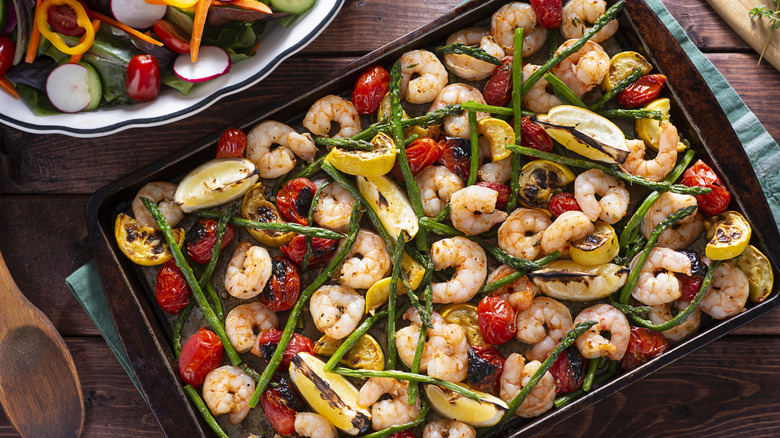
Every home cook needs to know about the Maillard reaction because it's what gives food that unbelievably delicious, caramelized quality. The Maillard reaction works best when food gets as much direct contact with a hot pan as possible. This is why so many professional chefs have begged home cooks to stop overcrowding their pans. However, sometimes time or space can be limited. Our experts shared that overcrowding isn't always the end of the world. Chef Dylan Mendelsohn loves roasted veggies, even when they're overcrowded. "The broiler is the most underrated oven setting," he began. "Lightly toss veggies in olive oil and broil them for a quick roast with great texture."
Chef Glenn Rolnick believes that certain foods fare better than others when overcrowded. He wouldn't stress about fries, roast potatoes, and chicken tenders. For the best texture, he said, "Make sure you turn those pans to help make sure the products are cooking evenly."
Chef Gabriel Kreuther reminds home cooks that overcrowding can work to their advantage. He said that "if you are making a rich braise, a rustic stew, or sweating vegetables for a base sauce, crowding the pan helps retain gentle moisture and cooks ingredients evenly in their own flavorful steam. The pan itself matters, too. Good cookware ... should respond predictably to changes in heat, so you can focus on the food rather than fighting the equipment."
13. Not letting meat rest too long
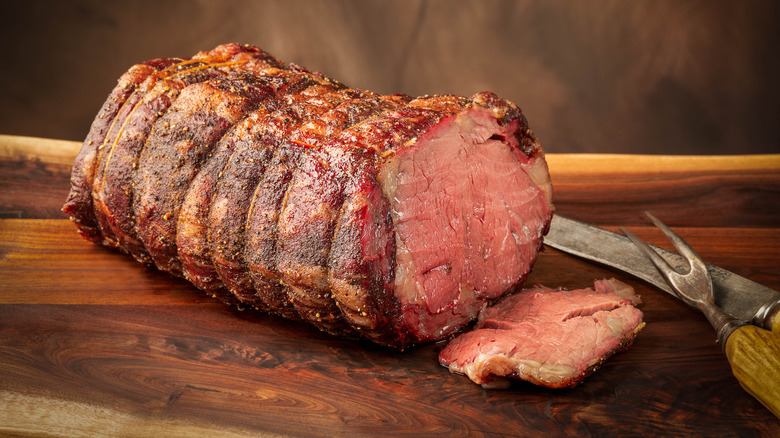
There's nothing more tantalizing than the smell of well-seasoned meat roasting or grilling. As pesky as your overactive salivary glands may be, you need to be patient once your meat is done cooking. Thirty minutes can feel like a lifetime, but your meat won't get cold.
"Don't just cut into your finished, mouthwatering roasted chicken or turkey right out of the oven," chef Glenn Rolnick urged. "The juices take a while to settle into the protein and will definitely leak out if you don't let it sit for at least 15 to 30 minutes before cutting into it. That pool of juices should be inside and not all over the cutting board."
Chef Gabriel Kreuther concurred: "Give your proteins time — at least five to 10 minutes for steaks, and up to 15 to 20 minutes for a whole roast — to allow the muscle fibers to relax and reabsorb the juices."
14. Sticking to tried-and-true flavor combinations to avoid disaster
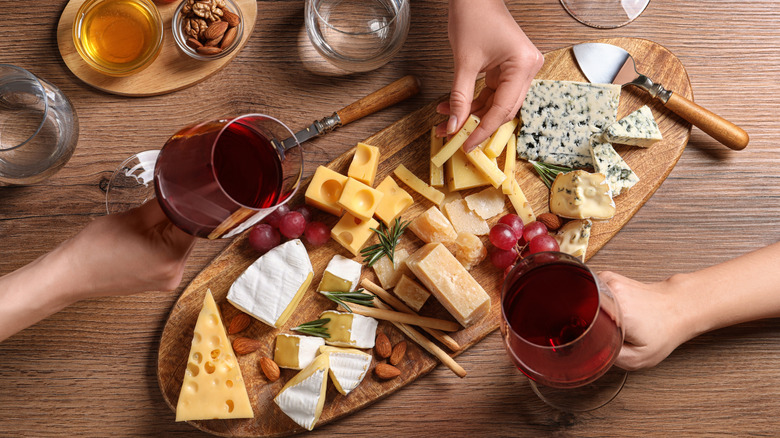
Professional chefs are masters of food pairings. Through education and experimentation, they've concocted all kinds of unusual food combinations you'd never guess are delicious. Of course, with food prices climbing, the average home chef may feel reserved. Our experts encouraged everyone to step even a little outside their comfort zone, because they might discover a new favorite dish.
Chef Glenn Rolnick was eager to discuss pasta — instead of the traditional vodka in a sauce, he loves brandy and cognac. He added, "If you've never tried Calabrian chiles in your sauce, you're missing out on something special." Chef Dylan Mendelsohn's secret weapon is Parmesan because of its wonderful umami flavor. "Mixing it into ground beef also helps create a fantastic sear," he noted.
Chef Gabriel Kreuther wants to toss many forbidden food pairings out the window. "The old rule 'white wine with fish, red wine with meat' is far too rigid," he began. "A seared, meaty fish like roasted salmon, tuna, or squab-like monkfish served with a rich mushroom or red wine reduction pairs gorgeously with a light, chilled Pinot Noir or an Alsatian Pinot Noir." He's also a fan of pairing cheese with seafood. He explained that "a delicate dusting of aged Parmigiano on a rich lobster risotto or a pinch of Gruyère in a classic Sole à la Florentine adds incredible depth and savory umami when balanced correctly."
15. Always following recipes
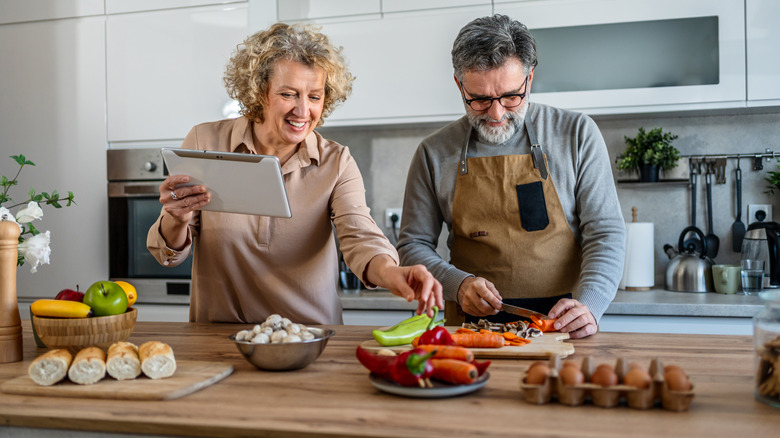
Our experts shared plenty of uplifting thoughts about cooking, showing you can learn a lot while having fun. Chef Dylan Mendelsohn advised, "Taste as you go. Cooking isn't a strict science — it's an art. Being off by a few grams or using slightly heaping spoonfuls won't ruin your dish."
Chef Gabriel Kreuther agreed that cooking is far less rigid than baking. In fact, he said it "is a living conversation between you and your ingredients. A recipe is merely a road map, not set in stone. Every tomato has a different acidity; every pinch of salt varies in density; every stove burns at a slightly different intensity." He also stressed the importance of tasting along the way and knowing you can always save a dish. He said that lemon juice, vinegar, and salt can revive a bland dish. If you ever go too far with acidic flavors, his favorite solution is a pat of butter or a splash of honey. He concluded, "Trust your palate, embrace small mistakes as learning experiences, and cook with joy!"
Chef Glenn Rolnick believes following a recipe the first time you try it is helpful, and you can feel confident adjusting it in the future by adding more garlic, cheese, or spice. "Cooking is an art," he stated. "We're not all artists. You can really develop your technique and skills by practicing. A good bit of trial and error."