

14 Restaurant Foods That Are Likely Made Before You Even Order
Perhaps it should come as no surprise to anyone that not every component in a restaurant can be made from scratch. Restaurants have to balance food quality with the realities of running a kitchen. Some rely on frozen appetizers, prepared soups, commercially baked desserts, and other ready-to-cook products to reduce labor costs and maintain consistency. These shortcuts can help kitchens keep up with busy service, manage the bottom line, and serve common dishes without adding hours of prep to the workday.
While a prepared ingredient may not sound as appealing as something made in-house, it doesn't necessarily mean a restaurant is cutting corners. In fact, using some pre-made food products can free up kitchen staff to focus their time and energy on the dishes that benefit most from the fresh prep. The real story is what it is that gets made from scratch, what arrives ready to heat and serve, and why it is done that way.
Eggs
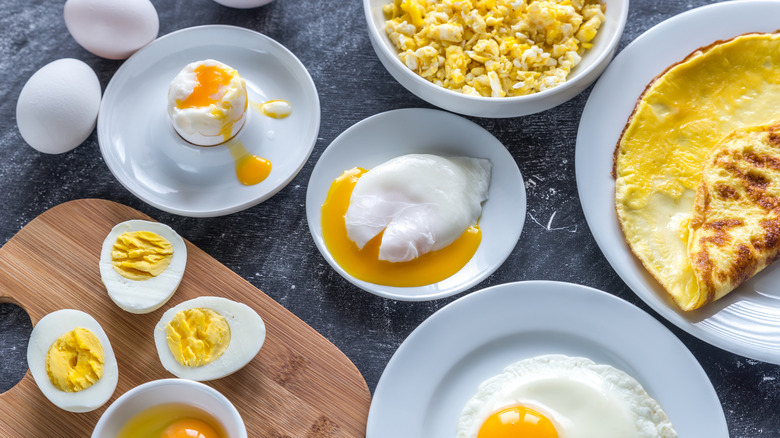
A breakfast sandwich is seemingly simple, but the egg inside may take a different route from shell to sandwich depending on where you order it from. Some restaurants crack fresh eggs, while others use prepared egg products that arrive ready to heat. The Washington Post reported in 2018 that many fast food and fast-casual chains, including Dunkin', Starbucks, and Taco Bell, used precooked, frozen egg patties.
At Dunkin', employees have reported that egg patties arrive precooked and frozen, then are thawed and reheated when an order comes in. The Dunkin's egg patty ingredient list also includes egg whites and yolks, soybean oil, cornstarch, salt, xanthan gum, cellulose gum, and citric acid. But these additions aren't necessarily there to replace the egg itself. The added ingredients help maintain consistency, texture, and shelf life, which is particularly useful for restaurants serving hundreds of breakfast sandwiches during a short morning rush.
Another example is Starbuck's breakfast sandwiches, which are prepared off-site and shipped to cafes, where they are reheated to order. McDonald's, on the other hand, varies depending on the menu item. It cracks fresh eggs for Egg McMuffins, but uses precooked, frozen, folded eggs in some other breakfast sandwiches.
Desserts
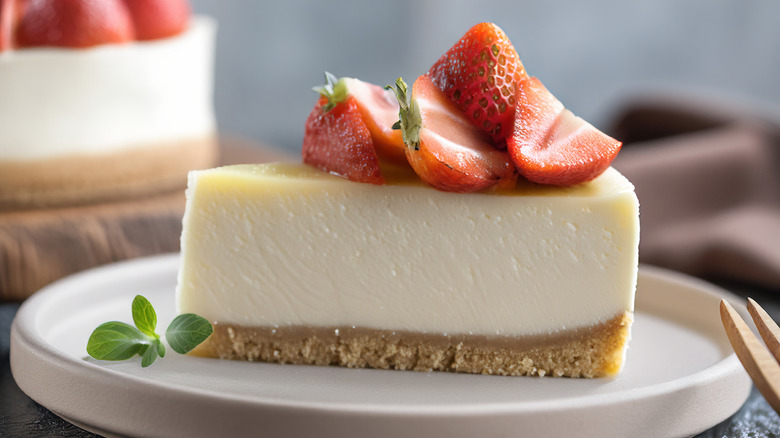
That slice of cheesecake or warm chocolate lava cake at the end of your meal isn't always made in the restaurant's kitchen. Many desserts require specialized equipment, dedicated workspaces, and pastry chefs with skills that not every restaurant can afford to keep on staff. For some restaurants, using prepared desserts from commercial bakeries is a more practical and efficient way to offer a dessert menu without adding hours of baking and prep to an already busy kitchen.
The Cheesecake Factory is a notable example: Despite making nearly all of its menu in-house, the chain's signature cheesecakes arrive frozen from its bakery facilities in California and North Carolina. The company operates two production bakeries that make approximately 60 varieties of cheesecakes and other baked desserts, supplying its restaurants as well as other outside foodservice retailers and distributors.
This kind of production isn't only exclusive to cheesecake. Commercial food distributors supply restaurants with ready-to-serve desserts and baked goods, allowing kitchens to reduce labor while maintaining consistent portions and flavors.
In a Reddit thread, a former restaurant worker described using a microwave to heat lava cakes on the dessert menu, a reminder that an elegant looking dessert doesn't necessarily require made-to-order baking. Whether it's a cheesecake shipped from a bakery or a pie slice warmed before plating, these shortcuts help restaurants offer a full dessert menu without making every sweet from scratch.
Fried Appetizers
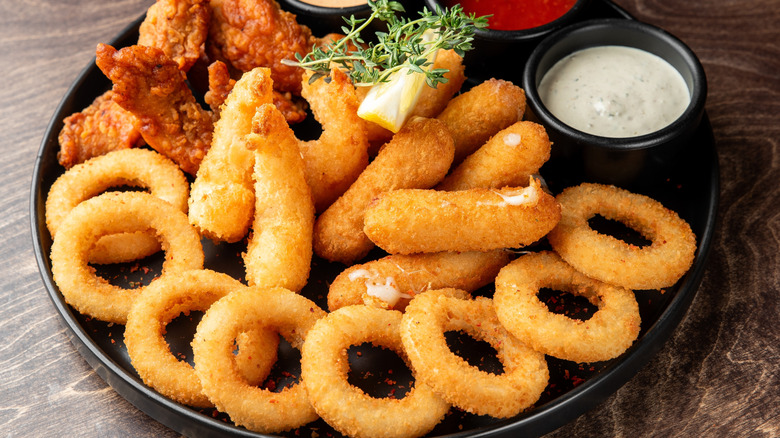
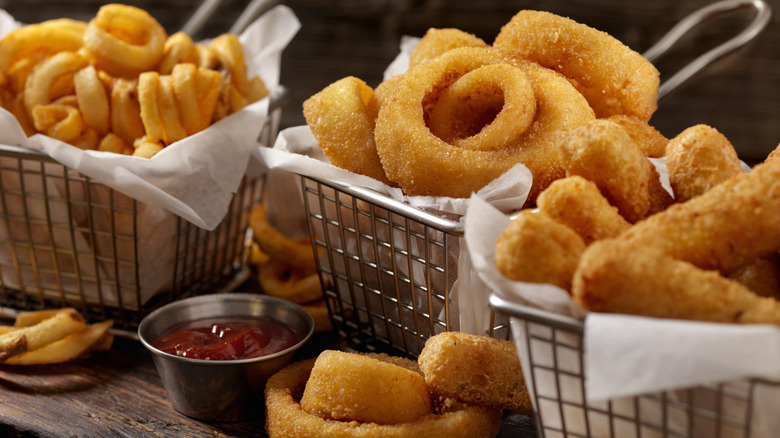
The satisfying cheese pull of a mozzarella stick, the onion rings you order for the table, the tangy crunch of a fried pickle, and the spicy, cheesy bite of a jalapeño popper. These are the beloved fried appetizers we're all guilty of ordering, but preparing them from scratch takes a lot more work than just dropping them into a fryer. Cheese needs to be portioned and breaded, pickles must be sliced and coated, and poppers have to be filled and prepared before they can even reach the hot oil. For busy restaurants, buying these appetizers frozen and ready to cook can save a substantial amount of time and labor.
In a survey of foodservice operators conducted by the American Frozen Food Institute, 75% reported increasing their purchases of frozen appetizers since 2019, reflecting growing demand for convenient products that help kitchens keep up with service. The shift toward prepared appetizers isn't just about convenience. Carnegie Diner & Cafe, for example, switched to frozen onion rings because preparing them in-house required additional labor and a dedicated prep cook.
Jalapeño poppers are another example of this. The popularity of this appetizer can be directly traced to Anchor Food Products, whose frozen, ready-to-fry version helped make the stuffed pepper a familiar restaurant staple when it trademarked the term in 1993. Overall, frozen products make it easier to offer a consistent lineup of crowd-pleasing appetizers without dedicating hours of kitchen prep to each one.
Refried Beans
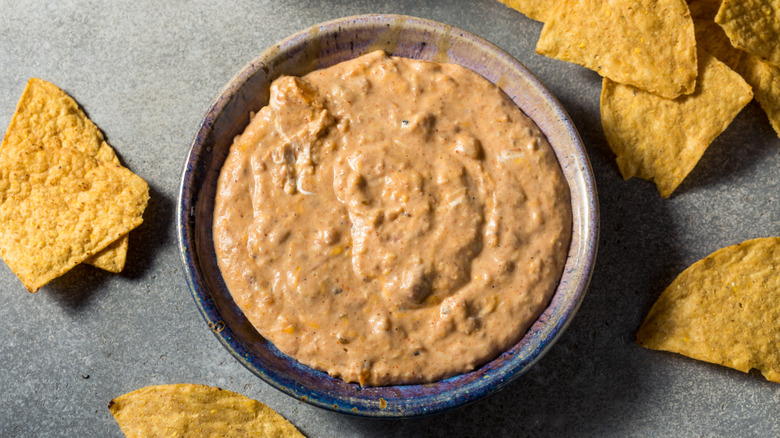
Those refried beans in your Taco Bell burrito? Yeah, they don't arrive at the restaurant looking anything like the creamy filling you're used to. The chain's refried beans arrive at the restaurants in dehydrated form, as small, dried pieces that employees combine with hot water and stir until they become the mixture served in burritos, tacos, and nachos.
In a 2020 viral TikTok video, a Taco Bell employee was shown opening a sealed bag of the dried beans, adding hot water, and mixing them in a large container. The process reportedly takes about 45 minutes, allowing the beans to absorb the water and reach the consistency needed for service. A Taco Bell prep guide also lists a 45-minute hydration period, followed by a four-hour holding window. Once the beans are ready, employees portion them into the restaurant's serving line, where they need to maintain the right consistency throughout the shift. Former employees have described adding more hot water and stirring the beans as they dry out during service.
Bacon & Sausage
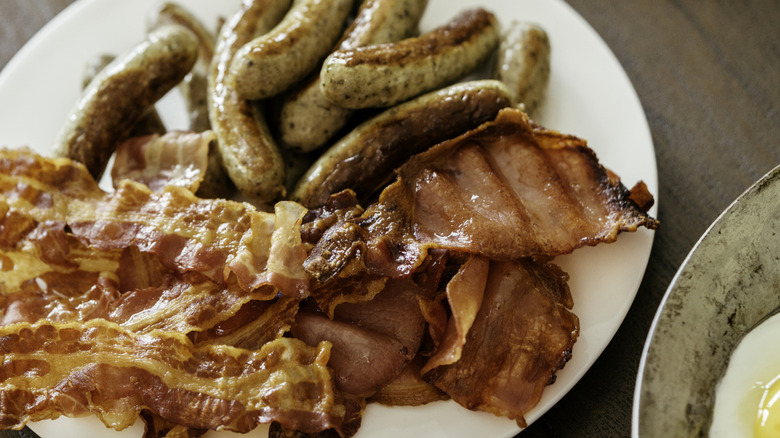
That strip of bacon inside your breakfast sandwich or those sausage links alongside your eggs may not have been cooked in the restaurant kitchen. For busy breakfast operations, precooked meats offer a convenient way to serve familiar favorites without spending extra time cooking them from a raw state.
In a 2022 article for Restaurant Business, foodservice operators are actually encouraged to use ready-to-heat and precooked proteins to reduce breakfast prep time, particularly when kitchens are dealing with labor shortages. The article specifically highlights fully cooked chicken and beef breakfast sausage links as products that can be quickly heated and added to many different morning dishes. Frozen proteins also give restaurants the flexibility to buy in bulk and keep ingredients on hand without worrying as much about spoilage.
According to food distributors, precooked bacon is ready to eat and can be heated quickly in a microwave, making it especially useful for sandwich shops, busy cafeterias, and other high-volume kitchens. This doesn't mean every restaurant is serving bacon or sausage straight from a package. But when breakfast orders are piling up, using meats that are already cooked can save kitchen staff a lot of time from being at the oven or griddle.
Chicken Tenders & Nuggets
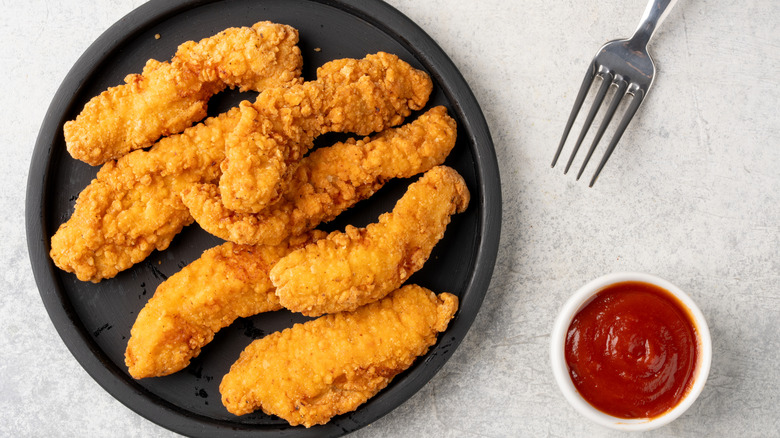
There's a reason chicken tenders are a staple on so many restaurant menus: They're easy to love, but not always easy to make. Breading chicken by hand requires multiple steps, from portioning and coating the meat to managing the breading station and keeping everything ready for the fryer. For restaurants serving large volumes of orders, using prepared chicken products can take some of that work off of the kitchen staff.
Chicken tenders and breaded appetizers are labor-intensive products to manufacture, which helps explain why restaurants may turn to pre-made versions to help manage labor shortages. These products can arrive with much of the preparation already done and ready to refry or reheat
Restaurants are increasingly relying on prepared and partially prepared ingredients to reduce labor costs and prep time. Wingstop is an example of this approach: In a Reddit discussion about the chain's chicken preparation, a commenter explained that its tenders arrive frozen in bags rather than being breaded by hand in the restaurant.
A former Applebee's prep and fry cook offered a firsthand look at the process in another Reddit discussion, explaining that the chicken tenders were frozen and already breaded when they were delivered, so kitchen staff simply dropped them into the fryer when an order came in. This is one way restaurants can serve freshly fried chicken without having to bread each piece from scratch.
French Fries
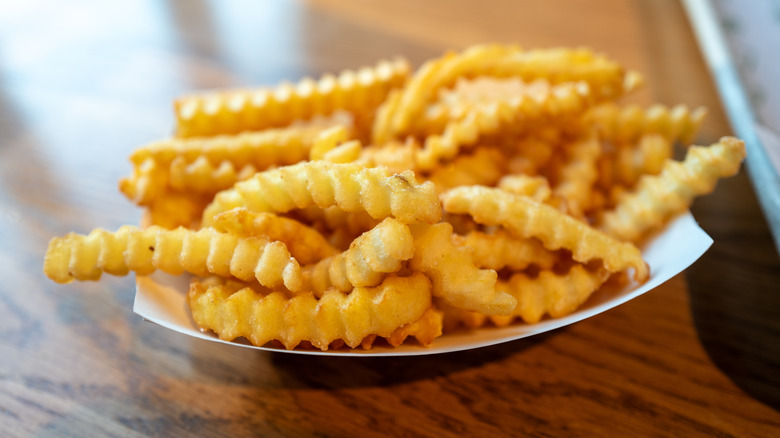
Think your restaurant french fries are freshly cut? There's a good chance they arrived frozen and ready for the fryer. In a 2022 survey commissioned by the American Frozen Food Institute, 78% of foodservice operators reported purchasing frozen potato products, making potatoes one of the most commonly purchased frozen foods on the market. The research also found that 84% of operators agreed frozen foods produce less waste, while having longer shelf life, consistent quality, and easy preparation.
There is a practical reason restaurants rely on frozen fries, too. Preparing French fries from scratch requires kitchen staff to wash, peel, cut, and often blanch potatoes before they're ready to fry. Frozen foods eliminate much of that prep work, allowing staff to portion and cook them as orders come in. Frozen fries can help restaurants reduce labor costs, food waste, and storage needs while improving back-of-house efficiency, which means the next time you order a side of fries, there's a good chance the most time-consuming part of the preparation happened long before they reached your plate.
Soup
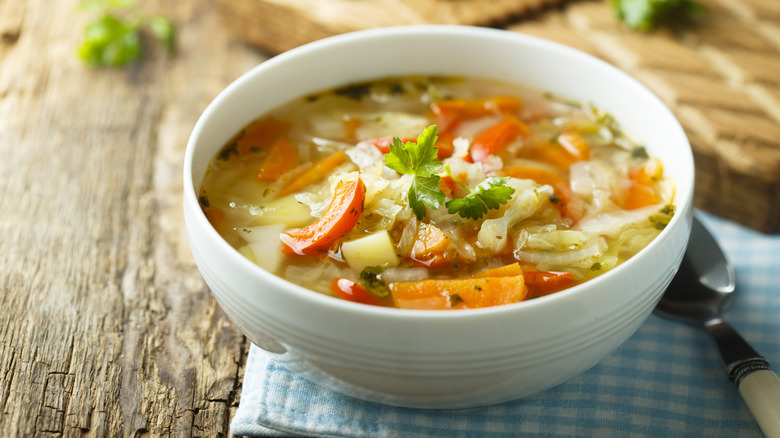
A bowl of soup might taste like it's been simmering on the stove all morning, but it could have arrived at the kitchen already made. Preparing soup from scratch takes time, from chopping vegetables and cooking proteins to simmering stock and seasoning large portions. For restaurants, buying prepared soup or soup bases can eliminate several of those steps, especially when they need to serve the same dish consistently throughout a busy day. It can also make it easier to keep multiple varieties of soup on the menu without dedicating extra kitchen space and staff to preparing each one.
Orders for frozen prepared soups and soup bases increased by more than 54%, while orders for refrigerated prepared soups climbed 34.3%, according to purchasing data from Buyers Edge Platform reported by FOX Business in 2022. The company analyzed more than $10 billion in purchases across 70,000 restaurants and food providers, finding that operators were increasingly turning to pre-made ingredients to manage labor shortages and supply-chain challenges.
Macaroni and Cheese
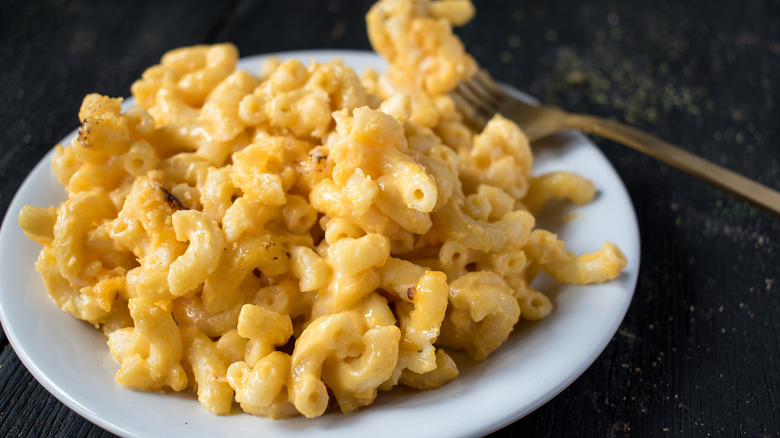
Macaroni and cheese is a pretty straightforward dish, but making a creamy cheese sauce from scratch takes time, especially in a busy restaurant kitchen. That's why some chains take the work out of the equation by having the sauce prepared off-site and delivered ready to use.
The restaurant chain Big Chicken is one example. In an interview with the Specialty Food Association, CEO Josh Halpern explained that the chain uses pre-made cheese sauce for its macaroni and cheese, along with prepared sauces, spice blends, and other ingredients. The company works with manufacturers to develop custom recipes according to its own specifications, allowing restaurant employees to spend less time on ingredient preparation.
A former Chili's employee shared another example on a Reddit discussion about restaurant food preparation, explaining that macaroni and cheese arrived in a large bag, which employees portioned into paper deli cups and microwaved when an order came in. The same employee noted that other sides, including vegetables and mashed potatoes, were also portioned ahead of time for quick reheating.
Dinner Rolls
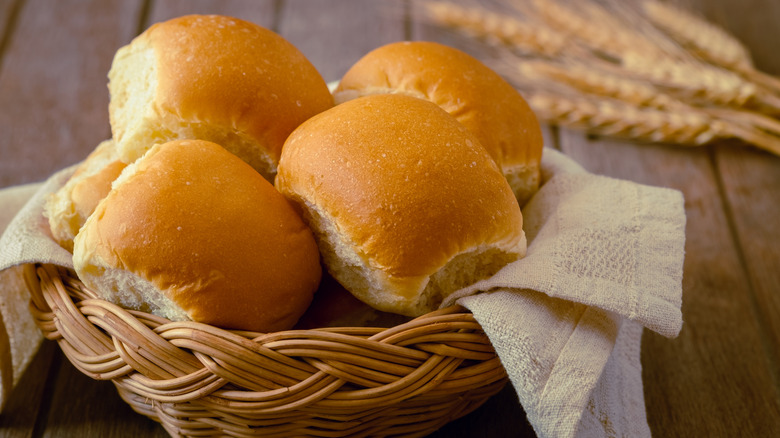
Those warm, freshly baked dinner rolls served at the beginning of your meal? Those most likely aren't really freshly baked from the kitchen. Plenty of restaurants rely on frozen dough or partially baked rolls that need only a little finishing before they're ready to serve. It's an easy way to give customers the appeal of fresh baked bread without requiring a dedicated baker or hours of hands-on prep.
Frozen dough has been used across restaurant menus for years. A 2008 Restaurant Business article describes how Shari's Restaurant & Pie Bakery used about one million pounds of frozen cinnamon roll dough annually for its signature breakfast items. The restaurant thawed and proofed the dough before baking the rolls fresh each day. The article also explained that many restaurant chains have shifted toward frozen, par-baked breads and rolls to save on time and labor, with some operators thawing and baking them throughout service to keep fresh bread coming out of the oven.
Foodservice suppliers offer even more streamlined options. General Mills, for example, sells Pillsbury frozen dinner roll dough that restaurants can thaw, proof, and bake in-house, eliminating the need to measure ingredients, mix dough, or shape individual rolls. The company specifically markets the product as a way to reduce back-of-house labor, while delivering consistent results.
Mashed Potatoes
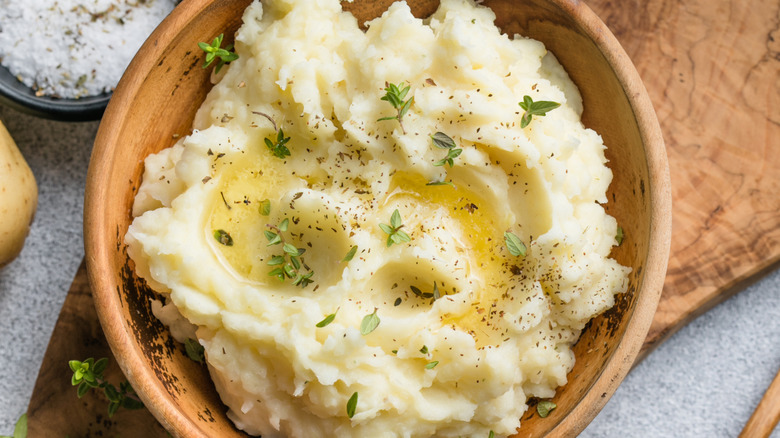
Creamy mashed potatoes might seem like one of the more straightforward sides to make from scratch, but peeling, boiling, draining, and mashing potatoes takes time, especially when a restaurant needs to prepare enough for hundreds of orders. Some kitchens skip much of that work by relying on frozen mashed potatoes that are ready to heat and serve.
Frozen mashed potatoes can be boiled in the bag, eliminating much of the labor involved in preparing them from scratch while also reducing food waste. Prepared products can also help restaurants maintain a consistent texture and flavor from one batch to the next, which is especially useful for chains serving the same menu across multiple locations.
There's a broader industry trend behind this, too. A 2022 survey commissioned by the American Frozen Food Institute and conducted by Technomic Inc. found that 78% of foodservice operators purchased frozen potato products. Operators defined ease of preparation, product consistency, longer shelf life, and reduced waste among the advantages of using these frozen foods.
Salad Dressing
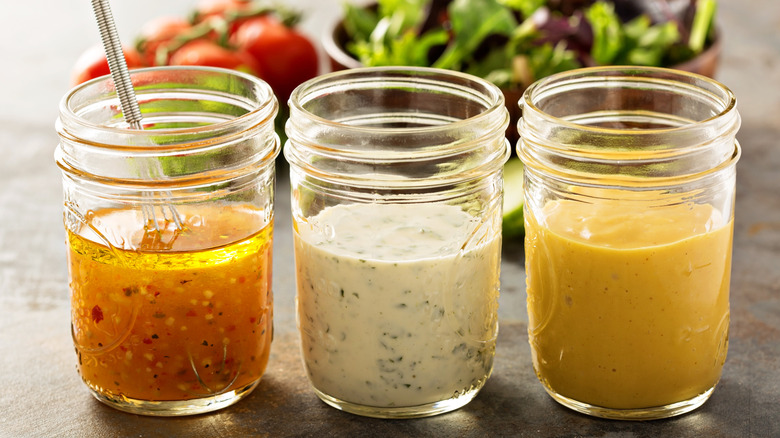
Making dressings from scratch can involve measuring oils, acids, herbs, spices, and other ingredients, then mixing and storing batches for service. For busy restaurants, ordering prepared dressings and sauces from foodservice distributors can eliminate some of that daily prep.
Commercial food distributors supply restaurants with ready-to-serve dressings and other prepared ingredients on a regular basis. These distributors offer catalogs of products to restaurants of all sizes, allowing kitchens to purchase prepared components rather than make everything themselves. Some restaurants serve these products as they arrive, while others add their own seasonings or ingredients to give them a little more customized flavor.
Several restaurant chains are examples of this approach. Culver's is one restaurant that actually lists Ken's Bleu Cheese and Ken's Raspberry Vinaigrette among its salad dressing options. At Applebee's, a commenter in a Reddit discussion about the restaurant's Caesar dressing explained that it arrives in bags and is stored in the walk-in refrigerator rather than being made in-house. This shows how restaurants can serve familiar dressings without necessarily preparing every batch from scratch.
Gravy
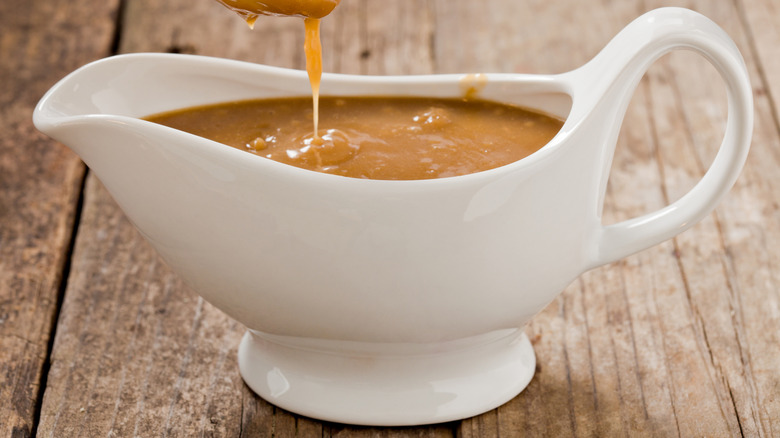
Gravy and some other sauces are another restaurant staple that may have a little help from a commercial supplier. Making gravy from scratch involves building a flavorful base, incorporating fat and flour or cornstarch, and carefully seasoning it to get the right consistency. For busy kitchens, prepared gravies and gravy bases can cut down on that work without taking the sauce off the menu.
According to earlier purchasing data from the Buyers Edge Platform reported by FOX Business in 2022, restaurants are increasingly turning to prepared ingredients to save time in the kitchen. That includes gravy: Orders for prepared gravy and gravy bases increased by 25.3%
Even a major chain like KFC relies on packaged gravy mix as a starting point for its recipe. In a Reddit discussion, a commenter identifying themselves as a KFC employee explained that the restaurant combines a packaged gravy mix with hot water and leftover chicken drippings and bits from its fryers to make its signature gravy. These examples show how restaurants can use prepared gravy components while still adding ingredients or following additional preparation steps to give them their familiar flavor.
Pizza Dough
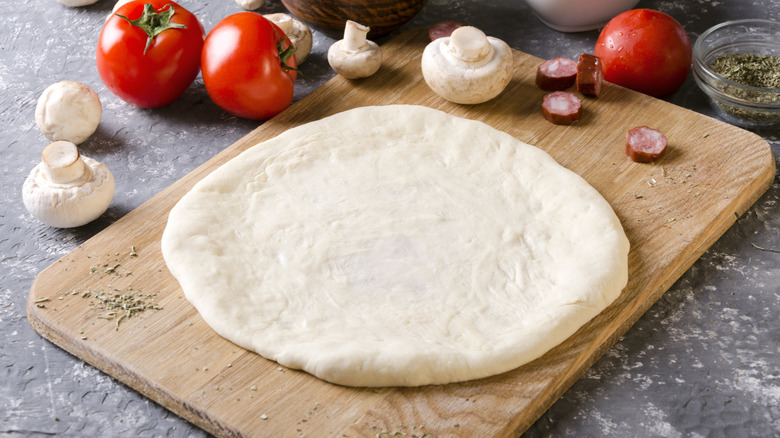
A pizza coming out of a restaurant oven doesn't necessarily mean someone made the dough that morning. Mixing, kneading, portioning, and proofing dough takes time and a certain amount of skill, which is why some restaurants turn to frozen dough balls, pre-sheeted rounds, or ready-to-bake crusts to simplify the process.
Frozen dough has long been part of the foodservice industry. Pizza dough is one of several frozen dough products available to restaurant operators, alongside breads, rolls, biscuits, and cookies. Manufacturers offer everything from bulk dough to pre-shaped and pre-sheeted products, allowing kitchens to skip some of the mixing, portioning, and shaping involved in making dough from scratch.
Companies, like The Good Crust, demonstrate how these products are marketed to restaurants today. The New England-based supplier offers frozen dough balls as well as pre-sheeted pizza rounds and half-sheets, which it describes as ways to save restaurants time and money. Its products allow kitchen staff to focus on topping and baking pizzas rather than preparing the dough themselves.