

The Biggest Potato Chip Recalls In US History

The chip aisle should be a sacred place with options aplenty. Most of the time, it is, with the only real concerns being a spike in cholesterol and some greasy palms. However, on occasion, recalls rear their ugly heads and sully this sanctuary of fried potato savoriness. The sad fact of life is that sometimes the comfort food one thought they could depend on for a late-night snack or a side to their favorite sammie might actually be defective.
While it doesn't happen too often, food recalls are getting more and more prominent. In light of this, we have scoured history for some of the more significant potato chip recalls. Recent years featured heavily in this list, but it may be surprising to see some popular chip brands struggle with quality in decades past. From mislabeled ingredient lists and ingredient contamination to potentially fatal mistakes, here are the biggest recalls in potato chip history.
Food Express USA recalled Coyote Valley chips due to high salt content (2025)
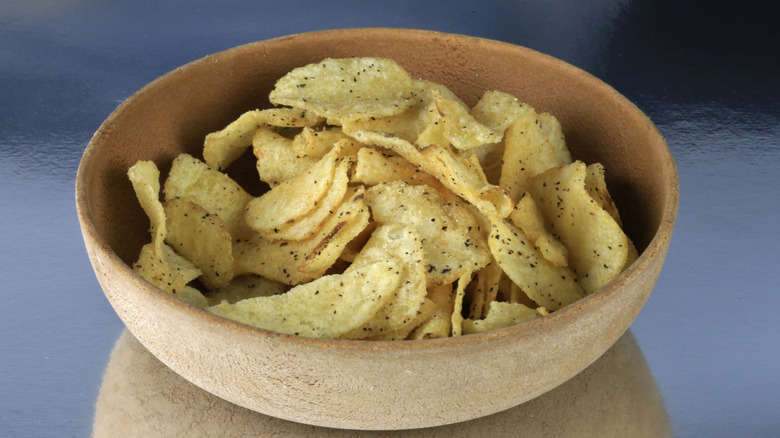
Most chips are pretty salty, and you expect a bit of a bite from the salt when munching on the high sodium snack. Food labels and ingredient lists are great tools to help figure out just how salty a snack is going to be. When you check them, you're acting under the assumption that the labels are accurate. Inaccurate food labels are a recall-worthy mistake, as Food Express USA can attest to. Over 3,000 cases, which contained over 60,000 bags, of the company's Coyote Valley Sour Cream and Onion chips were recalled in January of 2025 for listing the wrong sodium information.
This recall was not mandated, but the chips were pulled from three states by Food Express USA. This recall went somewhat under the radar, and that may be due to Coyote Valley chips not being available for purchase to the mass market. Food Express USA supplies snacks to commissaries for those who are incarcerated to purchase.
Though the disparity of sodium between the incorrect label and what is really in the chips was unclear and unreported, the recall appeared to be a responsible one. When you eat too much salt, both your heart and kidneys can be negatively impacted. For those tracking their salt intake, an accurate label is vital.
Frito-Lay recalled Lay's Classic Potato Chips for undeclared allergen (2024)
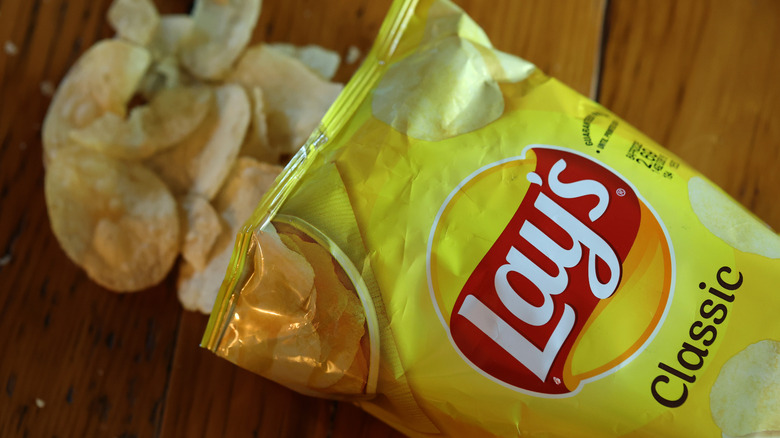
The ingredients list on products is there for a very important reason. Sure, some of us may glance at the long list of hard to pronounce chemical names and wonder what they mean. Others, however, need the list in order to ensure they can eat the product without fear of an allergic reaction. While some allergies can simply make a person uncomfortable for a short time, others have life threatening allergies. It's the responsibility of companies to provide accurate ingredient lists — people's lives could quite literally depend on it. It's for this exact reason why Frito-Lay recalled 6,344 bags of its classic potato chips in December 2024.
The official reason for the recall of Lay's Classic Potato Chips (one of the best ranked Lay's flavors) was stated as undeclared milk. This doesn't sound like a huge deal, except to those with dairy allergies. Frito-Lay pulled over 6,000 bags of its classic chips from outlets in Oregon and Washington. Though only two states worth of chips were seemingly affected, the severity of the health implications concerning this recall was intense. The original recall was announced in December of 2024, but over a month later the Food and Drug Administration upped the recall to a Class I hazard. This meant that there was a reasonable possibility that consuming the recalled product could result in fatality or serious harm to health. Luckily, no reports of allergic reactions, small or otherwise, were reported due to this contaminated product.
Miss Vickie's recalled kettle potato chips after customers reported the presence of glass shards (2020)
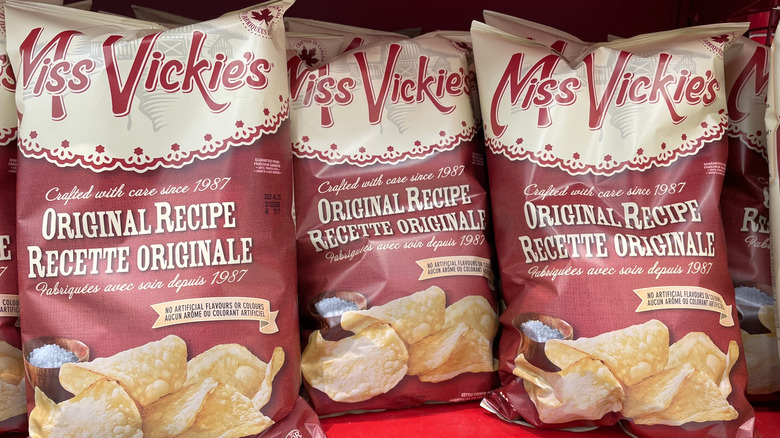
Miss Vickie's had an issue with glass in its chips back in 2020. The chip brand is another name under the Frito-Lay umbrella that has found itself on this unfortunate list of recalls, and the presence of glass is a pretty serious offense. The brand issued a recall for a number of kettle chip flavors, then an additional recall for its original recipe kettle chip flavor. A full count of the chips pulled was not reported, but a wide range of products were affected. All together, 27 varieties of chip bags were recalled with even more batch numbers involved.
The Miss Vickie's product pull only happened after customers complained about the presence of glass in chip bags. While thankfully no one was seriously hurt by the presence of glass in their kettle chips, one consumer did report an injury to their tooth. Considering the potential for serious harm from eating glass, this is a minor, but unacceptable, injury.
Consumers could have purchased the affected bags of chips either in vending machines or stores. However, bags sold online were also included in the recall. It appeared as though the majority of the chips were distributed and sold, with the stress being put on the urging of consumers to check their homes.
Food Lion recalled dill pickle potato chips for undeclared milk (2018)
Everything dill pickle flavored was all the rage a few years ago, and pickle lovers still pick up the occasional odd pickled flavored product. Dill pickle flavored chips have lasted through the trend, though, and Food Lion's house brand saw a recall back in 2018. Despite the pickle flavor still being a popular product a lot of chip companies carry, Food Lion no longer sells its version of the chip. This may be due to the significant recall, which spanned more than 7,000 cases over several states.
The recall was over a labeling issue, in that the label neglected to warn the consumer of the presence of milk in the chips. Unfortunately, the inconsistency between the ingredients and the label was found only after there were negative consequences. A consumer with a dairy allergy had an allergic reaction to the chips. Luckily, it was not reported to be fatal. Any allergy not noted on a label is cause for major concern, and the recall very well could have prevented other more serious reactions from occurring.
Route 11 recalled chips due to possible seasoning contamination (2016)
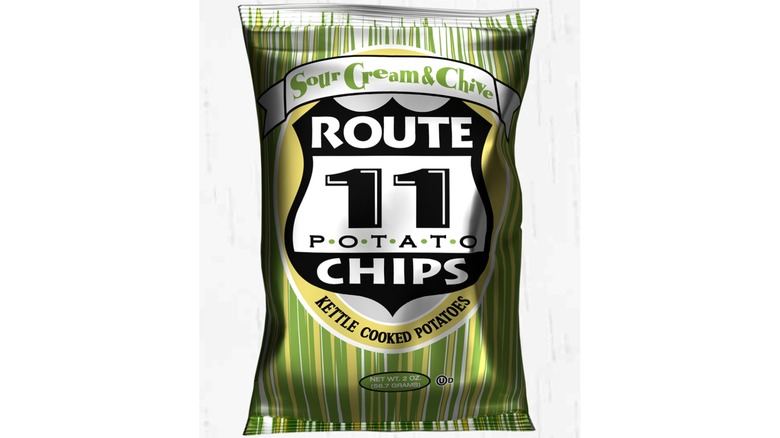
It's not just the big box brands that have the occasional recall, the small guys sometimes have to pull products too. Route 11 is a regional, but popular, kettle chip brand found mostly in Virginia and surrounding areas, from mom and pop shops to mainstream grocery stores. The small batch chip brand prides itself on quality and its low impact on the environment. Since being founded in the early '90s, it has seen one recall to date, in 2016. This recall was due to an ingredient in the seasoning of one flavor of chips possibly being contaminated with salmonella.
The sour cream and chive kettle chips contained non-fat dry milk powder, which the FDA suspected to have been manufactured in or around poorly maintained and cleaned equipment. The lack of sanitation where this ingredient was made created the ideal environment for salmonella to thrive. In fact, FDA investigators did find records of salmonella being present in samples produced in the same plant, Valley Milk.
This recall was seemingly warranted, however no salmonella was actually found in any of the tested Route 11 chips or the dry milk powder seasoning ingredient. Luckily, no instances of salmonella were reported surrounding this product either.
Deep River recalled its kettle chips after salmonella scare (2016)
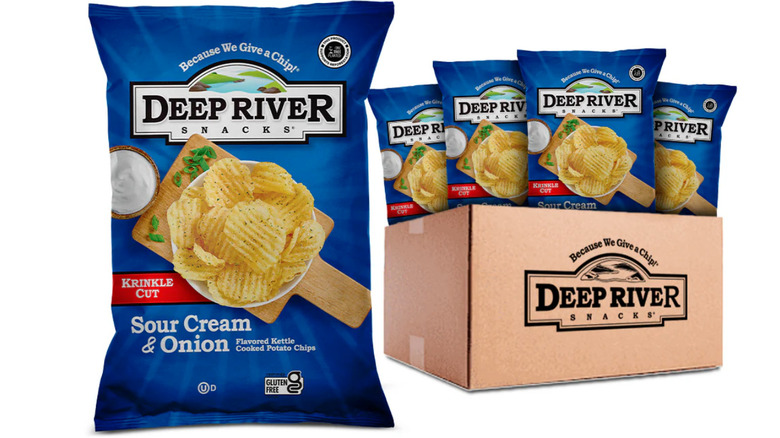
Another regional chip brand, Deep River, pulled its sour cream and onion kettle chips off shelves due to Valley Milk's poor sanitation issues in 2016. The same powdered milk ingredient found in Route 11's chips was also used in Deep River's chips. The Connecticut-based chip company recalled three batches of its sour cream and onion chips, in association with the much larger Valley Milk salmonella scare. Similarly to the other related recalls, no salmonella was found in the tested products and this recall was voluntary.
Around this same time, Deep River was involved in a class action lawsuit against it. The class action lawsuit was unrelated to salmonella, and instead cited a misleading label that claimed the chips were made with non-GMO ingredients. However, some of the same chips that were recalled were a part of this salmonella recall. The expiration dates cited in both the recall and the class action lawsuit line up with one another. Despite its 2016 troubles, Deep River and the sour cream chip is still going strong and distributed in mainstream stores, like TJ Maxx, across the country.
Proctor & Gamble recalled Pringles due to possible salmonella exposure (2010)
When we ranked some of the worst to best Pringle flavors, there were plenty of discontinued ones not included. Two of these oldie but goodie flavors haven't made much of an appearance on shelves since their significant recall back in 2010. Proctor & Gamble recalled the Restaurant Cravers Cheeseburger and Family Faves Taco Night flavors due to an ingredient that may have been contaminated with salmonella.
Nobody wants their midnight munchies to come with a side of salmonella, and this recall was a particularly bad case that rightfully caused snackers unease. The factory that produced the affected ingredient in these two Pringle flavors (along with a number of other food products sold by different brands that were also recalled) was found to keep deplorable conditions where it manufactured ingredients for consumption. Standing water, dirty equipment, and positive salmonella tests were found in the facility.
The Pringles recall was reported by Proctor & Gamble to affect around 0.5% of Pringles sold domestically. Even such a small percentage had the potential to be a large amount of product, though, given how popular Pringles were even in 2010. Not long after this significant recall, Proctor & Gamble looked to unload its ownership of Pringles, finally selling the brand in 2012.