

10 Asian Restaurant Chains You'll See More Of In 2026
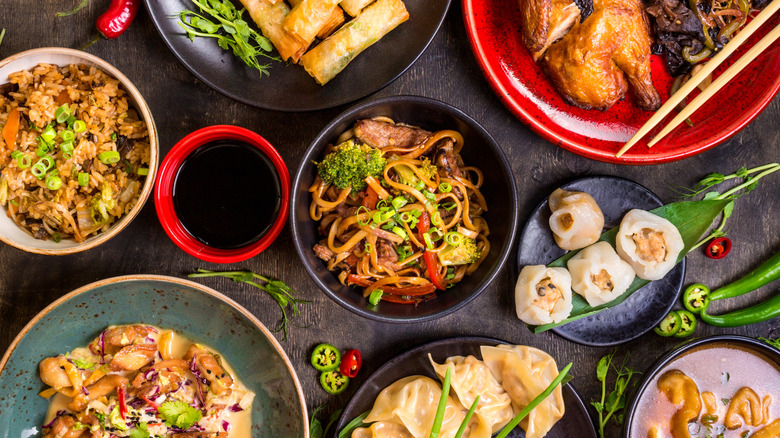
Asian cuisine has become one of the most dynamic and popular types of food in American dining, but the pace of change over the past few years has been especially noticeable. As consumer tastes evolve, restaurants are adapting with faster service models, updated menus, tech-driven ordering, and regional expansion strategies that look very different from even five years ago. In 2026, those shifts will become even more visible, particularly among Asian restaurant chains that are set up for some serious growth.
In particular, there are several Asian restaurant chains that are likely to expand their footprint, visibility, and cultural impact in 2026. Some are already household names, while others are newer brands riding powerful trends like boba tea, hot pot, conveyor-belt sushi, and Korean fried chicken. What unites them is momentum, whether through aggressive store openings, rebranding efforts, menu innovation, or operational overhauls aimed at reaching more customers in more places.
From mall food courts to fast-casual strip centers to destination dining districts, these chains reflect where American diners are headed next. If you are interested in Asian restaurants you need to try across the country, these are the names you will almost certainly see popping up more frequently in 2026, and beyond.
Panda Express
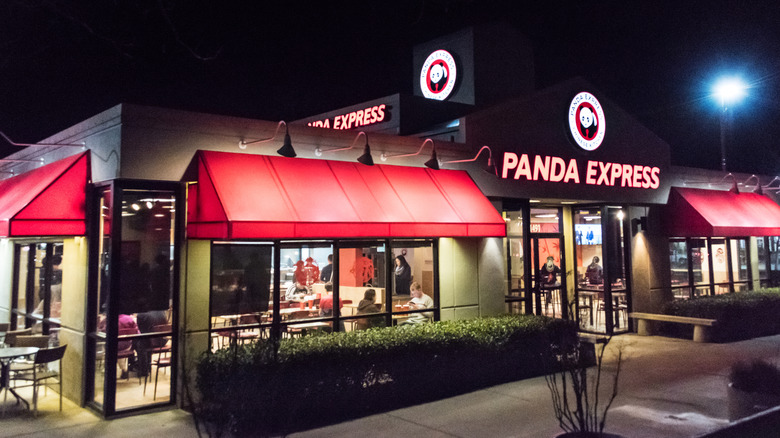
Panda Express is already one of the most recognizable Asian restaurant chains in the United States, but its growth story is far from finished. In fact, 2026 may mark another major chapter in the brand's evolution as it continues to refine its menu, expand its footprint, and test how much further a fast-casual Chinese-American concept can go. With more than 130 new locations opening throughout 2025, Panda Express enters 2026 with a massive dataset to evaluate what works best in new markets.
One of the biggest drivers of Panda Express's staying power is its willingness to tweak familiar favorites while still leaning into comfort and accessibility. The chain has spent the last several years experimenting with limited-time menu items, healthier options, and premium takes on classics like orange chicken and Beijing beef. These menu updates allow Panda Express to stay relevant to younger diners without alienating longtime fans who rely on consistency.
Another factor positioning Panda Express for further growth is its real estate strategy. The brand has expanded well beyond mall food courts into standalone locations, drive-thru formats, college campuses, airports, and suburban shopping centers. That flexibility makes Panda Express an easy fit in markets that might not otherwise support a full-service Asian restaurant. As inflation continues to influence dining decisions, Panda Express's value-forward approach gives it an advantage heading into 2026.
Pei Wei
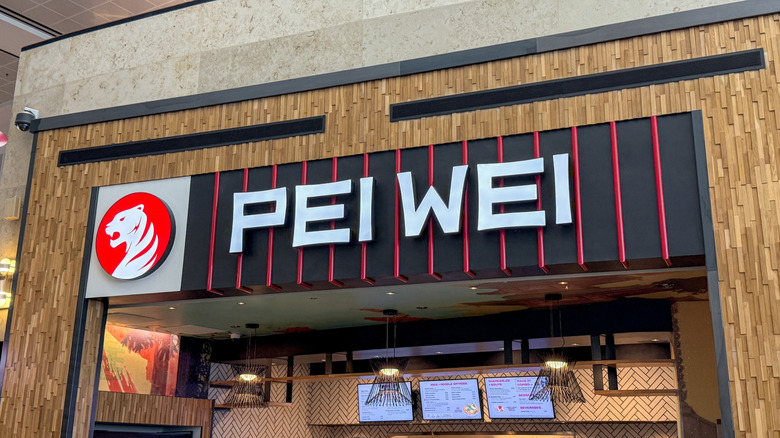
Pei Wei's story is one of reinvention. Once closely tied to P.F. Chang's, the brand has spent years carving out a distinct identity following its separation in 2017. Rather than competing directly with higher-end sit-down concepts, Pei Wei has leaned into fast-casual convenience, modern branding, and digital ordering, which is a strategy that positions it well for growth in 2026.
The launch of Pei Wei's updated branding and the Wei More app signals a broader push toward customer loyalty and streamlined service. Mobile ordering, customization, and rewards programs are no longer optional in the fast-casual space, and Pei Wei's investment in its tech infrastructure allows it to compete with newer chains built entirely around digital convenience. This modernization helps Pei Wei reconnect with diners who may not have considered the brand in years.
Menu flexibility is another strength. Pei Wei occupies a middle ground between traditional Chinese-American takeout and more contemporary pan-Asian fare, offering rice bowls, noodles, and wok-fired dishes that feel familiar without being dated. That adaptability makes it easier to expand into different regions with varying tastes. As Pei Wei continues refining its footprint and messaging, 2026 looks like a year when the brand finally steps out from its past and into sustained, independent growth.
Din Tai Fung
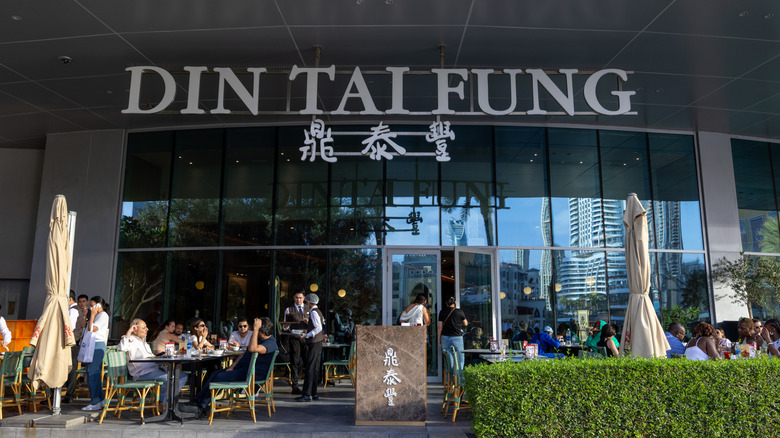
Din Tai Fung occupies a very different space from most fast-casual Asian chains, but its recent expansion plans suggest a broader U.S. presence is on the horizon. Known worldwide for its delicious pork xiao long bao and elevated dining experience, the brand historically expanded cautiously. However, the announcement of two new locations in Phoenix marks a meaningful shift toward reaching larger American metro areas.
What makes Din Tai Fung's growth especially notable is its emphasis on consistency rather than speed. Each restaurant is designed to deliver the same experience, from the thickness of the soup dumpling wrappers to the pacing of service. That attention to detail has earned the brand a devoted following, often generating long wait times that signal strong demand. If the Phoenix locations perform well, they could serve as proof that Din Tai Fung's model works in a wider range of U.S. cities.
As American diners become more knowledgeable about regional Asian cuisines, Din Tai Fung benefits from its reputation as an authentic yet accessible introduction to Taiwanese food. While it may never match the store counts of fast-casual chains, its controlled expansion could significantly increase visibility in 2026. For diners seeking premium Asian dining experiences outside traditional coastal hubs, Din Tai Fung's growth is a trend worth watching.
P.F. Chang's
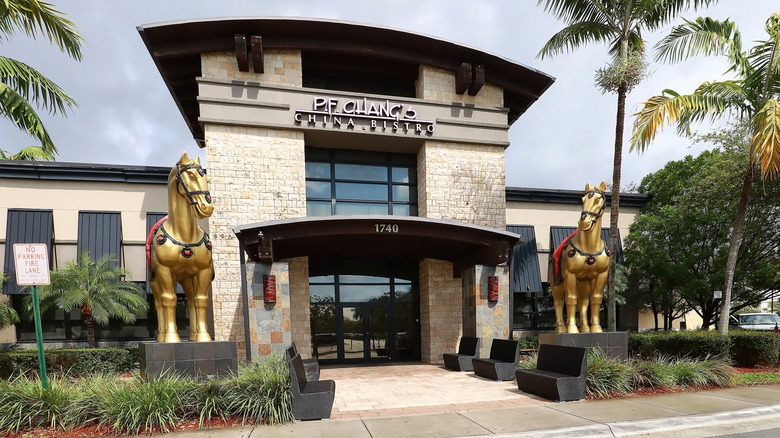
P.F. Chang's has spent decades as a staple of upscale casual dining, but the chain is now undergoing one of the most significant strategic shifts in its history. Under new leadership, the brand is rethinking how it fits into a dining landscape increasingly dominated by fast-casual and value-driven concepts. That recalibration is expected to play out more fully in 2026.
The new approach focuses on making P.F. Chang's restaurants and food feel more accessible for everyday dining rather than a special-occasion restaurant. This includes menu pricing adjustments, simplified service models, and operational efficiencies that benefit both employees and customers. By narrowing the gap between fast-casual convenience and sit-down quality, P.F. Chang's hopes to attract diners who want a better experience without committing to a lengthy restaurant visit.
Another key factor is brand recognition. Few Asian restaurant chains in the U.S. have name recognition as strong as P.F. Chang's and its menu, giving it a major advantage as it experiments with new formats. New technology for employees and customers at P.F. Chang's, a more updated menu, and faster dining options could allow P.F. Chang's to re-enter markets more aggressively. If successful, 2026 could mark a reinvention that extends the chain's relevance for years to come.
Happy Lemon
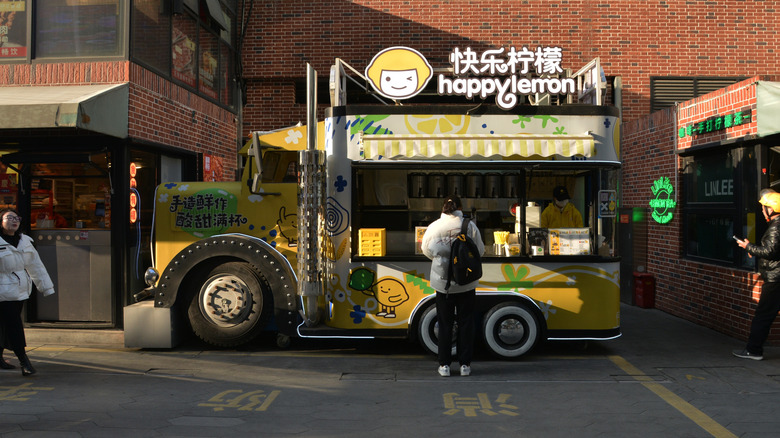
Happy Lemon has become one of the most influential names in the rapidly expanding boba tea market. While bubble tea once felt like a niche offering in the U.S., it has now entered the mainstream, and Happy Lemon has played a significant role in that transition. Its strong performance and brand loyalty suggest continued expansion through 2026.
What sets Happy Lemon apart is consistency, with one customer saying on Reddit that they have "never had a bad drink here." In an industry crowded with independent shops and short-lived concepts, Happy Lemon has built a scalable system that delivers reliable quality across locations. From signature cheese foam teas to traditional lemon black tea, the brand balances innovation with recognizable favorites. This approach attracts both boba lovers and newcomers curious about the trending drink.
Happy Lemon also benefits from the broader cultural momentum behind Asian beverages and desserts. As younger consumers seek social, visually appealing dining experiences that offer health-conscious menu options, especially in the United States, boba shops continue to thrive. With locations already spread across many states and more on the way, Happy Lemon is positioned not just as a participant in the boba tea boom, but as a leader shaping where the category goes next in 2026.
Kura Sushi
Kura Sushi has quietly become one of the most successful conveyor-belt sushi chains in the United States, and its financial performance suggests that growth is far from slowing down. With 84 locations now spanning 26 states, more locations upcoming, and strong year-over-year gains, the brand enters 2026 with momentum built on both novelty and operational efficiency.
The appeal of Kura Sushi lies in its combination of affordability, automation, and entertainment. Conveyor belts, tablet ordering, and prize-based plate returns turn dining into an experience, especially for families and younger diners. This model reduces labor costs while increasing table turnover, making it well-suited for expansion even in challenging economic conditions.
Kura Sushi also benefits from growing consumer comfort with sushi as an everyday meal rather than a luxury. By keeping prices approachable and menus familiar, the chain lowers the barrier to entry for diners who may be hesitant about raw fish. As it continues opening its planned 13 to 14 new locations and refining its technology-driven model, Kura Sushi is likely to become even more visible in 2026.
Wagamama
Wagamama's ambitions in the U.S. market became much clearer following its decision to take control of its American operations and relocate its headquarters to Tampa. This move signals long-term commitment rather than experimentation, positioning the Japanese-inspired chain for aggressive expansion heading into 2026.
Unlike many Asian restaurant chains, Wagamama focuses on communal seating, open kitchens, and customizable noodle and rice bowls that appeal to health-conscious diners. Its menu blends Japanese flavors with modern dietary preferences, offering vegan, gluten-free, and protein-forward options. This flexibility allows Wagamama to fit neatly into urban and suburban markets alike.
By consolidating decision-making and logistics in the U.S., Wagamama can move faster when identifying growth opportunities. The brand's intention to "scale with purpose" (via FSR Magazine) suggests careful expansion rather than oversaturation. If these plans are executed well, 2026 could be the year Wagamama transitions from a curiosity to a consistent Asian dining chain presence across major American cities.
Big Way
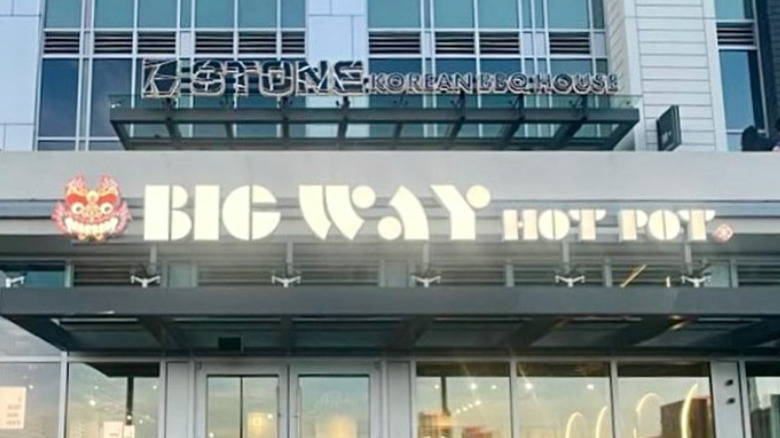
Big Way represents one of the most interesting dining trends to cross into the U.S. in recent years, because it is a fast-casual, self-serve hot pot chain. Originating in Canada, the brand disrupted traditional hot pot by making it quicker, more affordable, and less intimidating for first-time customers. Its U.S. debut in 2025 in Los Angeles sets the stage for significant growth in 2026.
The self-serve model allows customers to customize their meals while keeping wait times typically shorter, especially if customers use the Big Way website to join a waitlist, which is a key advantage in busy urban markets. By combining interactive dining with fast-casual efficiency, Big Way appeals to diners seeking both novelty and convenience. This approach also lowers pricing because it is self-serve, making expansion more financially viable and customers happier.
As American diners become more adventurous, hot pot's appeal continues to grow. Big Way's approachable format removes many of the barriers that once limited hot pot's mainstream adoption. With more locations expected to open across the U.S., 2026 could be the year Big Way cements itself as the go-to introduction to hot pot dining.
Chubby Cattle
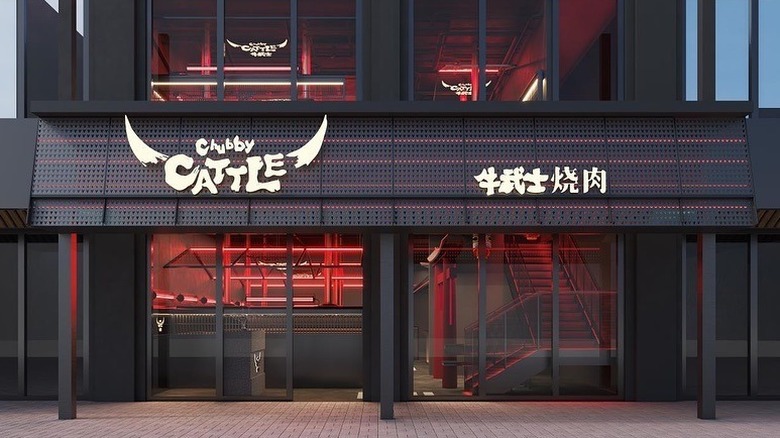
Chubby Cattle has built a reputation around indulgence, offering all-you-can-eat experiences that highlight premium ingredients like A5 wagyu. What started as a regional favorite has grown into a multi-concept empire spanning hot pot, shabu shabu, and Korean barbecue. That diversification positions the Asian food chain brand for continued expansion in 2026.
The success of Chubby Cattle lies in its ability to balance luxury with accessibility. While premium meats draw attention, the all-you-can-eat format keeps the experience approachable for groups and celebrations. Expansion into markets like Illinois and Las Vegas demonstrates that demand extends well beyond California.
Chubby Cattle's founder-led growth strategy emphasizes branding, social media presence, and operational consistency. As more diners seek experiential dining that feels worth the price, Chubby Cattle's model aligns well with consumer expectations. In 2026, its growing footprint will likely make Chubby Cattle and its other brands some of the most recognizable names in upscale Asian dining.
Bonchon
Bonchon's rise mirrors the broader popularity of Korean cuisine in the U.S., but the brand has distinguished itself through disciplined expansion and a focus on product quality. With 150 U.S. locations already operating and another on the way in San Antonio in 2026, Bonchon shows no signs of slowing down.
The chain's signature double-fried chicken sets it apart in an increasingly crowded fried chicken market. Crispy textures and bold sauces create a memorable experience that translates well across regions. Bonchon's menu also extends beyond chicken, introducing diners to other Korean flavors in an accessible and delicious format.
Strong earnings and steady franchise growth suggest Bonchon has found a sustainable rhythm. As Korean food continues gaining mainstream appeal in the U.S., Bonchon is positioned to benefit from both familiarity and novelty. In 2026, its expanding presence will make Korean fried chicken an even more common fixture in American dining culture.