

6 Changes Coming To Grocery Stores In 2026
With a new year comes new resolutions and goals. For many of us, this involves hitting the reset button on our eating habits, although some food resolutions are actually terrible for your health. As you try to keep your personal resolutions, your favorite grocery stores are preparing to launch some big changes planned for the next 12 months.
Retailers from small local spots to national chains have one thing in common: they want to please their customers so that they keep coming back. As such, many of the changes coming to the aisles in 2026 are directly related to consumer needs, predicted food trends, and expansion desires. There are too many stores and too many upcoming changes for one person to keep track of on their own, so we've pulled together a list detailing some of the most impactful and exciting developments you'll see impacting your grocery runs in the coming year.
A new look for Aldi products
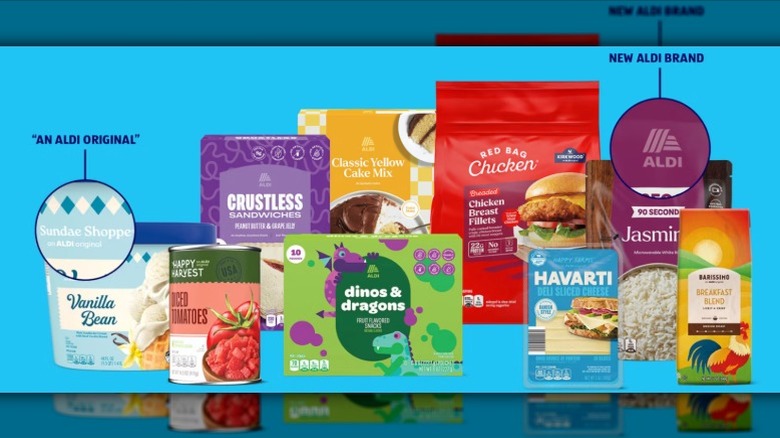
Most big-name grocery stores have in-house brands that offer cheaper versions of popular products, almost like generic medications — think Costco's Kirkland Signature brand. Aldi is one of the chains that has a number of private labels, including its Bake Shop, Barrissimo, and Clancy's lines. With so many labels, it can be a challenge for shoppers to keep up with everything Aldi sells. To combat this and make it clearer for customers, the chain started rolling out a new approach in late 2025 that will continue into 2026.
Among the changes coming to Aldi in 2026 is the company's shift toward putting its name on every single store-branded product. A corporate press release from September, 2025 states, "In direct response to customer feedback, Aldi-exclusives will now bear either the Aldi brand or a bold endorsement reading 'an Aldi Original' endorsement, giving fans a clear signal of the quality they already count on." Additionally, the chain is introducing an eponymous Aldi brand, which will replace some existing private labels. One of the more fun aspects of the changes the chain is making is renaming certain products, like its "Red Bag Chicken," as an homage to the nicknames that customers have created.
Trend alerts and tech innovation at Whole Foods
New trends are underway for 2026, and Whole Foods will continue its tradition of predicting and focusing on future fan favorites. In late 2025, Whole Foods released a list of food trend predictions for 2026, including beef tallow products, fiber-focused items, higher-quality frozen dinners, and mindful sweets (aka, candies made with real cane sugar versus the alternatives). Chief Merchandising and Marketing Officer Sonya Gafsi Oblisk said, "We're inspired by the innovation we're seeing across the food landscape and can't wait to watch these ideas come to life in our aisles and beyond" (via Whole Foods), so expect to see items in these categories popping up on shelves.
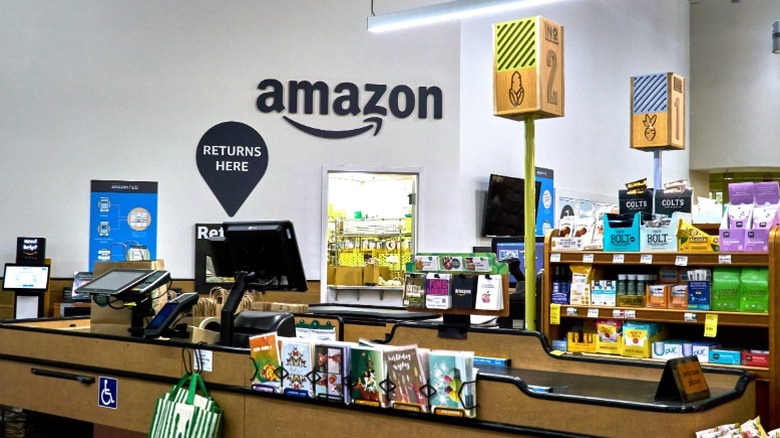
Along with cutting-edge trends, the chain is introducing new technologies brought to life by Amazon. At the end of 2025, Whole Foods opened what it calls a "concept store" in Pennsylvania, the first of its kind featuring the "store within a store concept." Here, customers can shop their regular Whole Foods products and also have access to a small-scale Amazon fulfillment center with name-brand items. All they have to do is scan a QR code, select the items they want, and robots will collect everything for them to pick up once they're done shopping. While the store is the first of its kind, Amazon said in a news release that it "plans to refine and expand this offering to additional stores over time," so maybe we'll see more crop up in 2026.
New Wegmans locations will open their doors (and some may store biometric data)
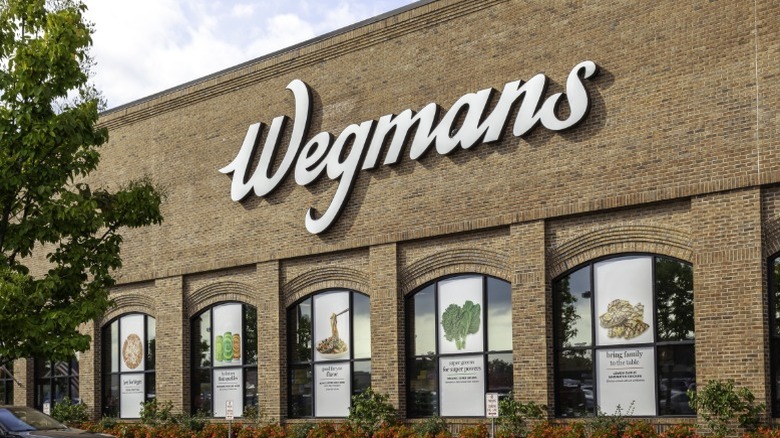
One of the more obvious changes that a thriving business can undergo is expansion. In 2026, Wegmans will be opening more stores in new locations. In late 2025, the chain announced that it officially plans to construct a new Wegmans in Charlotte, North Carolina, on what is called the Ballantyne Campus. Ballantyne is a massive piece of land that houses office buildings, eateries, food trucks, fitness clubs, hotels, and even a park — think of it like a super fancy, outdoor mall. According to a Wegmans press release, the company has "spent years looking for exactly the right location. We're thrilled to bring the Wegmans experience to this community." The store will feature all of the Wegmans classics, like a cafe and an outdoor seating area, and is slated to open in the second half of 2026.
Now, if you're planning to hit up your local Wegmans in 2026, you might want to know more about how the grocer is keeping an eye on its customers. Certain locations, specifically those in Manhattan and Brooklyn, have announced that they will start collecting and storing customers' biometric data. Wegmans piloted a similar system in 2024, yet promised not to store any data on shoppers. Locations using biometric data collection are alerting customers by posting a sign at the entrance. This shift in policy is something to be aware of on your next trip.
Kroger launched its Verified Savings Program
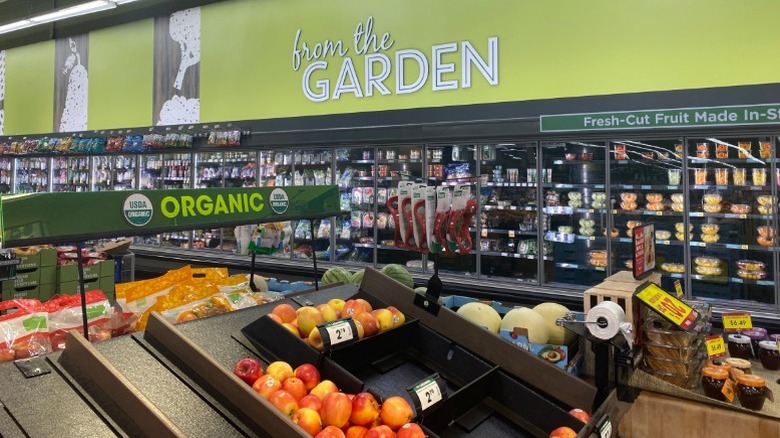
It's no secret that groceries are expensive. In the post-pandemic years, grocery prices have increased a whopping 29% — and consumers surely feel it every time they open their wallets. Coffee was 35% more expensive — the fulfillment of our prediction that coffee prices might skyrocket in 2025. Not all stores lend a hand as prices go up, but Kroger has developed a program to help customers.
Recently, Kroger's leadership team has noticed that shoppers are spending less amid inflation concerns. Interim During an earnings call, CEO Ron Sargent claimed, "Customers are managing their budgets carefully, and they're making more trips. They're making smaller trips ... we're seeing this economy where high-income premium shoppers, they continue to spend while lower-income customers are pulling back more aggressively" (via Investing.com). As a result, the chain launched discount programs for customers enrolled in government assistance programs such as SNAP, WIC, or Medicaid.
Kroger's new Verified Savings Program will offer a 20% discount on fruits and veggies. The program also grants shoppers 50% off annual and monthly Kroger memberships, which include benefits like free delivery on qualifying online orders, fuel point promotions, and even access to Disney streaming services. In a December 2025 newsletter announcing the program's release, Kroger Group's Vice President of Fresh Merchandising Carlo Baldan said, "We are thrilled to make fruits and vegetables more affordable and eliminate one more barrier to food security in our mission to end hunger."
Costco is introducing membership perks and tech upgrades
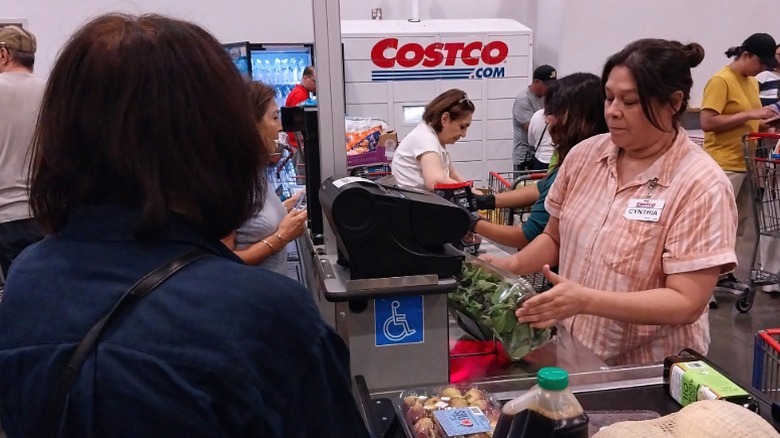
Like most member-based retailers, the money that Costco makes from its memberships is a large portion of its total revenue. In recent years, however, the chain has seen stagnating growth in membership buy-ins. With this in mind, some changes are coming to Costco memberships in 2026. First, Executive members (the highest tier, which costs $130 per year) will have exclusive access to early shopping hours. They'll also earn a 2% cashback reward cap, which will allow them to recoup up to $1,250 each year, just by shopping at Costco. To top it all off, Executive members will be gifted $10 per month to use as a credit for orders over $150.
Along with these membership changes, the stores themselves are anticipating technology upgrades. If you hate waiting in those extremely long lines that often snake through the store, some locations are going to test faster systems that could potentially reduce the time it takes to check out. One way this may work is by having employees scan items in your cart while you're still in line, so all you'll need to do when you reach the register is pay. Last, but certainly not least, the Costco app could see some improvements that aim to provide a more individualized experience for each user.
Fewer synthetic dyes and self-checkout options at Walmart
Walmart shoppers are set to see alterations to both the food and their shopping experiences in 2026. Walmart U.S. announced in October 2025 that it is planning to remove synthetic dyes and other ingredients from all of its store-brand products, which include Great Value, Marketside, Freshness Guaranteed, and bettergoods. John Furner, the president and CEO of Walmart U.S., said, "Our customers have told us that they want products made with simpler, more familiar ingredients — and we've listened. By eliminating synthetic dyes and other ingredients, we're reinforcing our promise to deliver affordable food that families can feel good about" (via Walmart). The list of removals includes 11 synthetic dyes and 30 additional ingredients like talc (one part of how bubble gum is really made).
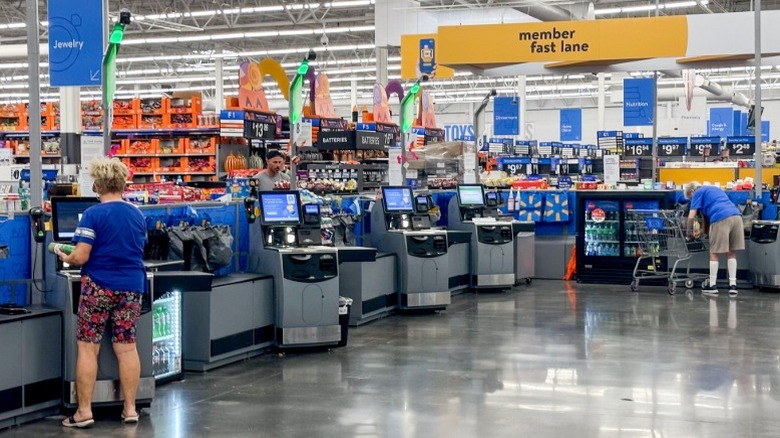
Accompanying changes to the foods themselves, Walmart is also revamping its shopping experience. One of the big differences will be fewer self-checkout lanes due to the increase in theft Walmart noticed after implementing them. While some shoppers (and robot-haters) may welcome this change, others may be annoyed by potentially lengthier waits to check out. Not all Walmarts are removing self-checkout machines, though, so you'll have to be on the lookout.
Lastly, in the spirit of the new year, Walmart will be embracing OpenAI technology in its app. The bot, called Sparky, will act as a personal shopping assistant, giving recommendations and helping find items in the store.