

'Fold In The Cheese:' What Did Catherine O'Hara Actually Mean In That Schitt's Creek Episode?
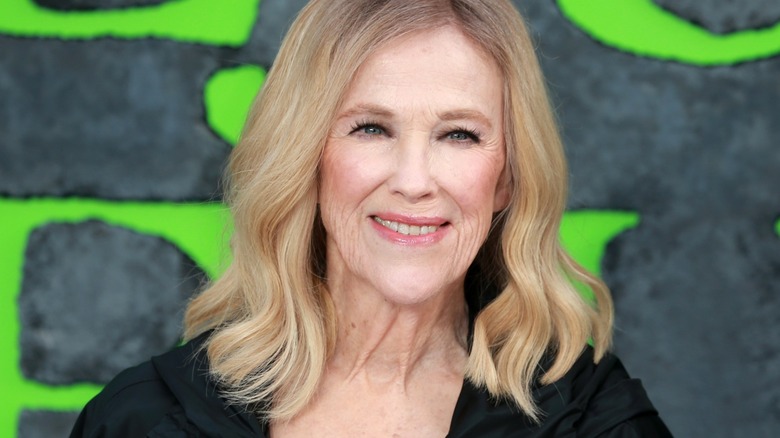
Hollywood is still reeling from the sudden death of Catherine O'Hara, who passed away on January 30, 2026, at the age of 71. The actress of "Beetlejuice" and "Home Alone" fame is more recently known for the memorable "Schitt's Creek" scene where O'Hara's character, Moira Rose, instructs her son, David (played by Dan Levy), to "fold in the cheese" while stressfully preparing a sauce for enchiladas (the recipe was featured in the "Schitt's Creek" cookbook, by the way). Like Moira and Dan, you might be thinking: What is cheese folding really about?
As opposed to simply throwing in an ingredient and giving it a good stir, folding in "means to very gently incorporate an ingredient by sweeping the spatula around the mixing bowl and then turning it lightly, as if folding the mixture in on itself," according to America's Test Kitchen. This keeps the batter from being overmixed and collapsing. It's usually suggested in recipes when you're "adding a light, airy mixture to a thicker, heavier mixture," says Taste of Home.
The technique is also key for recipes that use flour or other glutenous components. Folding ingredients into a batter or dough instead of stirring them will "prevent the overproduction of gluten," advises trained chef and baking instructor, Kristin "Baker Bettie" Hoffman on YouTube. Too much gluten in dough can result in tough, dense, or chewy baked goods.
When and how to fold in ingredients
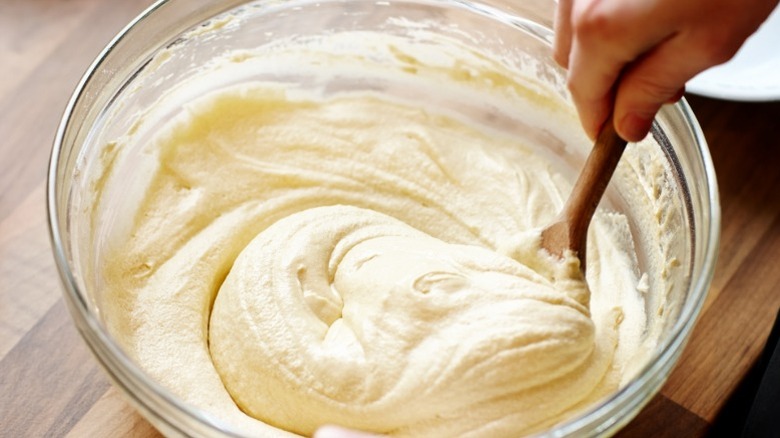
Anything that requires aeration can benefit from folding. For instance, if you're making whipped cream, meringues (or anything else made from fluffy egg whites), angel food or sponge cake, or mousse, all of which ideally have a light texture, folding the ingredients together will help you achieve the lift you need without overmixing.
Folding in is crucial in many sweet, gluten-based baking recipes, like cakes and cookies, but it's also necessary to keep from overmixing savory and stovetop recipes. Think the fluffiest mashed potatoes, cheesy sauces, or quiche — the ingredients should be delicately introduced so that they don't compromise the texture of the final product. For instance, if cheese is too vigorously added to mashed potatoes, the end result will be gummy and gluey, rather than creamy and light.
Properly folding ingredients is simple, and it can potentially make baked treats and cheese lovers' recipes even tastier. "You want to think about your spoon or your spatula as a knife, cutting down the middle of your mixture," Baker Bettie explains. "Bring it down to the bottom of the bowl and gently fold what's from the bottom of the bowl over to the top as you rotate your bowl about 90 degrees." Use an oversized bowl for painless incorporation (and lower risk of making a mess). Adding the lighter mixture to the heavy batter in batches thins the mixture, so folding in gets easier as you go.