

5 Ways To Give Salad A Mexican-Style Spin
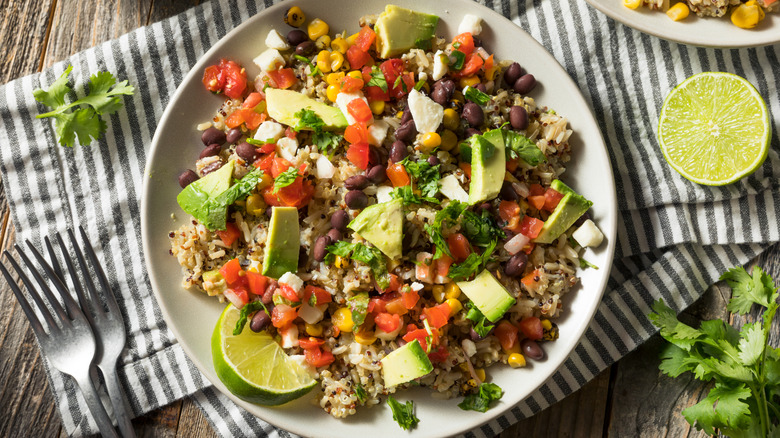
Somewhere around April or May begins the transition from warming soups and stews to salad season. Something hot and thick no longer has appeal, and a big plate of fresh greens is what feels best. But salads, without creativity and intention, can get underwhelming quickly. When lettuce has you feeling uninspired, turn to Mexican flavors for a new spin on your lunchtime salad.
It's easy to argue that Mexican cuisine is one of the most diverse and flavorful in the world. Each of the 31 states has its own key ingredients and local dishes; Baja is best known for its battered and fried fish tacos, while Oaxaca is famous for tlayudas (some might call this the original Mexican pizza) and mole.
Mexican food is not just the oversimplified burritos and tacos we see at fast casual chains in the United States. This cuisine uses 64 different types of chiles, and a wide selection of artisanal cheeses, heirloom beans, indigenous vegetables and herbs, and incredibly flavorful salsas. If you turn to Mexican gastronomy, you'll never eat a boring salad again in your life.
Use a Mexican cheese like cotija or panela
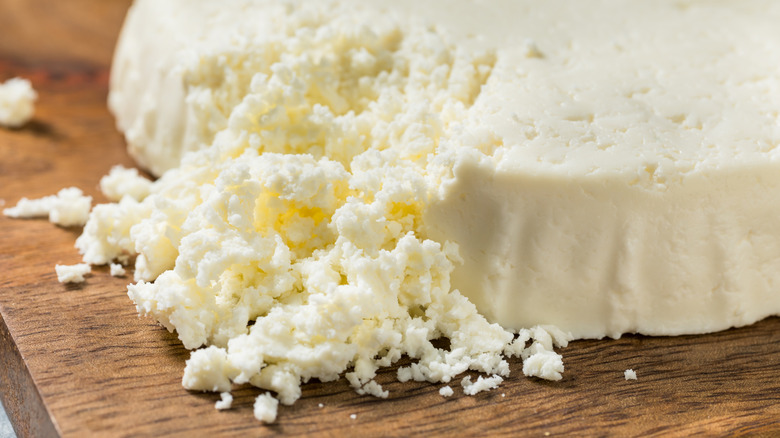
While you can certainly find bags of shredded cheese in the grocery store, that yellow and white blend is not a Mexican product. There are better (actual) Mexican cheeses, and a few that are perfect for elevating your next salad.
Take cotija: This is a fresh, white cheese made from cow's milk and most similar to feta. It's soft and salty, and you might have had it before, crumbled on top of beans. In a salad, you could use it exactly as you might use feta. It can be cut up into cubes and paired alongside cucumbers and tomatoes. The saltiness of cotija is a tasty complement to watermelon and any salad that uses beans.
Panela is also a fresh, white cheese, but slightly more firm than cotija. It kind of has the squeaky texture of haloumi, and can be grilled to give it a golden crust. This works well served in thick slices on top of a salad.
Charred vegetables
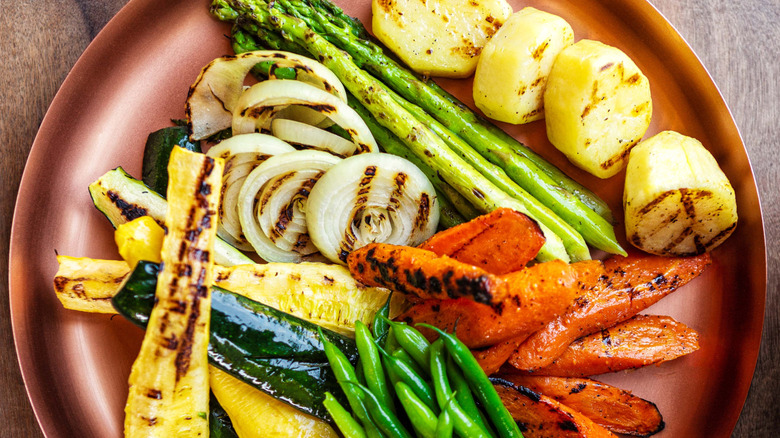
One way to add flavor to vegetables without extra seasoning is to char them. It enhances the naturally present flavors of the vegetables, whether they are sweet or earthy, and contrasts with a new smoky bite. In Mexican food, you constantly see charred vegetables; for salsa, tomatoes, onion, garlic, and tomatillos are roasted until they start to blacken. Onion and nopal (cactus paddles) are grilled on an open flame or comal before they are added to tacos or side dishes.
Bell pepper, onion, green onion, and corn are classic salad ingredients that take well to being charred. Grilled and sliced nopal would also work well in a salad, if you don't have a grill, a comal or cast-iron can help achieve the same flavor and texture. You won't, however, get the iconic grill lines.
There are a few unconventional salad ingredients that could also be grilled for a different flavor and texture experience. You might think lettuce could never, ever be the ingredient that gets set on the grill, but a thick cut of romaine is hardy enough to hold up. Consider grilling half of an avocado to bring a smoky contrast to the creaminess.
Use a lime-cilantro or smoky chipotle dressing
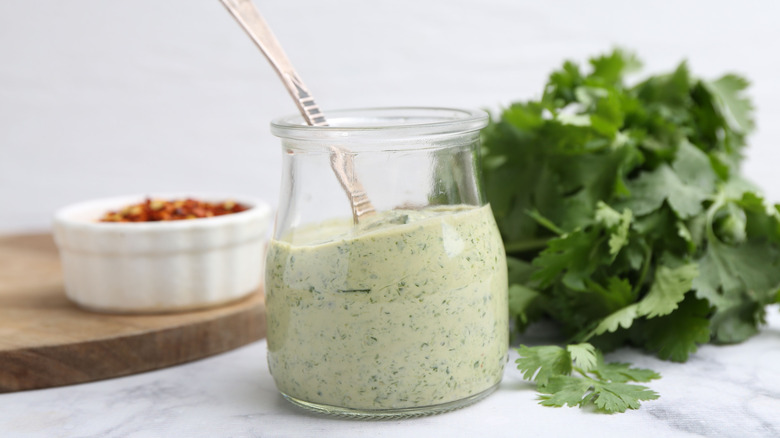
A variety of veggies and toppings provide texture and nutrition in a salad, but dressings often do the heavy lifting when it comes to punchy flavor. Take a break from the oil, vinegar, and lemon blend and pull from the myriad of Mexican ingredients for your next DIY dressing. If you are very attached to the oil and vinegar combo, you could put a Mexican spin on it by adding chopped cilantro, lime juice, and honey.
Hopefully, you're not one of the people who think cilantro tastes like soap – a cilantro lime dressing made with avocado as the creamy base is a refreshing choice that goes well with salads that feature grains, beans, spicy ingredients, or grilled meats. For a slightly spicy kick, jalapeño can be blended in.
If you like a little spice and love smoky flavors, go for a chipotle dressing. This can also be made with a creamy base, either from yogurt or mayo, or a dairy-free version with cashews. Chipotle provides a lot of rich flavor without turning up the heat too much.
Add crunchy toppings like tortilla strips, shredded cabbage, pepitas, and radish
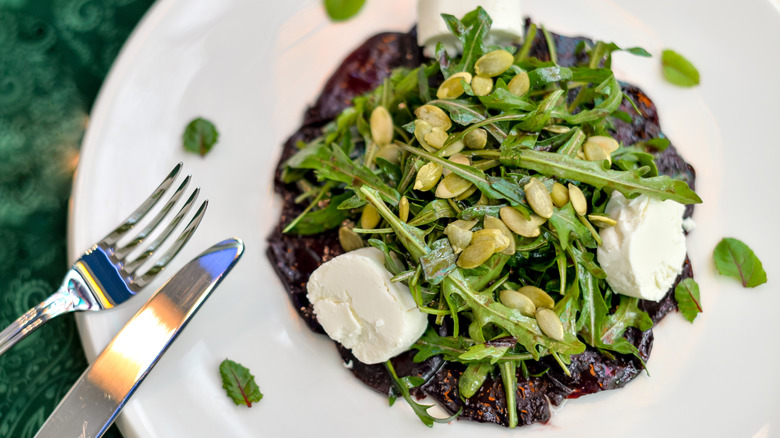
Including a diversity of textures in a salad helps makes the eating experience enjoyable, and something super crunchy is an ingredient to look forward to. This doesn't always have to be croutons! Instead, for something crujiente (crunchy, in Spanish), fried tortilla strips are the perfect crouton replacement. You can even fry up some tortillas that have gone stale.
Pozole, a Mexican soup, is served with a small plate of toppings to choose from, and sliced radish is always there. It works on both hot soup and cold salad, and brings a pungent, earthy flavor. In Baja California, the fried and battered fish tacos sometimes come topped with a slaw or a mix of fresh and thinly sliced green and purple cabbage for a refreshing crunch – an obvious choice for salad.
The Aztecs and Mayans of ancient Mexico ate pumpkin seeds, or pepitas, as a staple food. This nutrient-dense green seed is sometimes served toasted in a bowl with fried grasshoppers in cantinas. Toasted with a bit of salt (and grasshoppers if you're interested), these can bring a nutty crunch and some extra protein to your salad.
Mexican-style proteins
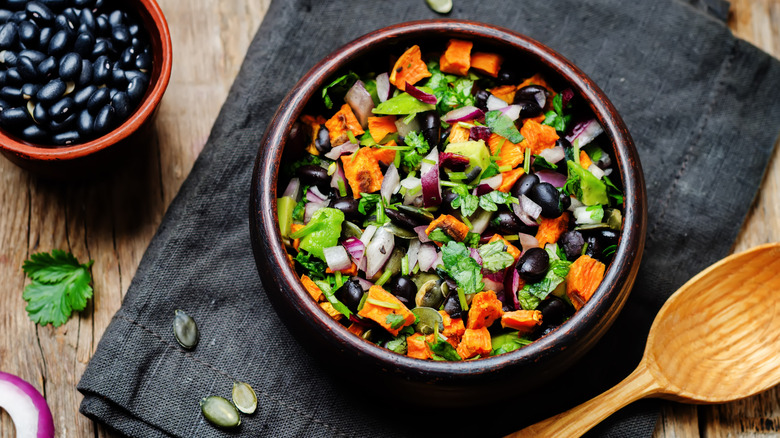
The highly seasoned and flavor-packed proteins like carnitas, al pastor, and barbacoa are arguably some of the more famous foods of the country. Instead of stuffing them into a corn tortilla, these can be laid on top of a fresh plate of greens. Some taco fillings work better than others for salads — for example, carne asada is firm and can be chopped up into cubes, but birria is slow-cooked and would be more of a mushy mess in a salad.
Let's not forget about beans for protein, either. Black beans and pinto beans are the best-known varieties eaten in the country, but there's also mayocoba or peruana beans, which are larger than pinto, light brown when cooked, and very creamy. These don't have to be added plain to a salad — they can be seasoned with Mexican-style spices like cumin, chili, onion, chipotle, and garlic. Or, mix the beans with a pico de gallo salsa before adding it on top of the salad.