

How Many Steaks Come From One Cow?
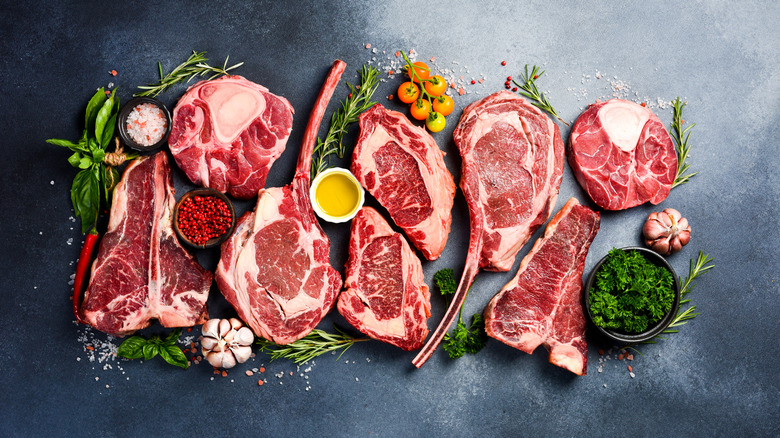
Have you ever wondered what exactly constitutes a steak? And how many steaks can come from one cow? When you walk into a steakhouse (where steaks almost always taste better), it may be obvious to you that some cuts of steak are more popular than others, and certainly vary in price per ounce. This is due to a number of reasons including customer demand, but a contributing practical factor is the number of particular steaks a single cow can provide on average. According to Dry Ager, there are almost 20 different types of steaks that can be cut from a cow. Additionally, the number of each type of steak per cow varies, with skirt, flank, and hanger steaks numbering the least at three to six cuts each, and porterhouse, sirloin, and strip steaks numbering the most, with 20 or more steaks each. But if we are just going by numbers alone, an average cow weighing 1,200 pounds can yield between 120 to 140 pieces of steak.
Do not fret about the rest of the cow, as sustainable homesteaders and industrial ranchers alike do their best to make the most out of all the parts of a cow. Broadly speaking, beef bones and blood go into the making of fertilizer, the hide or skin goes towards leather production, offal (the internal organs of the cow) goes to the pet food industry, and so on.
The factors that determine the number of steaks a cow provides
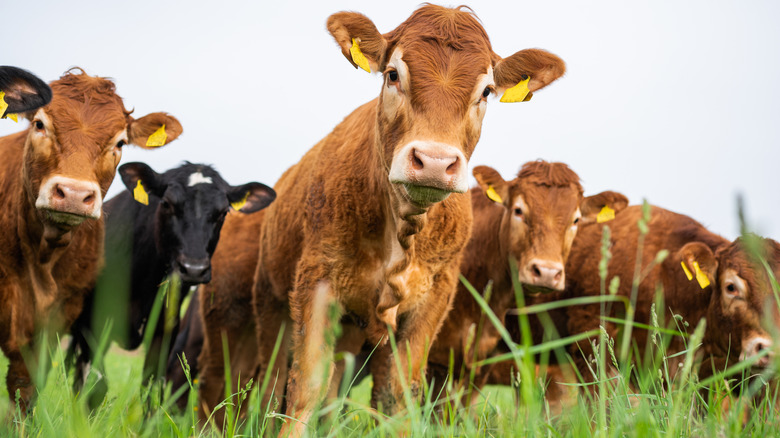
So what are the factors that go into determining the number of steaks that a cow produces? First, let us take a look at its genetics, and this includes the particular breed of the cow. Dairy cows, like Holsteins and Jerseys, produce much less beef as their main agricultural purpose is to produce milk. Therefore, beef steers like Charolais and Herefords give more steaks per cow, as they have more muscle by default. Male cows, or bulls, also tend to be more heavyset than female cows.
While nature plays a heavy role in determining the output of a cow, nurture (AKA human intervention) can also influence the number of steaks a cow can produce. A healthy diet helps ensure that the cow grows to its full potential. Age upon slaughter is a factor as well. For example, if the cow is too young upon slaughter, it would not have developed enough muscle and fat for suitable beef production. But if it is too old instead, the meat may be too tough and not fetch as good a price. Another factor that may not be obvious is how thinly the steaks are process. The average thickness of a juicy steak is about one inch, though some folks may prefer to cut their steaks thinner to get more steak out of a single cow. After all, there are weird ways that people around the world cook steak!