

4 Ways Beginners Can Easily Identify Quality Tequila
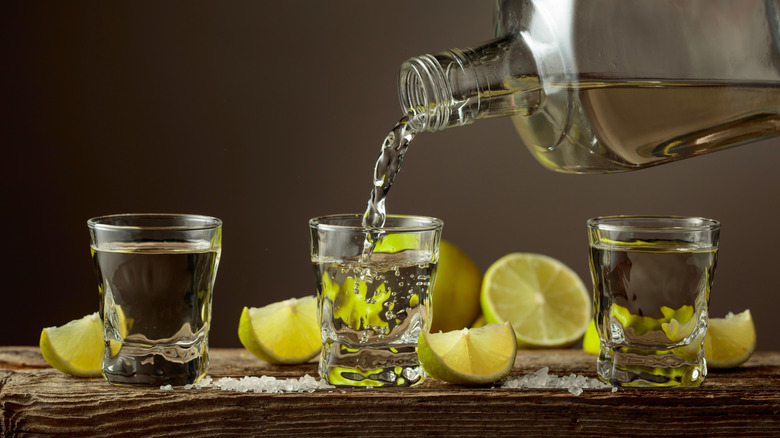
Few spirits have had as drastic a makeover as tequila, which went from the messy fringes of hangover-inducing shots and syrupy margaritas to a high-end sipping spirit. In the last few decades, the Mexican-native agave plant-based spirit has become incredibly popular, and for good reason. Its centuries-old history translates to nuance and complexity in a glass. If you're looking to arm yourself with basic tequila knowledge, like how it's made and its numerous varieties, you may find that identifying quality tequila can be daunting, given the thousands of brands available. However, a few simple checks can help narrow down the pool from which to choose.
For starters, look for the 100% agave label. Then, check the bottle's Norma Oficial Mexicana (NOM) code to identify its distillery of origin, and ensure it was made using traditional methods. There has also been a lot of hype around celebrity-endorsed tequila in recent years, but it's best to take all of that with a rather large pinch of salt (and a lime wedge).
Since tequila has a distinctive flavor profile, what's considered "best" to a veteran tequila enthusiast may not be one a beginner equally enjoys. Different tequila types — blanco, joven, reposado, and añejo — have distinct flavor profiles, and choosing the best one comes down to preferences and how you drink it. Still, a good baseline to establish is avoiding low-quality variants in which additives and mass production dilute the true nature of this deliciously layered spirit.
Look for '100% agave' on the label
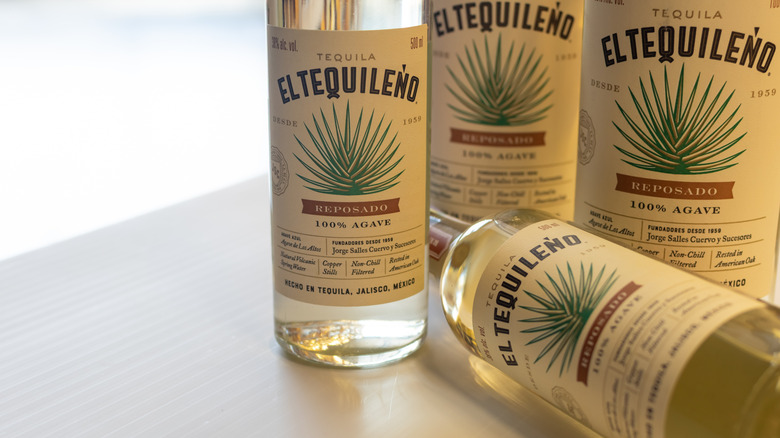
Authentic tequila is made from a specific variety of the succulent plant commonly called blue agave. A bottle with "100% agave" printed on its label indicates that all the fermented sugar used in making the spirit originated from the plant. If the bottle doesn't say 100% agave, it is most likely mixto tequila, which is only required to be 51% agave and can source the remaining sugar from sources like corn, beets, and sugarcane. While mixto tequila gets a bit of a bad rap, it is simply a different kind of spirit and was originally conceived to be used in mixed drinks. If you're looking to taste those agave notes, you're unlikely to find them in a mixto. Tequilas labeled "gold" or "joven" are often mixto varieties.
Regulations allow even 100% agave tequilas to contain additives up to 1% of the spirit's weight. While this may not sound like much, these additives can be highly concentrated and significantly modify flavor, aroma, and color. Most often, they are used to add sweeter tasting notes or an amber tint to the spirit. Unfortunately, tracking additives in tequila is still an unpredictable process, and even choosing a bottle with an "additive-free" label doesn't guarantee a high-quality tequila.
Check the NOM (Norma Oficial Mexicana) code to identify the distillery
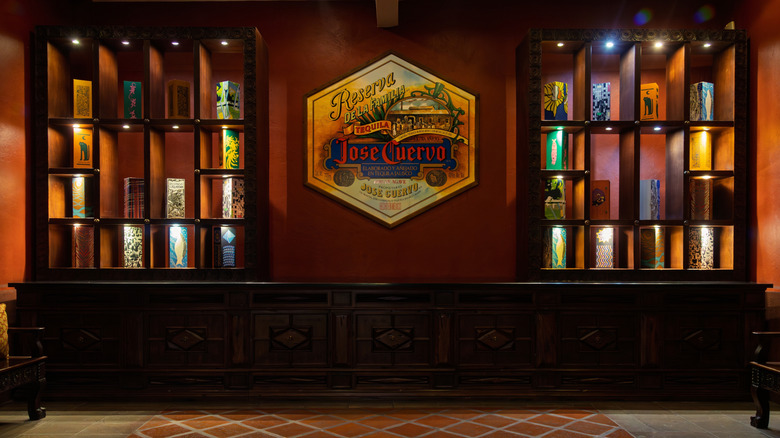
Mexico is the only place where authentic tequila can be manufactured. Every registered tequila distillery in the country has a Norma Oficial Mexicana, or NOM code. This 4-digit identifying number is printed on all tequila bottles to trace the distillery of origin. Learning whether a distillery produces small or large batches of spirit offers insight into how good its tequila potentially is. Often (but not always), distilleries that produce large quantities of tequila use industrial production methods, while small-batch tequila manufacturers tend to be more discerning about the raw materials and process of making the spirit.
There are just over 130 registered tequila distilleries, which, combined, churn out over 2,000 tequila brands. Thus, certain distilleries make dozens of tequila brands, and the bottles of each — different as they may appear — all sport the same NOM code. When tracking a distillery online, you will also be shown how many brands it manufactures, which helps estimate whether the distillery is producing large or small quantities.
Unfortunately, even armed with the tracking code, you still don't have a complete picture. The code doesn't account for changes in the process or raw materials used in the manufacture. Different brands can use methods of production specific to them, resulting in qualitative differences despite being manufactured in the same distillery. Sticking to NOM codes associated with reputable distilleries, however, can help narrow down your choices.
Verify the tequila's method of production
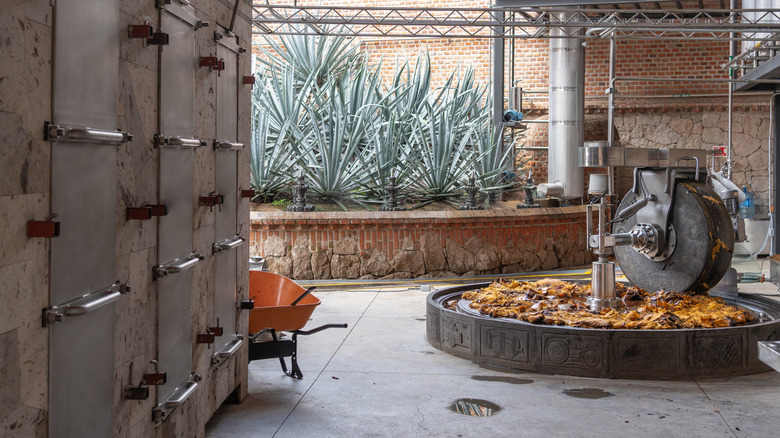
The heart of the issue when ascertaining quality lies in how a tequila is made. Slower, traditional methods preserve more of the agave's character and build depth naturally. Old-fashioned ovens cook the plant, after which it is ground by a stone wheel, fermented, and distilled in copper stills (much like single malt whiskey). Modern methods, meanwhile, involve pressurized containers to cook the agave faster and stainless steel stills for distillation. The industrial method speeds up the process even further with large-scale diffusers and column stills, but loses the subtleties of the plant's flavors and aromas. Due to its higher efficiency, industrial tequila-distillation may also use immature or lower-quality agave, which hasn't developed enough flavor to impart to the spirit.
If you're unable to get information on how a tequila is manufactured from the bottle's label or NOM code, search for the brand on Agave Matchmaker (formerly Tequila Matchmaker). This online resource (which also has an app) offers information on thousands of tequila brands, including insight into how they are manufactured. Most expressions also have a set of scores assigned by a tequila panel and by the community of tequila enthusiasts on the platform. A score above 85 is generally considered good, though it's best to look into other factors as well, such as flavor profile, when picking a tequila for yourself.
Be wary of celebrity tequilas and pricey bottles
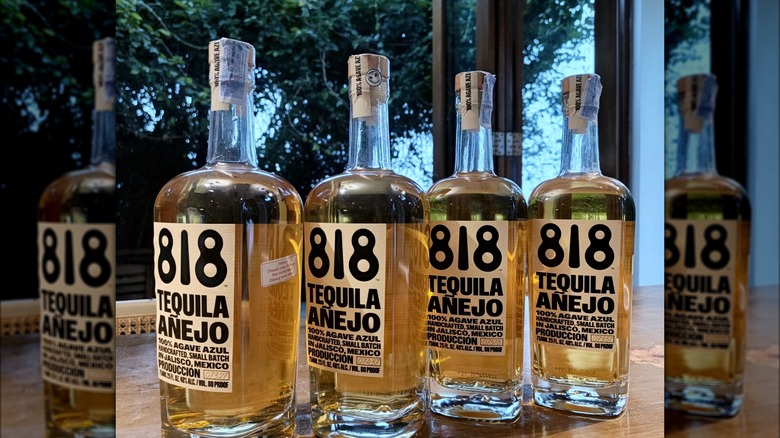
One common mistake people make with tequila is gravitating toward whichever brand markets the loudest. In the wake of the boom the spirit experienced, multiple celebrity-endorsed tequilas flowed into the market in quick succession. Many of these brands are more focused on making money in the swiftly growing tequila market and miss out on the intricacies of a spirit that has been around for centuries. While not all celebrity-backed tequilas are bad, a brand shouldn't be considered high-quality just because Kendall Jenner's name is attached to it ... or George Clooney's, or LeBron James'.
A steep sticker price shouldn't be the deciding factor either. Sure, an aged or extra-añejo tequila will be more expensive because it's a higher-caliber spirit that's costlier to make. Organic tequilas also tend to retail higher since they are distilled from chemical-free and pesticide-free plants, which require more time and effort to grow. This doesn't mean all organic tequilas are superior. Highly rated tequilas, like Tapatío Tequila Blanco, which holds an Agave Matchmaker panel score of 87, are available for under $50.
For a quick visual cue to help choose a quality tequila, look for a bottle with a cork, as this usually signals a more artisanal spirit. While this isn't a foolproof method, there are several corked, high-end options for under $100, including Fortaleza Blanco and Laelia Añejo.