

The 3 Best Mexican Cheeses You Should Be Using For Grilled Cheese Sandwiches

We may receive a commission on purchases made from links.
Grilled cheese is one of the greatest comfort foods on the planet. It's enjoyed around the world for its melty inside, crispy outside, and rich, buttery taste. Perhaps best of all, it's not difficult to make an amazing grilled cheese. At its core, the sandwich is just bread, cheese, and a fat like butter or oil to grill it in — though there are ways to level it up. One of those ways is your choice of cheese. The melting cheeses of Mexico, such as queso asadero, queso Chihuahua, and queso Oaxaca, make excellent grilled cheese additions.
Mexico has a long tradition of dishes featuring melted cheese, such as enchiladas, quesadillas, and queso fundido. For a restaurant-worthy grilled cheese, some chefs swear by combinations of different cheeses, but when you know what to look for in a great cheese, you can get creative on your own. Ideal choices for a gooey, scrumptious sandwich are those that are mild and melt easily. Cheddar or American are commonly used for this reason, but soft, cow's milk Mexican cheeses can also work beautifully. Here's how you can incorporate them to achieve maximum melt and craveable flavor.
Queso asadero is mild yet tangy
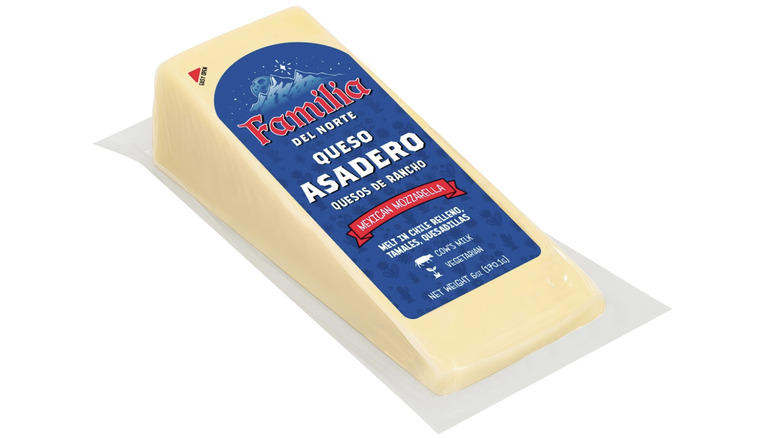
Queso asadero hails from the northwestern Mexican state of Sinaloa, though it also has historical ties to Chihuahua and Texas. It's semi-soft and generally considered a cooking cheese (so it's not typically one you'd find on a cheese board, for example). Typically, this cheese is melted for dishes like nachos and chiles rellenos, so it's a natural choice for grilled cheese.
Asadero's mild, buttery flavor plays well with others. It has a hint of acidity, which gives it a slight tang, so even if it's the only filling in your grilled cheese, the sandwich will still be complex and enjoyable. Its melting abilities and texture are comparable to mozzarella or Monterey Jack. Asadero retains a bit of its chewiness even as it melts, producing a luxuriously creamy grilled cheese filling that won't leak out on the sides.
Vegetarians take note: Like certain types of Parmesan, queso asadero contains rennet, an enzyme procured from the stomachs of young cows, sheep, or goats, which curdles milk during cheesemaking. That said, not all queso asadero has traditionally incorporated animal rennet. In the late 19th century, trompillo, a berry native to the Sonoran desert, was used as a plant-based rennet in queso asadero production. Some queso asadero varieties on the market today use vegetarian rennet. If this is of concern, be sure to check the label of the queso you're buying.
Queso Chihuahua is a creamy, aged cheese
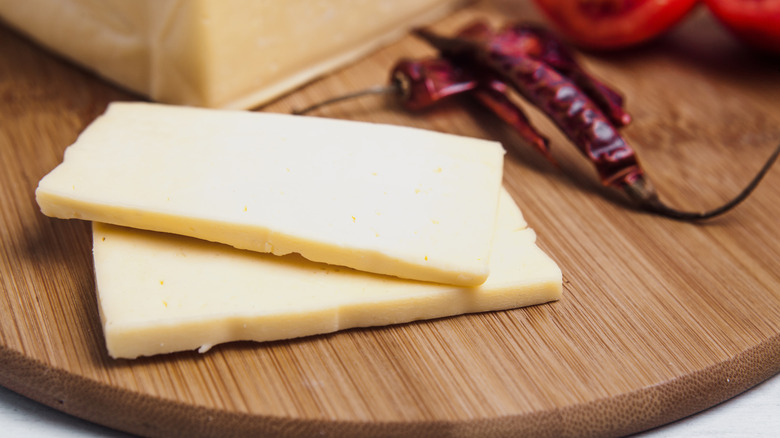
Around the 1920s, a group of Mennonites of German, Russian, and Swiss descent moved from Canada to the Mexican state of Chihuahua, where they established agricultural communities. Many of these Mennonite farmers grow fruit and raise livestock, but they've also developed a unique type of cheese known as queso Chihuahua or queso menonita, using the Spanish word for Mennonite. Though shredded queso Chihuahua can be found in American grocery stores, the traditional cheese is still made on small Mennonite farms in northern Mexico.
The taste and texture of queso Chihuahua bear similarities to queso asadero. It's a semi-soft melting cheese that is mild and creamy. In traditional Mennonite cheesemaking, the specific flavor of the finished cheese depends on the vegetation that the cows graze on. Also like queso asadero, this one is often made with rennet.
Queso Chihuahua is typically aged. The flavor of the cheese, therefore, will also vary based on how long it's aged, ranging from a very mild taste like Monterey Jack to a sharper edge like aged cheddar. Generally, queso Chihuahua isn't aged for more than a few weeks, while cheddar can be aged for years. Choosing a longer-aged queso Chihuahua for grilled cheese will result in a sandwich that has an irresistibly smooth, melty center and a slightly sharper bite.
Queso Oaxaca stays firm and creates the perfect cheese pull
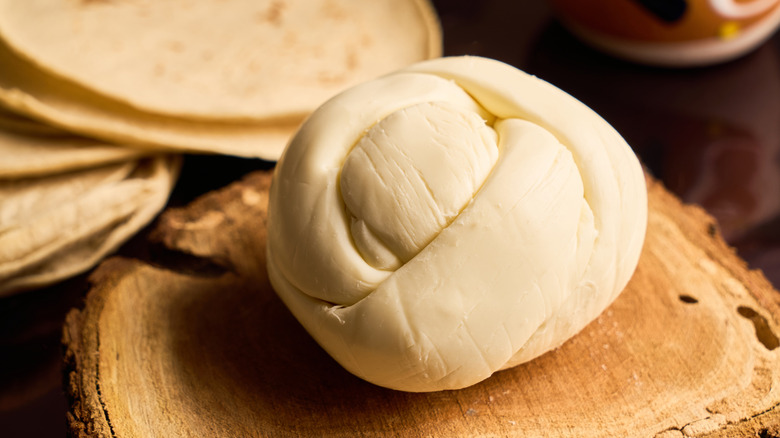
Hoping for an Instagram-perfect cheese pull from your grilled cheese? Look to the Mexican state of Oaxaca, where an eponymous cheese has become a standard for melting over beans and soups, or stuffing into a burrito. Oaxaca cheese stays stringy when melted because it's created by pulling cheese curds into long strings, then wrapping them into a ball.
The process of making queso Oaxaca is somewhat similar to making fresh mozzarella (which also retains its firmness when melted). A local legend says an Italian cheesemaker brought mozzarella-making techniques to Oaxaca in the 1950s, thereby creating Oaxaca cheese (Oaxacan elders refute this). Another legend claims Oaxaca cheese was created accidentally in the late 1800s, when a girl let milk coagulate past the point needed for cheesemaking, then attempted to salvage it with hot water. Based on historical records, the labor-intensive process traces back to Spanish colonizers who settled Oaxaca in the late 16th century and introduced cattle to North America.
Queso Oaxaca is a fresh cheese made from cow's milk. It tends to be on the salty side, but not overly so, and that salinity will impart a stronger flavor to your grilled cheese. In many Mexican dishes, salty and milky Oaxaca cheese acts as a counterpoint to a spicy ingredient. If you make a grilled cheese with queso Oaxaca, consider pairing it with a sharper cheese or a zesty condiment, like harissa or hot pepper jelly.