

How To Save A Dish With Too Much Soy Sauce
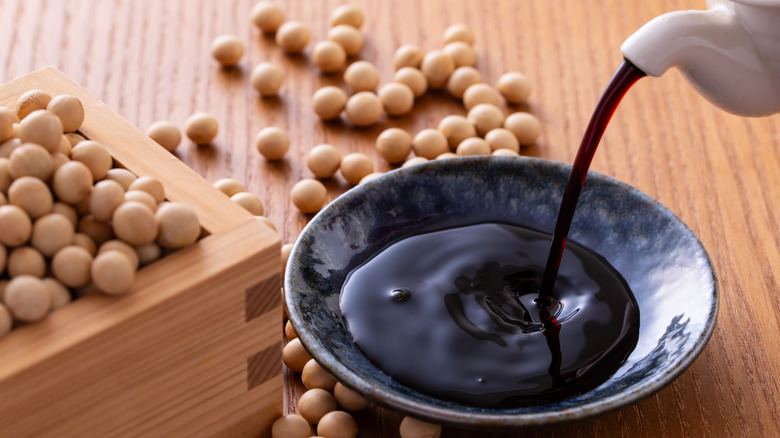
Over-seasoning a dish happens to almost every cook, whether from a slip of the wrist, a rare error in a published recipe, or even taking personal taste a little too far. Fixing an underseasoned dish is pretty easy — simply add more — but what happens if the problem is too much seasoning? And what if that seasoning is soy sauce?
Soy sauce ideally adds an umami kick to whatever you are cooking or eating, and can be used for many types of cuisines , not just Asian food. Many popular soy sauce brands have their individual tweaks that make it taste sweeter or saltier, or have different consistencies. While umami is categorically different from saltiness, many tips for correcting oversalting and overseasoning in general are applicable for fixing dishes that have too much soy sauce.
Add potatoes to soak up the extra flavors
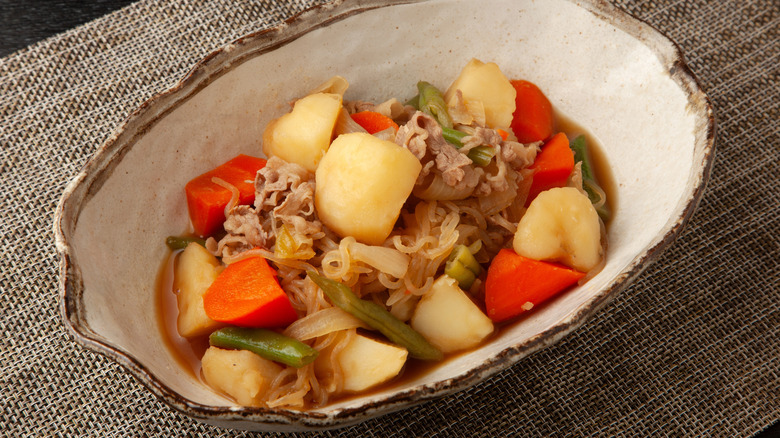
Potatoes are quite the flavor sponges, and will soak up the seasonings of just about anything. To that end, add cut or sliced potatoes to your cooking to take on some of the strong, over-umami flavors of your dish. Adding potatoes works especially well if you are making a soup, stew, or any kind of braise. Leave them cooking in the liquid for about 20 minutes to soak up any strong flavors, then remove the potatoes and adjust the seasoning of your dish again. While you could discard these flavor-soaked potatoes, consider keeping them to later turn into a quick snack of leftover mashed potatoes, or leaving them in the dish as an economical way to stretch your meal.
Potatoes can work especially well in dishes that are already strongly flavored to begin with, like South Asian curries and Southeast Asian stews. Many of these recipes already have potatoes in the ingredients list. But for the times you are preparing an unfamiliar or new recipe of a meaty braise, having some potatoes on hand as backup can help alleviate any fears you may have of overseasoning.
Add different seasonings to balance the umami

In intensely flavored cuisines, like those in Southeast Asia, for example, many of the dishes rely on a brave calibration of various seasonings. Take a cue from them when balancing the flavors of your own dish. Depending on what you're making, your main starting points for flavors to add are sweetness, acidity, and creaminess.
Sugar can also counteract umami and saltiness. Try plain white sugar, or other sweeteners like honey or palm sugar. Acidity in the form of lime juice or lemon juice can help neutralize strong umami flavors and make the dish brighter overall. Coconut milk and other creamy condiments and sauces can soften the umami of too much soy sauce while also adding richness and better balancing the flavors relative to each other. Remember to be judicious and keep tasting as you go to avoid being stuck in a loop of adding more and more different seasonings in an effort to save it!
Increase all other ingredients or dilute with neutral liquids
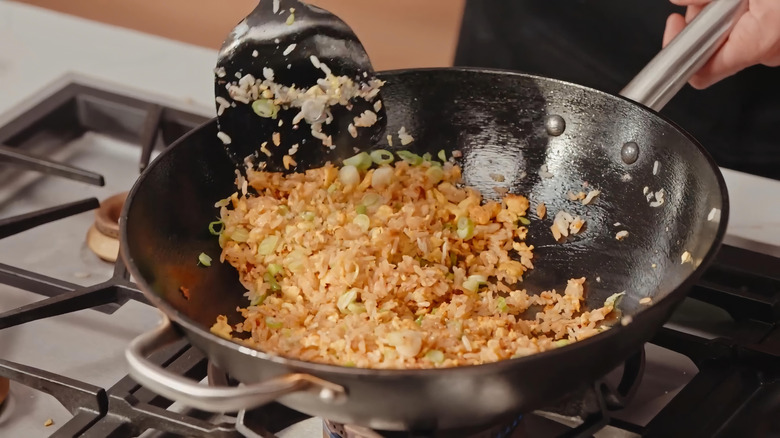
What if you accidentally add such an unfortunately large amount of soy sauce that neither potatoes nor other seasonings will fix? Instead of throwing it all in the trash, add more of the other ingredients in the recipe. This stretches the excess soy sauce so that it seasons the additional ingredients as well.
Take fried rice, for instance. If you have poured in too much soy sauce, you can add more rice to dilute the umami. This also applies to fried noodle dishes. Making a vegetable stir-fry? Add more of the vegetables, or use this opportunity to clear out any wilting produce in your fridge. Just remember that some vegetables belong in a stir-fry while some do not, so choose appropriately for the best flavor combinations. If your dish has a liquid base, try thinning it out by adding more unseasoned liquid like unsalted stock or plain water. With all of these tips, remember to stir well after adding the extra ingredients, then reseason — carefully — as necessary.