

Why Pinot Noir Wine Often Costs More Than Other Bottles
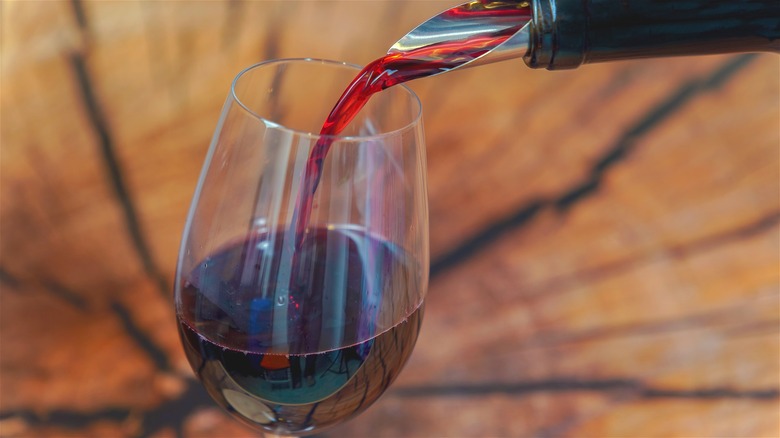
If you've ever compared different types of red wine at the store, you may have noticed that Pinot Noir stands out for a reason outside of tasting notes. More often than not, it's more expensive than the other reds, with many excellent ones demanding a hefty sum. The reason for this difference goes back to the grapes.
Pinot Noir is a temperamental fruit with a complex flavor profile to match, and growing it is a challenge unto itself. In fact, it's known as the "heartbreak grape" in growers' circles because all the work put into cultivating it and turning it into wine can fall apart at any given moment. Due to the delicate process and high risk of losses involved in making Pinot Noir wines, bottles are priced accordingly — if they're made using sustainable practices, expect the price to be even higher.
It should come as no surprise, then, that many of the world's most expensive wines use the grape. Pinot Noir is also one of only eight grapes approved for the production of Champagne and is among the three main varieties used for it, alongside Chardonnay and Pinot Meunier. That said, it isn't always going to be impossibly expensive to get a good bottle; a number of sommelier-approved wines under $50 are Pinot Noirs.
What makes Pinot Noir such a pricey grape to grow?
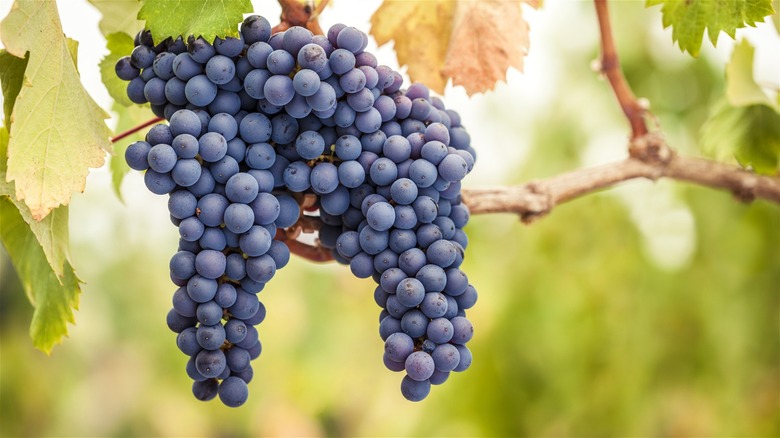
Simply put, Pinot Noir doesn't seem to care about its own health. The grape is thin-skinned and tends to grow in tight clusters, a combination that makes the plant more susceptible to disease and easy pickings for pests. As if that wasn't enough, the grape is also remarkably vulnerable to weather and temperature changes, and a few bad days can set growers back significantly. Pinot Noir vineyards also tend to have low yields and bear smaller fruit, so supply is at a premium in comparison to other grape varieties.
The problems don't stop during the growing stage, either. The grapes are so delicate that they're usually picked by hand during cooler parts of the day, which adds to the manpower costs of producing this wine. The wine is also notoriously vulnerable to oxidation, which can ruin flavor notes so nuanced and subtle that any mishandling or timing issues during aging completely transform the overall profile.
Why put up with the headache that is Pinot Noir? It's an exceptionally good grape, and the wines created from it boast sophisticated, fruity flavors while also being easy to drink. It's hard not to fall in love with Pinot Noir once you've had a good glass. If the price tag is too much of a hurdle, however, Gamay wine is a more affordable yet similar alternative, and it's made with decidedly less troublesome grapes. Gamay also happens to be an excellent pairing with patty melts, so casual drinking is recommended.