

What Happens To The Mountains Of Leftover Food At Disney Parks?
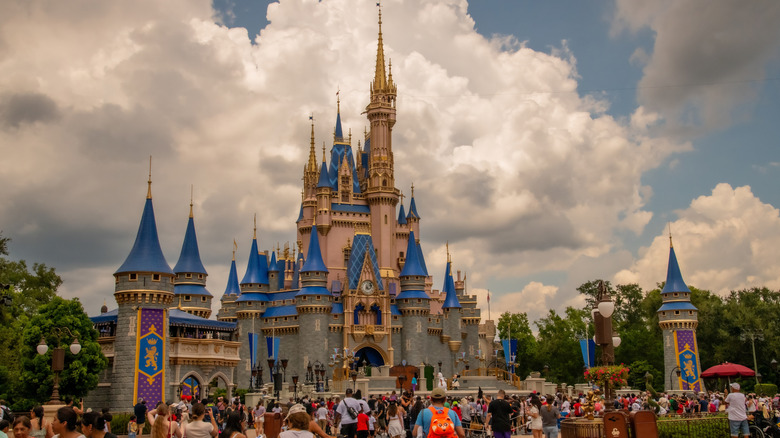
Rides, shows, fireworks, and the opportunity to meet a princess are the main attractions at Disney parks — but don't forget about the food. From the iconic Dole Whip to giant turkey legs, dining at the park is enough of a pull for some foodies to make a visit. Yet what happens to the mountains of leftover food served at Disneyland or other Disney parks? After guests head home for the night, uneaten food doesn't get scraped into a trash bag but is rather donated or upcycled.
In Florida's Disney World, prepared food that wasn't served but is still edible is collected through the Disney Harvest program, rather than heading straight to a landfill. This program has been operating since 1991, donating excess meals through Second Harvest Food Bank of Central Florida and helping to feed local communities in need. In 2025, Disneyland implemented a new program designed to cut down on food waste through targeted waste-sorting systems.
Food waste not safely donated is sent to a commercial composting facility separate from the parks. This category includes kitchen scraps and leftover guest meals that can be turned into nutrient-rich soil instead of being buried in a landfill. There are also organic waste containers throughout the parks so guests can throw food scraps away to be used as animal feed or compost. Another part of the food waste strategy plan is to forecast how much is eaten in a day to reduce the amount of food wasted in the first place.
Why Disney's food waste strategy matters
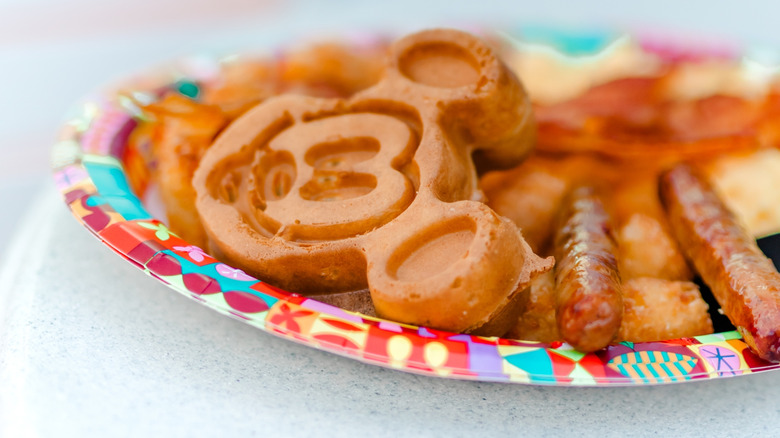
Food waste matters everywhere — including your own kitchen — but it becomes a much bigger issue at Disney's scale, including six resort destinations around the world, with 12 theme parks. Across all-you-can-eat buffets in Disney World, restaurants, snack stands, dining experiences, and quick-service counters, even small amounts of leftovers and food scraps can add up quickly. Disney reported its Disney Harvest program donated 220,000 pounds of excess prepared food from kitchens and composted 30 million pounds of food in 2022.
When food is thrown away and sent to a landfill, it also wastes the water, land, labor, energy, packaging, refrigeration, and transportation that went into producing it. Decaying food can also contribute to greenhouse emissions as it breaks down. According to the United Nations, 17% of all food produced globally is wasted, contributing to 8% to 10% of greenhouse gases.
Disney has set aggressive food waste goals for its future by participating in the EPA's U.S. Food Loss and Waste 2030 Champions group. This commitment means the company plans to cut its food waste in half by 2030, doubling down on its current practices of reducing excess preparation, donating good meals, and upcycling scraps and other organic waste. AI-powered Leanpath is also being piloted in park kitchens to reduce and track food waste more efficiently.