

5 Tips For Buying The Best Grocery Store Brisket
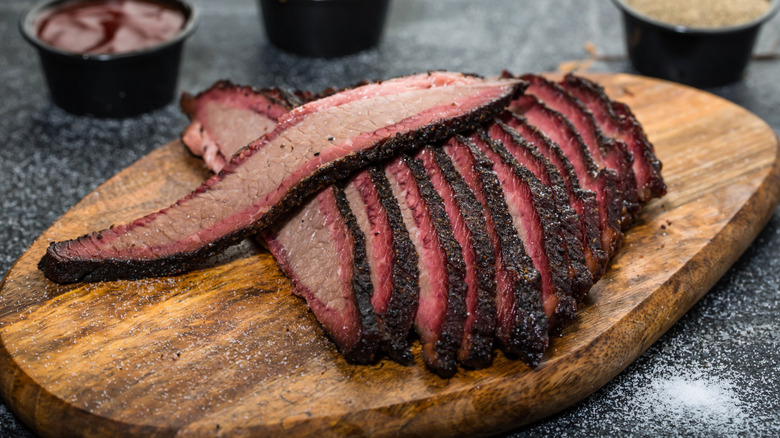
Brisket can be an intimidating cut of meat for new cooks or barbecuers. It's big, tough, and often costs a nice chunk of change. Although there are many mistakes people make when cooking brisket that are forgivable for newbies in the heat of the moment, it's vital to make good decisions at the very start to get your meal off on the right foot. To find out more about what to look for when shopping for a brisket at the grocery store, we sought advice from recipe developer and culinary coach Chris DeLisle, author of the upcoming book "Eat Your Meat, Love Your Life." DeLisle provided five easy-to-remember tips to ensure you come home with the best possible brisket from your supermarket's selection.
Before you turn up your nose at the idea of a grocery store brisket (rather than one from a dedicated butcher), DeLisle suggested keeping an open mind. "Rather than focusing on a specific retailer, I encourage people to evaluate the individual brisket in front of them. I've found excellent briskets at warehouse clubs, local grocery stores, regional chains, and even smaller neighborhood markets," he noted.
Brisket shopping is also not as simple as looking for a particular brand. According to DeLisle, "Even two briskets from the same brand and grade can cook very differently depending on their individual marbling, shape, flexibility, and overall quality." Instead, put these five steps into action before making your purchase.
Take a close look at the packaging
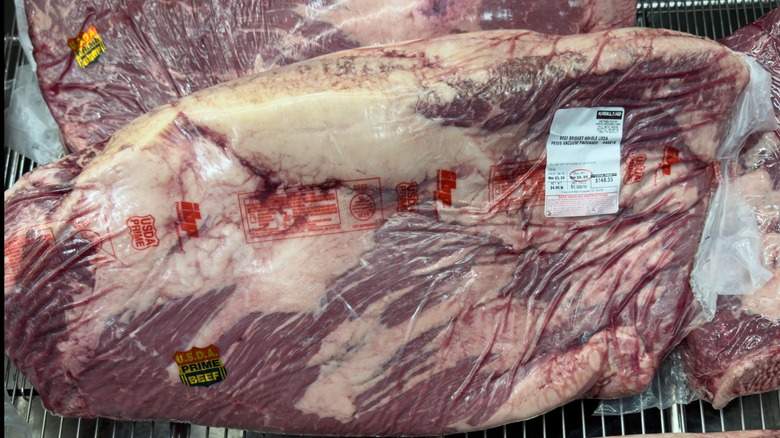
The first step in assessing grocery store briskets is to analyze the packaging. Start by skipping any damaged or torn packages, then locate the USDA grade of beef. Commercially produced beef is divided into three categories: Prime, Choice, and Select. These designations are based on inspections by federal food regulators, and the primary difference between the three is the amount of marbling, or intramuscular fat, a piece of meat includes.
Chris DeLisle prefers Prime brisket when possible. "If your budget allows, USDA Prime is usually worth the extra money because of its superior marbling," he told us. Choice also works when necessary for cost or availability reasons, "especially if you take the time to pick one with excellent marbling," DeLisle pointed out. The author is less enthusiastic about leaner Select brisket, which he said "leaves far less room for error during a long cook."
Something else to take into account is the amount of "purge" trapped in the brisket packaging. This is the term for moisture that has seeped out of the meat after packaging. Small amounts are normal, but large quantities suggest poor handling or older beef, according to DeLisle. "This can significantly and negatively affect taste, texture, and the juiciness of the end result."
Consider the size carefully
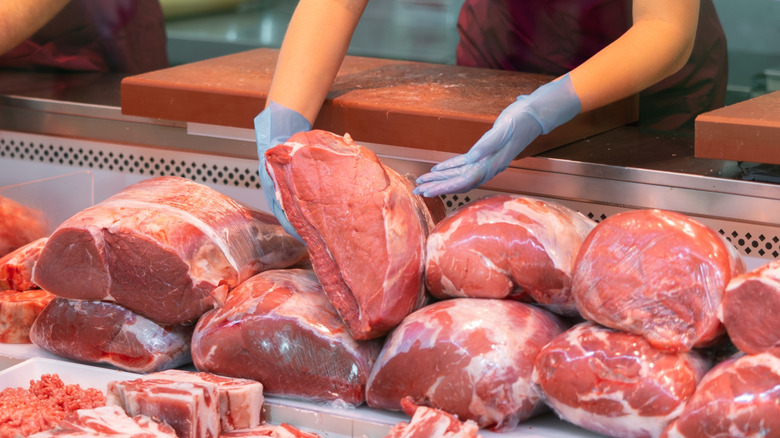
Don't be fooled by thinking bigger is always better when it comes to brisket. Chris DeLisle suggested focusing on two factors when determining the proper size: the number of people you're serving and the capacity of your smoker or other cooking space. A too-large cut of brisket presents drawbacks, like the extra work of trimming and the potential for wasted meat and money, but that's not all. As DeLisle explained, "You'll also get much better results with a brisket that's appropriately sized for your cooking space than you will trying to stuff a giant brisket into a smaller area only to have it cook unevenly due to the lack of space."
A typical whole brisket usually sits in the 12 to 14-pound range, though the weight of a cut can fluctuate from under 10 pounds to 20 or more. Based on the general rule of thumb that suggests allotting between ½ a pound and 1 pound of uncooked brisket per person (the meat shrinks by about half during cooking), the average brisket will feed at least 12 people. Scale this as necessary to supply an adequate portion of meat for the occasion, from a weeknight family brisket dinner to a bustling summer cookout.
Choose an evenly-shaped piece of meat
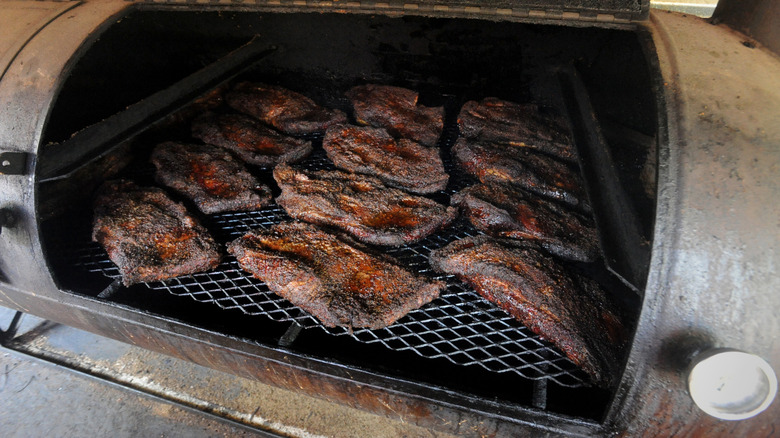
Due to the long, slow cooking style used for brisket, its shape is nearly as important as its size. Whole briskets are composed of two main parts known as the point and the flat. The leaner flat tends to be rectangular, while the fattier point is more irregular in shape.
Culinary coach Chris DeLisle recommended brisket cuts that are relatively even in thickness throughout, particularly through the entire flat. "Extremely thin flats tend to dry out long before the thicker point finishes cooking," he warned. He identified extremely thin flats (where "the flat tapers down to almost nothing") as one of his top red flags when shopping for grocery store brisket.
"A more evenly shaped brisket generally also cooks more evenly and is much more forgiving for home cooks," DeLisle advised. For those new to the world of smoking or slow cooking, putting every helpful bit of knowledge to good use can lead to mouthwatering results.
Check the fat marbling, not just the fat cap
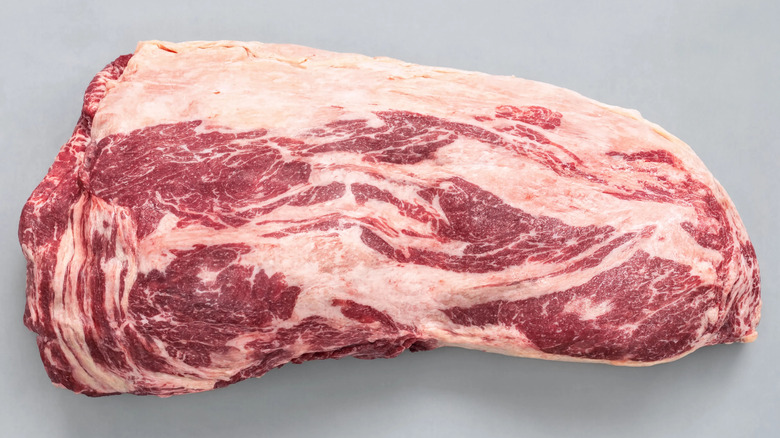
After you've examined the labeling, size, and shape of the offerings in your supermarket brisket section, it's time to assess the fat. When you buy brisket, you pay by weight, so Chris DeLisle advised buyers to avoid overly large fat caps, as any excess that's trimmed off is essentially wasted money.
Although the exterior fat cap may be prominent, it's not the fat to focus on for flavorful, tender brisket. "The real magic is inside the meat," reminded DeLisle. "A giant fat cap can always be trimmed away; poor marbling can't be fixed. Look for fat that appears to be evenly feathered through the meat fibers on the underside of the brisket wherever possible." This marbling factor connects to the beef's USDA grade, with higher-grade Prime and Choice providing more fat than Select.
There's more to factor in than just the amount of fat, too. DeLisle implored home cooks to use care when working with brisket that has hard, waxy, or yellowing exterior fat — which can be signs of an older cow. "While that's not automatically a bad thing, younger beef generally produces a more tender brisket," he said.
Look for flexibility
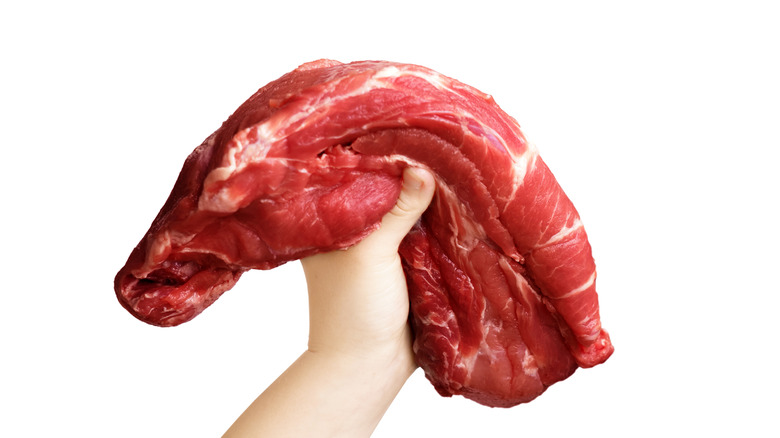
Finally, take your prospective brisket purchase in your hands and see how the meat feels. Chris DeLisle called this "One of the easiest ways to judge a brisket without opening the package," adding, "Flexibility is one of the quickest initial cues experienced pitmasters use." Buyers should seek out a brisket that bends and flexes when held from one end. "If it feels stiff like a board, it's often an indication that the muscles are tighter and may not render quite as well during a long cook," he cautioned. The ability to get your hands on the wrapped cut of meat itself is, in some ways, an advantage over traditional butchers, where cuts are kept behind glass until purchase.
Where does DeLisle find brisket that consistently passes these tests? His answer wasn't a typical grocery store, but popular and accessible outlets nonetheless. "Costco consistently offers some of the best value on USDA Prime briskets, while Sam's Club also frequently carries quality Prime and Choice briskets at competitive prices," he noted. "Both retailers tend to have high inventory turnover, which often means fresher product."
Buying your first few briskets can be a bit daunting, especially if you're shopping in a grocery store without the help of an experienced butcher. DeLisle's keys to selecting the best one available are a start to simplifying the experience. Check out the brisket's packaging and USDA grade label, evaluate the size, shape, and fat, and feel the meat's flexibility. This easy yet effective checklist can do wonders for your next barbecue long before you light the first coal.