

3 Things To Avoid Eating Or Drinking During The Cyclosporiasis Outbreak
A recent outbreak of cyclosporiasis has spread to 34 states, with the CDC noting that over 5,100 cases have been reported in the U.S. at the time of writing (of which 1,645 have been confirmed). The infection is caused by the parasite Cyclospora cayetanensis, which humans can ingest through contaminated food or drinking water. Though it's usually not fatal, cyclosporiasis is known to cause extreme gastrointestinal issues, fatigue, body aches, and more. We've rounded up some of the top suspected culprits linked to the recent outbreak (and past outbreaks) so you know what to steer clear of. These guidelines impact not only what not to eat, but also what not to drink.
Symptoms of cyclosporiasis can appear within two to 14 days after contamination, making it difficult to pin down the source. As NBC medical contributor Dr. John Torres told Today, "If you've ever had a stomach flu, if you've ever had food poisoning, this is exactly what we're talking about, but people describe it as being even worse than that."
While avoiding the items on this list may decrease your chances of infection, CDC guidelines also recommend washing your hands with soap and water before and after handling fresh fruits and vegetables, cutting away damaged areas, cleaning fresh fruits and vegetables thoroughly, and, if necessary, scrubbing with a produce brush. Although the Cyclospora cayetanensis parasite is resistant to chemical disinfectants, it can be killed through cooking to a minimum temperature of 158 degrees Fahrenheit.
Lettuce and mixed greens
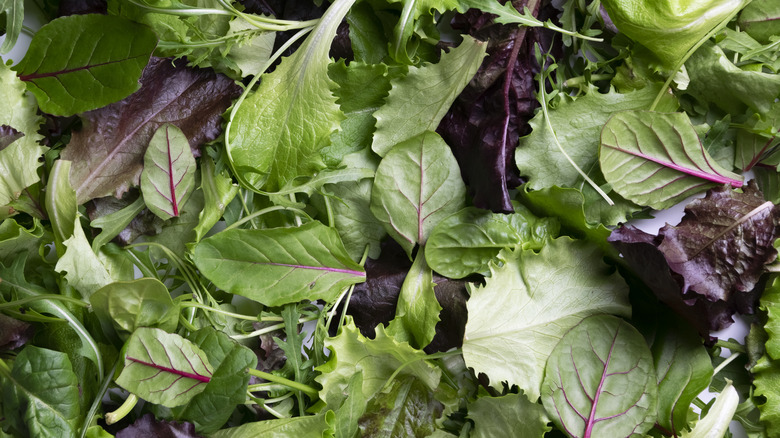
The current cyclosporiasis outbreak has spiked in Michigan, with the state's Department of Health and Human Services reporting 3,309 cases so far. Local health officials involved in the investigation have pointed to lettuce as a possible culprit. "Early information has shown lettuce as a common produce that comes up during the investigation," said Dr. Natasha Bagdasarian, Michigan's chief medical executive (via NBC News). Though lettuce was a common thread, the Michigan Department of Health and Human Services (MDHHS) said it wasn't ruling out other sources (or multiple sources).
If lettuce can't be removed from your meal plans (or if you've already consumed it prior to learning of the outbreak), the type of lettuce could play a role in exposure. Mixed lettuce in bags and salad kits that come pre-washed should be avoided, while heads of lettuce are considered safer. The MDHHS recommends removing and discarding the outer layers of leaves and thoroughly washing each inner layer. Cooking the leafy greens to at least 158 degrees is the only way to kill the parasite. If you've never tried heating up lettuce before, we've got you covered with the best types of lettuce to experiment cooking with.
Berries
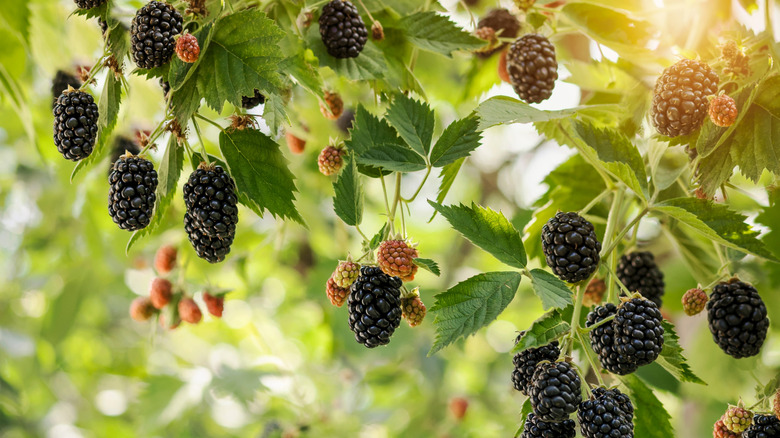
While berries have not been specifically named in the ongoing cyclosporiasis outbreak, prior cases dating back to the 1990's have been linked to them, specifically raspberries and blackberries. While all fresh fruits have the potential to carry the Cyclospora cayetanensis parasite, berries pose a higher risk because they're particularly tricky to clean due to their crevices.
If you can't complete your next meal without a berry dessert or cannot forego your post-workout berry smoothie, replacing fresh berries with frozen ones will help you steer clear of cyclosporiasis. In a Reddit thread related to the outbreak, a group of parents discussed precautions they're taking with their young children. One said they bought frozen and canned berries to give to their toddler in place of the usual fresh ones they serve. Another user mentioned only eating fresh-picked berries from a bush in their backyard. An additional alternative is to bake the fresh berries (blackberry pie? Yes, please).
Contaminated water

Past cyclosporiasis outbreaks have also been linked to water — either consumed directly or used in irrigation systems on farmland, leading to contaminated produce. As for the current outbreak, Donald Schaffner, Ph.D., a professor of food microbiology at Rutgers University, pointed to water as a possible culprit. In a statement to Today, Schaffner noted that the cases reported in Michigan and Ohio were in communities with close proximity to Lake Erie. "These cases seem to me to be more of a waterborne outbreak rather than a foodborne outbreak because of the geographical clustering," he said.
If you suspect you may have a contaminated water source, the CDC's recommendation is to boil it, which is more effective than chemical treatments such as chlorine at killing parasites. You can also use bottled water for drinking, cooking, and personal hygiene, or locate the closest non-contaminated water source. When taking extra precautions, it's best to avoid ordering water from a restaurant unless you're opting for bottled.