

10 Tips And Tricks For The Best Tasting Ribs
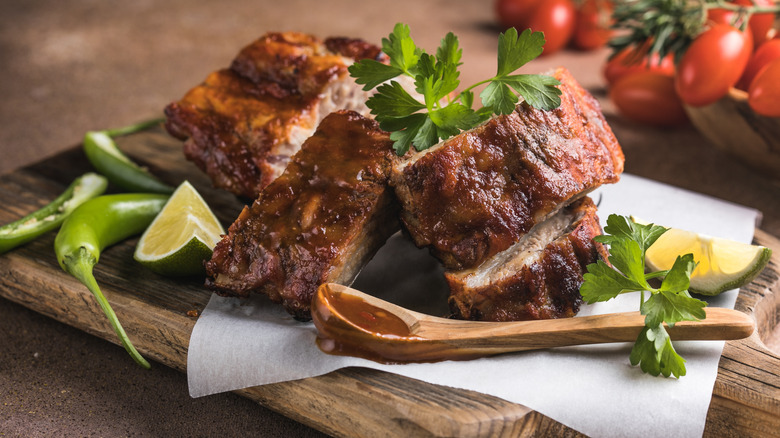
Nothing is more quintessential to American barbecue than great tasting ribs. There's just something satisfying about picking up a sticky rib and devouring that smoky goodness. Plus, it doesn't hurt that ribs are extremely versatile. This means regardless of the cut you choose, most ribs can handle just about any type of rub, glaze, or sauce you dream up. So, whether you prefer a vinegar-based sauce, a molasses-based mop, or even a bourbon-glaze, there are a number of different ways you can sauce your ribs.
That said, the best tasting ribs don't start and end with the sauce. Instead, the key to success and great taste actually lies in the preparation — and the patience — it takes to produce the ribs long before the sauce is applied. That's why we asked seasoned pitmasters and barbecue experts for their tips and tricks to make delicious ribs each and every time. Below you'll find insights from Erica Blaire Roby, pitmaster, Food Network's "Master of 'Cue" champion, and owner of Blue Smoke Blaire BBQ School, Mike Johnson, a chef, world champion pitmaster, and founder of Sugarfire Smokehouse in St. Louis, Missouri, and David Sandusky, a chef, pitmaster, and owner of Beast Craft BBQ Co. in Belleville, Illinois.
1. Choose the right type of ribs
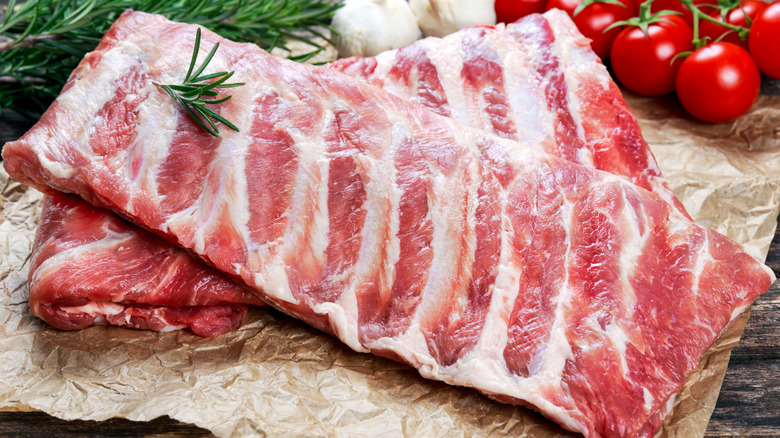
When it comes to selecting the right type of ribs for you and your family, a lot of it comes down to personal preference. Some people prefer the tenderness of baby back pork ribs while others prefer meatier, higher fat spare ribs. There are also beef ribs to choose from, including short ribs and beef back ribs. Plus, you cannot forget the ever-popular St. Louis-style ribs, which are a type of spare rib that has been trimmed down to create a meatier rib that's easier to cook.
For Erica Blaire Roby, she said she prefers beef ribs all day: "The flavor is deep, rich, umami, and awakens every part of your palate. The tenderness of beef ribs only gets better the longer you allow them to cook." But for Mike Johnson spare ribs fit the bill: "They're connected to the pork belly where the fat is [which] makes for better flavor."
Regardless of the cut of ribs you choose, you want look for ribs that have an even distribution of meat across the bones. This way, when you cut the ribs, every serving will be roughly the same. You also want ribs that have good marbling but not too much fat. And, try to avoid ribs that have what's known as "shiners," or places on the rib where the meat cutter got too close to the bone and now it's shining through the meat.
2. Remove the membrane before prepping
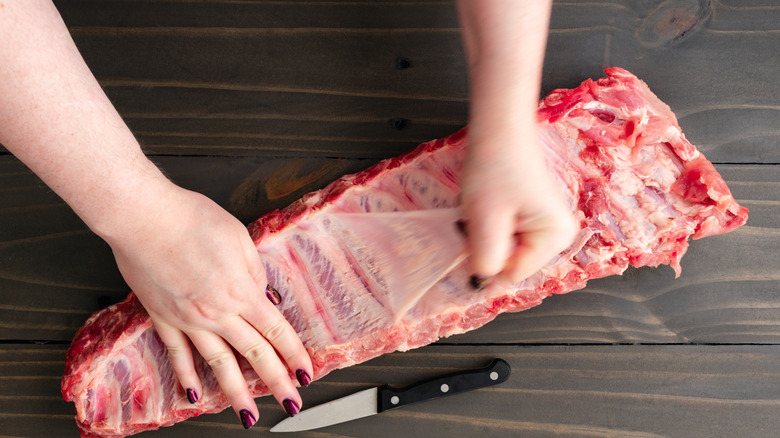
If there's one thing you cannot skip when following the best way to cooking ribs, it's the removal of the membrane along the back side of the ribs. Leaving it on means the flavors you're building won't thoroughly permeate the meat. An intact membrane can also keep you from getting a nice, even cook too. But once it's removed, the heat — and the flavors — are able to penetrate the ribs allowing you to build a richer flavor profile with your seasonings or rubs.
Chef Mike Johnson suggested peeling the membrane off while the ribs are still cold. Then, while you're at it, he recommended adding a layer of mustard so that your seasonings will stick to the meat better. Ultimately, these seasonings will turn into that telltale bark that ribs are known for.
If you have trouble grasping the membrane with your fingers, try loosening it from the meat with a sharp knife. Then, in order to get a good grip on the membrane and remove it in one smooth motion try using a paper towel. And if it seems more securely attached than you're used to, use a small set of pliers to grab a hold of it and pull it back.
3. Braise them in their own juices
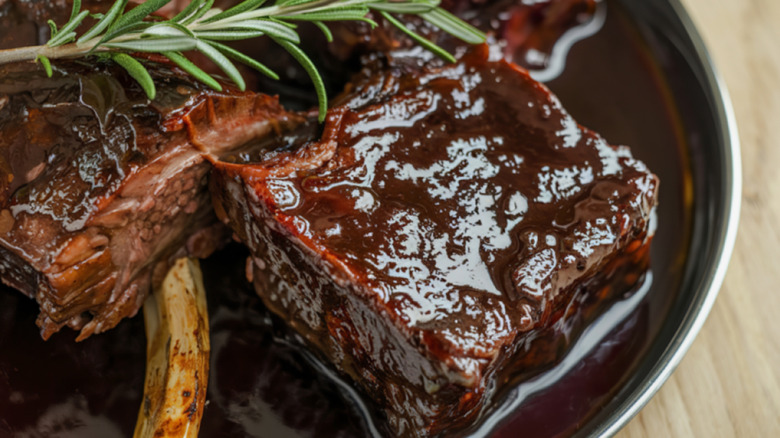
If you're not familiar with braising, this cooking technique combines a quick sear followed by a low simmer in a thin layer of liquid. Not only does braising help minimize moisture loss, but it also keeps the ribs from becoming tough or dry. More specifically, braising helps the meat's tough collagen turn into a type of a gelatin. Ultimately, it's this gelatin that thickens the braising liquid and imparts flavor into your meat.
"Always allow [your ribs] to braise in their own juices for full flavor," suggested Erica Blaire Roby. Aside from this flavor boost, braising also keeps your ribs moist throughout the cooking process and results in more optimal flavor and texture. But, the age-old cooking process of braising meat isn't the same thing as stewing it. With braising, the meat is still intact and it's not completely submerged in liquid while stewing involves taking chunks of meat and immersing it into a liquid. When braising ribs, some people will later reduce their braising liquid down to create their sauce or add it to other ingredients to make the sauce. Either way, braising can be a way to add flavor and maintain moisture.
4. Wrap them in foil halfway through the cooking process
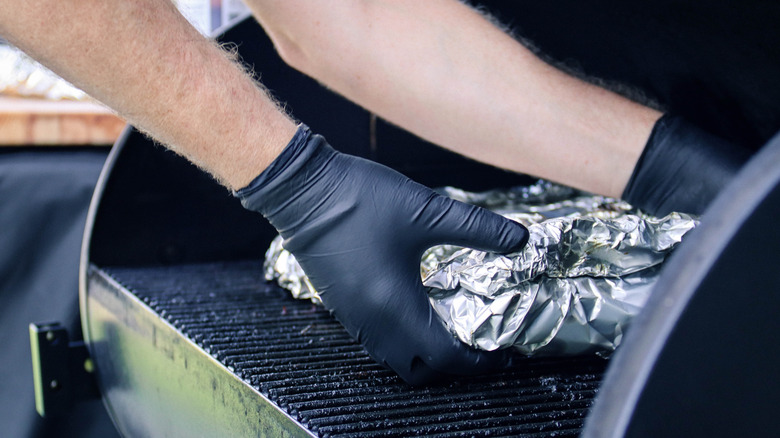
Wrapping your ribs in foil shields them from overcooking when you're smoking them for such a long time period. According to Mike Johnson, foil will also help produce a softer texture and juicier rib, especially if you wrap your ribs halfway through the cooking process. "It also makes the process easier. [And] once the ribs are wrapped in foil, the oven is a great method, as long as you maintain a consistent temperature of 250 degrees Fahrenheit throughout," he said.
In fact, this method, sometimes called the Texas crutch, is frequently used by competitive barbecue teams who will either use foil or pink butcher paper to wrap their ribs after smoking the meat for a few hours. Once wrapped, the ribs steam and braise in their own juices. Some barbecue experts liken this method to wrapping meats in banana leaves to cook, which also helps create tender, juicy meats. On the downside, some people worry that wrapping the ribs can soften the bark, or that crispy texture that you worked hard to get with your smoke and your rub. The key is to time it so that your ribs benefit from braising in their own juices without turning to mush.
5. Season the ribs well before cooking
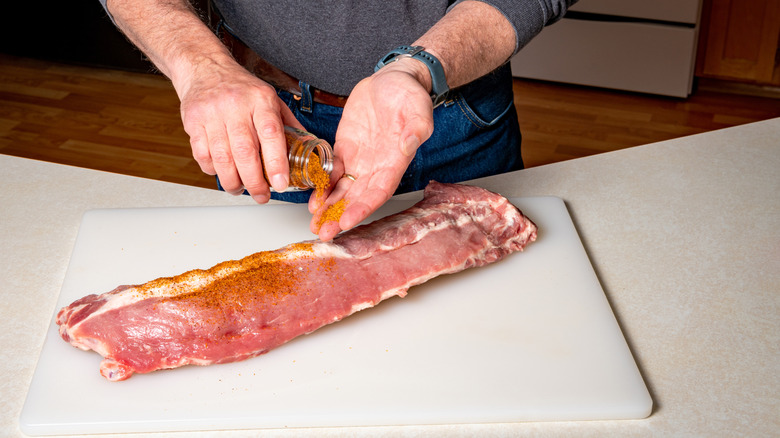
Perhaps one of the best ways to impart flavor into your ribs is through your seasoning or rub. You can do this about an hour or so before you plan to cook your ribs, or you can do it the night before and store your ribs in the fridge. For Erica Blaire Roby, she said she preps her ribs with seasoning the night before and places them in the refrigerator in cling wrap.
"Also I avoid rubs with pepper," she said. "Pepper should be placed on [the ribs] near the end of the cook for best flavor. Many people underseason their ribs and try to add flavor later — this is a huge mistake. The main flavor profile needs to be on and become the ribs' bark."
And, if you plan to use a premade rub or seasoning, Roby said to read the seasoning ingredients: "If the seasoning contains sugar in the top three ingredients, be aware this may burn and become bitter during an extended cook."
She also recommended seasoning with a high hand at least 12 inches away from the meat and to cover all sides of the meat, not just the top and bottom, because people bite into the sides first. Roby said a reverse marinade, or soaking the meat in a sauce after it has been cooked, is great for high flavor impact: "[But] I tend not to use tenderizers, because time on the smoker is the best tenderizer on the market."
6. Focus on creating texture
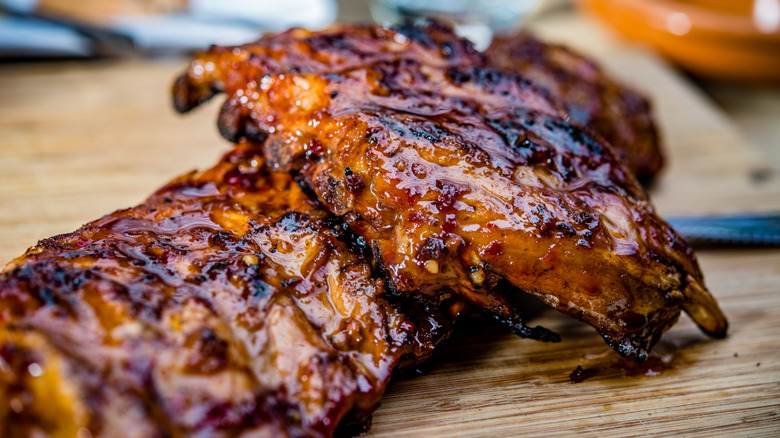
If your goal is to create texture with your ribs, you'll need to focus on using low and slow heat to break down the collagen in the meat and then build that telltale bark on the exterior. In fact, a rib with good texture won't fall apart when you pick it up and will have a nice bite. And, you'll notice that slight crunch in the exterior without it overpowering the meat. Instead, it will add to the overall taste and enhance it.
"Remember this, the best flavors are born out of textures — everything else is a seasoning," explained David Sandusky. "Focus on developing the texture, and everything else will fall into place. [Also], use the rub you like and keep the smoke light and sweet."
To help build texture in his ribs, Sandusky said he likes to dry-brine the night before to set the moisture content where he wants it. "What we experience as 'moisture' is a ratio of fat and water that can be optimized," he explained.
As for flavor, Sandusky suggested building a rub around earthy tones, like ancho chile peppers and coffee, and then layer components on top of that foundation. "Honestly, what matters most is that you allow the natural surface moisture of the rack to determine how much rub it holds," he said. "Any extra through binders and such will change your final texture, and are not necessary for maximum flavor."
7. Smoke your ribs if you can
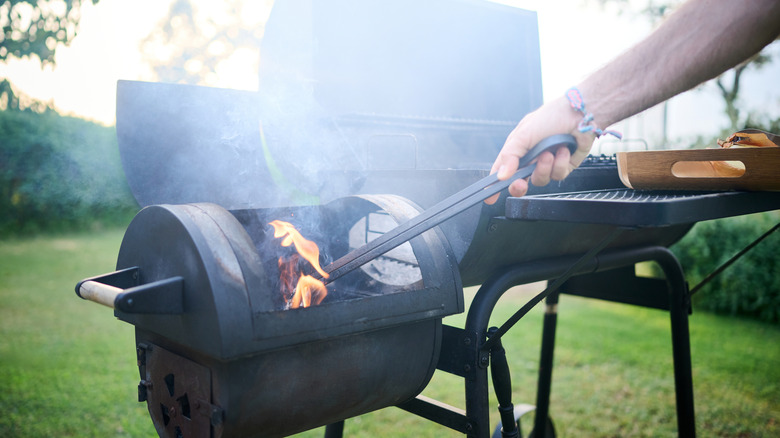
When it comes to preparation, all of the pitmasters we spoke with agreed that smoking is one of the best ways to prepare ribs. Though if you don't have a smoker, or if you prefer a different preparation, go for it, said David Sandusky: "BBQ and ribs aren't exclusive to Americanized BBQ philosophy. There's a thousand ways to cook great ribs, smoked or not. I smoke mine on cherry wood, and finish them on the grill."
Erica Blaire Roby also smokes her ribs: "All ribs are best on a smoker! I stand by that. For my beef ribs, I smoke them first until the bark sets, then I wrap them tightly in foil in a pan with beef stock and the juices from the initial cook. I cook beef ribs until they are fork tender around 207 to 210 degrees Fahrenheit."
If you want to try using a smoker for your ribs but have never done it before, Roby suggested starting with a smoke tube: "Practice smoking with ground beef first before committing to bigger meat cuts. If a smoker isn't available, use the oven and add a smoke tube."
And if you don't have a smoker, Sandusky said you can create one with your grill: "You don't need a smoker. Use your ... grill — coals on one side with dry wood chunks, meat cuts and drip pan on the other."
8. Plan on cooking your ribs for an extended time
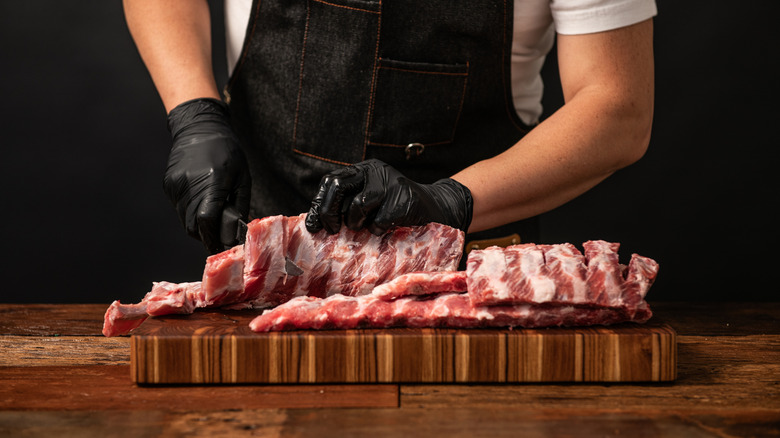
In general, rib meat tends to be tough and takes quite a long time to break down and become the tender rib you're looking for. That's why you will need to plan on cooking your ribs for a long time. Cooking them is never a short endeavor and sometimes can take the entire day depending on the heat of your fire, smoker, or grill.
"I usually cook beef ribs for six to seven hours at 270 degrees Fahrenheit," said Erica Blaire Roby. "I enjoy experimenting with open fire cooking as well, but my time and temp do not change. Ribs are done when they are tender with a slight tug of resistance. If you find yourself having to use arm strength ... put those babies back on the smoker!"
The exact length of time for cooking your ribs will depend on their type, your preference for doneness, and your cooking method. But rarely can you have your ribs ready in under two hours. Even cooking in the oven where you can control the temperature and have no elements to deal with can take upward of three hours.
9. Cook low and slow with a reverse sear
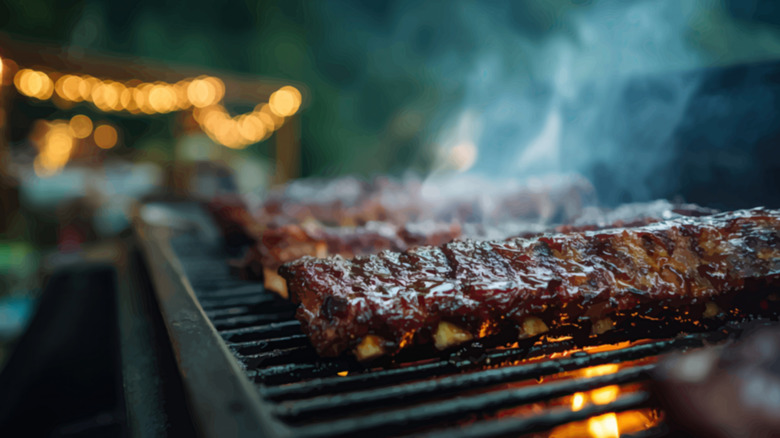
Trying to cook your ribs fast on high heat many times will dry out lean ribs, but a low and slow heat will help the tough connective tissues to break down and form a juicy tender meat. And though you may feel rushed to serve your ribs, no matter how much you want to do that, you cannot hurry through this step. The meat needs a good amount of time on low heat to become the beautiful, succulent ribs they are known to become. So if you want the best tasting ribs, you need a lot of patience.
"My favorite way to cook ribs is to smoke first, then reverse sear," said David Sandusky. "If you're competing, you want ribs soft enough to not leave teeth marks in the bite, but not so soft that they fall off the bone. Personally, I like my ribs to have a little character."
As for doneness, many chefs know when ribs are done by the look and feel. This can sometimes seem like an art that is honed with practice, especially because instant-read thermometers aren't always accurate. Mike Johnson said he uses the bend test to determine if his ribs are ready to eat: "If they crack when bent, they're done."
10. Choose a sauce that complements your seasonings
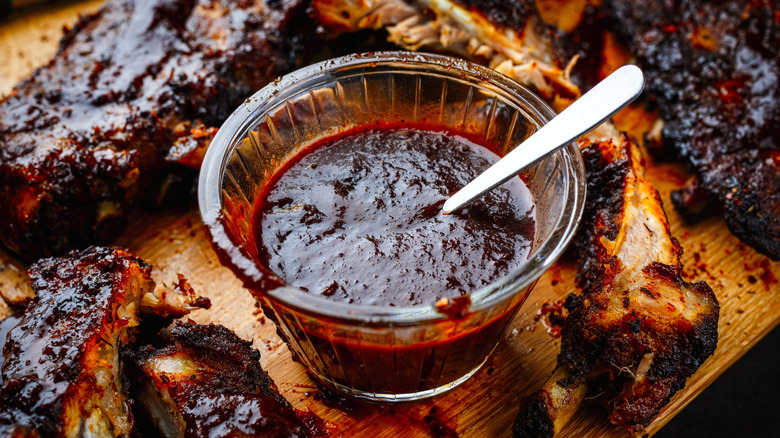
Saucing your ribs is one of those things that boils down to personal preference as well. Some people prefer their ribs dry rubbed and smoked with maybe a little sauce on the side, while others want sticky, messy smoked ribs slathered in a sauce. Both are equally delicious and tasty. The key, according Erica Blaire Roby, is to select a sauce that complements your meat and your seasonings. You don't want something that's going to compete with the flavors you've built or detract from its tastiness.
"I tend to match [my sauce] with the dry seasoning I use when prepping ribs," said Roby. "The sauce should have acidity to cut through the meat. I add sauce during the last 40 minutes of the cook and I only use it to baste the meat." If you do plan to add a sauce of any type to your ribs, consider making this your final step in your rib preparation. Adding sauce in the middle of your cook could result in a burnt taste, especially if it contains a sugary element that will likely burn on the heat of the grill.
"Great BBQ sauces aren't always great table sauces," added David Sandusky. "The best sauces develop through caramelization during the final grilling and basting. But again, the best sauce is the one you like."