

14 Meals Middle Class Families Ate In The '60s
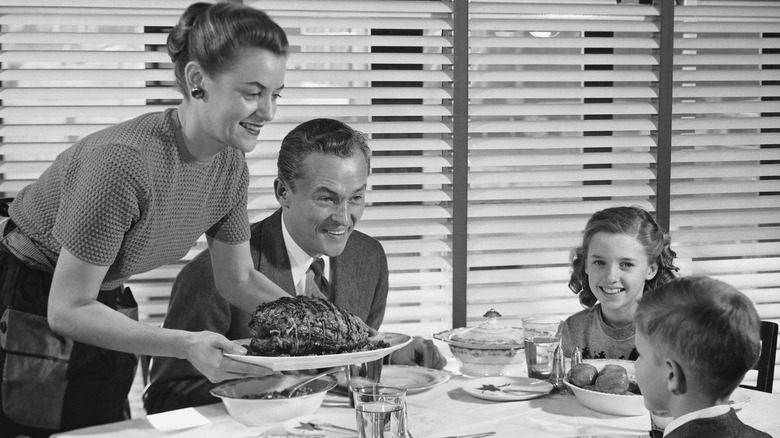
After World War II ended, Americans could rejoice and focus on making life easier and more fulfilling, which was reflected in our grocery stores. Slowly but surely, convenience foods began popping up on shelves. By the '60s, shoppers had access to several interesting products that could reduce the time needed to put a wholesome meal on the table.
Still, many middle-class families had home-cooked meals with simple, minimally processed ingredients. If you ask someone who was around during the '60s, they'd likely tell you that almost every meal was largely just meat, potatoes, and veggies. These foods filled folks up and gave them energy without much fuss.
That general answer doesn't really satisfy our collective curiosity, though. While meals from the '60s certainly weren't as flashy or unique as they are nowadays, people have fond memories of the different meals their parents or grandparents made back then. Read on to sink your teeth into some of the most popular meals that middle-class families ate during the '60s.
1. Shake 'N Bake chicken with boxed scalloped potatoes
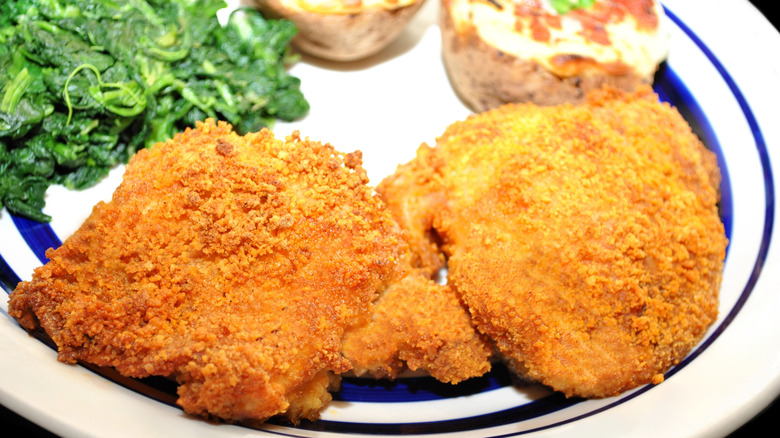
Shake 'N Bake is one of those brands that some folks are surprised still exists because it's so old-fashioned. Yet plenty of shoppers nowadays still appreciate the convenience, so it's been going strong for decades. Shake 'N Bake entered the spotlight in 1965, and it quickly became all the rage since it was a major food industry innovation. All home cooks had to do was dump their moistened meat into a bag filled with the seasoned breadcrumbs, shake it, and bake it.
Shake 'N Bake worked with all kinds of meat, but chicken seemed to be the most popular in the '60s. Interestingly enough, a common pairing with Shake 'N Bake chicken was boxed scalloped potatoes. The folks highlighting the meal as a go-to of the era on Reddit didn't share the specific brand of the scalloped potatoes, but it was likely Betty Crocker, which is another beloved old-fashioned brand that blew people away in the '60s. The idea that someone could quickly make a sauce that came from a box and dump it over pre-cut potatoes was revolutionary.
Pairing two prepackaged products together for one meal must've been a lifesaver for middle-class parents who had their hands full. The presentation looked impressive, but the effort required was minimal.
2. Spaghetti with meat sauce or meatballs
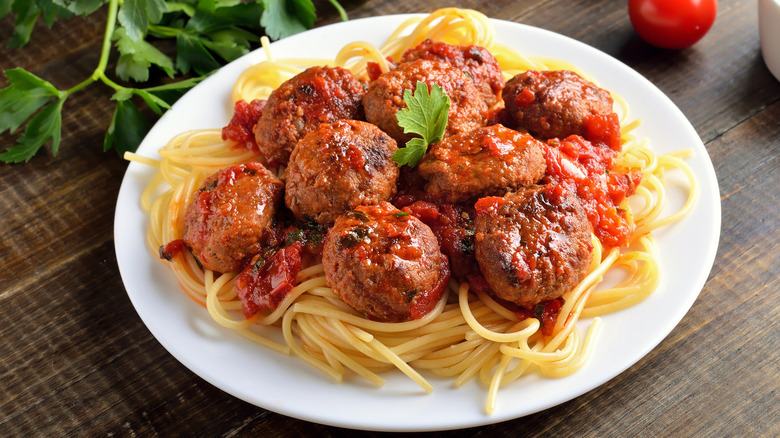
Spaghetti has powered family dinner tables for generations. Kids love to slurp the pasta, while adults appreciate twirling their spaghetti coated in a flavorful sauce. Nobody would complain when it was spaghetti night in the 1960s. The only major concern was how many stained shirts and saucy faces the parents would have to deal with later. Best of all, spaghetti paired with a meat sauce is fairly quick to throw together, making it particularly appealing to middle-class families pressed for time. Homemade meatballs require a bit more effort, but they definitely make dinners feel more special.
Interestingly enough, one Italian-American on Reddit who grew up in 1960s New York revealed that their spaghetti and meatballs were also served with asparagus. Asparagus is a veggie that you either love or hate. Plus, we all know what it can do when you go to the bathroom. Despite its polarizing nature, it can add nutritional value to a carb-heavy meal like spaghetti.
3. Roast beef
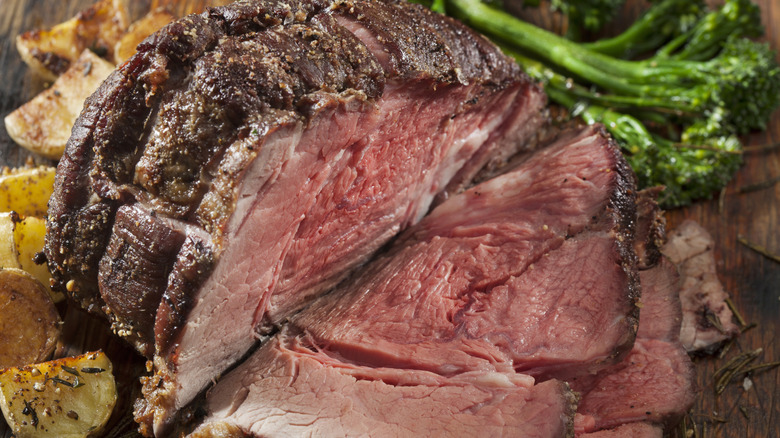
Sundays were a special day for middle-class families in America. Everyone slowed down in an attempt to gear up for the upcoming week. In many households, one parent would prepare a gorgeous roast with plenty of fixings so the family could sit down and share a nice feast. Some of the best conversations could happen during these dinners. Since the best roasts take time to tenderize, everyone at home was tantalized by the incredible smells wafting into every room for hours. By the time dinner was served, everyone was ravenous, which made the food taste even better.
Roast beef was a classic meal during the '60s because cheaper, tougher cuts of beef could be transformed into a magical dinner. Plus, cooking carrots, celery, onions, and other veggies with the slow-cooked beef ensured each bite was tender and rich with the broth. It was one of the least stressful ways to make sure even the pickiest eaters could get some vegetables into their diets.
4. Pork chops
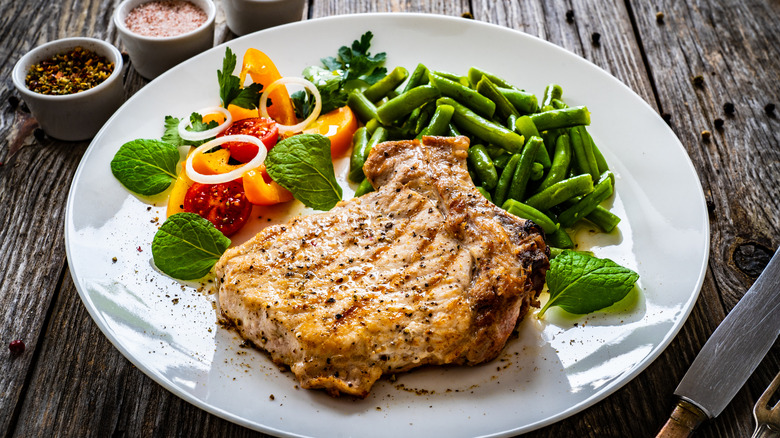
One of the saddest culinary plagues that swept through American households in the 1960s was overcooked pork chops. All over Reddit, so many users have recalled their sad pork chop dinners that were sapped of all semblance of life. One user recalled that people were more paranoid about the risk of illness — namely from the Trichinella spiralis parasite — back then, so many home cooks turned their pork chops into leather to have peace of mind that they wouldn't get sick.
Nowadays, thankfully, it's easy to make juicy and flavorful pork chops. However, this cut of meat is woefully underutilized. Perhaps the generational trauma of burned pork chops has been passed down in families, and folks instinctively avoid them, but they deserve to have a comeback. If you ever get tired of the same old chicken breasts, pork chops can be a nice way to switch things up while still enjoying a lean protein.
As stomach-churning as overcooked pork chops may be for many people who lived through the '60s, we still have to give pork chops their props for being a classic American dish. Pork chops may not be on our modern menu rotation often, but they kept millions of Americans fed for countless generations.
5. Fried chicken with potato salad
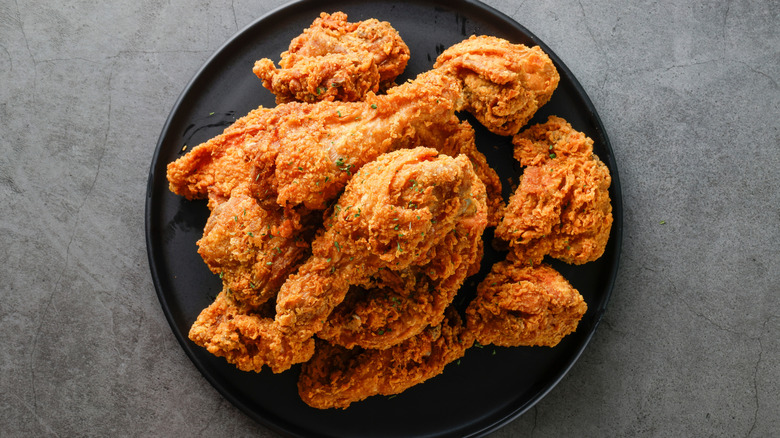
You knew you were in for a good day when mom announced that fried chicken would be on the dinner table that night. The crunch, the seasoning, and the juiciness of the meat made people leap for second helpings if they were available. Fried chicken worked well for many middle-class American families because shoppers had the freedom to choose which cuts of chicken to fry. Whether they were taking advantage of a weekly sale or buying a whole chicken to slice at home, this flexibility was helpful for folks' varying budgets.
Interestingly enough, during the '60s, food scientists cracked the code for powerful artificial flavor enhancers. Fried chicken was one of the foods to benefit from this development. America's middle class could get an affordable taste at the drive-thru, thanks to the likes of KFC, which underwent massive expansion throughout the decade.
While folks certainly loved filling up on fried chicken, sometimes the side dishes were even more enticing. Fried chicken famously goes beautifully with all kinds of decadent sides, and potato salad is one example. One Reddit user remembers enjoying this duo often with their family back in the '60s. Taking a cool, tangy bite out of a homemade potato salad can help refresh your palate before diving back into more fried chicken.
6. Sirloin with potato pancakes
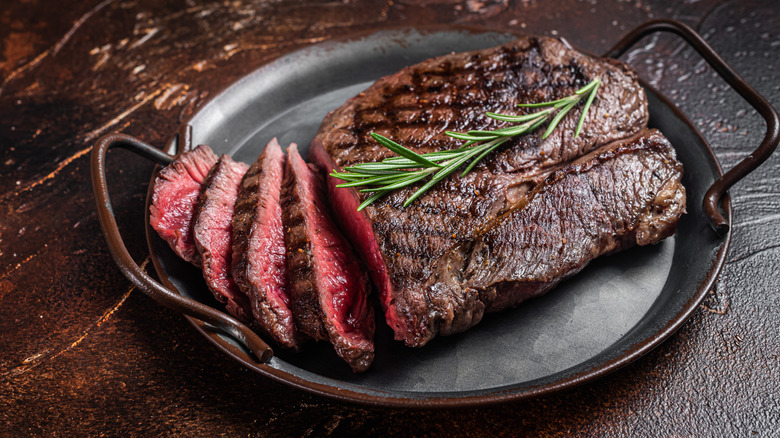
According to a 1966 A&P newspaper ad, the nationwide grocery store was selling sirloin steaks for 78 cents per pound. Nowadays, that's about $7.92 per pound, but the current cost of steak is significantly higher. According to the Federal Reserve Bank of St. Louis, as of July 2026, the average cost of sirloin steaks in the western region of America was $18.35 per pound. Steak has always been more indulgent compared to other proteins in terms of cost, but plenty of Americans today would probably leap at the chance to do a big grocery haul back in the '60s.
When middle-class Americans treated themselves to a nice (and affordable) steak dinner back then, the side dishes mattered as well. One person on social media shared that their family always paired sirloin with potato pancakes. It may seem strange at first, but steak and French fries are a beloved dinner, so why not extra crispy and pillowy potato pancakes? French fries will forever be a top-tier potato dish, but for an average weeknight dinner, deep frying isn't always ideal. Potato pancakes let home cooks enjoy yummy fried potatoes with less oil and hassle.
7. Broiled fish with potatoes and veggies
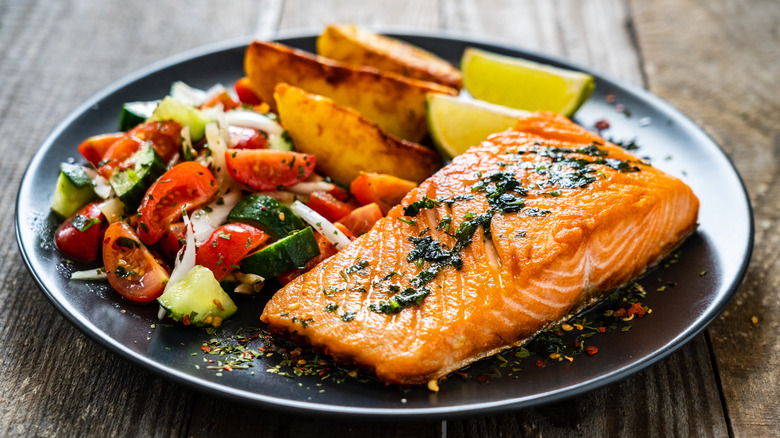
Ground beef may reign supreme on social media posts discussing popular meals middle-class Americans ate during the '60s, but fish deserves an honorable mention. A driving force behind fish consumption was actually the more restrictive Lent and Friday abstinence rules compared to now. While major reforms occurred during this decade, many Catholics were still in the habit of eating fish on Fridays.
During the week, many families could throw some fish filets under the broiler and have a healthy meal ready in around half an hour. Fish doesn't need much to taste good, either, so seasoning it could be a breeze. Fish dinners may not have been as luxurious as broiled miso salmon, but some salt, pepper, and a squeeze of lemon could work wonders.
Of course, no mid-century American dinner would be complete without a hefty serving of potatoes and some type of veggie. Any type of veggie was welcome, but one particular Redditor explained that they ate green peas and green beans most often with broiled fish and potatoes. As long as the fish wasn't scorched beyond recognition, this could be a lovely, simple meal.
8. Tuna casserole
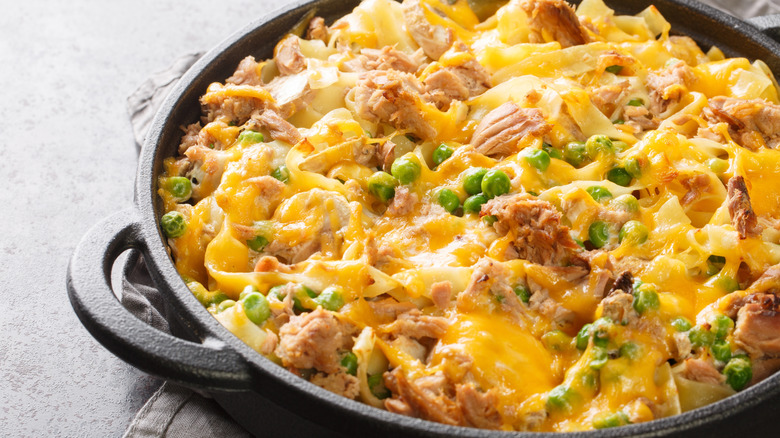
Casseroles have a vintage reputation due to their excessive consumption in past decades, including the '60s. We can't blame folks for being so obsessed with them, though. We may be fatigued now, but they were the ultimate comfort dishes that anyone could throw together quickly and pop in the oven.
Tuna casserole was just one of many casserole darlings that were prepared often in the mid-20th century. The base was egg noodles, and the protein came from canned tuna and frozen or canned peas, which allowed people to avoid the hassle of cooking raw meat. Not to mention, these ingredients were cheap, long-lasting, and readily available. No cozy casserole is complete without a decadent sauce and gooey cheese. Instead of fussing with a homemade sauce, shoppers could add some canned cream of mushroom soup and mozzarella cheese to their carts and call it a day.
People could even assemble tuna casseroles in the morning before work, then bake them for 20 to 30 minutes once they got home. It's the type of dish that wouldn't suffer from sitting for hours in the fridge. This convenient option let middle-class home cooks take care of other chores while the food heated up.
9. Meatloaf
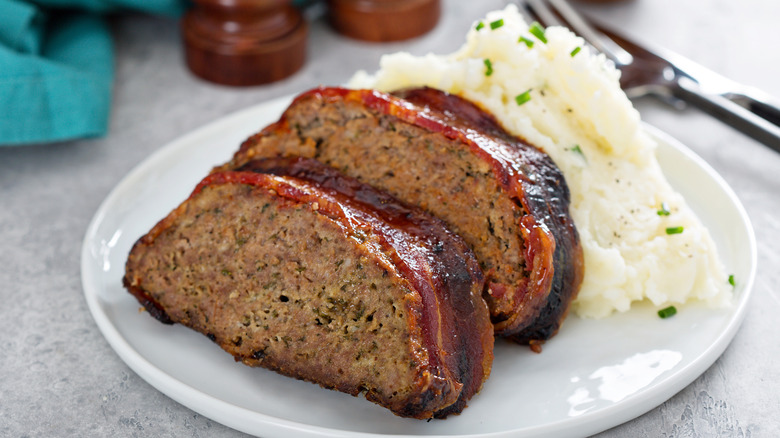
Middle-class families had money to splurge now and then, but they still had to be mindful of making more expensive ingredients stretch. Burgers were (and still are) a classic American meal, but preparing enough for a large family wasn't always ideal. As a result, meatloaf was a superstar dish. By bulking up the meat with eggs, breadcrumbs, onions, and other fixings, a larger crowd could be content with their serving.
Another benefit was that filling starches like potatoes and dinner rolls paired perfectly with this entrée. Parents could cut slices of meatloaf to make sure everyone got a fair amount, then set out big bowls of bread, mashed potatoes, and veggies. Since the flavor profile was similar enough to a regular burger, young children could look forward to this meal.
Some parents bought enough to make two or more pans of meatloaf. If they were going through the trouble of mixing everything together, why not get multiple dinners out of it? Meatloaf holds up well in the freezer, whether raw or cooked, so busy adults could always keep one tucked away in case of emergencies.
10. Sloppy Joe under a bun
If you thought meatloaf was the ultimate leveled-up hamburger for kids, then you haven't stopped to consider sloppy joes. Sloppy Joes earn the first part of their name with how wild you look after you finish eating them. It seems like your entire face is messy, and your hands are so coated in sauce that you need a beach towel to feel clean again. Like meatloaf, sloppy Joes are budget-friendly because the meat sauce you plop on a bun stretches quite far compared to a 100% beef burger.
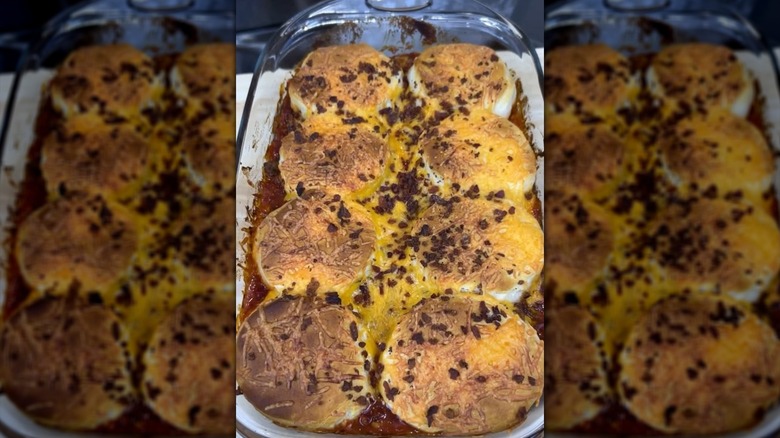
Sloppy Joes have been around since the '30s, so there's no doubt that American families were frequently chowing down on this whimsical sandwich in the '60s. However, if you take the beloved sloppy Joe and pair it with Americans' casserole craze during this decade, you get a whole new invention: sloppy Joe under a bun.
This 1960s favorite used the same meaty sauce. The major difference was that you poured all the meat sauce into a casserole dish, then poured a prepared box of Bisquick baking mix over it before baking. Once you pulled the casserole out of the oven, you essentially had a giant sloppy Joe that you could cut into ideal portions for everyone in your household. It was the perfect solution for when you didn't have fresh hamburger buns on hand.
11. Salmon hash
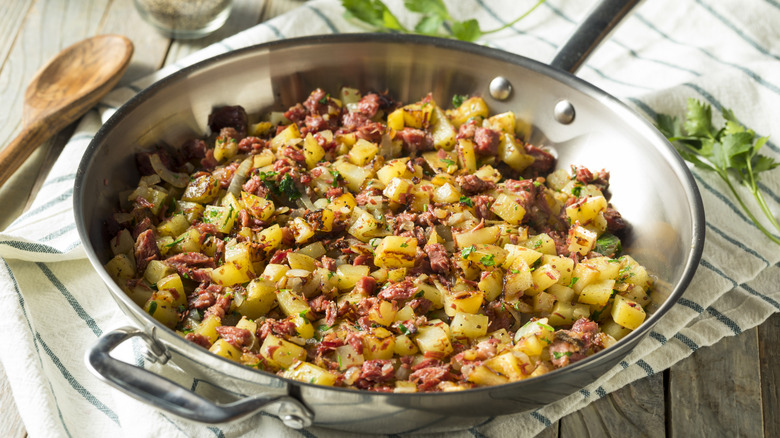
After World War II, Americans were hit with baby fever and went on to create the massive baby boomer generation, which was 60% larger than the preceding generation. Boomers were born up until 1964, which meant that parents had plenty of mouths to feed during the '60s. Enter dishes that could go a long way, such as salmon hash. Hash was popular both during and in the days after World War II, so middle-class adults who grew up during this time likely still viewed this dish as comforting and extremely practical.
One Redditor who grew up during the '60s shared that they have five siblings, so mealtimes were often tricky. They remember that certain meals, which may seem normal or even mundane to the modern person, were rare treats they savored. One of these dishes was salmon hash. Hashes are a fabulous one-pot meal, and they can even repurpose leftovers, which is fantastic news for chaotic households. They weren't specific about what went into this cherished salmon hash, but traditional recipes include salmon, diced potatoes, onion, celery, butter, fresh herbs, and spices. The preparation may be simple, but the filling potatoes combined with the butter and fatty salmon were guaranteed to make your stomach happy.
12. Lasagna
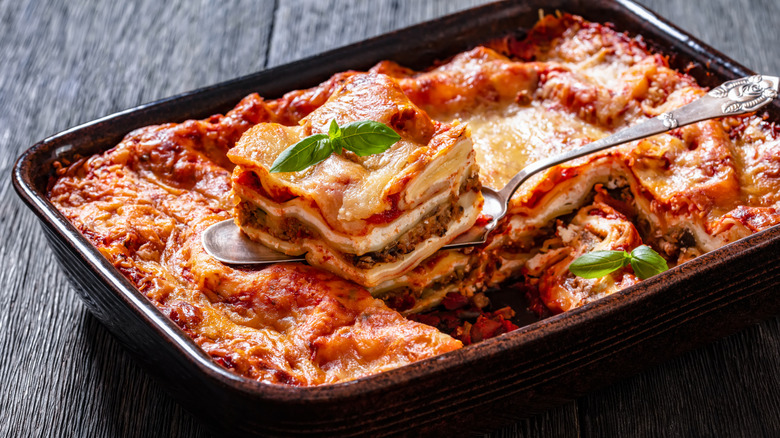
Who can say no to an inviting, giant brick of luscious lasagna dripping with melty cheese and a flavorful meat sauce? If you've ever enjoyed lasagna prepared with fresh pasta sheets, you know how divine this dish can be. Still, prepackaged lasagna noodles can yield a tasty pan without much effort. Italians have been drying and preserving pasta for many centuries, but dried lasagna noodles became widely available in American grocery stores during the '50s.
While lasagna wasn't particularly popular in the early days after World War II, by the '60s, even a novice home cook could whip up a fairly impressive lasagna to feed the whole family, with recipes widely popping up in cookbooks. It also helped that in the 1950s, the Buitoni Company of New York had started selling frozen lasagna, meaning many grocery stores kept this dish in stock by the '60s.
One person shared on social media that not only was lasagna a staple at mealtime in the 1960s, but all their meals also included at least one vegetable, so their family was pretty healthy. It would've been tempting to fill up on the lasagna, but some roasted broccoli or garlicky green beans could provide a yummy side dish.
13. Cashew chicken casserole
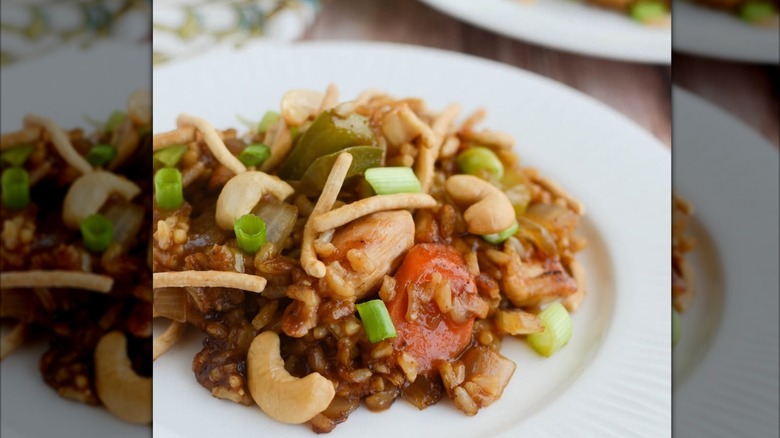
Instead of preparing the same old cheesy casseroles that leave you feeling bogged down, some families in the '60s looked beyond American cuisine for inspiration. One Redditor shared that her mother has cooked cashew chicken casserole since the '60s. The recipe they shared includes cream of mushroom soup, and other variations from the decade seemed to rely upon the '60s staple, too.
The base of the casserole is a mixture of pre-cooked chicken, onion, celery, cream of mushroom soup, chicken broth, and soy sauce. The Redditor pointed out that canned chicken works fine if convenience matters. What makes this casserole stand out is its crunchy, decadent topping that includes a generous amount of cashews and a can of fried chow mein noodles. A casserole like this could be brilliant on its own, but it could also be scrumptious served over a bed of rice, which would've been perfect for large households. By adding some international flair to the menu, middle-class Americans could enjoy a fun dinner without visiting an actual restaurant, which would've been more expensive.
It's also worth noting that mechanical cashew shelling developed in the mid-20th century. Yet, cashews were still generally viewed as a luxurious treat. This nut was no longer reserved for the extremely wealthy, but its price point could still provide an achievable indulgence for middle-class families.
14. Salisbury steak
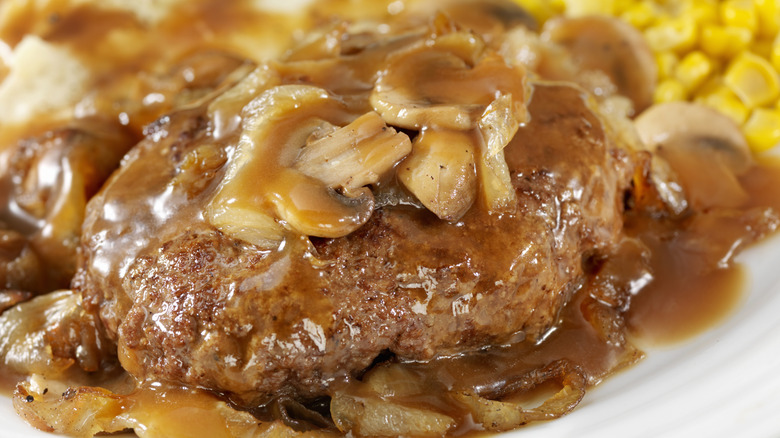
A Salisbury steak can be phenomenally juicy when prepared correctly, yet like pork chops, people from the '60s say it tended to be quite tough and chewy. When discussing the lackluster Salisbury steaks of their youth, some Redditors also pointed out that, during the '60s, it seemed like every recipe was coming up with clever ways to use ground beef. Salisbury steak is another prime example of remixing this staple protein to avoid food fatigue.
For those who aren't familiar with this vintage recipe, Salisbury steak is made with ground beef rather than a beef steak. Perhaps this dish helped folks feel fancy on a budget because ground beef was the more affordable protein option. It was also available canned for a lower-cost alternative.
The ground beef gets a similar meatloaf treatment to bulk it up, then is formed into patties and seared. The crown jewel of this dish is the rich, beefy gravy filled with sliced mushrooms poured on top. Serving a thick Salisbury steak swimming in gravy over some creamy mashed potatoes would've hit the spot, even if the meat could've had a better texture.