

5 Disadvantages Of Cooking On An Induction Stovetop
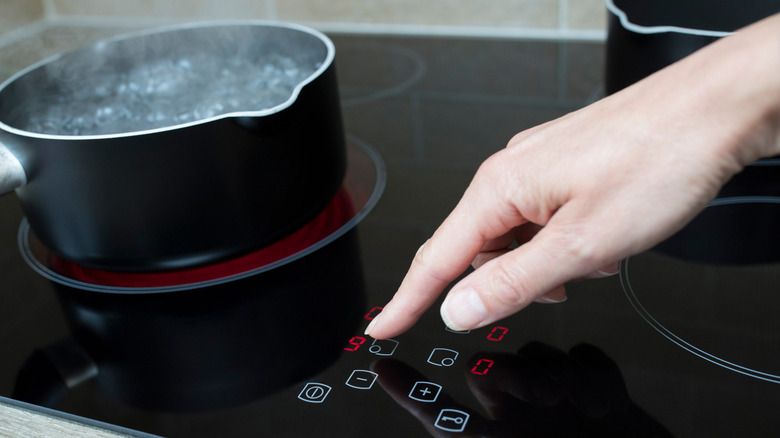
Induction stovetops are becoming increasingly popular all over the world. In the U.S., adoption rates are still relatively low at 12%, according to data published by CZC Kitchen, lagging behind countries like China and Japan. Then again, the provisions of 2022's Inflation Reduction Act may incentivize more people to purchase one for their home kitchens. Induction stovetops use electromagnetic fields to cook food and can help reduce energy bills in the long run, but these units are not without disadvantages. There are some key points you must consider if you are thinking of making the switch from a gas to an electric stove, especially when that change involves induction. Among those considerations is understanding the not-so-bright sides of owning an induction stovetop.
Chief among these drawbacks is that not all pans will work with it. Switching to an induction range will also require expenses beyond the unit itself, and if you are converting from a gas range, those upfront costs will increase. The glass surface is susceptible to chipping and cracking, and its smooth surface takes away the tactile feeling of cooking with fire. And alarmingly, because induction stovetops produce an electromagnetic field, you will need to consult your doctor if you use a pacemaker or other medical devices that may be influenced by magnets. Let's dive deeper into each disadvantage.
Not all pans will work on induction stovetops
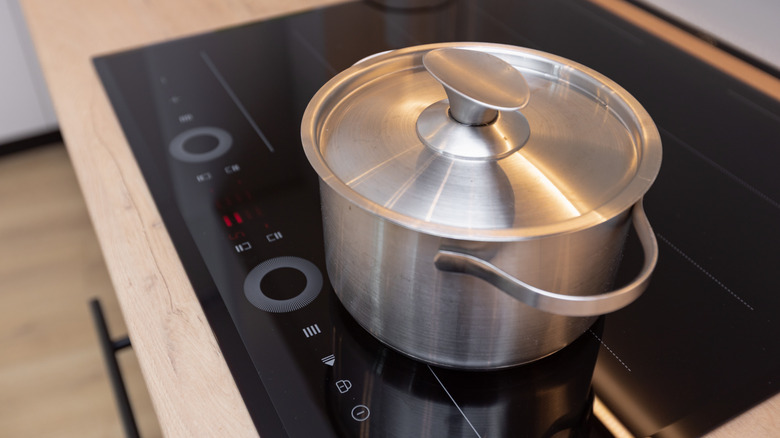
You may have heard that not all pots and pans will work on an induction stovetop. It's true. As for what cookware does work on an induction stovetop, that list includes cast iron (enameled or not), carbon, magnetic stainless steel, and non-stick pans with magnetic bases. If you are sensing a pattern, there is one. Induction cooking uses magnetism to function, so you have to use magnetic cookware to reap the benefits of its design. If in doubt, place a magnet on the bottom of your pot. If it sticks, it is likely compatible with an induction stovetop.
Those pure aluminum and pure copper cookware sets you have? Unusable on induction. Glass and ceramic cookware aren't suitable either, so trending old-school kitchen items like those vintage Corning Visions glass pots you may have gotten attached to will no longer be so useful. You also have to consider the shape of your pans. Only flat-bottomed cookware will heat evenly, forcing your prized, well-seasoned, carbon steel, round-bottomed wok into early retirement.
You will have to pay more upfront for installation
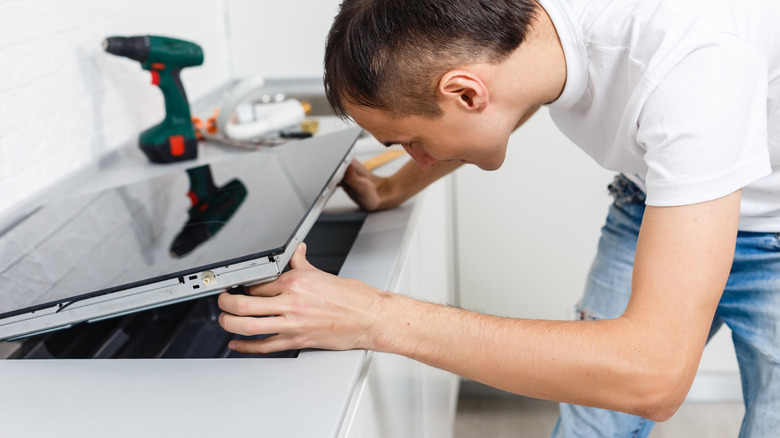
For those wanting to switch from a gas range to induction, the initial cost is compounded by the fact that you may need an electrician to come in. The electrician will install the appropriate wall socket to accommodate the higher voltage requirements of an induction stovetop, often around 240 volts. If you are upgrading from a basic electric range, you won't have to shell out quite as much, but induction stovetops are generally pricier than other kinds of ranges to begin with. Sure, there will be cumulative energy savings down the road, but installation-related expenses are typically part of the investment before that shift is reflected in your utility bills.
Maintenance and repair fees can also cost a pretty penny and be hard to source. As mentioned earlier, market penetration in the U.S. is still low, so repair services that specialize in these units are not prolific just yet. Modern induction ranges contain multiple computerized parts, which can make DIY troubleshooting difficult.
The glass surface can be a hindrance
The smooth, uninterrupted glass surface of an induction stovetop looks sleek in the kitchen. Those who are into a minimalist aesthetic are sure to find this appealing, but there is a chance you will miss having knobs to adjust your stovetop. Touchscreens have their place, and it's debatable if large kitchen appliances are where they belong. It can be challenging for visually impaired folks to use a touch-operated appliance without Braille, while simultaneously avoiding areas that are dangerous to touch while in operation. Even those without vision impairments are bound to be annoyed by touch controls that will not work unless your hands are bare and clean. Gloved, floured, or oily hands can get in the way of the sensors, and when is anyone cooking with bare, clean hands 100% of the time?
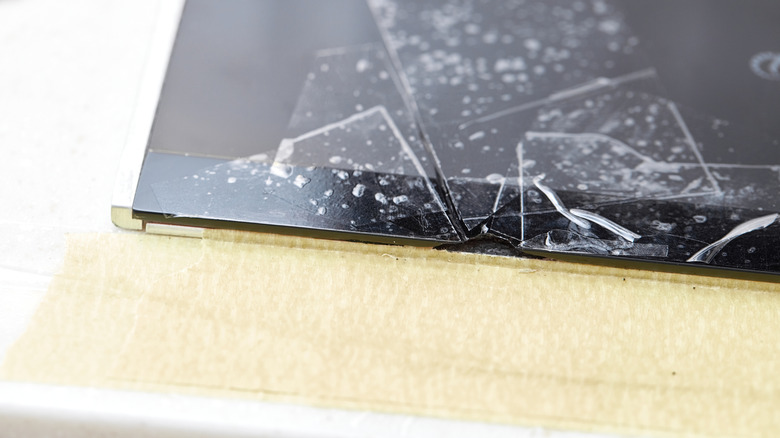
Also, that glass surface will not stay smooth indefinitely. Glass surfaces can chip or scratch over time, and if you are a physical cook who loves to move your pots and pans about while cooking, it may even lead to cracks. A gas range, on the other hand, is one of the appliances that can look better with age and can visually fit into a wide range of kitchen designs.
An induction stovetop is not as tactile as using a gas range
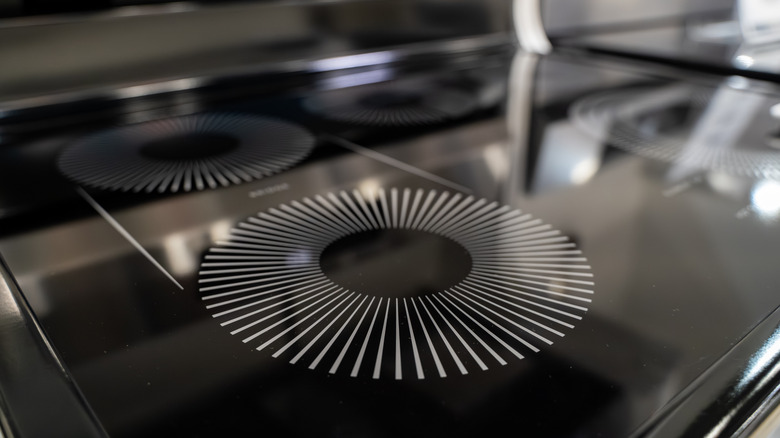
When you think of cooking, one of the first associations that probably comes to mind is heat. It may be dramatic to say, but there is nothing quite like seeing and feeling the heat of actual flames to get into the mindset of cooking. To adjust the heat (with a knob!) and actually witness the flame get bigger or smaller, to see it translate to changes in the pot from a boil to a simmer, reaches something almost primal in us. So much so that many wok chefs can never really leave behind gas stovetops. If you use a gas range but are considering an induction stovetop, you might wind up missing the physical presence of the burners' flames more than you anticipated.
You may have heard that natural gas is odorless, and odorants like mercaptans are added so that people can detect a gas leak. Similarly, manufacturers of induction stovetops have added markings on the glass or glowing lights in the appliance so that people will notice when the stove is on. An induction burner does not actually become hot unless you place an induction-compatible pan on it, but without a visual indication of flames below, it can be easy to forget that the pot on the stove might be blazing hot and unsafe to touch.
Using a pacemaker? Talk with your doctor first
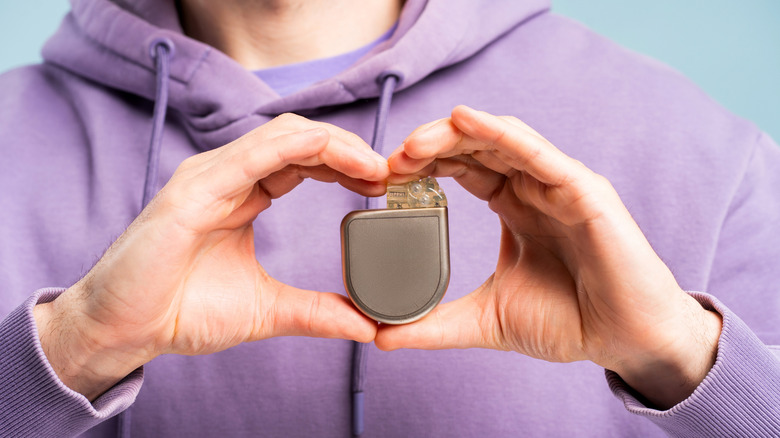
An induction stovetop cooks food through a magnetic field created by electricity running through the copper coils of the burner. The current flows to the pan, generating electrical resistance in the cookware itself, which in turn heats the food inside. Due to the magnetic quality of its mechanism, you cannot place objects other than compatible pots and pans on an induction stovetop, as they can interfere with the magnetic field. In certain scenarios, the magnetic field can also be a health hazard.
While manufacturers assure consumers that the range's electromagnetic field is rather weak, it can disrupt the function of seemingly innocuous items. Depending on your medical history, relying on analog thermometers because digital thermometers may not work well around induction stovetops is the least of your problems. According to the American Heart Association, prolonged exposure to magnets can be risky for those using pacemakers or other implanted medical devices containing magnetic substances. So, unlike those myths about microwaves you need to stop believing, have a discussion with your doctor before making the switch to induction. And since we're on the topic of safety, you already know that electrical items can be damaged in a lightning storm, so remember to unplug your induction stovetop and small kitchen appliances before severe weather hits.