

5 Advantages Of Using A Drip Coffee Maker
We may receive a commission on purchases made from links.
Many people can't imagine starting the day without coffee, or they enjoy a mid-afternoon pick-me-up cup. Coffee is also an almost automatic offer when some people have company over. It wasn't all that long ago that java lovers usually got theirs from a drip coffee maker. They were in most offices and homes after largely displacing percolators in the 1970s, a method rarely used now. Then Keurig pod-based machines debuted, first for offices in 1998 and then in 2004 for homes, and made big inroads in the market.
However, drip makers still remain popular. A 2025 National Coffee Data Trends Report found that 62% of adults have a drip machine at home and 42% have a single-cup brewer. Those are the most dominant methods by far, with all the rest (other than store-bought instant at 35%) in the mid-teens or lower, such as bean-to-cup machines (15%) and French press (12%).
The fact that drip makers are not only holding their own against pod systems, but are in more people's homes by 20%, suggests they have some advantages. Namely, they're the easier choice when preparing coffee for a group, and they keep any extra brew warm in the carafe so you can go back for more. Many can also be set up in advance to start brewing at a certain time, and more java brands and flavors are an option with them. Your wallet also takes less of a hit at the grocery store, and they're gentler on the environment.
You can serve more people with less effort

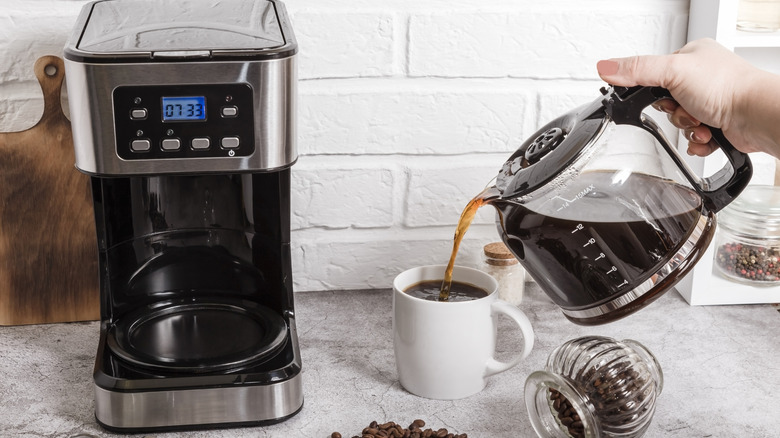
Drip coffee makers have the edge when you're serving a number of people, such as at a small party, when friends are over, or just for your family. A larger, standard 12-cup machine makes 60 ounces of coffee, since they measure a cup as 5 ounces. Regular cup and mug sizes are usually larger, from about 8 to 12 ounces. That means you can serve around five to seven people from a single full pot. By comparison, pod-based machines can only produce one cup at a time. So, if you're serving a number of people, you have to run a cycle for each one and run back and forth with the coffees.
Another bonus is a drip maker can keep any unused coffee warm in the carafe. If your guests want more, you simply have to pour it. It's helpful when you're making it just for yourself, too, and one cup isn't enough. You can brew more than you'll drink right away, and have a second serving afterward that's still warm. There is a drawback to this, though, as anyone who's had coffee that sat in the carafe too long and developed a burnt taste knows. When you've waited a longer time to get a second cup, a pod machine takes more time and effort, but it tastes better.
Drip makers save you money
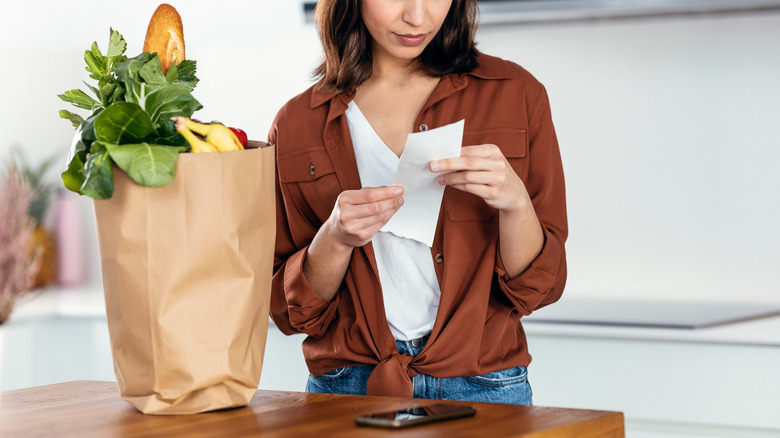
Using a drip maker is less expensive, both for the machine itself and for the coffee. Drip makers with 12-cup carafes are available for as low as about $20. The most affordable pod machines are around $30. However, drip makers come in a range of prices above this, from moderately more expensive to significantly so. Consumer Reports' highest-rated drip coffee maker in 2026, for instance, the Bunn HB Heat N Brew, comes in at $175. There are others of both types that cost still more, with some even topping $400.
There's more of a stark difference when it comes to the coffee since pods cost much more for each cup. For example, a 24-count box of Folgers Classic Roast K-Cup Pods is $15.18 at Walmart. Meanwhile, a 25.9-ounce canister of Folgers Classic Roast Ground Coffee, labeled as making up to 240 6-ounce cups (10 times as much), is $14.96 at Walmart. This can be mitigated, however, by switching to reusable pods you fill yourself.
Drip makers are more environmentally friendly
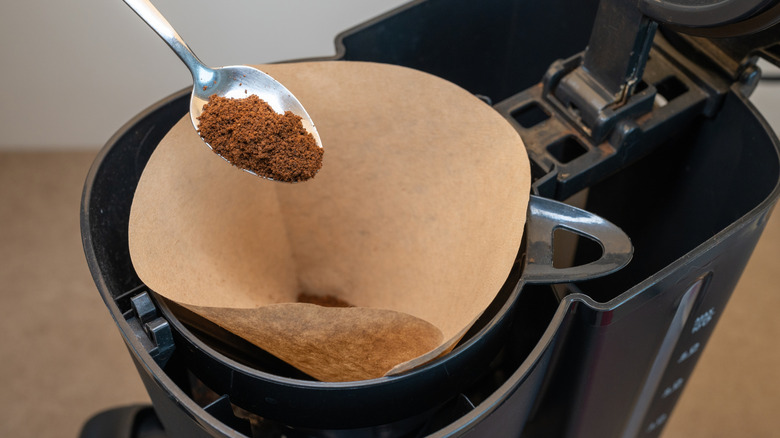
When making drip coffee, just one paper filter is required (give them a rinse before use), whether you're making it just for yourself or you're making a full pot for a number of people. They can also be reused a couple of times and are compostable, and some machines come with reusable filters that don't require a paper one at all.
Pod-based systems are less environmentally friendly because they use a separate, usually plastic, pod for each cup. More than 20 billion of them are thrown out each year around the world (per Earth911). Even if they're recyclable, it may not be that simple. The Securities and Exchange Commission fined Keurig in 2024 for saying its pods are recyclable, but not disclosing that two big recycling companies that together made up one-third of America's recycling facilities wouldn't accept them (per New York Times). The cardboard boxes the pods come in are also a factor. One standard canister of coffee is equal to many more boxes since the pods take up more space than ground coffee.
Drip makers with timers can be set up to brew in advance
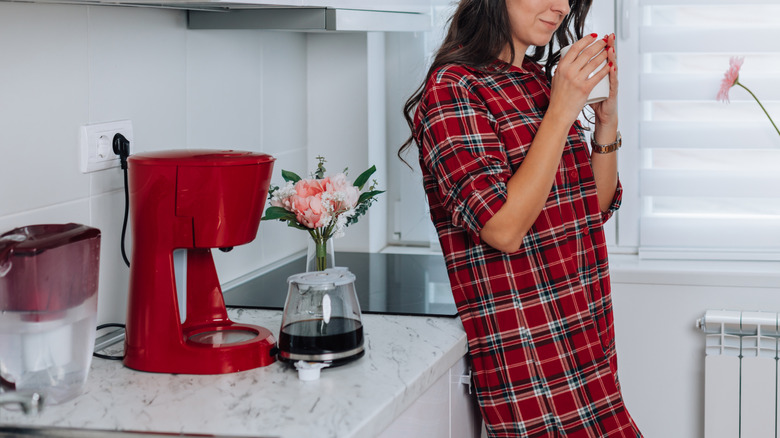
One of the advantages of drip makers is they can be prepared with the filter, coffee, and topped off water reservoir ahead of time, and most can be programmed with a timer to brew later. This is what some people do before they go to bed, so an aromatic cup is waiting for them when they sleepily stumble into the kitchen in the morning to help them wake up. Similarly, you could time it for a cup to already be brewed when you get home from work.
You can set up pod machines to an extent beforehand, such as making sure the water compartment is full, putting the pod next to it or preparing a refillable one, and putting a mug on the drip tray so it's ready to go — but you still have to wait for it to brew when you want it instead of just finding a cup ready to drink.
You can try more brands and flavors
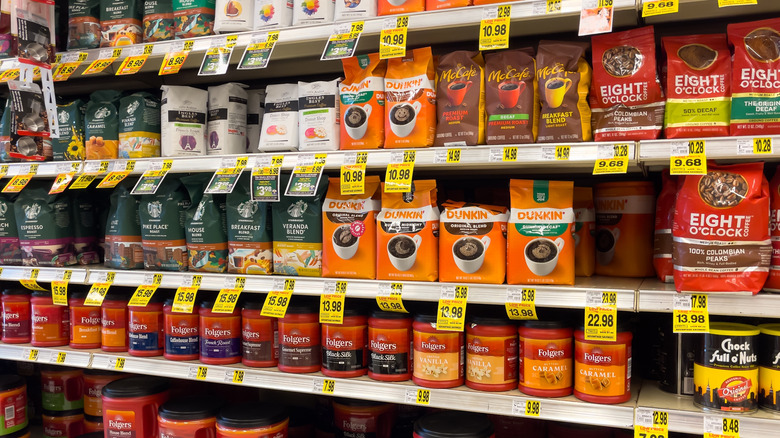
Sometimes you want to switch up your java routine and try a different brand than you usually use, or experiment with flavors that aren't your everyday brew. You can use any brand or flavor that tempts you in the store with a drip maker — or even use two different coffees in the filter at the same time to combine tastes, such as French vanilla and hazelnut.
You have less freedom with pod machines because you're restricted to available pods, and can't use two at the same time. To blend flavors, you have to make them separately and combine the brewed coffees, which can be messy and wasteful. They do have one advantage, however: If you buy a variety pack, you can sample flavors to see if you like them without having to buy a whole container of that coffee.