

What's The Difference Between Red Wine And Rosé?
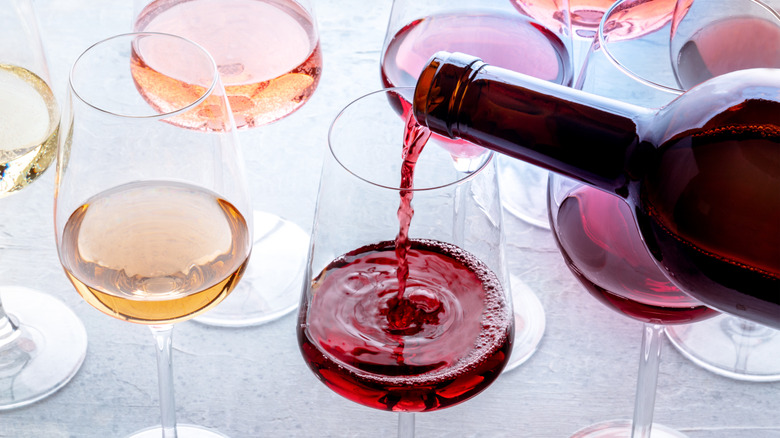
For the average wine drinker who's unscrewing a bottle at the end of a long week, the differences between rosé and red wine boil down to a few pinky-red shades. Maybe you already know that rosé is more likely to pop up poolside, condensation dripping down a chilled glass as temperatures creep up. Red wine, on the other hand, is sometimes drunk with a juicy steak, preferably in a thick knitted sweater. Beyond that, the two wines look incredibly similar. Still, there are a surprising number of differences, all of which stem from the maceration stage of the winemaking process.
Maceration may sound like a mystifying wine term, but it's simply the step in which grape skins are left in contact with the grape juice. This is also where the interchangeable term "skin contact" comes from. Red and rosé wines both start with red grapes, but in the latter's case, the skins are separated from the juice much earlier on. That accounts for the lighter colour, but other changes occur, too. As the skin and juice spend more time together to create red wine, more tannins develop, and the wine's flavor profile changes. So, even though these two wines begin as the same grape variety, there are remarkable differences in taste, serving styles, and tannins.
Rosé's history and best pairings
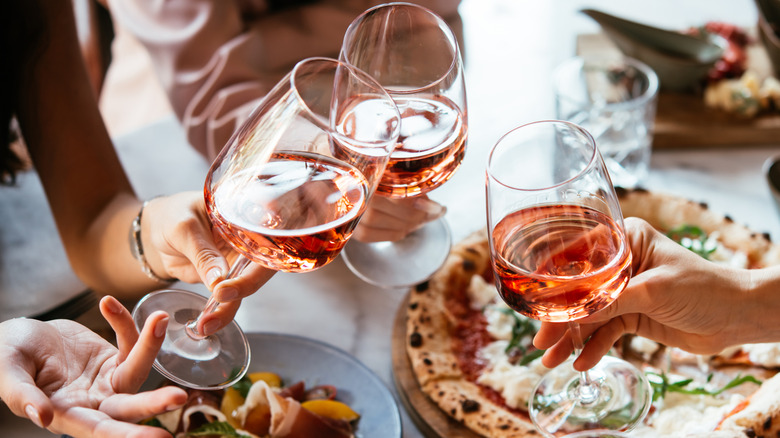
Rosé has earned an unfair reputation of being overly sweet or in some way less serious than a white or red wine. But back in ancient Greece where it's believed to have originated, this was actually most people's wine of choice. Far from a frothy party drink for the uninitiated, everyone from kings to workers preferred the lighter, less tannic taste. Eventually the Phoenicians brought the grapevines to France in 600 BCE — and as we know, the French ran with them in a big way.
But you don't have to travel all the way to Provence to experience excellent rosé. According to Forbes, the U.S. is the third-largest producer in the world. Boasting some of the best rosés around, the wines here range from pale and juicy to rich and mineral. A general rule of thumb is that rosé, unlike red wine, is best served at a cooler temperature to bring the crisp, fresh flavors to the fore. Beyond that, rosé is the versatile multitasker of the wine world. Freshen up creamy burrata with a light and mineral Provençal bottle, combine salty salami with a fruity and floral Tempranillo, or balance rich pork and salmon dishes with the white pepper notes and fuller body of a Syrah.
America's love affair with red wines and what to pair them with
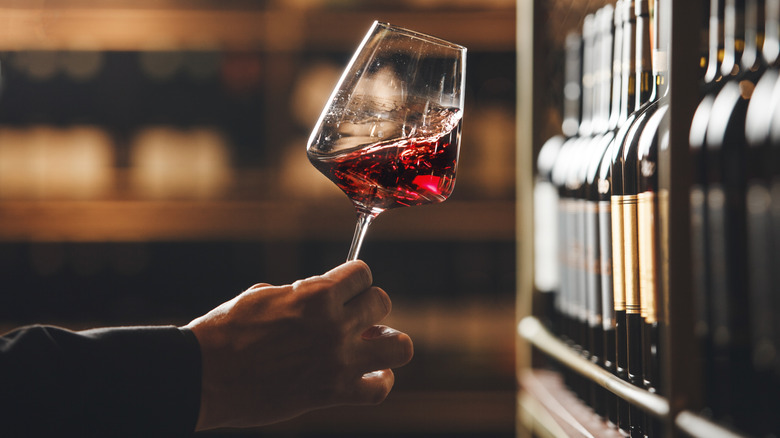
Despite making so much rosé, the U.S. is besotted with reds. A 2024 YouGov survey found that 49% of Americans who drink wine on at least some occasions prefer it to all other types. Long before red wine appeared on steakhouse menus, it was used during religious ceremonies in ancient Egypt and fueled wild get-togethers and thought-provoking debates in Greece. The U.S.'s own winemaking endeavors really kicked into gear in the 1800s. Missouri wineries produced reds on the banks of the river, and the Napa Valley gained a reputation for powerful Cabernets made from dark fruits.
Unlike rosé, which can spend just a few hours in contact with grape skins, what you should know about red wines is that they can macerate for months. That long, drawn-out courtship is what leads to robust, sturdy bottles that are high in tannins and rich in flavor. With a Cabernet Sauvignon you can lean into full-throttled richness with a slow-cooked stew or deeply savory lamb dish. Reach for a Malbec if a grilled steak is in the cards, stick to a Pinot Noir with cherry or raspberry notes to cut through creamy cheeses, and bring a bright Gamay to a barbecue. Speaking of Gamay, break dated wine rules and chill these kinds of light, lower-tannin reds for best results.