

10 Meals Middle Class Families Ate In The '90s
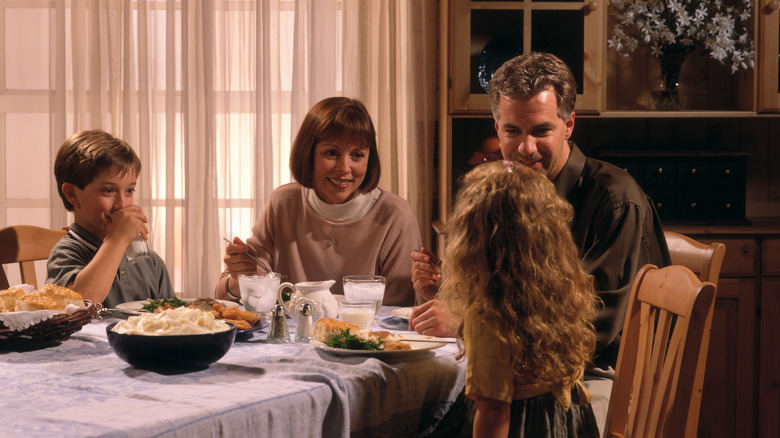
In the 1990s, middle-class families could often be found gathering around the table at dinner time, enjoying each other's company after a busy day of work, school, and other activities. To keep their evenings streamlined, many of these families relied on convenience food to cut down on prep and clean-up time; so boxed mixes, frozen meals, one-pot recipes, and canned ingredients were often the name of the game.
From hearty casseroles to frozen pizza and pot pies, there was no shortage of budget-friendly dishes that could feed an entire family without spending all night in the kitchen. Though many of these meals weren't fancy or made entirely from scratch, they were affordable, comforting, and easy to make — which is why many of these dishes have turned into nostalgic favorites for those growing up in this era.
Read on to discover the top meals that middle class families often ate in the 1990s.
Hamburger Helper
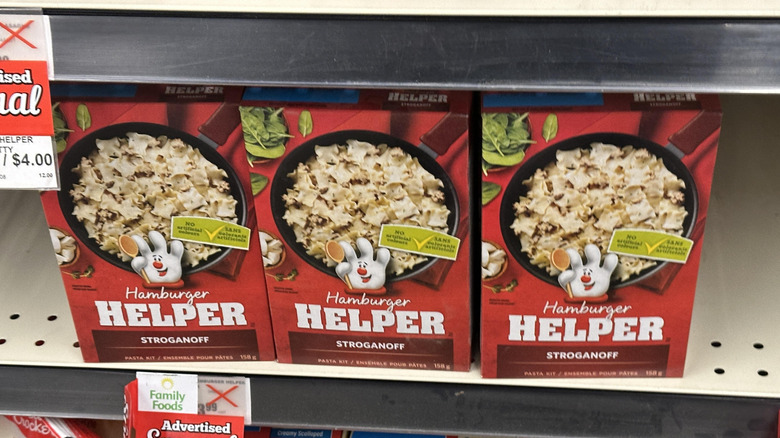
In the '90s, fast, convenient meals were the name of the game. And there was almost nothing easier than whipping up a box of Hamburger Helper. The boxed meals contained all of the ingredients you needed to make a filling and delicious one-pot meal — with the exception of a few pantry staples and the ground beef. Not only was it easy, but it was also a budget-friendly option for families looking to stretch a pound of ground beef; one box could feed a whole family for just a few dollars (plus the cost of the meat).
While the cheeseburger macaroni flavor was popular, this Betty Crocker classic also came in several other flavors, including beef stroganoff and chili macaroni. The cooking instructions for all of the flavors were basically the same: Cook the ground meat and drain, stir in water, sauce mix, and pasta. Before long, the meal was ready to go. Families could also add their own ingredients — like shredded cheese, vegetables, or extra seasonings — to put their own twist on this quick, weeknight meal.
Tuna noodle casserole
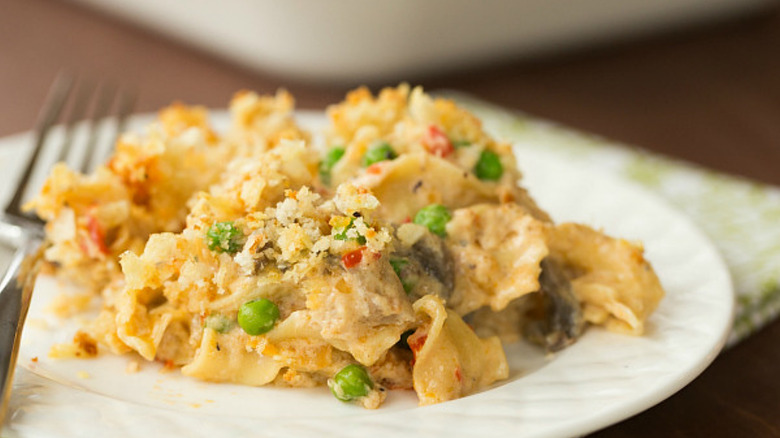
Though tuna noodle casserole wasn't new in the 1990s (the dish can be traced back as far as the late 1800s), it was as popular as ever throughout this decade. This dish, which first rose to immense popularity in the 1950s, remained a staple well into the '90s — perhaps because boomer parents wanted to serve their nostalgic childhood favorite to their children. Alongside this nostalgia factor, the dish was fast, budget-friendly, and easy to adapt with other ingredients, making it a must-have in many families' weekly dinner rotation.
Whatever the reason, the dish sounds undoubtedly delicious. The traditional tuna noodle casserole features a combo of canned tuna, egg noodles, peas, cream of mushroom soup, and shredded cheese alongside a mixture of herbs and spices. It's topped with breadcrumbs before baking in the oven to create a creamy, cheesy comfort food classic. Some families swapped in different vegetables or even subbed potato chips for breadcrumbs to give the top extra crunch. Another bonus? It reheated well the next day, so you could make a large batch for easy leftovers.
Sloppy joes
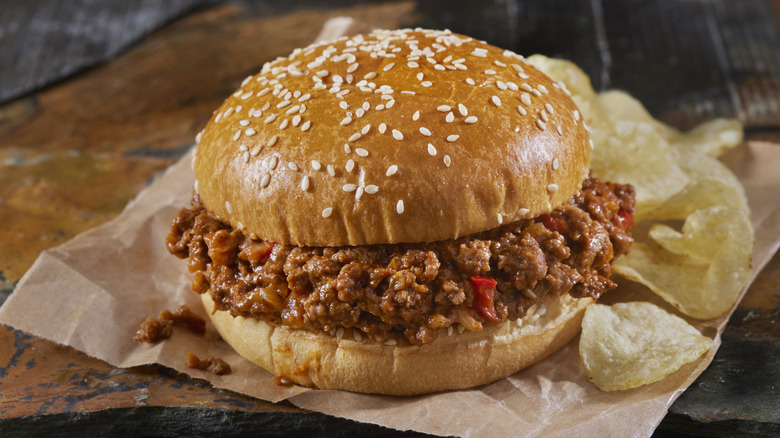
Sloppy joes have been around since the 1930s, but the dish became more widespread with the introduction of Hunt's Manwich brand, which debuted in 1969. Over the next few decades, this dish became synonymous with middle-class America, often being served in school cafeterias and at family dinner tables across the country (and often paired with other 90s favorites like tater tots).
While time-savers like the canned Manwich sauce made it easy to get dinner on the table in a flash, sloppy joes could also easily be homemade — and only take about 30 minutes. The mixture of ground beef, onions, garlic, tomato sauce, brown sugar, ketchup, and spices creates the perfect satisfying blend of savory and sweet flavors. Bell peppers, carrots, or even hot sauce were sometimes added to customize the classic recipe. Once scooped onto to a bun, the saucy meat mixture definitely lived up to its name; the saucy filling inevitably spilled out of the bread, making it a notoriously difficult to eat — but delicious — childhood favorite.
Taco kits
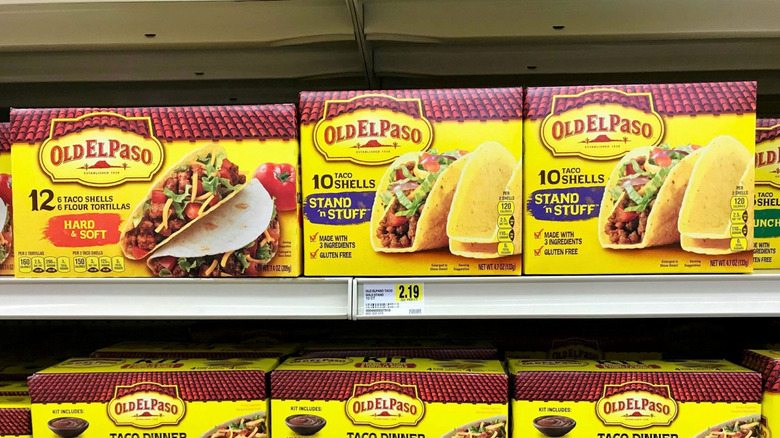
Tacos aren't anything new; they've been around since the Aztecs lived in 14th-century Mexico. But the 1990s saw a rise in the popularity of a more modern interpretation of taco: the taco kit. Like many popular dishes of the '90s, the taco kit was all about convenience. These prepackaged boxes included almost everything a family would need to put together a fast and easy taco night.
Introduced to grocery stores in the 1970s, taco kits typically contained crunchy taco shells, a seasoning blend, and taco sauce. All that was left was to brown some ground beef, chop up a few toppings, and assemble the tacos. Shredded cheese, lettuce, diced tomatoes, and sour cream were popular additions; bowls of toppings were typically placed on the table so every family member could make their own tacos exactly to their liking.
Brands like Old El Paso pushed these kits in their advertising in the 1990s, driving popularity through memorable marketing. While these ground beef-filled tacos were a distinctly Americanized take on Mexican cuisine, they quickly became a weeknight staple for many '90s families.
Fish sticks
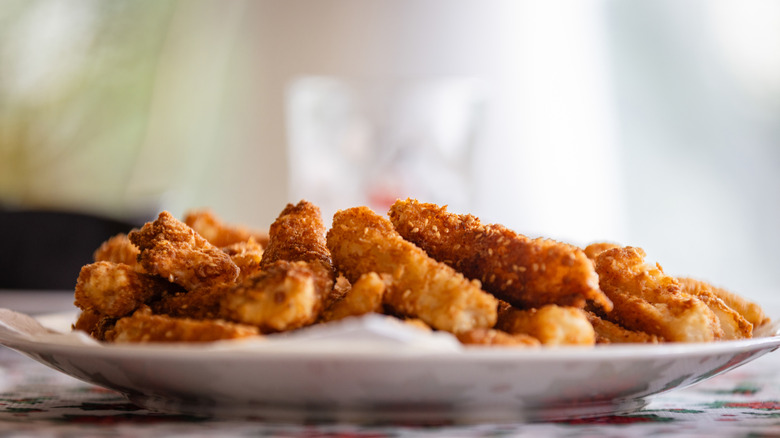
Fish sticks weren't new to the 1990s. In fact, this frozen dinner was first introduced in 1953 by Birds Eye. They quickly gained popularity, in part because of the Saltonstall-Kennedy Act that supported fisheries and the National School Lunch Act, which helped create steady demand for fast, affordable, and child-friendly meals.
But the love for fish sticks didn't stop in the 1990s. During the COVID-19 pandemic, demand for fish sticks surged because of the continued appeal of their accessibility and affordability. Even decades after they were first introduced, fish sticks remain a nostalgic and familiar comfort food for generations.
The mild flavor and breaded exterior of fish sticks make them particularly appealing to kids, while the convenience makes them a favorite for busy parents. When paired with a side of tartar sauce, cocktail sauce, or ketchup — and a helping of french fries — it's a satisfying dinner that can go from freezer to dinner table, with minimal time and effort.
Meatloaf
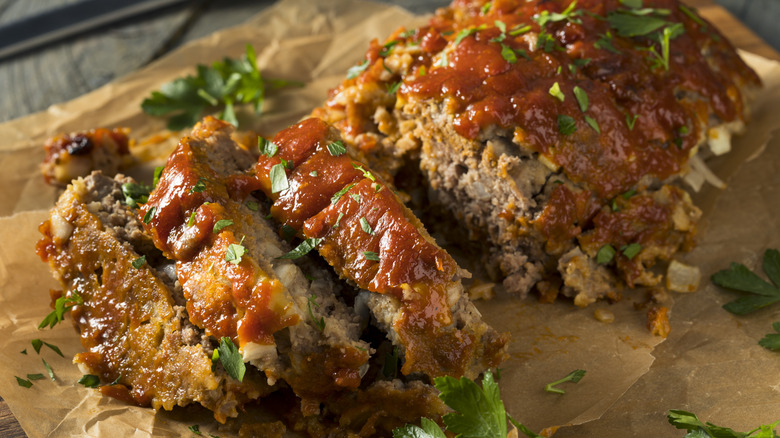
Meatloaf's origins stretch way beyond the 1990s, all the way to the Roman Empire. And while the meatloaf the Romans ate may not exactly resemble this classic, it set the stage for this nostalgic meal. It was an inexpensive, filling staple for Americans during the Great Depression and both World Wars, and when mechanical meat grinders became more prevalent in the 1960s, meatloaf really began to take off.
This popularity continued through the '70s, '80s, and '90s because, like many of the dishes on this list, it was fast, filling, and affordable. To make traditional meatloaf, ground beef is mixed with budget-friendly filler like breadcrumbs or crackers, along with spices, onions, and a few other ingredients, before baking in a loaf pan. It's often paired with equally affordable sides, like mashed potatoes, for a low-cost meal. Plus, the leftovers make for delicious meatloaf sandwiches, so it's a dish you can eat for dinner and reinvent the next day.
Stuffed crust pizza
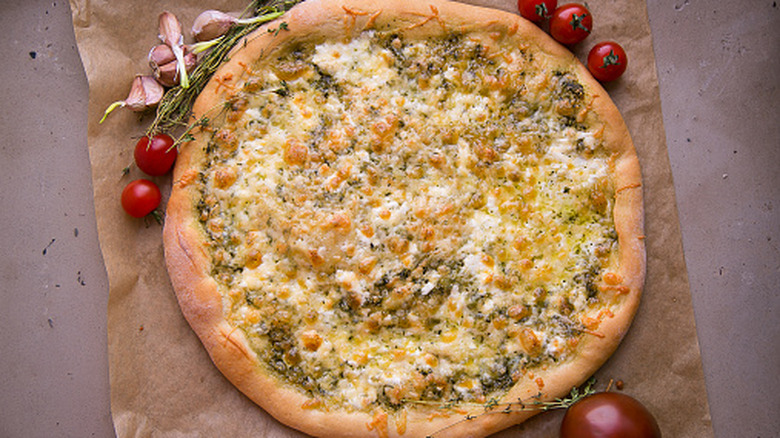
Stuffed crust pizza was first patented in 1987, and it skyrocketed to fame when Pizza Hut added it to the menu in 1995. The brand did a major marketing campaign, launching commercials with celebrities like Donald Trump and the animated ghost Casper from the movie of the same name.
This pizza gained so much popularity throughout the 1990s that DiGiorno introduced its own version in 2001, with brands like Papa John's and Domino's following suit later in the 2020s. And it's understandable why this dish became — and stayed — popular. The gooey, delicious pizza consists of a classic base of red sauce topped with mozzarella cheese.
But the real difference is when you reach the crust. Instead of the doughy, bread-based crust you'd expect, the stuffed crust alternative is filled inside with more melty cheese. It was so delicious that Pizza Hut did an entire marketing campaign about eating your pizza backwards (starting with the crust) to indulge in this decadent bite first.
Shake 'n Bake chicken
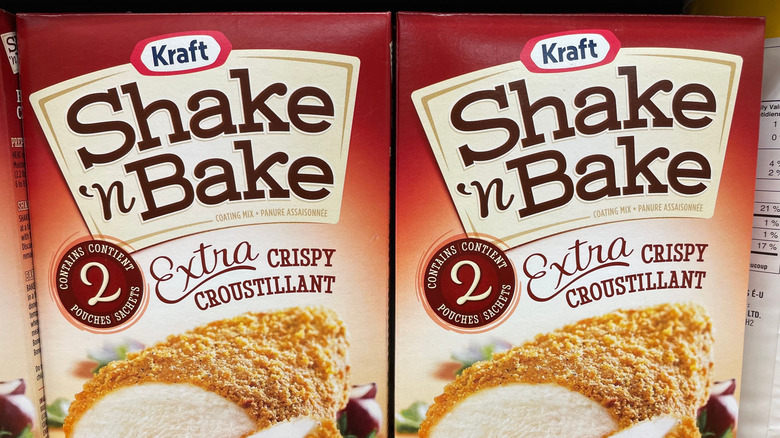
Shake 'n Bake was not new to the 1990s. This iconic meal, which was first introduced in the 1960s, rose to fame after a memorable television commercial featuring actress June Lockhart. Over the following decades, this convenient ingredient's popularity grew, becoming a handy staple for middle-class American families. Not only did it fit effortlessly into busy lifestyles, but it was also viewed as a healthier alternative to classic fried chicken.
The boxed mixes were designed to quickly and easily coat chicken. After preheating the oven and moistening chicken with water, all you had to do was drop the chicken into the shaker bag, shake to coat, and bake. The seasoned breadcrumbs created a crunchy coating while keeping the chicken moist, making it a flavorful and welcome alternative to plain baked chicken.
Besides the classic "Original Recipe," families could also choose from other Shake 'n Bake varieties like Tangy Honey Glaze or the Shake 'n Bake pork mix. When paired with a side of equally convenient instant mashed potatoes or canned veggies, you had a classic 1990s family dinner on the table, with minimal effort.
French bread pizza
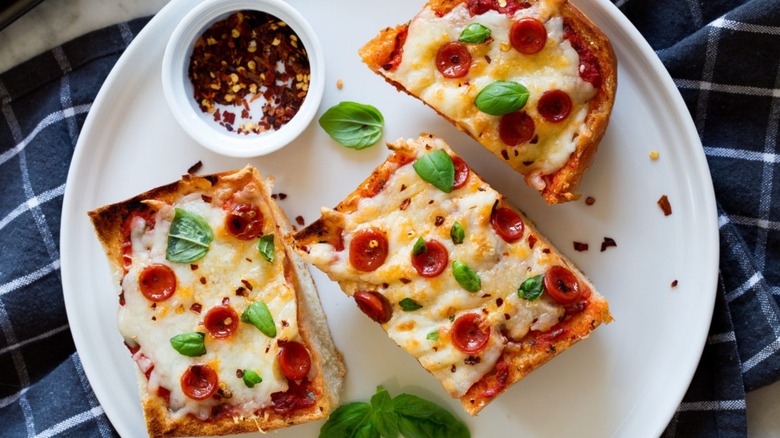
Frozen French bread pizza was a staple for many in the 1990s. Not only was it often served around family dinner tables, but it could also be found in school cafeterias, college dorm rooms, and any other setting where convenience, flavor, and affordability reigned supreme.
Unlike traditional pizzas, French bread pizza has a thick, chewy bread base that gets crispy around the edges when baked. This more substantial texture sets it apart from other frozen pizzas, and makes it particularly satisfying. Among the most iconic French bread pizzas was Stouffer's, featuring large, boat-shaped halves of French bread topped with tomato sauce and cheese. It came in several varieties, ranging from plain cheese to deluxe to pepperoni.
Though this dish may have faded from the spotlight in the past few decades, it's still a nostalgic favorite that's available at many grocery stores. Whether you're longing to relive a childhood favorite or introducing the dish to a new generation, French bread pizza might deserve a spot on your next grocery list.
Chicken pot pie
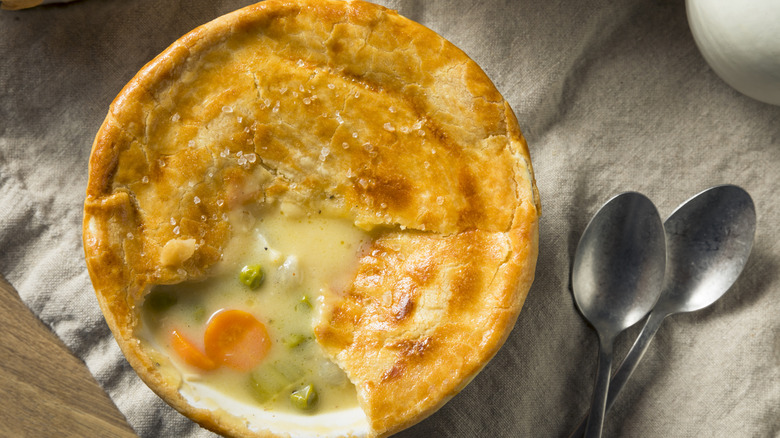
Though chicken pot pie has origins that tie back to medieval times, it's a dish that took the 1990s by storm centuries later. It was first popularized in its frozen form in the 1950s, when frozen convenience foods were on the rise. That trend continued into the following decades, with brands like Stouffer's and Marie Callender's stocking grocery store shelves with variations of this comforting favorite that required little effort for a hearty dinner.
The introduction of KFC's chicken pot pie in 1995 also helped bring this comforting classic to the fast food world. Busy families could now pick up a hot chicken pot pie on their way home, eliminating the need to prepare dinner from scratch or wait for a frozen version to bake.
Perfect for the colder months, old fashioned chicken pot pie features a buttery crust and a creamy filling packed with veggies like carrots, peas, and celery, alongside tender chicken. This well-rounded ingredient list makes for a complete and satisfying meal that doesn't require any side dishes or add-ons. What's not to love?