

What Is The Typical Lifespan Of An Instant Pot Pressure Cooker?
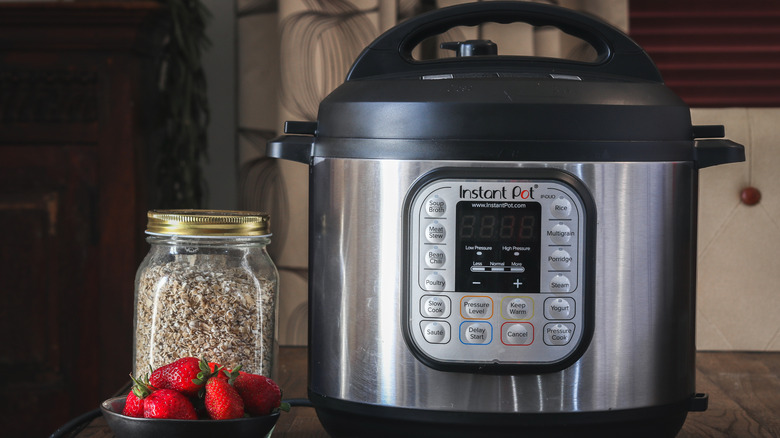
The Instant Pot pressure cooker is a useful kitchen appliance that can replace multiple other devices, putting dozens of recipes at your disposal. Don't have space in your cabinets for a rice cooker, slow cooker, pressure cooker, induction burner, electric steamer, yogurt maker, and warming tray? Buying an Instant Pot might be the solution.
But is it a sound investment that will last long enough to make the cost worth it? While we can't tell you how worthwhile a purchase is to suit your lifestyle and budget, we can say that the typical lifespan of an Instant Pot pressure cooker is two to eight years. The exact mileage you get from your Instant Pot does vary based on model, frequency of use, and how well it is taken care of. The more often an appliance is used, the more wear it accumulates. You should be wiping down both the Instant Pot's base unit and heating element with a damp cloth after every use. The inner pot, steam rack, steam release and float valves, and anti-block shield should also be cleaned after every use to avoid buildup.
Individual parts will need to be replaced over time to keep your Instant Pot running efficiently. The silicone sealing ring, which retains odors and loses its elasticity over time, needs replacing the most often, every 12 to 18 months. Not replacing it after it's worn down is a mistake that people too often make. Rings, inner pots, lids, and other replacement parts can be purchased directly from Instant Pot.
Signs it's time to replace your Instant Pot
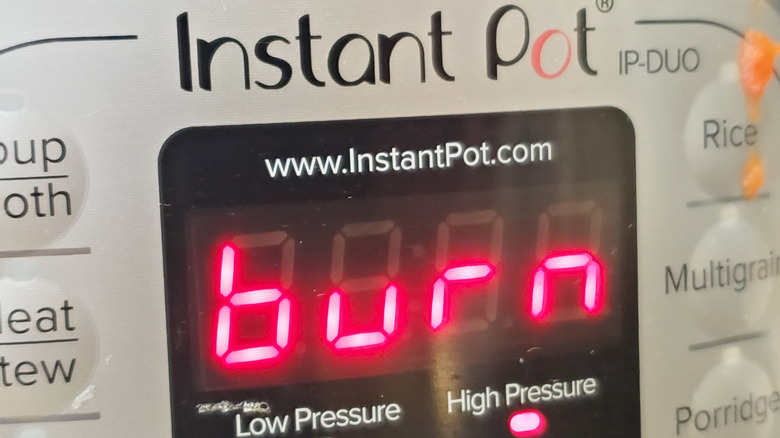
Just as there are signs it's time to throw away your cooking utensils, there are warnings you should heed when your Instant Pot is reaching its end. Certain components that have worn out or been damaged can and should be replaced for the sake of safety, and doing so will lengthen the life of the appliance. Signs of severe aging, like cracks, rust, and discoloration (an indication that the coating or finish is coming off), can affect the integrity of the pot and should not be ignored.
Mechanical failures are harder to disregard. The first thing you might notice failing is the Instant Pot's performance. When the temperature sensors start to go, maintaining the desired cooking temp becomes difficult, which can lead to improperly cooked food. A malfunctioning pressure valve can also lead to mixed cooking results as well as problems releasing pressure. When the buttons stop responding, it may be time to throw in the towel and consider an upgrade to a new appliance.