

3 Red Wines To Try If You Like Pinot Noir
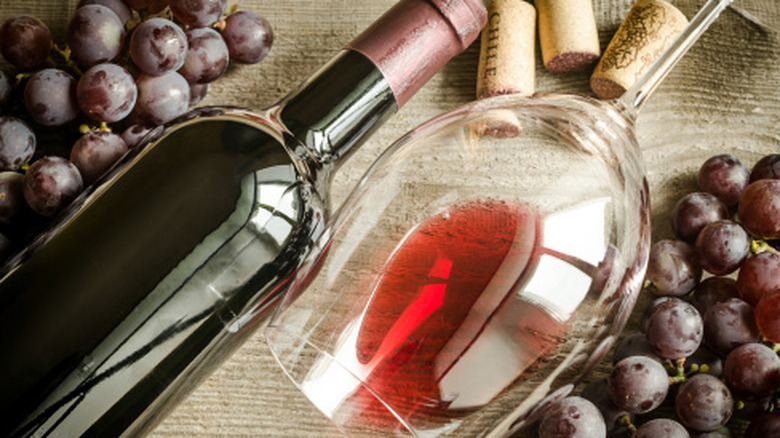
As of 2026, a good bottle of pinot noir can run $30 to $300 or more — though you might be able to save by selecting a domestic bottle. And since it's not always a pinot noir night, we spoke with Charles Smith, winemaker for House of Smith, K Vintners, Real Wine Collective (focusing on purity and quality), and more for his recommendations for the three best wine varieties pinot noir lovers should try.
"Grenache ... can have a weightless and ethereal quality that in its best moments provides the same pleasure of pinot noir, aka burgundy. Nebbiolo/Barolo [is] the Italian answer to burgundy and equally noble. Last but not least, top-notch gamay noir, aka Beaujolais, can give the same pleasure with an extra dollop of freshness," he graciously shared.
And when you want to try something a little different than pinot noir but don't see these options available, there are additional expert-recommended wine varietals to try if you like pinot noir. For example, two are Barbera (bold, affordable, and great with Italian food) and Frappato (fruity and flexible). Enjoy the tasting adventure!
What is grenache and how to enjoy it
Grenache is one of the most common grapes in the world, an adaptable and beloved wine grape. It is grown in about 456,000 acres worldwide, with the vast majority of growing acreage in France and Spain, with the United States, Italy, and Australia following behind. The grape works well in either bold reds or rosé formats and is consistently balanced and drinkable. Some of the most famous grenache wines are those made by Châteauneuf-du-Pape in France's Rhône Valley.
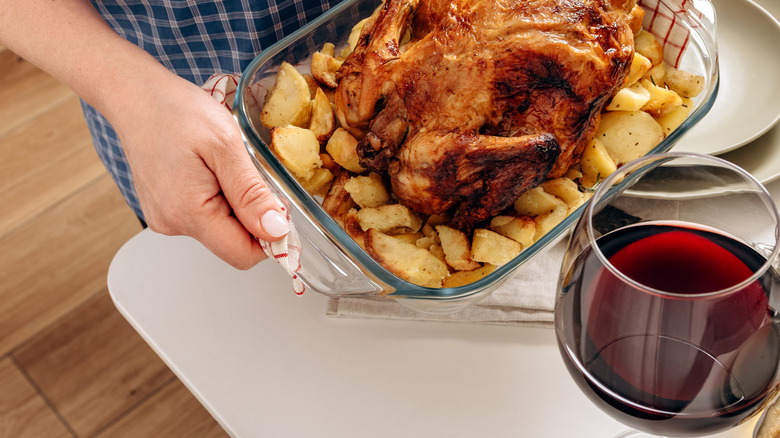
Grenache is lighter-colored, with a higher alcohol content that gives it medium weight. It often tastes of white pepper and red fruit, and sometimes warmer flavors like cinnamon, anise, citrus rind, herbs, or tobacco. Grenache's flavors and weight can complement varied flavorful meats, vegetables, or ethnic foods — even spicy ones. Charles Smith's take? He recommended, "For a grenache, you can't beat [pairing with] delicious roasted chicken."
What is Nebbiolo/Barolo and how to enjoy it
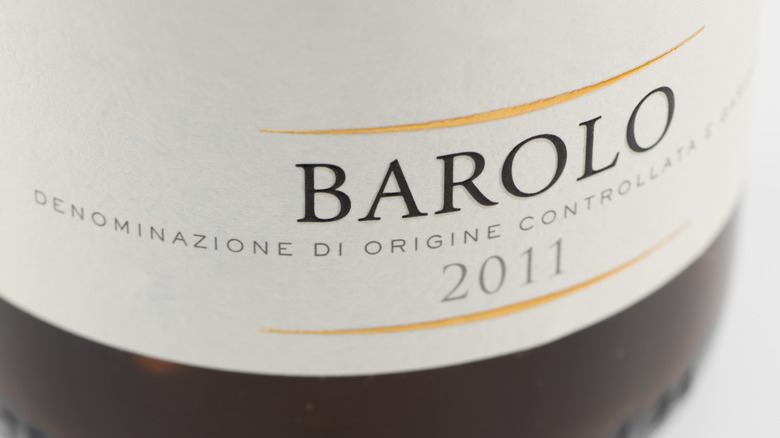
Barolo wine has been around since the 1200s, beloved by Italian high society. According to Italian DOCG regulations, Denominazione di Origine Controllata e Garantita, Barolo wine, created from 100% Nebbiolo grapes, must be aged for 18 months in small oak barrels, aging for at least three years overall. It is very dry, full-bodied with noticeable tannins and acidity. Though this wine is a light-colored red like pinot noir, the tannins and acidity are more similar to cabernet sauvignon.
Not all Nebbiolo grapes qualify to make Barolo wine, as in order to be deemed Barolo wine, the grapes must be grown and the wine produced in the specific Piedmont area of Italy. The grapes get their name from the Italian word for fog, referencing the often-foggy area where they grow. Nebbiolo grapes age well, and most commonly have notes of roses and tar, sometimes also reminiscent of red fruit or truffles. To best enjoy this wine, Charles Smith recommended, "With Nebbiolo being from northern Italy, you can't go wrong with risotto, particularly with white truffles." Other foods that go well with Barolo wine include red meat, mushrooms, and pasta with meat sauce.
What is gamay noir and how to enjoy it
Gamay noir is recommended for pinot noir lovers, as the gamay grape comes from the pinot noir grape and gouais blanc white grape. It is formally called gamay noir à jus blanc. Gamay grapes grow in Beaujolais and the Loire Valley in France, Canada, Australia, California, and Oregon's Williamette Valley. The grape is particularly famous for the purple wine from Beaujolais, where it has been grown since the 1400s. Gamay noir wine is often red fruit-forward, with higher acidity.
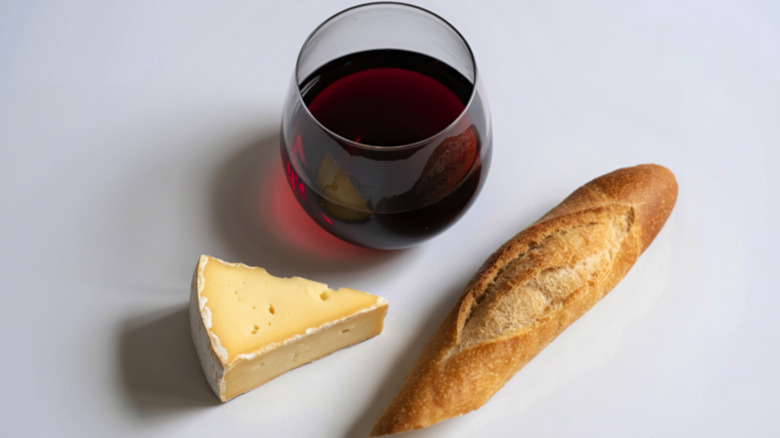
Gamay complements many different foods. Charles Smith suggested, "With a gamay, give me a warm crusty baguette and a big slice of aged cow's milk cheese. Say no more." Some other ideas are building a charcuterie board that includes cheese, olives, bread, or lighter meats, as well as fish, seafood, even burgers, or plant-based meals. According to Firstleaf, "Its moderate acidity stands up to flavors from Asian stir-fries to Moroccan tagines."