

10 Wine Varietals To Try If You Like Pinot Noir

Wine can be tricky to get your head around. Whether you're a total beginner or you know how to order wine like a pro, there's always more to learn. Often, the best place to start expanding your knowledge is with what you already like, so if you enjoy pinot noir, there are other varietals to try.
In search of the best recommendations, I spoke to six wine industry experts. Certified sommelier Elia Chuaqui works for Hudson Local wine bar and restaurant in NYC. Kelly Boutwell is co-founder of Lost & Found and Birdie's Wine Bar. Josh Trapani is the beverage manager at Dunn Hospitality's three locations The Pheasant, Baleine, and Dunn & Sons Wine. Annie Edgerton is a certified sommelier and a wine appraiser, writer, and educator who runs Edgerton Wine Appraisals and Wine Minx. Kiara Boccia-Fenlason is a winemaker at Mia Marie Vineyards and certified sommelier. And, last but not least, Chris Fulkerson is dean of wine at Browne Family Vineyards. Between them, they came up with some amazing recommendations for pinot noir lovers.
As a light-to-medium-bodied red, pinot noir is an approachable crowdpleaser. But, as with all wines, it can vary depending on factors such as where the grapes are grown, age, how the grapes are harvested, and how the wine is made and fermented. So, here are 10 wine varietals to try if you like pinot noir, but pay attention to the specifics, because some have that classic red fruit brightness, whereas others have the earthier notes certain pinots are known for.
1. Gamay
Four of our six experts recommend gamay as an ideal wine for fans of pinot noir, which makes it a solid choice. Like pinot noir, gamay is a light-bodied red, which has delicate tannins, a bright acidity, and red fruit flavors, so it seems like the perfect choice for those who want to branch out but don't want to stray far from what they know.
"Gamay is for the drinker who loves pinot noir for its red fruit, freshness, and easy-drinking elegance, rather than for its oak or weight," Elia Chuaqui tells us. "It is particularly appealing to someone who enjoys a juicy, approachable wine with enough acidity to remain refreshing and enough nuance to pair well with food." She notes that the main difference is that gamay is particularly juicy with big fruit flavors, while pinot noir can be more aromatic with a greater range of earthy notes.
Gamay is the grape that's used to make Beaujolais. "Pinot noir is expensive and wonderful while gamay can be highly affordable, finding a good bottle for $15," Chris Fulkerton says. "I use gamay/Beaujolais when I want a fun, less serious alternative to pinot."
"Gamay differs from pinot noir in some of its fruit expression, and as gamay is often vinified either fully or partially by a process called carbonic maceration, there can be some lifted high-tone raspberry and bubblegum notes in the mix," notes Annie Edgerton. "But most pinot noir drinkers will probably find a gamay they like."
2. Poulsard
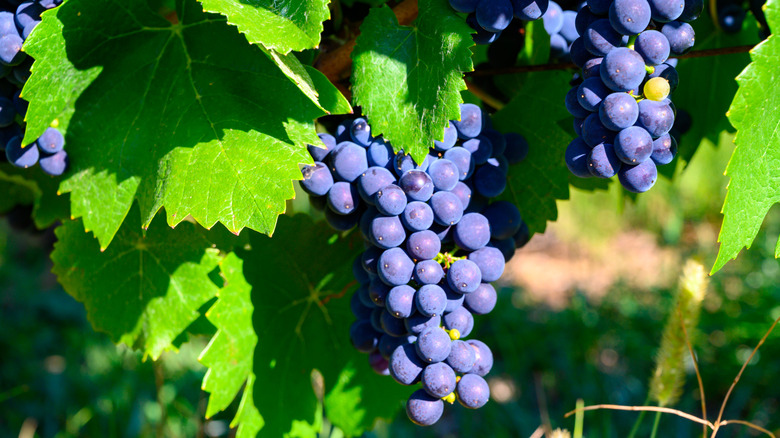
What you should know about red wine is that there are so many distinct varieties. You have the big hitters, like pinot noir, merlot, and cabernet sauvignon, but then there are the lesser-known gems. Poulsard is one such varietal, and a good choice for folks who like pinot.
"Poulsard is a cool one, from the Jura region of France, which is only about an hour southwest from Burgundy (the birthplace of pinot noir)," says Josh Trapani. Many small producers in the region make it with minimal intervention, so it's ideal if you're hoping to venture into natural wines. Also known as ploussard, this is one of the lightest bodied reds around, so it will appeal to anyone who enjoys pinot noir because it isn't too heavy.
"It shares that same red fruit and light to medium bodied backbone as pinot noir but leans a little lighter with definitive higher acid due to the region's higher altitude and colder climate," Trapani explains. Like pinot noir, this is a fruity and bright wine, but there are also some bottles with earthier notes, if that's the side of pinot that you're into. It's not necessarily a varietal that you'd be able to pick up in a supermarket or basic liquor store, but head to a quality wine store and someone should be able to point you in the direction of a good poulsard.
3. Grignolino
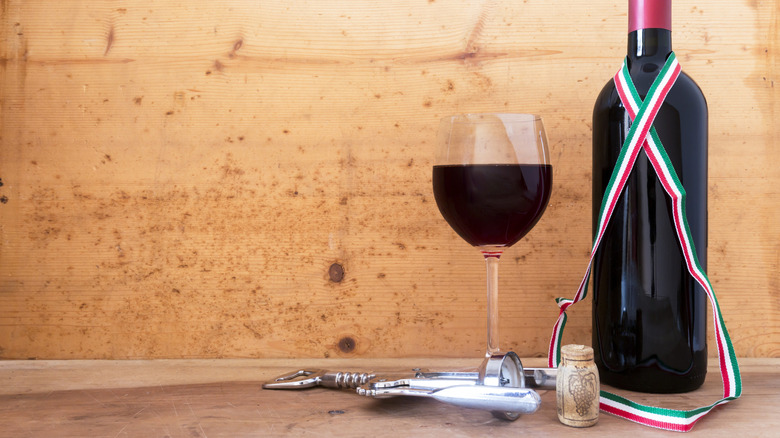
"Another wine pinot noir lovers should check out is Grignolino," Annie Edgerton advises. Grignolino is a red grape from Piedmont in Northwest Italy, grown mainly around Asti and the Monferrato hills. It's not one of the most common Italian varieties, getting less airtime than something like Barolo or Barbera, but it's worth a mention when discussing wines that pinot noir fans might enjoy.
"These wines are full of crunchy red-berry fruit, but with a charmingly rustic edge," Edgerton remarks. To look at, it's fairly pale and translucent, like pinot noir, but it can have more of an orange tinge. It's also brightly acidic like pinot, but the big difference is that the tannins are significantly heavier.
Edgerton describes Grignolino as "light, quaffable, but not silly" and notes that it "may surprise pinot noir lovers with firm tannins that kind of sneak up on you." So, if you like the fruitiness of pinot noir and don't mind some extra tannic bitterness, this might be the wine for you. "Break out a charcuterie board and pour some Grignolino and you may find yourself asking, 'pinot who?'" Edgerton quips.
4. Grenache
Grenache (also known as garnacha) is a grape varietal that thrives in hot environments and is grown widely across the Mediterranean, probably originating in Spain. Like pinot noir, it can vary depending on where and how it is made. But, "both generally offer lighter to medium-bodied wines with beautiful red fruit, and often have an herbal or even earthy depth," Kiara Boccia-Fenlason tells us.
"Grenache is a lovely alternative to pinot noir," Chris Fulkerton remarks. He appreciates that it can grow in climates that are very hot in the summer and very cold in the winter, whereas pinot noir prefers a more temperate climate. "It is light to medium body, has similar cherry, strawberry notes to pinot but also brings a little herbal note along as well such as rosemary, sage, and star anise," he says.
"I think a pinot noir fan would be surprised by how similar the fruit characteristics are," Boccia-Fenlason says. "Both varieties have strawberry and cherry notes and can easily be paired with the same foods," she adds. However, she notes that grenache often trends toward being slightly more full-bodied as it stays on the vine longer.
Annie Edgerton particularly recommends Australian grenache to pinot noir fans "for the cherry fruit and fresh herbs character but warm and a little oomphier." Kelly Boutwell, on the other hand, notes that grenache is a good choice for "someone who enjoys the intensity of pinot noir from a place like Central Otago in New Zealand, who wants a little more elegance and florality."
5. Mencía
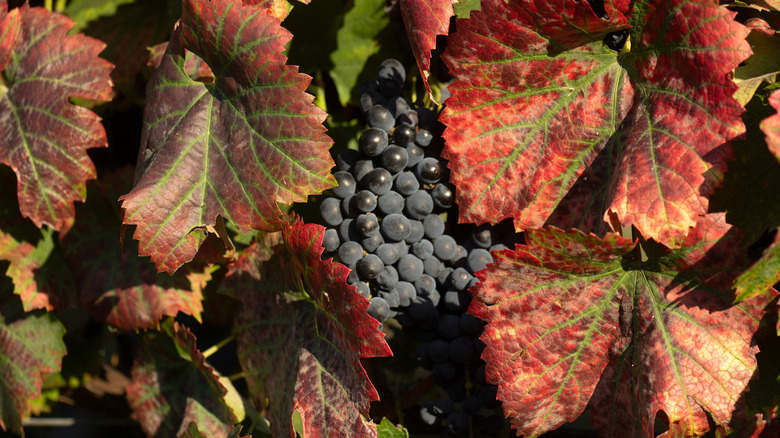
If you like pinot noir but are looking to experiment with something slightly fuller bodied, mencía is a perfect variety to explore. While pinot noir is light-to-medium in body, mencía is solidly medium-bodied, with more robust tannins. However, it's still fruity and approachable, so it's not straying too far from what you know and love.
"Mencía can offer a combination of red fruit, floral aromatics, freshness, and relatively supple tannins that makes it appealing to pinot noir drinkers," Elia Chuaqui tells us. However, the terroir is important. When the grapes are grown in cooler climates, this wine is a little more elegant and complex, with the fruity notes fading somewhat into the background.
"Compared with pinot noir, mencía often brings more herbal, peppery, and mineral characteristics, with a somewhat darker fruit profile in some examples," Chuaqui explains. "Its tannins can also be more noticeable, depending on the region, ripeness, extraction, and winemaking." This isn't a wine that's going to taste identical to pinot noir, but rather focuses on complexity and freshness.
"Mencía is for the adventurous pinot noir drinker who values nuance and terroir over sheer concentration," says Chuaqui. "This drinker may enjoy the more savory, mineral, and herbal side of pinot noir." If you're looking to branch out into wines that are slightly less fruit-forward than pinot with a greater deal of savory notes, try a bottle of mencía. It might be one of the best wines you've never heard of.
6. Tempranillo
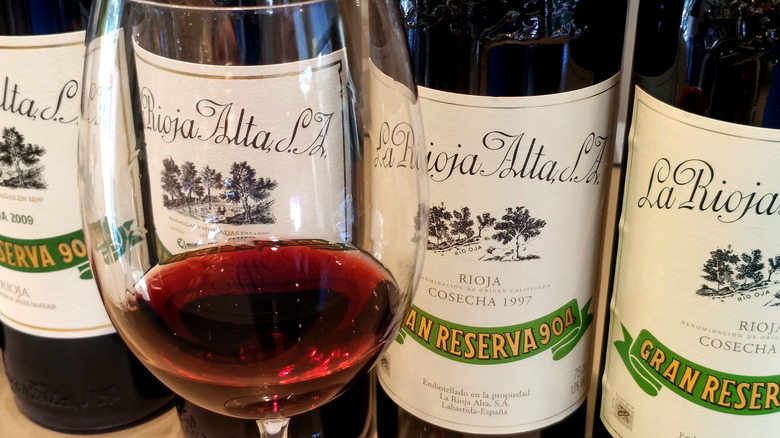
It's not the most obvious pick, but Kiara Boccia-Fenlason is adamant that tempranillo can be a good choice for pinot noir fans. It all just depends on how the wine is made. So, if you choose the bottle carefully, you might be surprised at how light and approachable it can be.
"At Mia Marie Vineyards, I make tempranillo in six different styles some vintages; ranging from rosé Pét-Nat to Gran Reserva inspired red," Boccia-Fenlason says. "In between those two styles, tempranillo can make a beautiful medium-bodied red wine that is red and black fruit driven with smooth tannins, similar to pinot noir," she remarks. She tells us she has even fermented it with carbonic maceration, so that it turns out light-bodied and chillable. But, how it's aged matters. "If you put it in American oak you are going to get dill or spicy notes that are a little more intense than those you might get from pinot noir," Boccia-Fenlason explains.
Fans of pinot noir should look out for a new world tempranillo that's made in a non-traditional (non-Rioja) style. "Tempranillo has so much versatility that it can truly be made in a medium-bodied style that is bright and chillable," Boccia-Fenlason says. "I think a California pinot noir drinker might enjoy new world tempranillo because they are often handled similarly," she adds. Both tend to have dark fruit notes and vanilla and cedar tones when aged in French oak.
7. Frappato
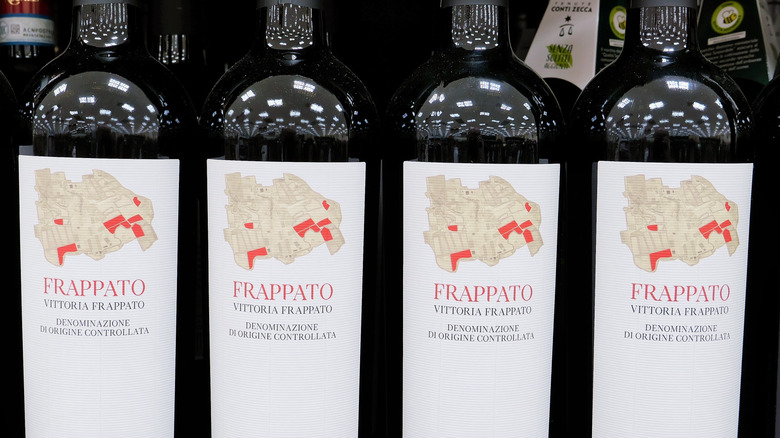
Pinot noir lovers who are particularly drawn to the lightest, fruitiest bottles should give frappato a try. This is fresh and fruity wine that still has plenty of complexity and character. It's worth looking out for when you want something that's not too heavy and versatile enough to pair with most food.
"Frappato is light-bodied, aromatic, fresh, and low in tannin, with notes of red cherry, strawberry, rose, and herbs," says Elia Chuaqui. "It shares pinot noir's delicate structure and red-fruit profile, but often has a more exuberant, floral, and Mediterranean character," she says. It's an Italian variety of grape, so if you tend to like fruity Italian wines, this type of red wine could be for you.
"The ideal drinker is someone who loves lighter-bodied, silky pinot noir and prioritizes freshness and aromatics over oak or concentration," Chuaqui remarks. "Choose it over pinot noir for a warm-weather meal, lightly chilled red wine service, or Mediterranean dishes where a fresh, aromatic red would complement rather than dominate the food," she adds.
Frappato is particularly good served chilled, so it makes an excellent summer red, as well as going down beautifully at room temperature when the weather gets cooler. It's an extremely versatile wine that's easy to drink, fresh and fruity, and pairs well with food.
8. Sangiovese
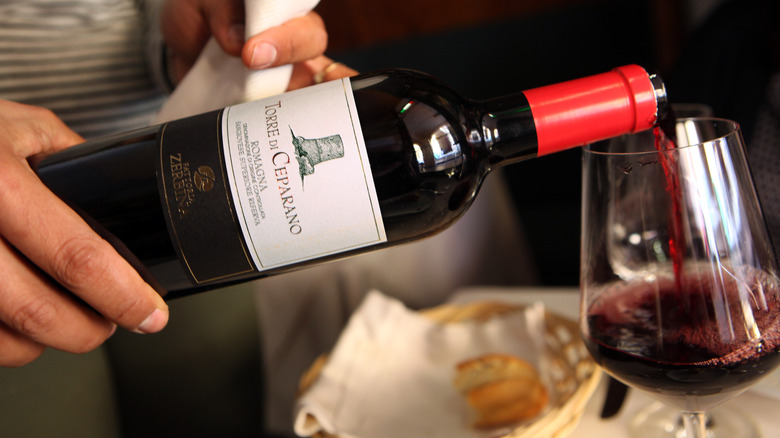
Those who like the earthy side of pinot noir and appreciate its bright acidity might like a sangiovese. This was recommended by both Kelly Boutwell and Kiara Boccia-Fenlason, who recognized that it's a bit of an off-piste choice, but that is what makes it particularly great for anyone who wants to branch out while staying fairly safe.
"I think sangiovese and pinot noir share the ability to highlight the earthy side of the varietals, while still being fruit driven," Boccia-Fenlason notes. However, she remarks that they do differ in their tannin levels and the acidity hits different: "Pinot noir can be more tannic depending on where it's from, and sangiovese is known for being a good acid driven red for tomato based pairings."
Sangiovese can be earthy and herbal, but it's a varietal that varies greatly depending on where the grapes are grown. "I like to try sangiovese from the new world, it can be more fruit driven with hints of earth; it's such a terroir driven varietal," Boccia-Fenlason says. "I would choose a sangiovese over a pinot noir if I need a slightly brighter acidity, or maybe am having a tomato-heavy dish."
According to Boutwell, sangiovese "shares that red-fruit character, with a little more structure and rusticity." When does she like to drink it? "When I'm eating Tuscan food, especially tomato and vegetable forward dishes," Boutwell tells us. "The food drives the choice here, and this wine won't overpower the meal."
9. Barbera
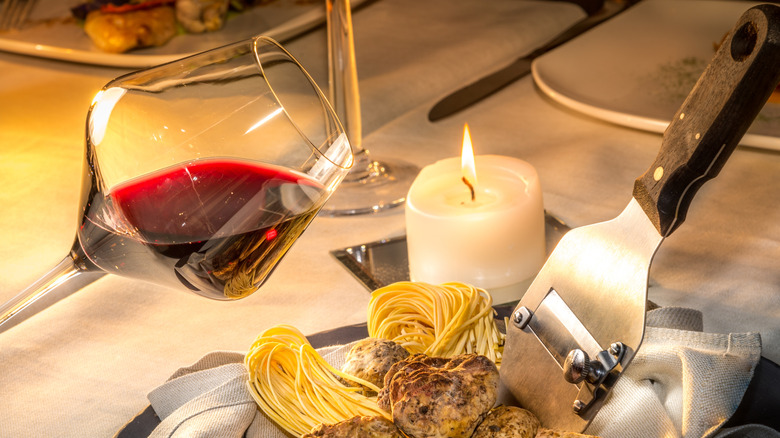
If you appreciate the soft tannins of pinot noir, but you could take a little more body in general, barbera should be the next varietal on your list. This Italian wine is more robust than an average pinot, but it's still relatively delicate and beautifully fruity.
"While being a bit darker and having more body, barbera still has low tannins and is very approachable," Chris Fulkerton explains. "What I like about it is that it will bring a little more dark fruit (blackberry, plum) to the table along with the red fruit," he adds. So, if the fruitiness is what you like about pinot noir, but you want even more, this could be the wine you've been dreaming of.
"I recommend it because pinot lovers like the lack of tannins and barbera delivers on that front," says Fulkerton. Tannins bring bitter notes and a dry feeling that is what puts some folks off a lot of red wines, so the low tannins are notable here and are particularly appealing to a lot of pinot fans. "I use barbera when I want to do something as a pairing with Italian food (pizza and pastas), and when I want something a little less delicate than a pinot," Fulkerton tells us.
One of the other benefits over pinot noir is that it tends to be more affordable. It's among the cheap wines that sommeliers recommend. Like any wine, some bottles are pricier than others, but you can find some highly affordable bottles that come recommended.
10. Jura reds
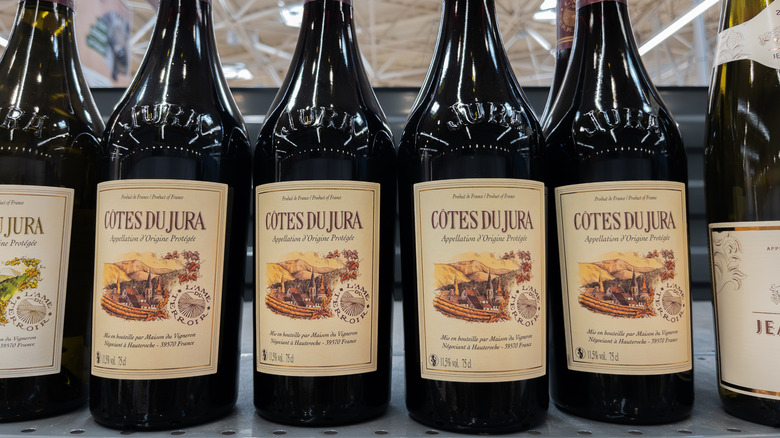
While Jura isn't strictly a varietal, it's a wine region from which Annie Edgerton believes that pinot noir lovers will vibe with. It produces a number of red wines, including poulsard, which was an earlier recommendation from Josh Trapani. Looking for red wines from Jura can give you some excellent value bottles that hit the mark for people who like pinot.
"For a pinot noir lover who leans towards the earthier-herbier versions, dreaming of Old World Burgundy (with maybe a slightly friendlier price tag), I vote Jura reds," says Edgerton. "These are from a region not far from Burgundy, but nestled in a valley surrounded by its pre-Alpine hills, the Jura is a land unto itself," she adds. The region produces some pinot noir grapes, but also trousseau and poulsard grapes. "So if it grows well with its friends, it stands to reason there are similarities to be uncovered," Edgerton remarks.
Jura reds are often blends rather than single varietal wines. They have an intense, refreshing acidity, and low-to-moderate tannins, but have a distinctive herbal flavor with notes of pine and earth. "A pinot noir fan might be surprised at the core of energy here, and the fact the fruit flavors usually take a backseat to more savory notes may not appeal to all, but these wines are absolutely compelling," says Edgerton. So, if you're looking for a thinker rather than a drinker, Jura red might be up your street.
Methodology

I chose these wine varietals based on expert recommendations. I personally interviewed six wine industry experts, asking each of them for their top three picks for wine varietals that people who like pinot noir might enjoy. Naturally, there was some overlap, so between six people, there were 10 distinct varieties recommended, all of which are included in this article. I've listed these wines in no particular order.