

U.S. Foods You Surprisingly Can't Find In Canada
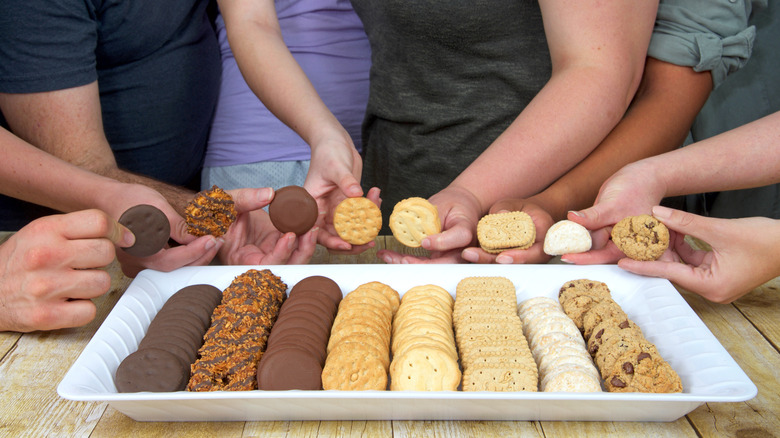
There are a surprising number of U.S. foods that have either been discontinued in Canada or have never been there in the first place. If you're in Canada looking for your favorite brand, the sad news is that it may have been discontinued.
There have been a number of U.S. food companies and brands pulling out of Canada in the last few years. Largely, the discontinued items just aren't profitable enough to keep on the shelves. With shipping costs driving up the cost of imported products, some U.S. brands are having difficulty competing with cheaper locally-produced brands. While Canadian companies may find this to be good news for future sales, it doesn't make Canadian consumers very happy. Many of the products you can no longer find in Canada are brands families have been eating for multiple generations, like Ragú spaghetti sauce and Stouffer's frozen foods. However, some U.S. foods you can't find in Canada were never there in the first place, such as the beloved Girl Scout cookies.
Doritos Light
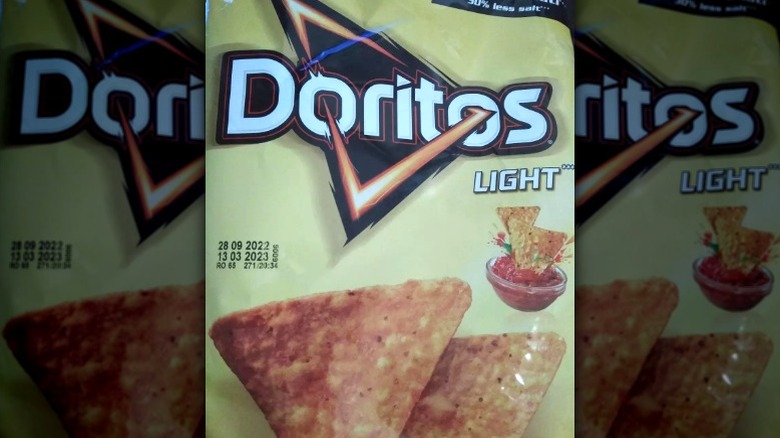
Canada has banned several chemicals that you can still find in some foods in the U.S. Among these is Olestra. Olestra is an artificial trans fat made from sugar and soybeans that the FDA approved for snack foods in the U.S. in 1996. Many snack companies have used it in the place of regular oil to make chips with less fat and calories without compromising the ultra-crispy texture like they would by baking them instead of frying them. Unfortunately, WebMD says that our bodies have more difficulty processing and absorbing this synthetic fat than natural fats, resulting in stomach problems. For a while, the FDA required foods with Olestra to contain a warning about possible stomach distress like diarrhea and cramps. However, the FDA removed this packaging requirement in 2003 (via California Healthline).
One light chips brand that still uses Olestra to cut fat and calories is Doritos Light. Because of its Olestra content, you will never see Doritos Light in Canada. In fact, other countries have banned Doritos Light for the same reason. While you can't always find Doritos Light in the U.S., there's no official indication that they've been discontinued in the U.S. as in Canada.
Lean Cuisines
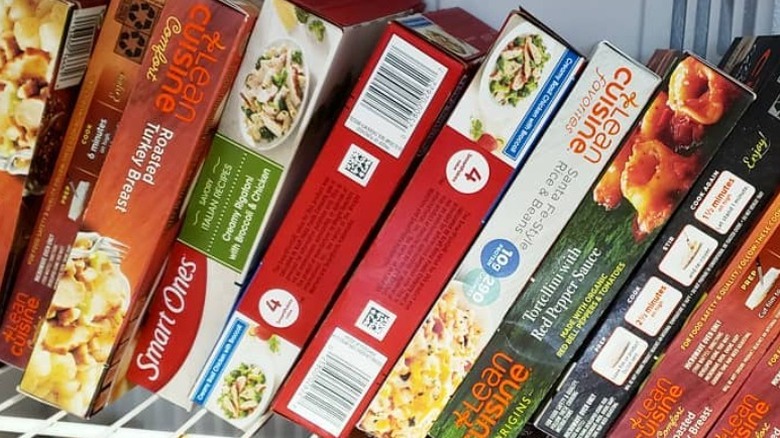
Lean Cuisines are another casualty of Nestlé Canada's decision to remove its frozen meals from Canadian frozen food aisles. This discontinuation represents a big loss for people who depended on keeping these health-conscious frozen meals in their freezer when they didn't feel like cooking. The brand has been around since 1981. So, for many people, it's like losing a lifelong friend.
Since Canada imports Lean Cuisines, its absence won't lead to job losses in Canadian factories. Unfortunately, grocers will need to find something to replace the dozens of Lean Cuisine varieties that most stores once carried. Likely, it will open up space for lesser-known Canadian-produced frozen meals to take its place and thrive. So, the change has the potential to be a good one for Canadian companies that have been overshadowed by American frozen-meal giants like Stouffer's and Lean Cuisine. The trick will be for stores to find a comparable frozen meal that appeals to shoppers looking for lower-calorie or more nutritious options. Although the meals aren't nutritionally perfect and usually aren't very filling, they still represented a healthier choice than many competing frozen food brands.
Life Cuisines
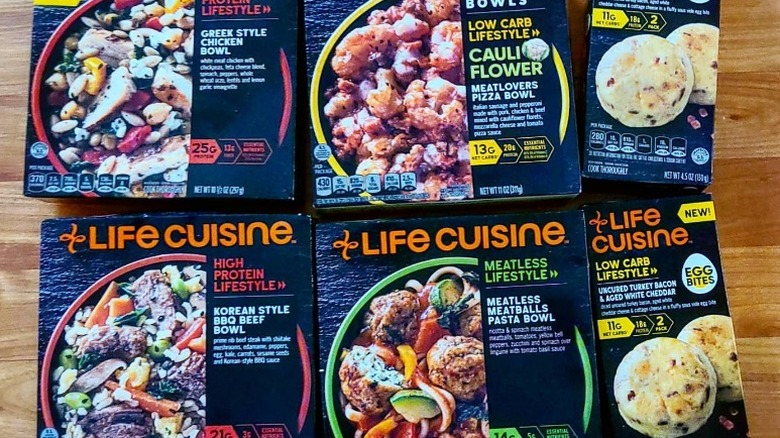
You'll often find Life Cuisines sitting side-by-side in the frozen food section with Lean Cuisines. Unfortunately, if you were hoping to depend on these frozen meals with Lean Cuisine exiting Canada, you're out of luck. It turns out that Nestlé Canada also produces these meals, so they have to go. Life Cuisine's claim to fame was catering to specific dietary needs. For example, they have several meals that focus on proteins or don't have a lot of carbs. They also have meat-free and gluten-free meals. So, the discontinuation of Life Cuisine is a big loss for Canadians looking for healthier frozen food choices that cater to their specific dietary needs.
Nestlé Canada removing Life Cuisine products from the freezer section represents one of four product lines the company is no longer carrying. All are exports to Canada, which is telling. As shipping costs increase across borders, many companies like Nestlé are changing strategies to only offer products the company already makes in Canadian factories. With increased shipping costs, imported products cost more, and consumers pass them over for cheaper options. If shipping costs remain high between the U.S. and Canada, Canada will likely see even more products disappear that are no longer as profitable as they once were.
Ragú spaghetti sauce
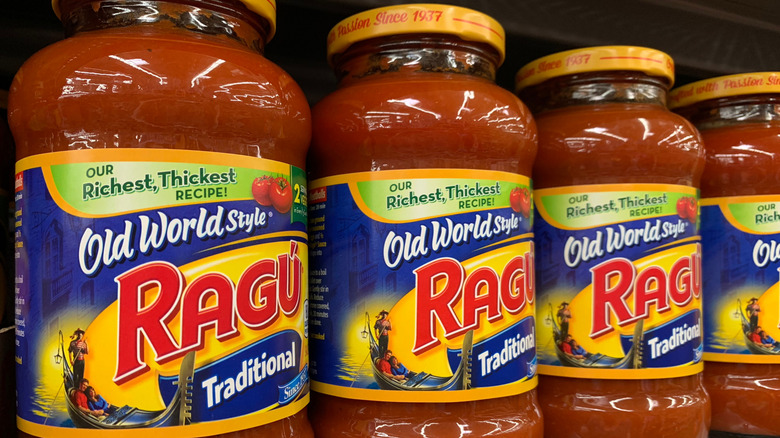
If you've been eating Ragú spaghetti sauce all your life, finding a new brand you like as much can be quite a challenge. Unfortunately, Canadians had to make the switch in 2020 when they couldn't find any flavor of Ragú spaghetti sauce on grocery store shelves. The brand's spaghetti sauces have been helping people make spaghetti at home more conveniently since 1937, so it's a big shock to fans. After all, only people in their 80s or older could remember not being able to buy the brand.
Ragú confirmed customers' fears on Twitter by saying it had "made the hard decision to exit the Canadian pasta-sauce market." While the company didn't give a reason for leaving the country and hasn't answered requests for further information, some hints appear in the comments to the Twitter statement. While it had been a household favorite for many for decades, several commenters said they liked other spaghetti sauces better. When polled on Twitter, the overwhelming majority of over 400 Canadians said they'd switch to Classico brand spaghetti sauce in the future. Although, some just weren't sure because they'd never tried any other spaghetti sauce before 2020.
Powerbar gels
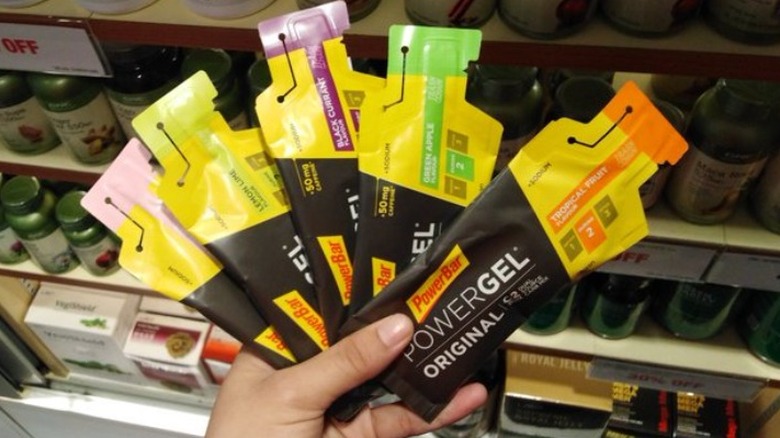
PowerBar gels have served as a small gooey treat that runners and other endurance athletes can consume to give them an energy boost to help them keep going. They come in flavors ranging from vanilla and salty peanut to green apple and strawberry banana. Ingredients include a special carb mix, salt, and lactic acid. Some flavors even contain nearly as much caffeine as a shot of espresso. Many training and racing athletes have come to find them invaluable and aren't often able to find a good substitute at the local grocery store when PowerBar gels are out of stock. Sadly, as of 2018, Canadians have been forced to find new energy-boosting gels to keep them going when they hit the dreaded fatigue wall during endurance sports.
Nestlé bought PowerBar in 2000, but Nestlé is not to blame for the loss of PowerBar gels like it is for other products. Nestlé ended up selling Powerbar to Post Holdings in 2014. After Post Holdings acquired the brand, it only took it four years to discontinue selling PowerBar gels and gel blasts in Canada. As of 2018, you could still buy Powerbars, but not any gel products.
Your favorite Girl Scout cookies
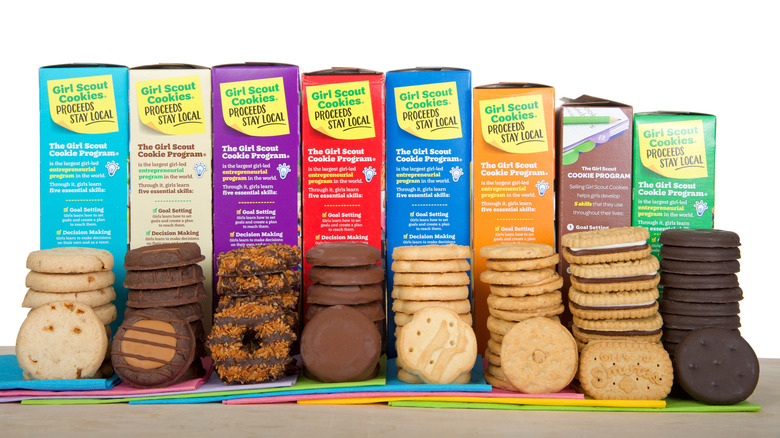
If you're in Canada during Girl Scout cookie season, you should know that you won't find any Girl Scouts or Girl Scout cookies anywhere. Instead, you'll encounter Girl Guides selling very different cookies. While the Girl Scouts sell more than 10 cookie varieties, you'll only find three flavors in Canada: Classic Chocolate "Sandwich" Cookies, Classic Vanilla "Sandwich" Cookies, and Chocolatey Mint cookies. While the Chocolatey Mint Cookies are somewhat similar to Thin Mints, none of the others correspond to any Girl Scout cookies people in the U.S. have come to love. So, you won't find any old standbys like Samoas (a.k.a. Caramel deLites) or Tagalongs (a.k.a. Peanut Butter Patties). And there aren't any gluten-free options like the Girl Scouts' Toffee-tastics. However, Girl Guides cookies come from a peanut-free production area, making them more accessible to people with nut allergies.
While you may lament not being able to find Girl Scout cookies in Canada, you can find Girl Guides selling cookies in much the same way as Girl Scout cookies in the U.S. You can look for Girl Guides outside your local stores or waiting for them to knock on your door during cookie season. If that strategy fails, the organization has a Cookie Finder website, phone number, and email address you can use to find them.
Moon Pies
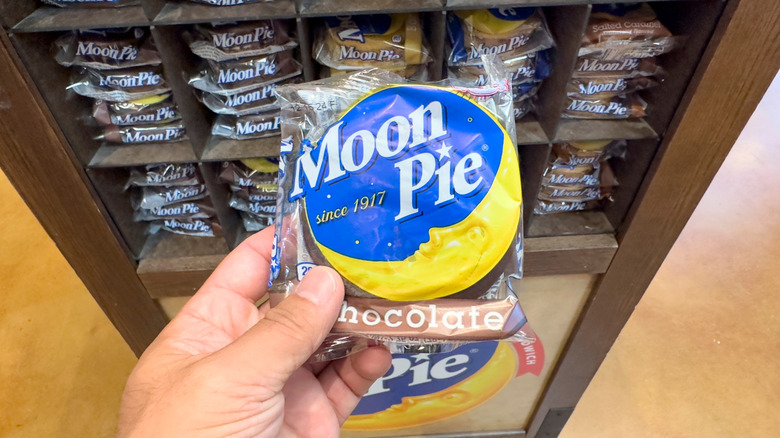
Moon Pies have been around in the United States for over a century and have roots running through Appalachia. What started out as a special treat for the working class has become both a favorite for celebrations and a staple in the snack pantry. The circular, chocolate covered graham cracker and marshmallow snacks remain popular down South, but can be found throughout the United States in grocery stores. You won't find them over the border, though, and it's for a pretty solid reason.
It's not that Canadians don't enjoy a special spin on s'mores, it's just that a very similar snack has captured hearts up North. Though not as old as Moon Pies, Wagon Wheels have been sold in Canada for quite some time. Originally crafted in Australia, the snack has reached normalcy in Canada. The two snacks are similar enough that they'd likely have major competition with each other. Introducing Moon Pies into their market likely wouldn't be as profitable as it is in the United States. So, the chances of seeing them head over the border in any way other than special orders is slim to none.
Fruity Pebbles and Cocoa Pebbles
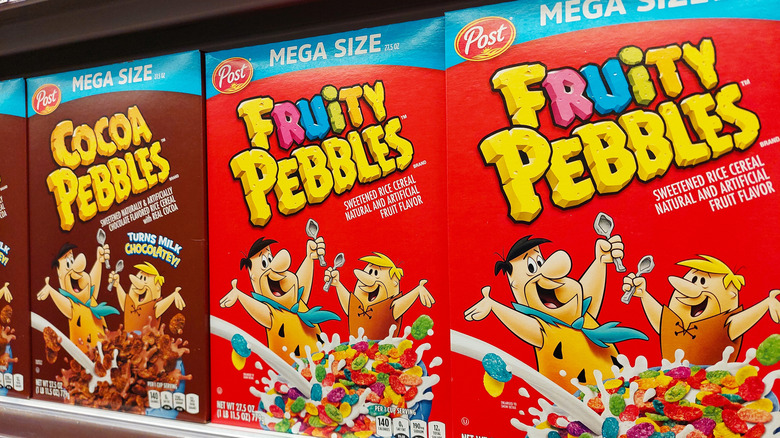
Cereal lovers who are a fan of the Rice Crispy texture but also have a major sweet tooth know that Fruity Pebbles and Cocoa Pebbles are elite choices. The two FlintStones themed cereals made their national debut in 1971 and have been some of the most popular cereals on the shelves of the cereal aisle ever since. At least, if you're shopping in American grocery stores. The two Post cereals cannot be found over the American/Canadian border.
This was not always the case, though. Fruity Pebbles and Cocoa Pebbles seem to come and go in Canada, and consumers are a bit thrown off by it. A handful of years ago, the two cereals could be purchased and enjoyed by our Northern neighbors. In the good year of 2026, not a box of either cereal can be found on shelves. Reddit users have debated the topic of the discontinuation, and some have blamed Canada's strict food safety guidelines. Others have despaired that the Canadian version of the cereal does not taste nearly as good as the sugar-riddled American one.
Mounds and Almond Joy
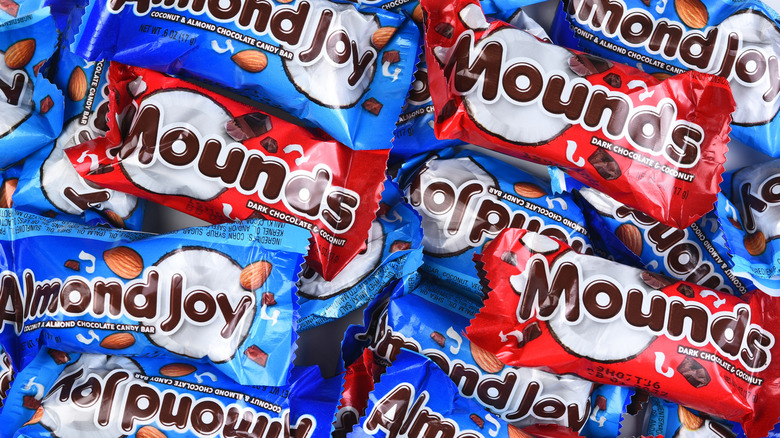
There are few dessert ingredients as divisive as coconut, but American lovers of the flakey fruit have a couple standby candy bars they can turn to. Both Mounds and Almond Joy have been catering to coconut fans since before the 1950s. Though these two bars have dominated the coconut candy bar market in the United States, neither of the sister candies are available in Canada. The parent company, Hershey's, does operate and distribute internationally and does plenty of business in Canada, but neither Mounds or Almond Joy are in the company's Canadian offerings.
The lack of Mounds and Almond Joy beyond our Northern border doesn't mean that Canadians are without their very own coconut treat, though. Bounty Bars are very similar to Mounds, and they are widespread in Canada. As there is already a coconut-centric candy with a strong fan base, marketing Mounds in the same country wouldn't be a great business move. If you're in Canada and craving either a Mounds or Almond Joy, though, they can be specially ordered from the states!
White Castle
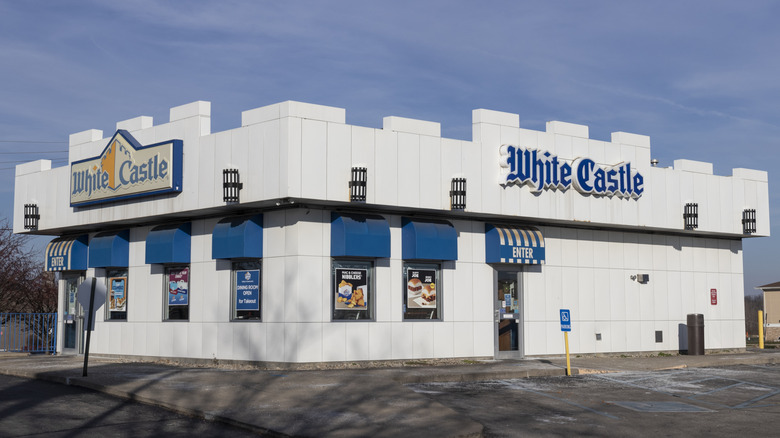
Despite the fact that a lot of the film "Harold & Kumar Go to White Castle" was filmed in Canada, America's Northern sister doesn't even have one location of the chain. White Castle and the burger sliders offered there are popular throughout the Midwest, so much so that a line of frozen White Castle foods can be found in grocery stores. There may be a few ways to sink your teeth into a White Castle slider burger in the U.S., but there will be no mini burgers over the border for the foreseeable future.
This wasn't always the case, though! White Castle's line of frozen foods were once available in Canadian Walmarts, but they have disappeared from stores. While it has gone unnoticed by many, some die-hards have been disturbed by the absence. One Reddit user posted a plea to White Castle asking the company to come back to Canada, stating the chain had "ghosted" a whole country. While there was plenty of speculation on the post as to why the frozen sliders disappeared, many agreed that Canada's food safety standards are above what the company may have been willing to comply with. Evidence of this can be found in White Castle's episode of "Undercover Boss," where the manufacturing blunders were on display.
Deer Park water
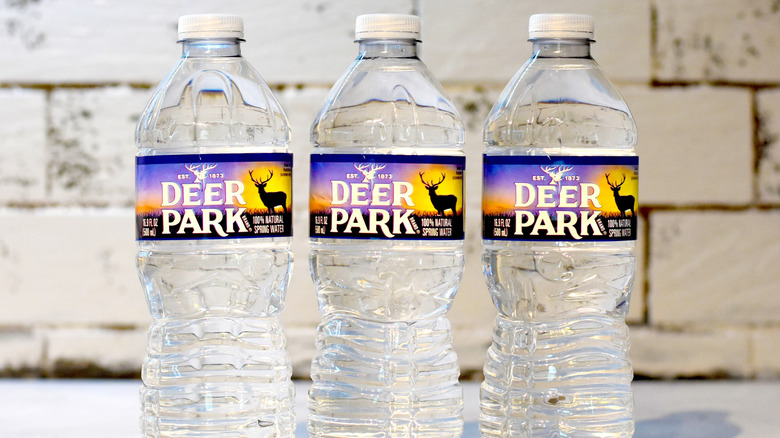
Bottled water often takes up an entire aisle in a lot of popular grocery store chains. If you live on the Eastern side of the United States, Deer Park water likely has a significant portion of that aisle covered. Even though it isn't popular throughout the entire country, Deer Park is still one of the top 10 biggest selling water brands in the country. Despite its popularity, you'll struggle to find the brand in Canada.
Interestingly, the United States and Canada have some of the very top bottled water brands in common, but Canada boasts a number of more local and regional waters that you won't find in the states. Various bottled waters, like Eska and Canadian Springs, are bottled from springs in Canada. Similarly, Deer Park is bottled from a number of springs in the Eastern United States. The locality of the spring and bottling process as well as distribution make a regional reach more of a priority for these brands. Also, Canada doesn't have much need to import bottled water, as they have plenty of sources of their own for the resource.
Turkey Hill ice cream
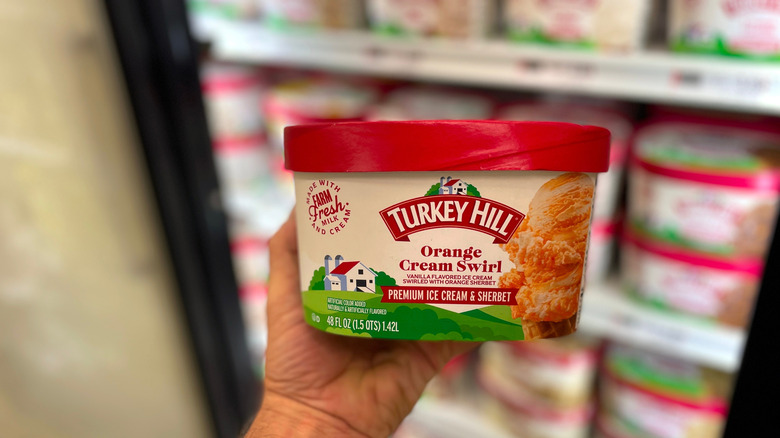
If you're anything like me, you've got one go-to ice cream flavor that is so niche only one brand carries it. If that flavor happens to be Double Dunker or any of the other dozens of Turkey Hill ice cream variations, you're hopefully planning on staying in the U.S. indefinitely. Any late night ice cream cravings won't be met if you're north of the U.S. border, at least if you're dependent on a scoop of Turkey Hill.
Turkey Hill has a decently large distribution range, mainly hitting states up and down the Eastern coast and East of the Mississippi. Even though the brand does show some love out as far as the West Coast, distribution does not cross the United States borders. While a lot of brands can be acquired by international consumers through special orders and specialty stores, ice cream is a trickier beast to behold. Since it has to have specialized shipping to remain at the necessary temperature for ice cream, it's not really logistical to have a carton of Turkey Hill crossing borders.
Luckily, Canada has a wide range of domestic ice cream brands and a lack of Turkey Hill isn't leaving even the tiniest of holes in the market. Maybe most notably, Chapman's Ice Cream is a beloved Canadian-made ice cream brand. Americans may recognize Breyer's and Haagen-Dazs on the Canadian ice cream line up as well.