

The Biggest Green Bean Recalls To Sweep The US
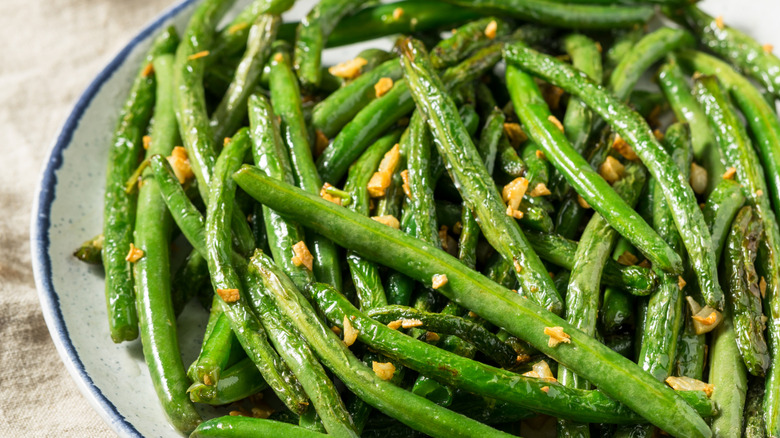
Safety recalls have affected countless foods throughout history, from fast food burgers to romaine lettuce to granola bars. Green beans, a canned pantry staple and star of the Thanksgiving casserole, have made the headlines a few times in recent history due to recalls concerning bacterial contamination and even foreign objects in cans. This veggie is popular fresh, canned, and frozen, meaning it's widely distributed across the country. So when a recall hits, the potential impact is large.
Contamination can happen during any stage of the supply chain — at the farm, in processing plants, during freezing, or on canning assembly lines. There is also a span of potential reasons why a food is recalled. Recalls may be issued for foreign‑object contamination, allergy concerns, or the risk of dangerous foodborne illnesses, like botulism.
Green beans have been the center of some of the biggest canned vegetable recalls throughout history, including one that took place in 2025. Below are some of the most notable green bean recalls and what caused them.
2025: Good & Gather cut green beans
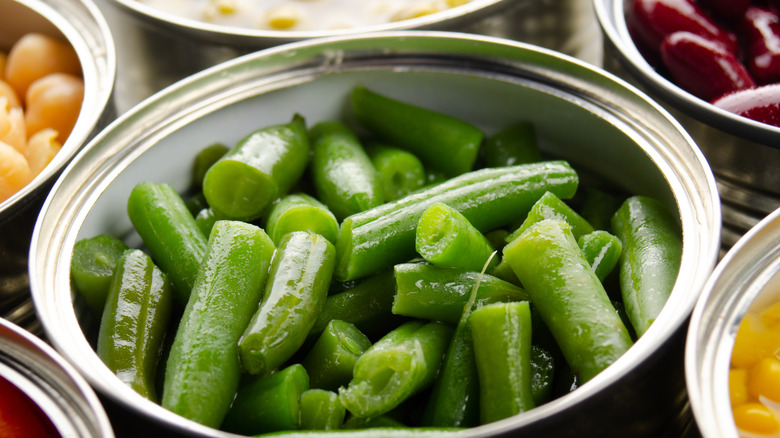
In early 2025, almost 200,000 cans of Good & Gather Cut Green Beans, Target's food brand, were recalled due to potential contamination from a foreign object. The manufacturer of the green beans was Del Monte Foods, the produce giant that prepares a wide variety of canned fruits and vegetables. Del Monte initiated the recall, and the U.S. Food and Drug Administration (FDA) classified it as a Class II health risk.
A Class II recall means that the compromised food is not likely to cause severe injuries or death, but it is possible for consumers to experience irreversible health consequences. The foreign object in the canned green beans was not disclosed, yet the material presented a potential choking hazard, damage to teeth, or gastrointestinal harm if the contaminated beans were consumed. It's still possible that these recalled cans could exist in some pantries: They have a lot code of "7AA 418507", a best‑by date of October 28, 2026, and were sold at Targets in 21 states.
Thankfully, no illnesses or injuries were publicly reported for this recall. Consumers who purchased the affected green beans were advised to discard them or return them to Target for a refund.
2018: National Frozen Foods Corporation frozen green beans
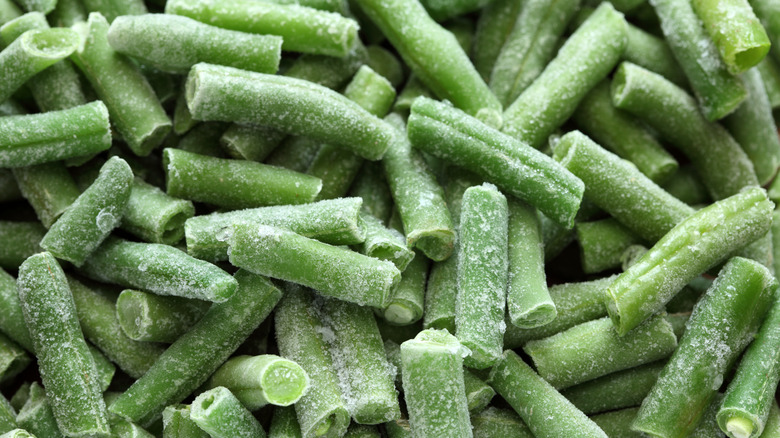
In January 2018, National Frozen Foods Corporation (NFFC) issued a recall for packages of its frozen green beans, as well as frozen mixed‑vegetable products that contained the green beans. A third‑party test of the frozen green beans raised concerns over possible bacterial contamination from Listeria monocytogenes.
The total size of the impact was approximately 17,049 cases worth of products. The brands the recall affected were vast. Recalled products distributed in at least 21 states included 32-ounce bags and large, 30-pound bulk bags for foodservice, and included brands like Bountiful Harvest Foundations, Monarch, NW Treasure, Sysco, and more. No illnesses were reported, and the FDA and NFFC advised customers not to eat the affected beans and to return them to the place of purchase for a refund. FYI, if you ever have food in your fridge that has been recalled, clean the fridge out in case other items have been contaminated, especially when Listeria or other bacteria are a concern.
2016: Sager Creek Foods canned green beans
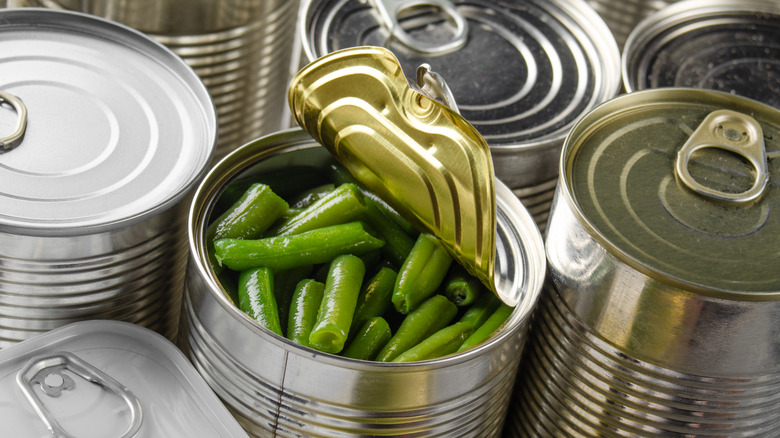
Sager Creek Foods, owned by Del Monte Foods, had a recall in 2016 due to the potential of shellfish contamination in canned green beans and peas. A total of 15,000 cases distributed to 22 different states were recalled. The recalled brands included Allens, Monarch, Reliance, and Silver Source. The product, sold in 106-ounce cans, was shipped almost exclusively to food service operators.
Of course, shellfish is not normally an ingredient in canned green beans, and it's possible that the allergen was introduced during production. For those who don't have an issue with shellfish, the recall was nothing to bat an eye at. However, shellfish is a common allergen, and for those who are allergic, even a trace amount could cause a severe anaphylactic reaction and lead to death. Despite the high risk of this Class I recall, no illnesses, allergic reactions, or deaths were reported.
2015: Cascadian Farms organic frozen green beans
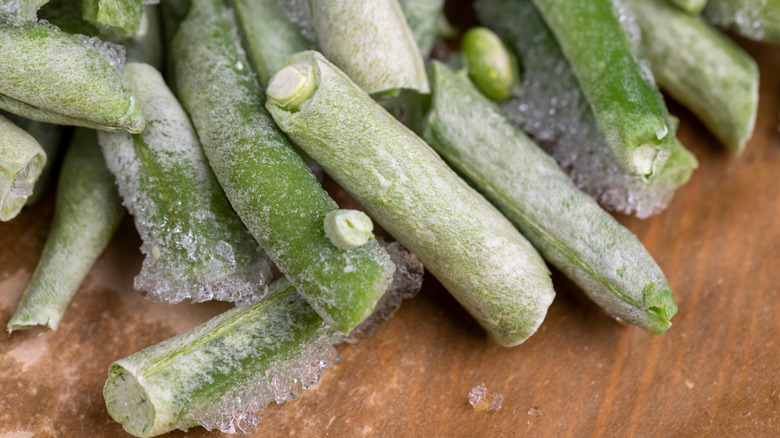
In August 2015, General Mills issued a recall for its 10-ounce bags of frozen organic green beans sold under the Cascadian Farms label. The reason for this recall was due to one bag testing positive for Listeria monocytogenes, a bacterium that, when consumed, can cause flu-like symptoms or more serious complications, like seizures. Listeria infection typically has the most life-threatening impact on the elderly, pregnant women, young children, and immunocompromised individuals.
General Mills expanded the recall in October 2016 to include frozen green beans that were sold in 16‑ounce packages. Customers who purchased the potentially dangerous product were advised to discard it or return it for a full refund. General Mills and grocery stores, including Giant and Martin's, that were tasked with removing the recalled product from shelves, reported no confirmed illnesses at the time. The recall totaled at least 60,000 bags of frozen beans and was one of the biggest General Mills recalls in history.
2007: Lakeside Foods Inc. canned French style green beans
In August 2007, the FDA issued a recall of French style green beans from food manufacturer Lakeside Foods Inc. for potential contamination with the bacteria Clostridium botulinum. The canned product was sold under approximately 21 different brand labels, including Albertson's, Best Choice, Food Club, HEB, and Kroger. Between 15,000 and 19,000 cases containing 24 cans each were distributed to 20 states and three Canadian provinces.
Clostridium botulinum causes botulism, an uncommon but very serious illness that may cause difficulty breathing, vomiting, paralysis, and can lead to death if left untreated. These toxic bacterial spores grow and spread where there is little oxygen present, and multiply in canned foods that haven't been preserved properly. Unfortunately, canned foods that contain Clostridium botulinum do not typically have a smell or taste, so it can be difficult to detect. No incidents of botulism were reported during this recall; however, leaking cans (a telltale sign of Clostridium botulinum contamination) were discovered.
1990: Del Monte French style green beans
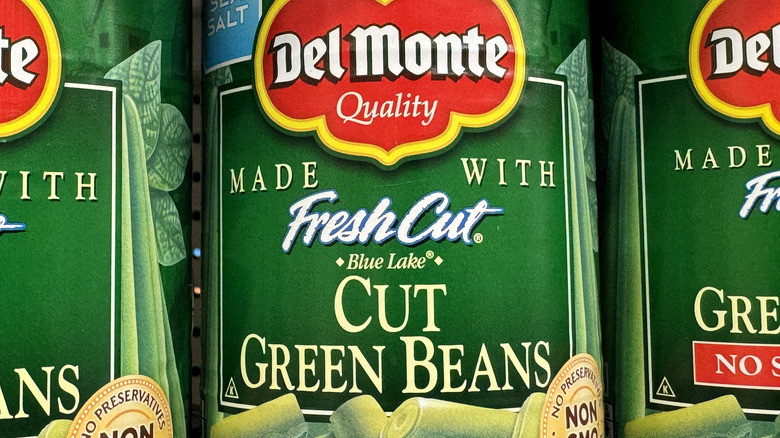
Food manufacturer Del Monte issued a recall in 1990 for canned French style green beans that had not been fully cooked. While raw green beans are not inherently dangerous, uncooked beans that are sitting in a can for some time could harbor bacteria and pathogens — this is why thorough cooking and sterilization are so important for canned foods. The recall included a total of 20,000 cans sold across 140 locations of the supermarket chain Pathmark, in five Northeastern states. No deaths or illnesses were reported.
As you might have noticed, none of these green bean recalls were connected with any recorded incidents of illness or death. Food manufacturers and governing bodies like the FDA operate under the expectation of exercising an abundance of caution and being proactive when potential contaminations, undeclared allergens, and foreign bodies in food come to light. When issued timely, recalls can save hundreds, if not thousands, of lives. This has been devastatingly learned from previous incidents, like one of the worst food recalls of all time involving contaminated melons. When it comes to food, it's always better to be on the safe side.