

Sourdough Vs Whole Wheat Bread: What's The Difference?
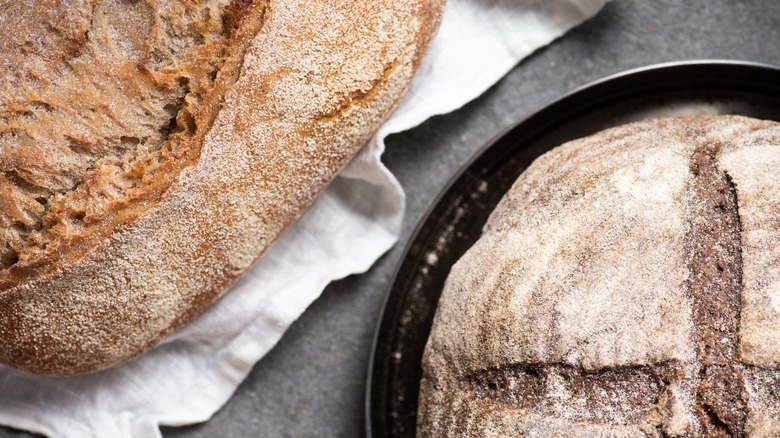
"Bread is the king of the table and all else is merely the court that surrounds the king." What an apt description by the novelist Louis Bromfield. Bread has been a staple food for humans since mankind built the thresher and learned to make flour. It is fundamental to many cuisines and cultures, providing not just nourishment but also opportunities for community members to gather and engage. Today we set the spotlight on two types of bread that have gained so much hype and attention: sourdough and whole wheat bread.
What is sourdough bread? Is it any better than whole wheat bread? The answer is yes, and it's mostly due to how they are made. Sourdough has a unique fermentation process that is very distinctive. It also gives rise to the key differences between sourdough and whole wheat bread in terms of flavor, texture, and nutritional value. Whole wheat bread is special because of its flour's composition and the many nutritional benefits it offers. It's been called the healthy choice since the early 2000s when whole grain foods grew so popular, thanks to the recommendation of the U.S. Department of Agriculture (USDA) to eat three servings of whole grains daily for better health. It's great to have both if you can, but if you must choose because of health reasons, this article can guide you. Here's a closer look at the differences between sourdough bread vs. whole wheat bread.
Sourdough is made with a starter that requires long fermentation

A well-kept starter is key to a good sourdough bread. The starter is a live culture of fermented flour, wild yeasts, and bacteria. It only needs two ingredients: flour and water. Mix equal parts of the two in a container, cover it loosely to allow air to enter, then set it aside at room temperature. Fermentation will begin in the next 24 hours, thanks to the lactic acid bacteria in the flour and the yeast that develops in this doughy ecosystem. Bubbles will start forming, and the dough will start smelling sour. The starter will need at least four more days before it will be ready for baking.
To correctly maintain the starter, routinely remove 1 cup (which you can discard or bake into bread or biscuits) before stirring in 1 cup fresh flour and ½ cup of warm water. Seasoned sourdough bakers sometimes add cider or beer to sharpen the flavor or make the bread rise more. Finally, store the starter properly at room temperature, otherwise it will become moldy and no longer usable.
Making sourdough starter is simple but slow. The challenge is in ensuring the microbes stay alive and viable over time. Keeping a sourdough starter, therefore, requires diligence and commitment—so much so that people liken sourdough starters to pets. Some would talk to their starters, give them names, take videos of them, and even look for sourdough babysitters when they go on vacation.
Whole wheat bread is easier and faster to make

Whole wheat bread needs more ingredients than sourdough bread, but the process is much simpler and faster. Simply mix the dry and wet ingredients, knead the dough, and leave it to rise for one to two hours. Some recipes have a resting period of 12+ hours, but that's because they don't require a second rise or proofing. Once ready, all of the dough goes into the oven and baked into fresh, fragrant bread with a crispy exterior.
Real whole wheat bread is made with whole wheat flour. If you want to bake it at home, look for the yellow Whole Grain Stamp with "100% whole wheat" on the label. If there's no stamp, look at the ingredients list. "Whole grain" or "whole wheat" should appear first. If it appears second, it means there's less whole grain content in the product. Unfortunately, it could also mean as little as 1% whole grain.
When buying whole wheat bread, look for a "100% whole wheat" stamp, too. Just like with flour, "whole wheat" or "whole grain" should be the first ingredient. You'll want to avoid breads made primarily with bleached or enriched flour as those aren't truly whole grain. Finally, be careful with misleading labels. "Multigrain," for example, means it's made with different types of grain. "Natural" means there are no additives like artificial sugars and preservatives. Both labels don't guarantee whole wheat flour was used to make the bread.
Sourdough is easier to digest

One of the well-known health benefits of sourdough bread is that it is easier to digest than regular bread. Since the dough undergoes a long fermentation period, a pre-digestion of gluten and starches takes place. By the time bread is baked and eaten, much of the starch has already been degraded. This is why sourdough bread is easier on the stomach than whole wheat bread.
This leads us to a common question about sourdough. Since gluten is pre-digested during fermentation, is sourdough bread ideal for people with celiac disease? The answer is no. Sourdough still contains gluten. Even though sourdough has much less gluten (200 ppm) than regular white bread (124,000 ppm), it is still higher than the U.S. Food and Drug Administration (FDA) and National Celiac Organization's recommended 10 mg (20 ppm) limit of gluten per day. It's still best for people with celiac disease to look for gluten-free options.
Who can eat sourdough bread then? People who don't have celiac disease but are sensitive to gluten (e.g., they feel bloated, constipated, or have a stomachache after eating gluten-rich food) may find it more tolerable than white bread or wheat bread. But since people's tolerance levels vary, it would be safer for them to consult their physicians first before incorporating sourdough into their daily diet.
Whole wheat contains more fiber
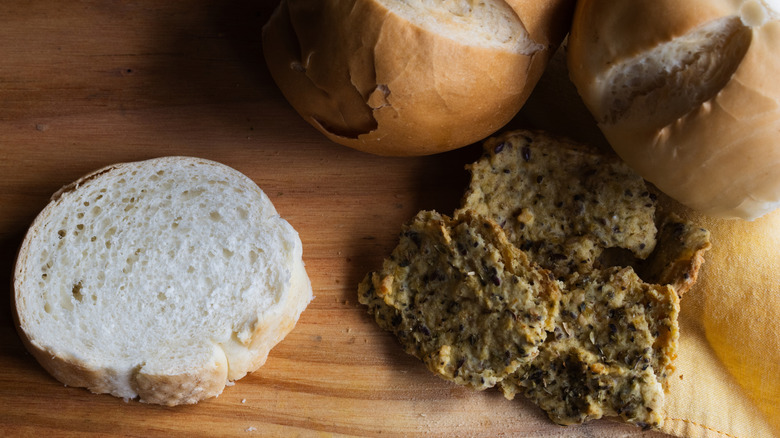
Whole wheat bread is known for its high fiber content. If the bread is baked with 100% whole wheat flour, it means all three parts of the kernel—the bran or the hard outer shell, the endosperm or the thick inner layer, and the germ or embryo are present in the bread. This makes whole wheat bread ideal for anyone looking to increase fiber in their daily diet.
According to data from the U.S. Department of Agriculture, 100 grams of commercial whole wheat bread contains 6 grams of dietary fiber, which is higher than sourdough's 2.2 grams. However, sourdough can have an equal amount of fiber if whole wheat flour is used to make the starter. If you're not allergic to wheat, gluten intolerant, or diagnosed with celiac disease, making sourdough with whole wheat flour is a clever way of enjoying the flavor profile of a sourdough and the benefits of the fiber in whole wheat bread.
Fiber is excellent for digestion. It is a natural colon cleanser that adds bulk to the stool and helps it move faster and more efficiently through the large intestine. Fiber also helps lower cholesterol, support heart health, regulate blood sugar levels, and reduce the risk of diabetes.
Sourdough contains more prebiotics

If whole wheat bread is known for being rich in fiber, then sourdough bread is known for promoting good gut health. Sourdough starters are rich in probiotics and prebiotics. Probiotics, specifically lactic acid bacteria, develop in the starter during fermentation. Even though much of this good bacteria dies during baking, it still offers many benefits like consuming the sugars in the starter and producing organic acids that delay gastric emptying.
What remains in baked sourdough bread are the prebiotics. These are non-digestible carbohydrate compounds that serve as food for gut microbiomes. They are crucial for ensuring healthy bacteria stay viable and active in the colon, where much of probiotic activity takes place. Other beneficial gut microorganisms like Lactobacilli and Bifidobacteria also need prebiotics to survive. When they "consume" prebiotics, fermentation takes place in the colon, producing short-chain fatty acids (SCFAs) that bring many health benefits like supporting gut mucus production, preventing inflammation, boosting immunity, and energizing colon cells.
Other health benefits of prebiotics are regulating bowel movement, moderating appetite, and producing neurotransmitters that send signals between the gut and the brain. Prebiotics also help the body absorb calcium and phosphorus more efficiently, which is great for preventing bone deterioration.
Whole wheat has more nutrients
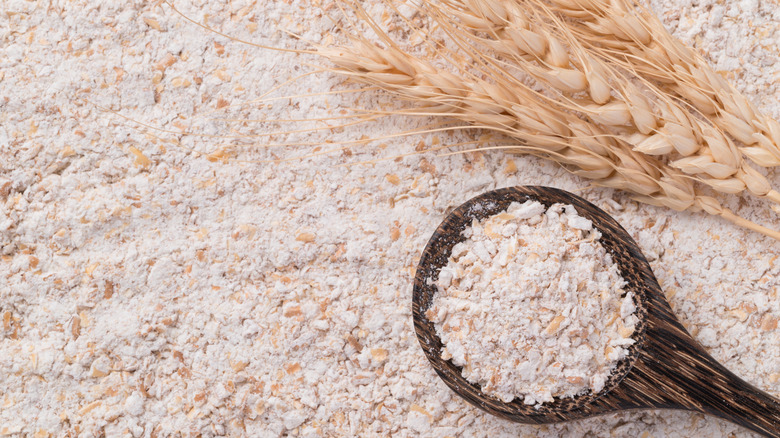
Whole wheat flour offers more nutrients than refined flour, which is more commonly used in sourdough bread. Researchers from the University of California San Francisco tracked the nutritional value of crops in various food products, and they found that whole wheat flour retains more of its nutritional value than refined bread flours.
As much as three-quarters or 72% of major minerals like calcium, magnesium, phosphorus, and potassium are lost in milling refined flour. In contrast, the major mineral content of whole wheat flour stayed largely the same, whether the kernels were stone-milled or roller-milled. Surprisingly, researchers found that some trace minerals even increased after processing whole wheat flour. The only nutrients that reduced significantly from milling whole wheat flour to baking whole wheat bread were Vitamin E and carotenoids.
Whole wheat flour keeps its high nutrient profile after baking. Based on the USDA nutritional data, every 100 grams of whole wheat bread offers more nutrients and antioxidants than sourdough. It has more than twice the amount of calcium, magnesium, phosphorus, and potassium compared to sourdough bread.
Eating whole wheat bread can also promote heart health. Studies show that eating whole grains daily can reduce the risk of heart disease by as much as 47% (via Healthline). It can also lower the risk of stroke. Researchers found that people who incorporate whole grains into their daily diets are 14% less likely to have a stroke compared to those who eat little of it.
Sourdough promotes better nutrient absorption

If you search online to find out which is the better bread, you might be confused why some dieticians call sourdough the healthier bread even though whole wheat has more nutrients. It's likely because they are comparing sourdough with regular white bread made with refined flour, as it is absolutely superior in terms of nutritional value. Another probable basis is sourdough's low phytate content.
Phytic acids or phytates are commonly found in plant seeds and grains and have antioxidant properties. Unfortunately, they also prevent proper absorption of essential minerals like calcium, zinc, and iron. Phytates bind to nutrients and minerals, making them harder for the body to absorb. This is why they are also known as "anti-nutrients." The lactic acid bacteria that thrives in a sourdough starter reduces the phytates in the bread. So if you eat sourdough with other nutrient-rich food like sardines, salmon, salads, and avocados, there's a higher chance that your body can get the best nutritional value out of your meal.
Does this mean you should eat sourdough over whole wheat bread? No, not necessarily. You can still eat whole wheat bread in between meals, like for mid-afternoon tea. The phytates in the wheat won't affect your body's nutrient absorption for lunch or dinner.
Whole wheat is ideal for weight loss or weight management
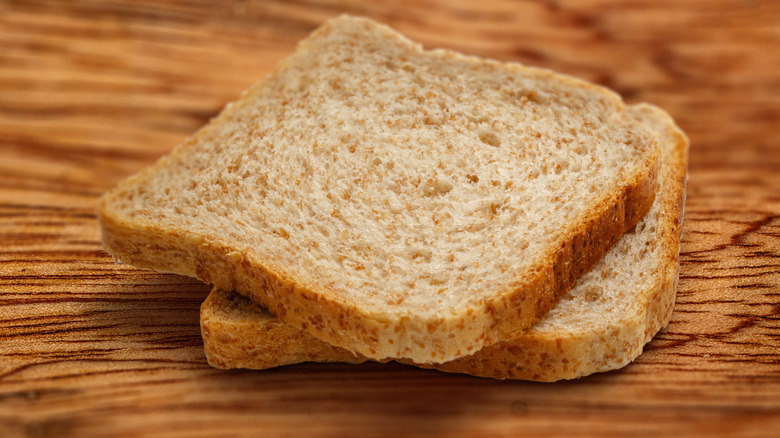
If you're on a low-calorie diet or are keeping a close watch on your daily caloric intake for weight or glucose management, then whole wheat bread should be good for you. The fiber in whole wheat bread slows carbohydrate absorption in the stomach, which increases the feeling of fullness. This makes you feel full faster when eating a meal. Additionally, since whole grains can take three to four hours to digest, it can also extend satiety. You won't feel like eating a snack too soon after a meal, as a result.
Whole wheat bread also has less calories than sourdough or bread made with enriched and unbleached flour, based on the USDA website. If we consider that two slices of whole wheat bread has less calories than one slice of sourdough or refined bread, a sandwich prepared with whole wheat bread will satisfy your hunger more effectively without adding more calories to your daily diet.
Another positive effect of whole wheat bread on weight management is it regulates blood sugar levels after eating. Whole wheat bread is rich in insoluble fiber, which has been found to improve insulin sensitivity and regulate glycemic index (GI). Insulin sensitivity and low, stable GI help prevent weight gain because it signals the body to convert glucose into energy instead of storing it as fat.
Sourdough is ideal for people with high blood sugar
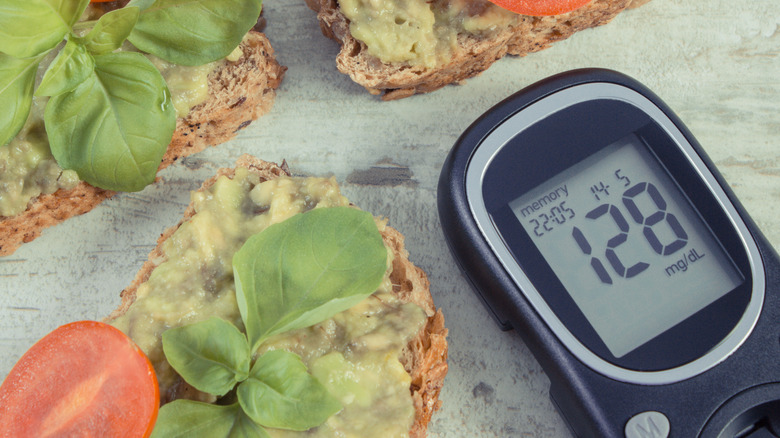
If given the choice between whole wheat bread and white bread, people dealing with high blood sugar are better off with whole wheat bread. But if sourdough is available, sourdough is best because it has a much lower glycemic index. This means eating sourdough doesn't cause the blood sugar to spike too high or too quickly.
Sourdough has a GI score of 54, which is considered on the lower end of the glycemic index chart. Whole wheat bread, on the other hand, has a GI score of 71, which is on the higher end of the index. Sourdough's glycemic load (GL) is also lower at 8 compared to whole wheat bread's 10. Yes, whole wheat bread promotes insulin sensitivity and regulates blood sugar spikes. However, if there is a pre-existing condition that requires someone to keep a close eye on their blood sugar, sourdough would be the healthier option.
Sourdough and whole wheat bread offer many nutritional benefits. Some are unique, others are so similar that they overlap. Flavor-wise, both breads offer wonderful texture and tanginess, especially sourdough. But as discussed above, each bread is better suited for certain circumstances, and people with specific health requirements may favor one over the other.