

9 Old Kitchen Trends Younger Generations Are Abandoning

Throughout history, every generation has typically learned to cook by watching someone else. In older generations, that was usually a parent or a grandparent — someone of the same cultural background and identity as them. As a result of this, cooking techniques and flavor profiles were kept within families and communities rather than being influenced by outside cuisines or cultures. And the meals people cooked at home stayed consistent from one generation to the next.
Younger generations entered the kitchen in a very different era than any generation before. Not only did they have unprecedented access to information through tools like the internet and social media, but they also developed a very different relationship to their food. There was more exposure to global cuisines and new ingredients. Wellness conversations shifted away from skinniness and restriction and toward nourishment and balance. And changing lifestyles loosened the expectations of what meals were supposed to look like. Cooking and food habits were no longer learned from a single source. They were learned from chefs, creators, home cooks, and diverse voices from around the world.
This shift didn't just change what younger generations cook — it changed how they think about food altogether. And as food mindsets evolved, so did the kitchen trends that no longer fit the lifestyles shaping how people eat today.
Overcooking vegetables

There's a reason most of us grew up not liking vegetables. For decades, vegetables were cooked in ways that made them unappealing and unappetizing. From boiling them into mush to cooking them far past their prime, previous generations prepared vegetables the only way they knew how — passed down from how their parents cooked them, and how their parents' parents cooked them. But those techniques didn't necessarily prioritize the flavor, texture, or even the nutritional value of said vegetables. Instead, they prioritized convenience and food safety, shaped by an era of limited refrigeration, inconsistent produce quality, and a higher risk of foodborne illness.
Once Millennials and Gen Z entered the kitchen, techniques began to shift toward something far more flavor-driven. If vegetables had to be eaten, they might as well taste good. Methods like quick blanching and high-heat roasting became more common. This amplified flavor, preserved texture, and helped the vegetables retain their natural nutrients instead of cooking them away. At the same time, younger generations weren't learning to cook from family alone. The rise of YouTube, TikTok, and Instagram exposed home cooks to other techniques and new flavor profiles, redefining how a vegetable could actually taste.
While overcooking vegetables once made sense, today it's often accidental. Which is why knowing how to rescue overcooked vegetables is a skill every home cook should know.
Following the recipe perfectly
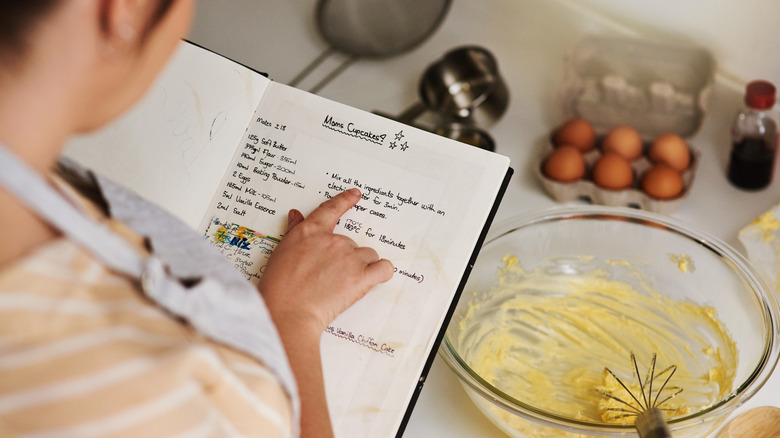
Social media and the popularization of short-form video completely changed how generations think about food and eating – especially when it came to demystifying the idea that a recipe had to be followed perfectly. Instead of treating a recipe as a strict thing to follow, younger generations of cooks began viewing recipes as guides that could be adjusted and substituted.
It makes sense that older generations approached recipes differently. Before people had widespread access to the internet, cooking knowledge was shared through handwritten recipes and family cookbooks, which reinforced the idea that there was one correct way to make a dish. Millennials and Gen Z, however, entered the kitchen in a very different environment. Growing up with the internet meant being exposed to multiple versions of the same recipe, which made it clear that recipes could be something to play around with.
Additionally, younger cooks learned to cook through sensory cues instead of rigid measurements. So instead of cooking a meal for a set number of minutes, cooks relied on visual and sensory cues — a crust turning golden brown, garlic becoming fragrant, and a sauce thickening over time. This taught younger generations to trust their intuition in the kitchen rather than a recipe, which opened the door to flexibility, creativity, and improvisation.
Seasoning only with salt and pepper

Salt and pepper have been a staple pairing in the American kitchen for centuries. For much of that time, the two were considered sufficient seasoning for most dishes. This minimalistic seasoning approach was mainly shaped by familiarity, but it was also reinforced by limited access to a wider range of spices.
Millennials and Gen Z, however, came up in a radically different kitchen environment, where travel, media, and increasingly diverse restaurant scenes expanded their understanding of what flavors were accessible at home. Cultural curiosity around global cuisines played a huge role in shaping what ingredients and seasonings made their way into everyday cooking. And as exposure to international flavors through restaurants, online content, and social media grew, expectations of what home cooking could look and taste like expanded with it.
In this culturally aware landscape, the spices, sauces, and condiments that were once considered unfamiliar became widely available and normalized. As a result, home cooking got a global upgrade, and salt and pepper no longer felt like enough in any given dish.
Avoiding cooking other foods from other cultures

Older generations typically stuck to the foods they grew up with – the ones they saw on their own dining tables as kids. And not for nothing. There was limited access to ingredients, less knowledge about how to cook with them, fewer restaurants representing global cuisines, and a general lack of exposure to dishes from other cultures. This made unfamiliar foods feel intimidating, out of reach, and even unnecessary.
Younger generations, however, came from an age of more cultural connection and curiosity. International ingredients became easier to find, global cuisines became more visible in restaurants, and diverse cooking content became more accessible online. Due to this, the foods that older generations labeled as unfamiliar were no longer so distant. Instead, they were part of everyday conversation and consumption.
This exposure to new foods allowed younger generations to have more confidence in the kitchen, with flavors and techniques alike. And cooking across cultures felt approachable instead of scary or even inappropriate.
Having a protein and starch with every meal

Growing up in the 1990s meant having the food pyramid drilled into your head in health class. Kids were taught that grains were the most important food group, and that eating at least six servings a day was essential to staying healthy. Over time, this guidance evolved into an unspoken rule that every meal needed a starch, paired with a protein and a vegetable. For decades, this formula was treated as nutritional law. Meals without one of the three were seen as incomplete and unbalanced.
However, it turns out those dietary guidelines you learned in school were actually wrong, and younger generations were coming of age when they were being questioned. Nutritional science shifted away from food group hierarchies and toward concepts like fiber intake, micronutrients, and long-term eating patterns. This allowed for flexibility to replace rigidity, allowing younger generations to not only break away from these rigid habits, but also have a better relationship with their food. Eating became more about nourishment and satisfaction and less about checking off a necessary box.
Boneless, skinless everything

If you were a teenager in the early 2000s, you can probably remember how much diet culture was prevalent – and not just in schools and in social circles, in your own homes, too. Due to this societal pressure, leanness was marketed as the healthiest option, and boneless, skinless chicken breasts became a staple in homes across the country. But as the kids of the early 2000s entered into adulthood, they began to question the rules they grew up with. As nutritional science became more accessible and food media diversified, Millennials and Gen Z started to understand that fat isn't something to fear. And it shouldn't be labeled as bad.
Fat became a tool in cooking to enhance flavors, textures, and overall nutrition. For many young adults, abandoning the boneless, skinless cuts they were raised with even became symbolic, marking an unlearning of rigid food rules that shaped their relationship with food for decades.
Salad as just a side dish
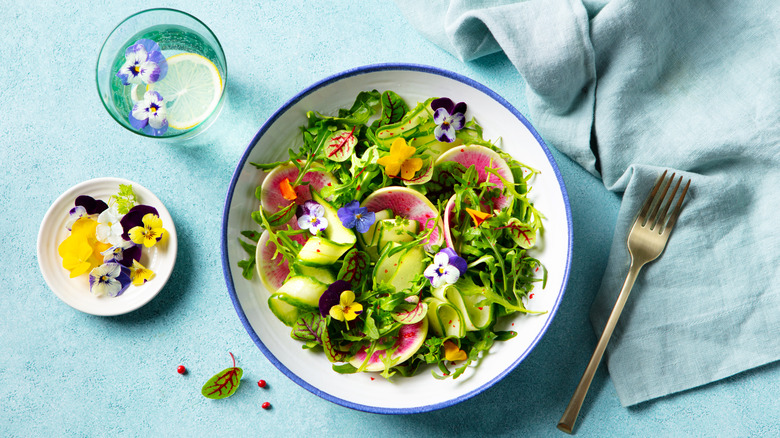
Go out to pretty much any restaurant today, and you'll be able to find a salad as a main dish. That wasn't the case a few decades ago, though. Salads were usually treated as an accessory to the meal rather than the meal itself. They were just a small mound of greens served to balance out the heavier main dishes. And they were often framed as joyless and diet-driven. If you saw someone eating a salad in a '90s sitcom, it was usually signaling restriction and dissatisfaction. Nobody was ever happy eating a salad.
But once younger generations entered adulthood and got into the kitchen, they challenged that framing. They refused to associate salads with punishment. So they started playing around with their food, incorporating textures, proteins, fats, grains, and bold seasonings into salads, which turned salads into something filling and flavorful. This shift also reflected a broader mindset shift in how vegetables were viewed and valued. As plant-forward eating became more common, salads became a central part of a meal, inspiring home cooks to rethink what a salad could be.
Nowadays, it's hard to find a restaurant that doesn't have a salad as a main dish. Many of the best salad recipes out there are also actually designed to function as full meals.
Strictly eating three meals a day
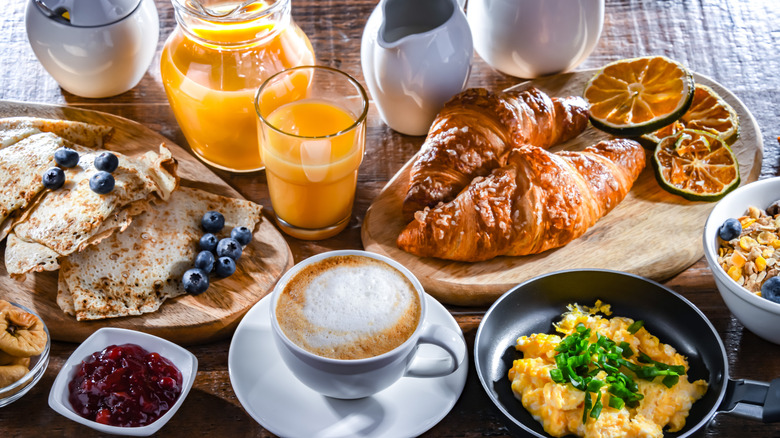
Younger generations aren't just abandoning what they eat. They're abandoning how they eat. In addition to cooking with bolder seasonings and embracing salads as the main character, new kitchen trends are challenging the idea that everyone needs to eat three structured meals a day.
Historically, meal times were built around industrial-era work shifts, where breakfast, lunch, and dinner were key parts of the day. That structure made sense when most fathers worked the same schedule, and most mothers stayed home to cook. But with the rise of remote work, freelance lifestyles, and nontraditional hours, Millennials and Gen Z recognized that the typical three-meal schedule just didn't make sense anymore.
Now, eating looks more like listening to your body and knowing when to act on hunger cues. Instead of forcing meals at specific times, eating has become intuitive. Smaller meals throughout the day and snack-style eating have become much more common.
Having wine with dinner

The abandoned trends don't just stop at food and eating. As younger generations rethink how and when they eat, they're also rethinking the role alcohol plays at the table. What was once treated as a default part of dinner is now being questioned.
For a lot of families, meals don't happen at the same time every single day. They happen earlier, later, and even in smaller, more casual formats. These changing work schedules and flexible eating patterns have completely disrupted the idea of a set dinner hour each night, where alcohol naturally fits in. So it no longer feels like a necessary part of the meal.
Additionally, Millennials and Gen Z are approaching alcohol with more intention than ever before. Increased awareness around mental health, sleep quality, and long-term wellness has made habitual drinking less automatic. The rise of the sober-curious lifestyle, non-alcoholic alternatives, and more open conversations around drinking have normalized the notion that not drinking at all doesn't require an explanation.