

15 Throwback Food Trends That Defined The '80s
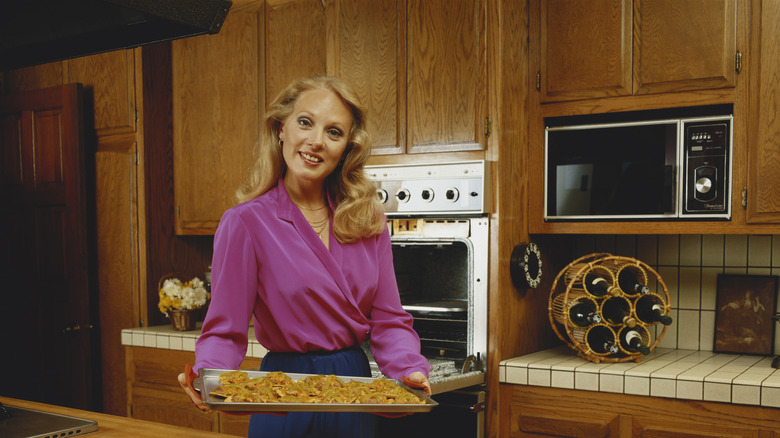
The 1980s are known as a time when everything was innovative and bold: the hair, the clothes, and even the food. Colorful packaging screamed from grocery store shelves, unique flavors captured kids and adults alike, and pop culture icons found their way onto cereal boxes. There were sugary snacks as far as the eye can see, often in dazzling neon colors.
But the food trends of the '80s weren't just defined by the bigger, brighter style of the time. With more mothers entering the workforce, there was a greater emphasis on convenience in the kitchen. Pre-packaged foods made throwing together school lunches easier, while microwavable meals meant that kids could heat up their own after-school snack. And, of course, the now-infamous TV dinners once seemed like a nutritious and fast meal for the family.
At the same time, fad diets were gripping a lot of American households. The result was a decade full of clashes. While some families filled up their kitchens with sugary breakfast cereals and microwave TV dinners, others turned to diet drinks and juicers. Looking back, many of these trends seem impossible to imagine today, but others still spark instant nostalgia. Ready to hit rewind and take a trip down memory lane? Let's break down the most radical food trends of the '80s.
Following the Food Wheel
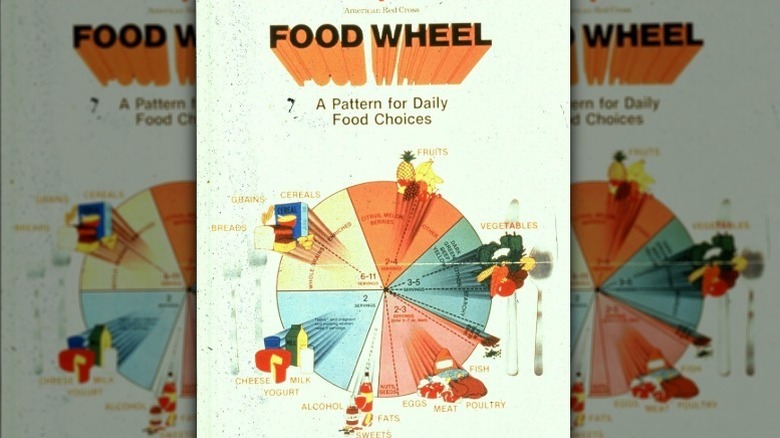
The USDA has been trying to provide Americans with a roadmap for healthy eating since 1894. Every few decades or so, new recommendations were published, and in the '80s, it was the Food Wheel. As the name suggests, this was a circular-shaped nutrition guide meant to help people visualize a balanced daily diet.
The wheel emphasized eating from many food groups and choosing a variety within each group. It also broke down daily food intake at three different calorie levels to make following the guidelines easier. The concept of an unhealthy diet leading to certain diseases was starting to become known at this time, so the Food Wheel also aimed to help people avoid certain foods, primarily fats.
For many families, the Food Wheel became a point of reference that guided what they ate. It also set the groundwork for the Food Pyramid, which was used from 1992 to 2004. While the Food Wheel may seem outdated today, it marked an important step in shaping how Americans thought about nutrition during a decade of rapid change in both diet and lifestyle.
Getting Handi-Snacks in your lunchbox
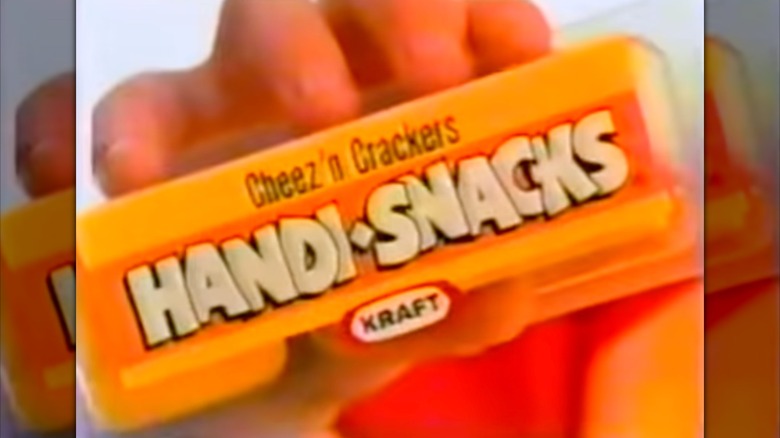
If there's a snack that instantly transports many '80s kids back to the cafeteria table, it's Kraft Handi-Snacks. These small, pre-packaged goodies combined tiny crackers with spreadable cheese. What really set them apart was the seemingly trivial addition of a little red stick inside each pack. This added a level of fun to the food, allowing kids to scoop as much spread for the crackers as they wanted.
Kids loved them, and so did parents. They were easy to add to lunchboxes and were advertised as a healthy choice, so it really felt like a win-win. Handi-Snacks were so successful that Kraft decided to expand upon the idea to create Lunchables: full lunches that are prepackaged for busy moms and interactive for curious kids.
While Handi-Snacks were a huge trend in the '80s, they also became a cultural marker of how food companies began to think outside the box. They proved that, while convenience is important, so is having something fun about your product. The addition of a simple red stick transformed an ordinary snack of cheese and crackers into a whole experience that kids couldn't get enough of.
Trying the Beverly Hills Diet
The 1980s were full of fad diets, from the Elizabeth Taylor diet to the strict cabbage soup diet. But perhaps the most famous was the Beverly Hills Diet. Created by Judy Mazel and outlined in her 1981 best-selling book, this regimen promised dramatic results through a highly structured eating program focused on how to combine foods. In other words, Mazel believed that eating certain types of food together could lead to weight gain and advised against combinations like protein and carbs.
Mazel's guide started with 10 days of eating nothing but fruit. Then, other food groups were introduced with rules on what could and couldn't be eaten together. Unlike other regimens, it didn't rely on tedious calorie counting. However, if followed correctly, participants would only consume between 800 and 1000 calories per day.
Several celebrities, including California's then-first lady, endorsed the program as an effective weight-loss solution. However, the truth about the Beverly Hills Diet isn't so glamorous. Health experts criticized it almost immediately, saying it was too extreme and that Mazel's food-combining theory had no basis in science. Despite this, the book went on to sell roughly 1 million copies, and it remains one of the most memorable food trends of the decade.
Eating microwavable TV dinners
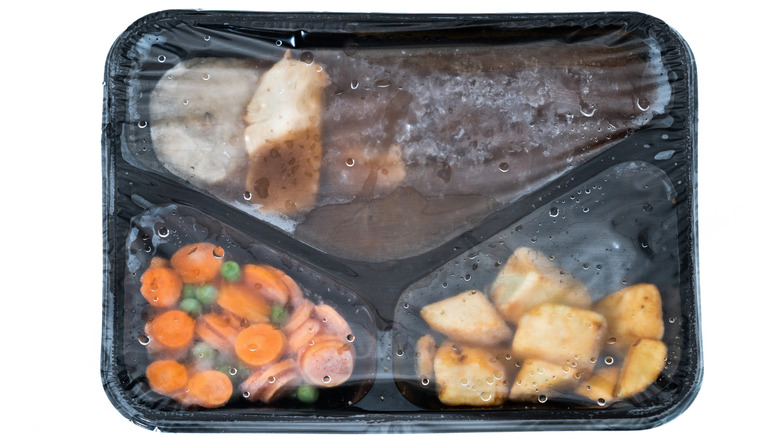
Frozen TV dinners weren't unique to the '80s. In fact, they were invented in 1953. However, the popularization of the microwave, increase in working mothers, and transition from metal trays to microwave-safe trays made TV dinners absolutely explode in the '80s. Now, families didn't even have to preheat the oven to get a hot and filling meal.
The original TV dinner was turkey with stuffing, peas, and sweet potatoes from Swanson. But several brands hit the market in the '80s with a wide range of options, including Salisbury steak and meatloaf. Many brands also came out selling low-calorie offerings to meet the demand from more health-conscious shoppers. For kids who wanted something a bit more filling after school, Libbyland Fun Meals offered a whole mini-meal complete with a game to pass the time.
However, health experts still expressed concern, stating that even the "healthier" options weren't nutritionally complete. TV dinners ended up having a full rise and fall over the years. They're still around today, but not nearly as popular as before.
Having microwavable snacks, too
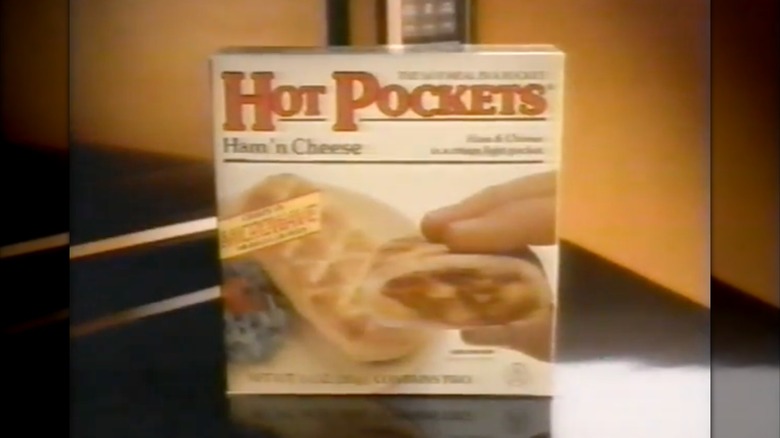
As the microwave took over American kitchens in the 1980s, it didn't just change the way people cooked dinner. Kids could suddenly heat up their own food. And when food companies decided to make easy, yet filling snacks that just needed to be microwaved, they took off.
There was no shortage of choices. Smaller snacks, such as Hot Pockets, were perfect for a quick pick-me-up. One of the most memorable creations emerged in the mid-1980s, when Micro Magic introduced frozen, microwavable hamburgers and fries that echoed the fast-food experience.
Of course, companies didn't stop at after-school snacks for kids. Microwave popcorn took off, allowing the whole family to enjoy a quintessential movie night snack in the comfort of their own home. There were even brownie and cake mixes sold with microwavable trays to whip up a fast dessert. While quality and texture often varied with many of these products, they undeniably made life easier for many busy families (and funner for kids).
Starting the day with cereal inspired by '80s pop culture
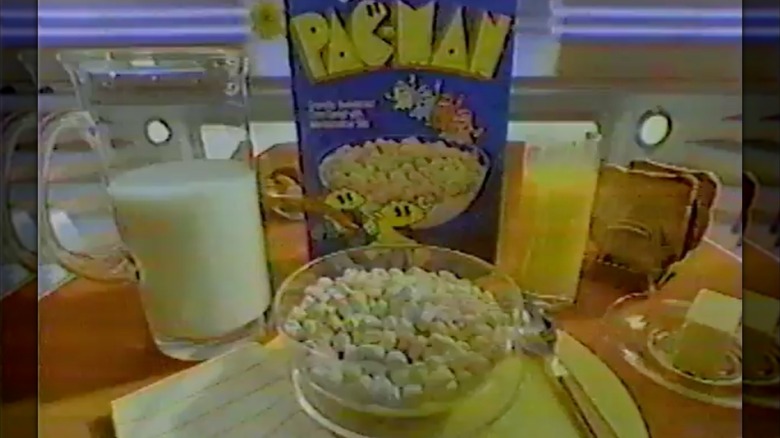
Breakfast in the 1980s was as much about enjoying a piece of pop culture as it was getting a quick meal. Cereal aisles were full of boxes featuring different characters and celebrities. And if seeing your favorite character's face on the box wasn't enough, there were also fun advertisements on TV to hype up the cereal even more.
Some cereals took inspiration from movies, like Gremlins, Star Wars C-3PO's, and Ghostbusters. Others, like Pac-Man cereal, were based on games, and some candies, like Nerds, even got their own renditions. Then, there were celebrity partnerships that led to products like Mr. T cereal. It felt like no matter what you were into as a kid, you could eat breakfast with a mascot you loved.
Cereal in the '80s served as a reflection of who and what was popular at the time. Not only were the boxes alluring, but the product itself was too. They were sugary, colorful, and often came in exciting themed shapes. It all added to the appeal and gave kids a good sugar rush to start the day.
Trying bright and bold candy
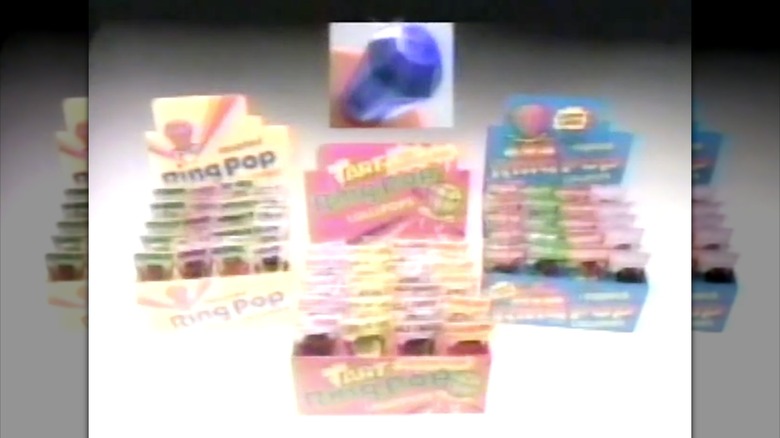
Nothing about the '80s was boring. So, it should come as no surprise that the popular candies of the decade were eye-catching and full of big flavors. As pop culture exploded with neon fashion, candy makers leaned into the trend by making brightly colored products that were bolder and louder than ever before.
Some candies, like Pop Rocks, stood out for the unique sensory experience they offered, while others, like Sour Patch Kids, capitalized on bold flavor combos. Then there were Ring Pops that gave kids the chance to wear their candy like jewelry, and Hubba Bubba Bubble Tape that pushed just how much gum one could chew at once.
These candies reflected a decade that prized novelty just as much as taste. Candy was meant to be fun. It was something you showed off and enjoyed every second. The bright colors and intense flavors captured the playful excess of the '80s, when being bold was encouraged at every turn.
Eating fun-shaped canned pasta
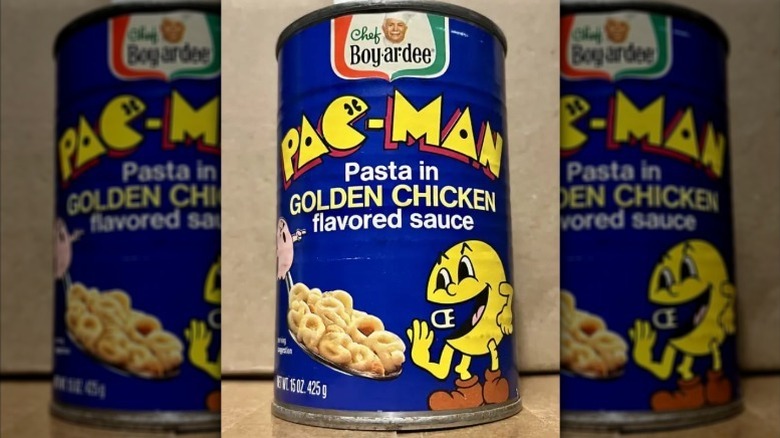
Why would fun shapes be limited to sugary cereals and candy? In the 1980s, even canned pasta got an upgrade with the introduction of shaped noodles. While brands like SpaghettiOs were already household staples, these products reinvented themselves in the '80s as exciting, kid-friendly options.
SpaghettiOs came out with TeddyOs (teddy bear-shaped noodles), Chef Boyardee made Zooroni (zoo animal pasta), and Heinz created U.F.O.'s (alien and robot-inspired). Pieces of pop culture even started making their way into canned pasta, like with Chef Boyardee's Pac-Man and Smurf offerings. These tie-ins made the food feel familiar and thrilling for kids across the country.
Like many other '80s foods, canned pasta was both a convenience food and an experience. Busy parents could quickly heat up the product after work, and kids could let the shapes spark their imaginations. It was the best of both worlds, and it's no wonder it was so popular.
Following a low-fat diet

As nutrition science gained traction in the 1980s, health professionals began drawing connections between unhealthy diets and diseases. However, knowledge was still limited, so fat became the main target. The Food Wheel and subsequent nutritional advice all focused on maintaining a low-fat diet, which helped fuel what became known as the low-fat craze of the 1980s. All fats became the enemy, including what we now know as healthy ones.
Families started swapping out their regular foods for "light" versions, such as skim milk and low-fat yogurt. Unfortunately, the non-fat label is a huge red flag. As brands reduced fat content, they often replaced it with refined carbohydrates and sugar. Adults and children alike relied on processed foods like Lean Cuisine frozen dinners and ate more snacks like cookies. The thinking was that the "low-fat" label made them healthy. This became one of the many factors that led to the rise in obesity that America is still trying to correct decades later.
Giving kids tobacco-themed treats

Smoking was so prevalent in the 1980s that it became part of everyday life. People smoked in restaurants, malls, airplanes, and even in hospitals. Brands targeted kids with colorful designs, like Camel's cartoon mascot. That's not to mention all the tobacco-themed candies on the market. Companies may not have been intentionally encouraging smoking, but they were giving kids a way to mirror the adults around them.
Candy cigarettes may have been created in the 1930s but they remained popular in the '80s. These chalky sugar sticks gave kids the chance to role-play smoking with a piece of candy. Gum cigarettes took this one step further by adding powdery sugar that looked like smoke when kids blew on them.
Big League Chew, a popular brand of bubble gum, was designed to mimic chewing tobacco, which was ubiquitous among baseball players. The gum had a unique shredded texture and was sold in a pouch meant to look like a tobacco tin. Many look back at these treats with disbelief now, but they were products of a time when smoking was more socially acceptable, and the dangers were not fully realized.
Having sloppy joes for lunch ... and dinner
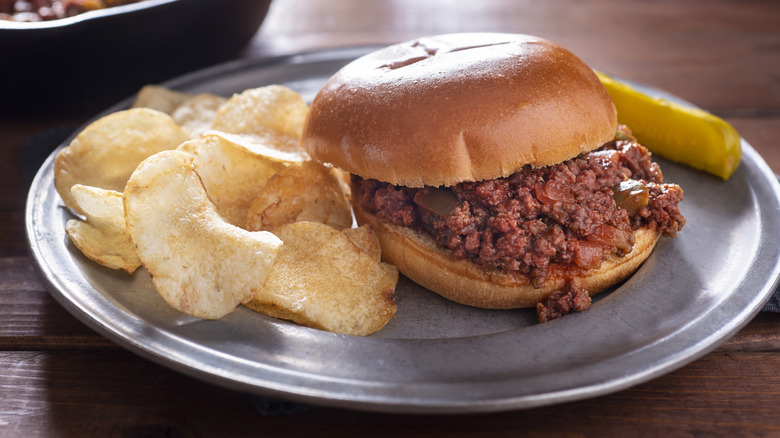
Those who grew up in the '80s probably remember the good old-fashioned sloppy joe that made a frequent appearance at school and home. And there's a good reason why. It's a filling, affordable, and simple dish to make, perfect for both cafeteria workers who need to whip up lunches in big batches and working moms looking to make a quick dinner for the family.
This messy, loose meat sandwich had been around long before the '80s, but Manwich took it to the next level. The canned sloppy joe sauce made an already simple meal even easier. All you had to do was brown some meat, stir in Manwich, and spoon it onto buns. It was so popular that the brand introduced family-sized cans in the late '70s, allowing people to make bigger portions throughout the following decade and beyond. The sloppy joe became so iconic that it was even featured on "Roseanne" in the late '80s.
Eating at fast food buffets
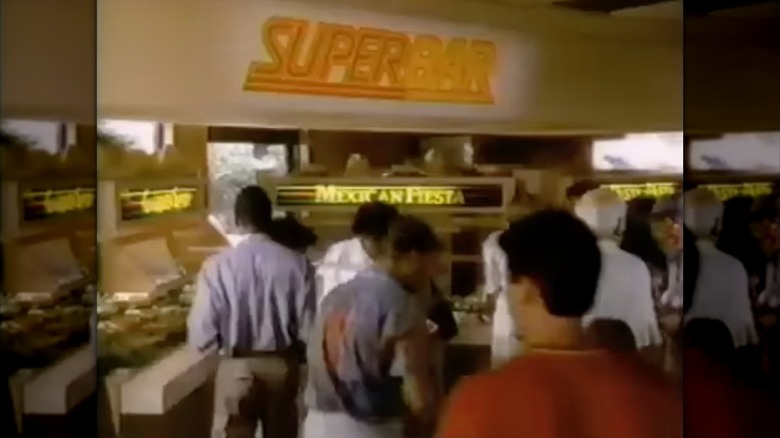
The buffet craze swept through America in the 1980s. But unlike today, where buffets are typically reserved for restaurants, buffets in the '80s were also found in fast food joints. Several chains transitioned from quick in-and-out service to offering sit-down, all-you-can-eat dining. KFC introduced lunch buffets centered around its typical menu offerings, and Wendy's created its signature Superbar that included stations for salad, pasta, and Mexican cuisine. Although the evidence is more difficult to pin down, it's even believed that Taco Bell offered all-you-can-eat meals, and McDonald's had a breakfast buffet with grits, hash browns, eggs, and pancakes.
The appearance of these buffets was part of a larger trend. Portion sizes skyrocketed in the '80s as people were looking to get the most bang for their buck. All-you-can-eat options at fast food restaurants were certainly seen as a deal. Unfortunately, these fast food buffets no longer exist and are now just a fond memory from the '80s.
Stopping at the Orange Julius stand at the mall
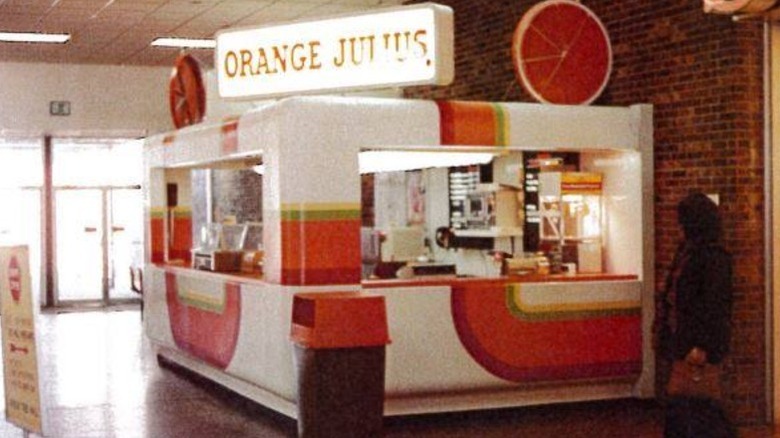
In the 1980s, shopping malls were social hubs where teenagers gathered to hang out. At the heart of many food courts was the popular Orange Julius stall. The iconic smoothie-like orange drink was the perfect treat to enjoy while walking around the mall.
Orange Julius had actually been around for decades. The beverage was first created at an LA juice stand in 1926, before expanding to fairs and eventually becoming mall staples by the '80s. Dairy Queen acquired the brand in 1987 and started selling its drinks in DQ Treat Stores as well. Unfortunately, the standalone Orange Julius stores are a thing of the past, and many have been replaced with DQ stores. Although you can still order Orange Julius drinks at some Dairy Queen locations, seeing the iconic Orange Julius stand in the mall will remain a part of '80s nostalgia.
Cooling down in the summer with Jell-O Pudding Pops
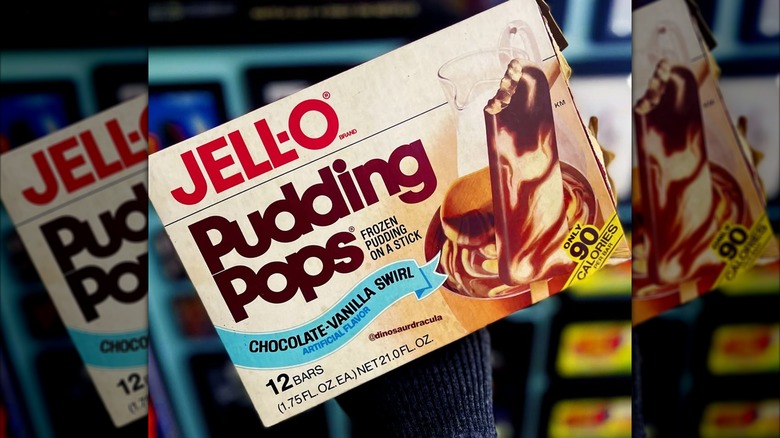
Growing up in the '80s meant spending your summers outside until the streetlights came on. Kids were always on the lookout for ways to beat the heat, whether that be drinking from the garden hose or sneaking inside for Jell-O Pudding Pops. Unlike traditional ice cream bars, Pudding Pops were made from flavored pudding that was frozen onto a stick, creating a soft and creamy dessert.
Not only did they taste delicious, but they weren't considered an indulgence. The '80s were a time when families increasingly tried to eat healthily, but there was a lot of misinformation about what exactly was good for you. Jell-O (like many other companies) took advantage of this and marketed its Pudding Pops as wholesome snacks. They were so popular that Jell-O ended up making almost $100 million within the first year of the product's launch.
Ordering pizza and a fried apple pie at McDonald's
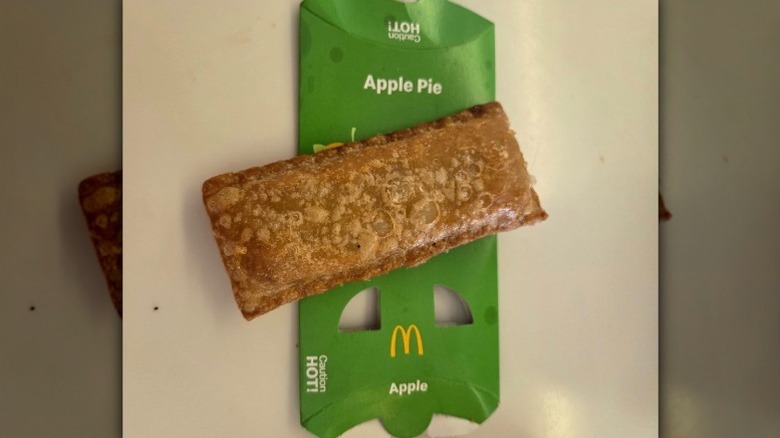
The 1980s were a time of innovation for many fast food joints. McDonald's introduced some of its most beloved products during this decade, including Chicken McNuggets and the McRib. Of course, not all of the brand's new ideas stood the test of time.
While you may think you know everything about McDonald's apple pies, in the '80s they were deep-fried. This achieved a warm, gooey center with a beautifully crisp crust, which people loved. They were a popular treat but were replaced by baked apple pies in the early '90s as a seemingly healthier option. McDonald's also tested the idea of selling pizza to increase sales during dinner time. Unfortunately, there were many logistical issues, and the chain stopped almost as quickly as it started. Still, for a short window in the late '80s and early '90s, you could have a pizza and a fried apple pie at some McDonald's locations.