

Not Metal Or Aluminum: Why You Should Be Baking With This Type Of Pan Instead
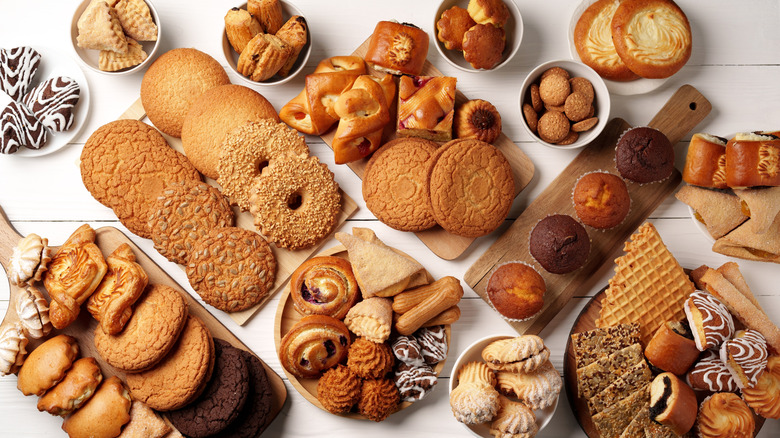
Baking is a tradition thousands of years old, and even for modern bakers, old habits can die hard. This includes the use of baking pans made of aluminum or other types of metal, a common feature in kitchens for generations. While many have wondered whether to choose glass or metal, 21st-century home cooks can improve some of their favorite recipes by swapping them out for silicone pans instead.
The main benefits can be immediately noticed by those who make the switch. For one, it's far simpler to remove individual items from silicone pans, which flex as needed to allow bakers to easily pop out their baked goods. Meanwhile, they're naturally non-stick, so there's no need to heavily grease the pan — a technique that can alter the flavor or texture of food.
In addition, silicone is tougher and more durable than alternatives like glass or ceramic, enduring drops and other rough handling without breaking. Their inherent strength and flexibility also make it easier to store them without risking damage to them or other pans. They're equally at home in hot and cold temperatures and can transition between them without breaking, making them extra versatile in the kitchen.
Possible drawbacks of using silicone pans
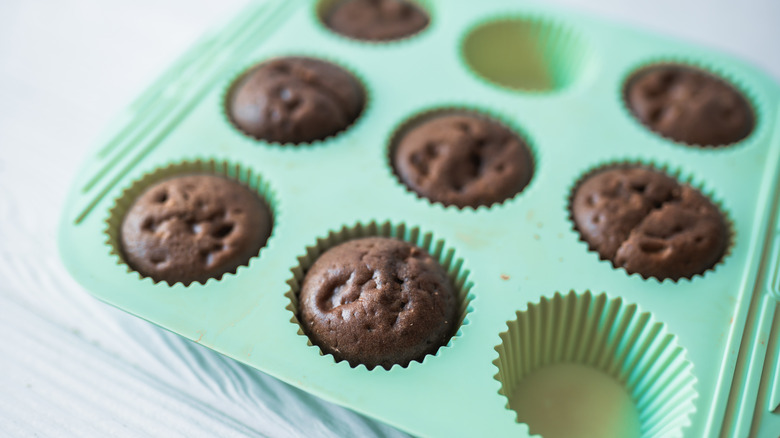
Like every decision involving kitchen equipment, there are some trade-offs involved with using silicone over old-school versions. It has a lower ability to conduct heat, meaning it won't provide the same level of browning or crusty exterior that metal can. However, this drawback can be easily addressed by choosing the right pan for the right type of baked good. Silicone is best for light-colored or very sweet items, as the sugar can help with browning. Silicone pans also typically need support from a baking sheet or other firm surface when placed in the oven, potentially creating the need for additional equipment.
Many of these benefits and drawbacks extend beyond silicone pans to their culinary cousin, silicone baking mats. With these, it's also critical to avoid the mistakes everyone makes when baking with a silicone mat, which include folding or crushing them, dishwashing them, or assuming they can take any temperature. Most are safe to around 428 degrees Fahrenheit, meaning items that need ultra-high temperatures aren't suitable for silicone.
So, the next time you're trying out a new baking recipe or whipping up a batch of an old favorite, consider leaving the metal pans in the cabinet and opting for silicone instead. For the right items, it's a match made in baking heaven.