

These Popular Grocery Stores Are All Part Of The Kroger Family
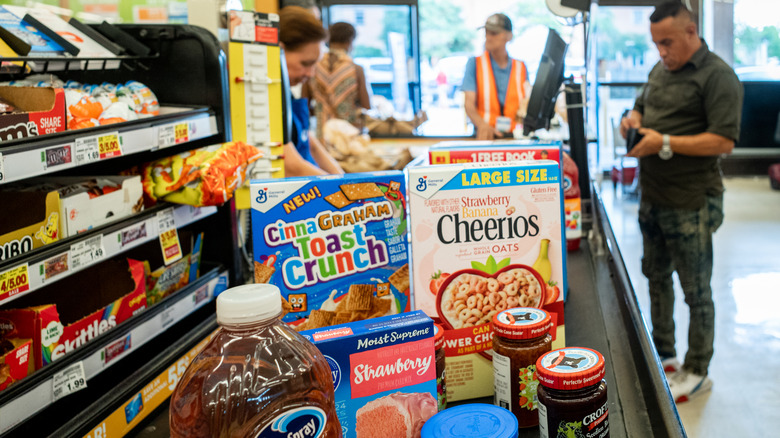
Who owns your local supermarket? At nearly 3,000 locations nationwide, the answer to that is Kroger. The almost 150-year-old company owns stores literally from coast to coast. Kroger started as a tea shop in Cincinnati, Ohio, in 1883. In 1901, it became the first market to build an in-store bakery (and that was back in the days when grocers were full-service, so clerks would retrieve customers' dry goods from shelving behind a counter). Kroger has come a long way since then, even recently adding a 30-minute delivery service.
Over the years, Kroger has grown by opening new stores, along with acquiring other regional and local chains across the country. So, if there isn't a store called Kroger nearby, that doesn't mean the company isn't in the area. In addition to Kroger stores, the company owns around 20 other supermarket brands, plus a variety of other businesses.
Dillons
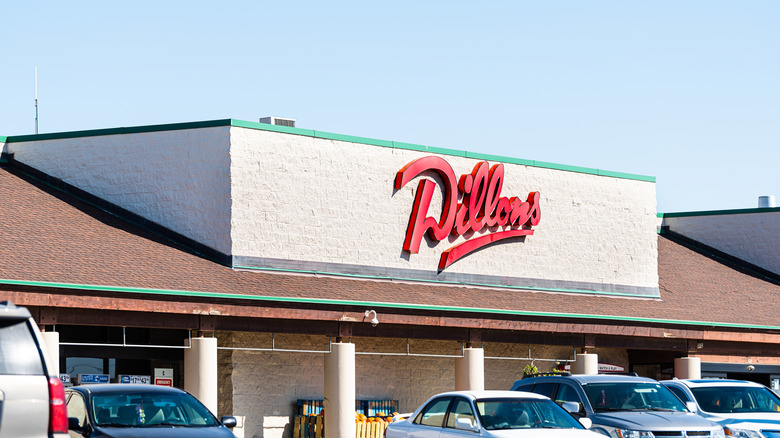
Hutchinson, Kansas, was the hometown of the original J. S. Dillon Cash Store in 1913. As was typical then, customers could buy food on credit and pay it back later. John Dillon thought that might cause financial trouble, and opened a cash-and-carry store the following decade. As the business expanded and the Dillon family added more locations, they actually bought Kroger's Wichita division in 1957, only for all of Dillons to be acquired by Kroger in 1983. That deal included a few other supermarket chains Dillons had purchased.
City Market
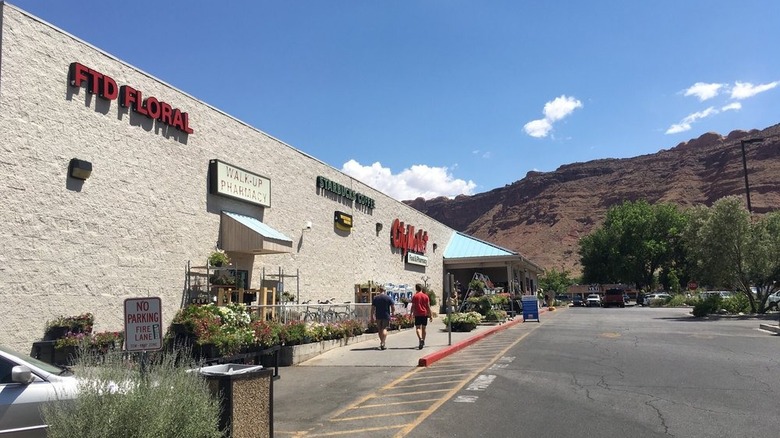
One of those chains was City Market, started in 1924 by the Prinster brothers in Grand Junction, Colorado. Dillons acquired City Market in 1970, but the Prinster family continued to run the chain even after it came under Kroger's ownership. In fact, Tony Prinster (a founder's grandson) was president of the chain from 1990 to 2001. Today, City Market is run as part of another Kroger company, King Soopers.
Fry's
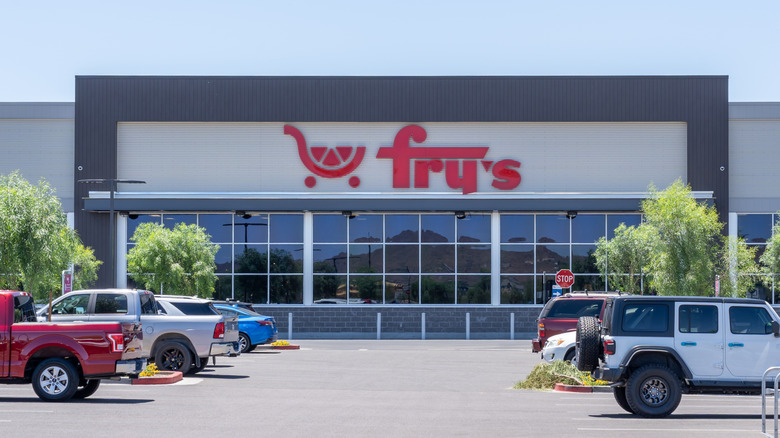
Fry's started when Charles and Donald Fry opened a grocery store in Richmond, California, in 1955. It wasn't until five years later that the brothers moved into Arizona, where all Fry's locations are now. Dillons bought Fry's in 1972. Fry's added about three dozen locations in 1999, when Kroger acquired a rival chain called Smith's and switched most of the Arizona Smith's stores to Fry's.
Gerbes
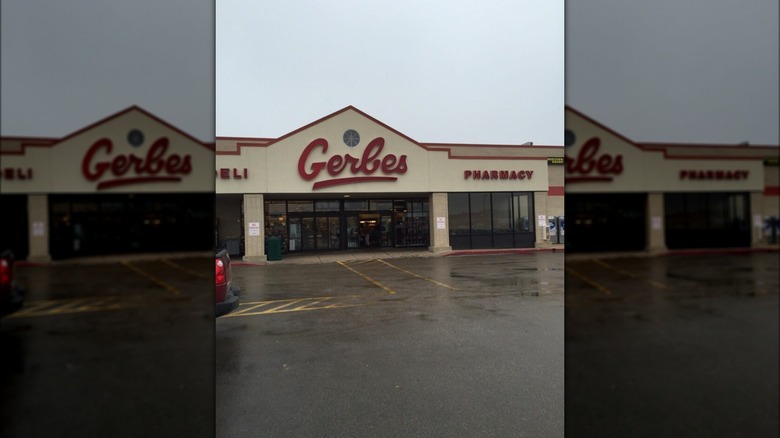
Founder Frank John Gerbes' first grocery job was actually in a Kroger store. He opened a store of his own in Tipton, Missouri, in 1933. The grocery chain grew over the following decades, including with the opening of a Gerbes Family Shopping Center in 1965. Alongside groceries, this store had a variety of general merchandise, hardware, and even an in-store restaurant. At the time, its 41,000 square foot footprint was quite large, but today, large-format Kroger stores can be up to 140,000 square feet. With 14 locations at its peak, Gerbes Super Markets has only six locations now, all in central Missouri.
King Soopers
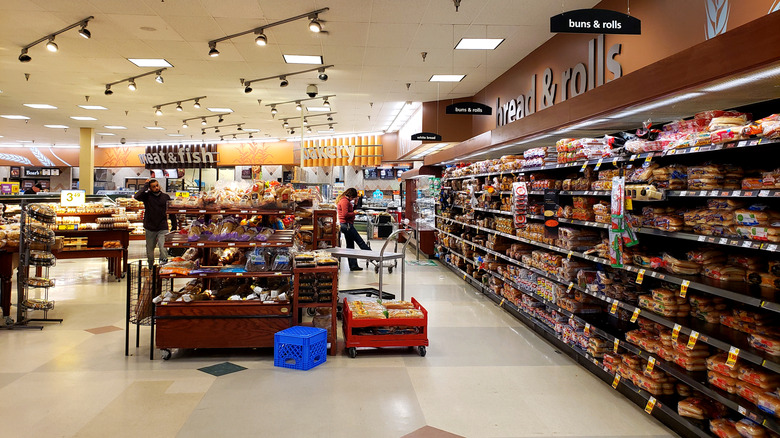
Who's the king of this Denver-area chain? That would be Lloyd King, who started the company in 1947. King Soopers was the first supermarket chain to have an in-store pharmacy, and an early pioneer in self-service meat departments. 10 years after King Soopers' founding, the grocer was acquired by Dillons Companies.
Fred Meyer
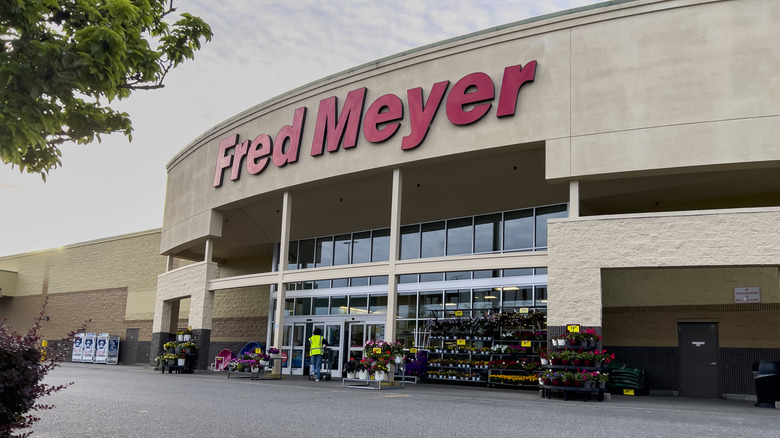
Founder Fred Meyer — whose name originally was Fred Grubmeyer — opened the first eponymous store in Portland in 1922. Meyer incorporated some unusual-at-the-time features in the early stores, including adding auto service departments, self-service drugstores, rooftop parking in urban locations, and even an early store brand called My-Te-Fine. Fred Meyer bought Food 4 Less, QFC, Ralphs, and Smith's supermarkets over the years before selling the whole company to Kroger in 1999.
Ralphs
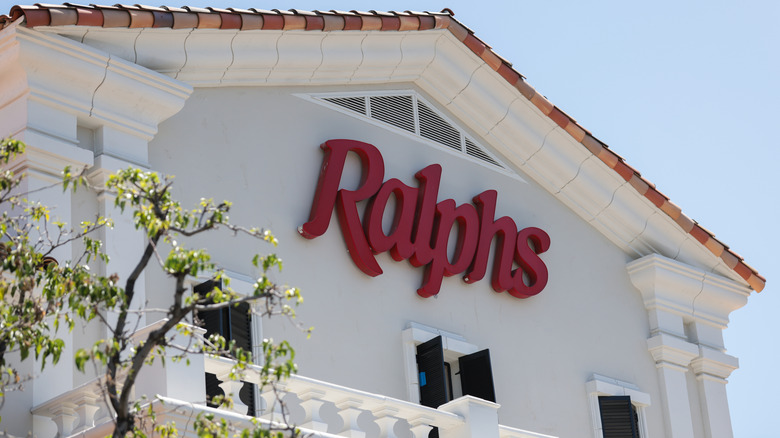
This California supermarket wasn't named after someone named Ralph; the original company was owned by George Ralphs and S. A. Francis. Ralphs & Francis, as it was then called, opened in Los Angeles in 1873. Although George Ralphs died in 1914, the chain stayed in the Ralphs family until 1968. Ralphs had several corporate owners in the following decades before officially joining Kroger in 1999.
Food 4 Less
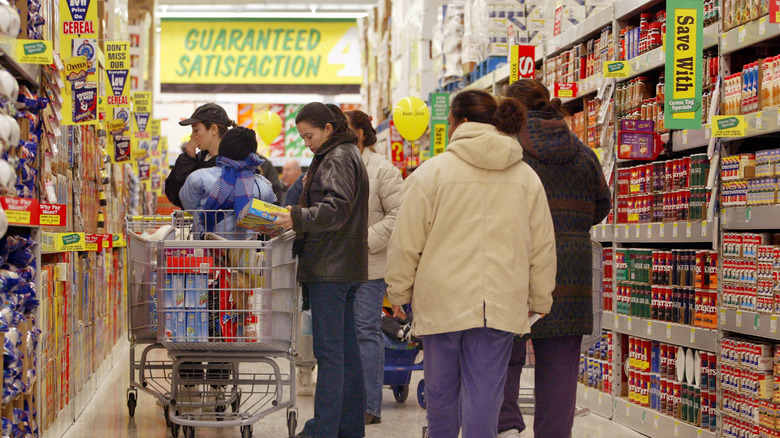
The Food 4 Less name dates back to 1930 in the midwest, but under the ownership of wholesaler Fleming Companies, the brand expanded to the West Coast. Ralphs merged with Food 4 Less in 1995, and after the Ralphs chain was acquired by Fred Meyer, many of the midwestern Food 4 Less stores were sold. Kroger owns Food 4 Less stores in southern California and the Chicago area, but other locations are under different ownership.
Foods Co
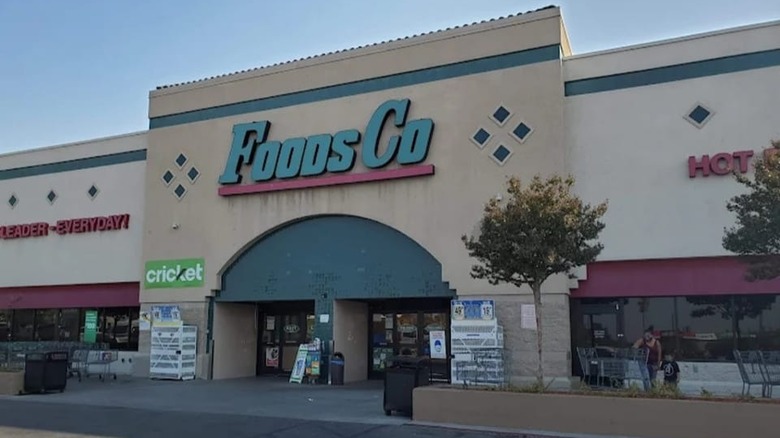
Because of all the mergers and acquisitions of Food 4 Less, Kroger can't use the Food 4 Less name in northern and central California, where other companies own Food 4 Less stores. So, Kroger's discount stores in northern and central California are under the Foods Co name.
QFC
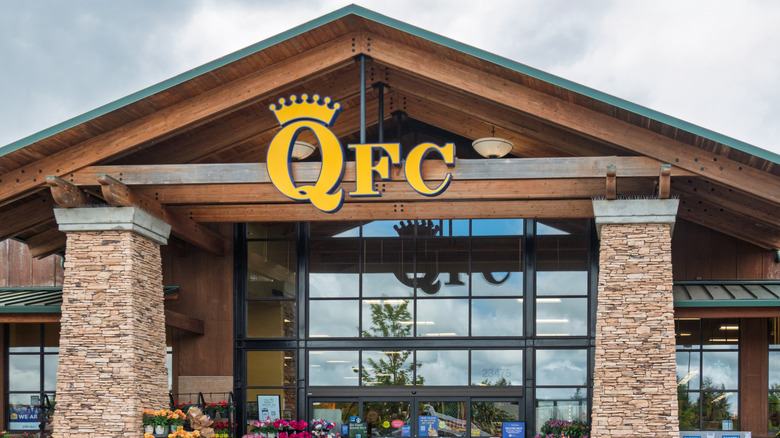
Quality Food Centers (now shortened to just QFC) is a Seattle-native chain that started with Vern Fortin's store, Ray's Thriftway, in 1955. Five years later, Fortin's company merged with another Thriftway owner to become Quality Food Centers. Fred Meyer bought QFC in 1998, becoming part of Kroger the following year. QFC might be shorter than the original name, but in 2018, the chain pondered switching its official name to just "The Q" — a proposal that never happened.
Smith's
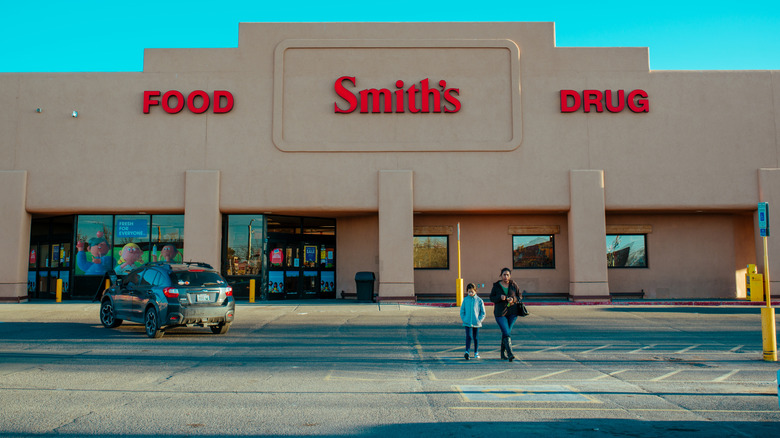
Lorenzo Smith started a grocery store in Brigham City, Utah, in 1911, moving to a larger space across the street in the early 1930s. It became Smith and Son's Market, later rebranding to Smith's Super Market, then to Smith's Food & Drug in the 1980s. Today, the chain spans seven states.
Jay C
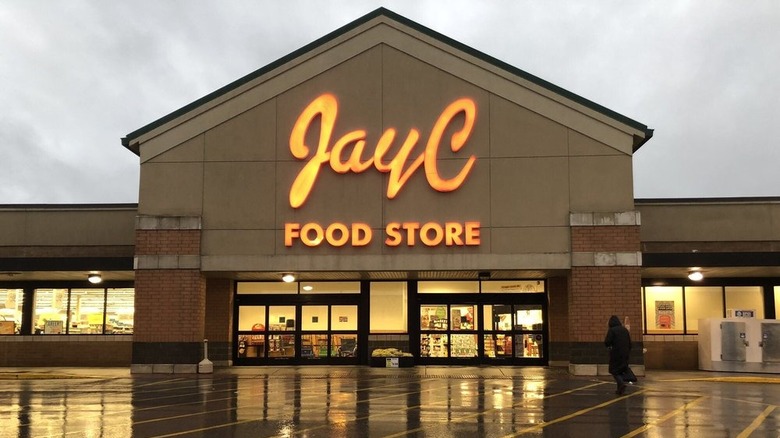
Jay C Food Stores is named after its founder's first and middle initials, John C. Groub. Groub opened a food store in Seymour, Indiana, in 1863, moving to wholesale groceries the following decade. It wasn't until 1927, though, that the Groub family started using the Jay C name on their stores. The Groub family owned Jay C and Ruler Foods stores until 1999, when they sold their company to Kroger.
Ruler Foods
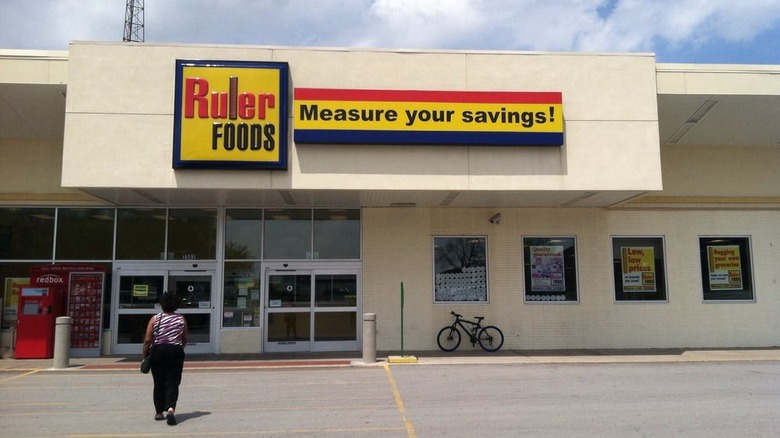
The Groub family owned a single discount grocery store called Ruler Foods alongside their traditional supermarket chain, Jay C, when they sold their stores to Kroger in 1999. Kroger expanded the brand, converting existing stores to the Ruler Foods name and no-frills format.
Pay Less
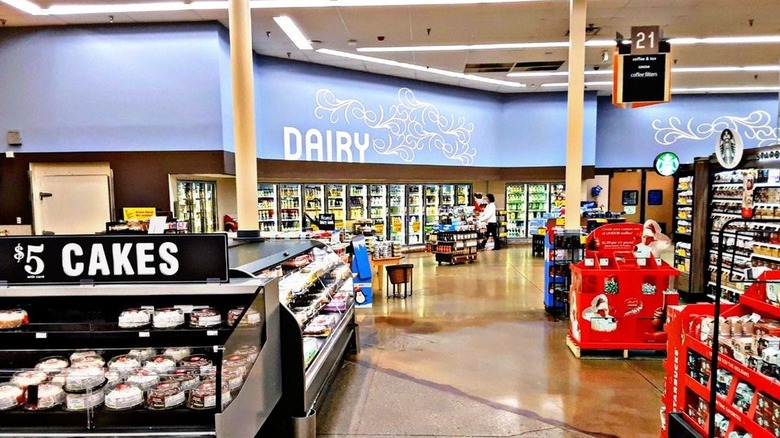
In 1999, Kroger also acquired Pay Less, a chain of eight (now nine) grocery stores in Indiana, just months after acquiring Jay C in the same state. The Pay Less chain started in 1947, when H. J. "Bud" Contos opened a location in Anderson, Indiana. Contos' son ran the company until selling it to Kroger.
Baker's
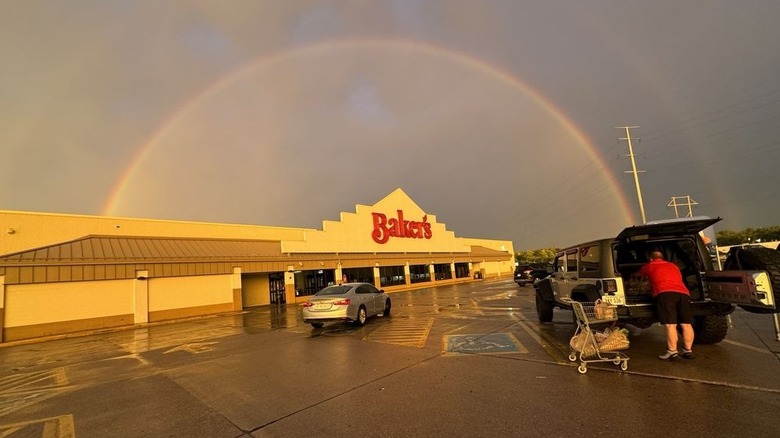
Founded by Abe Baker in 1927, Baker's is an Iowa-based chain of grocery stores that started as Walnut Fruit & Grocery. Family-owned until 1992, Baker's was later sold to Fleming Companies, which in turn sold the chain to Kroger in 2001. Today, all Baker's stores are in and around Omaha, Nebraska.
Harris Teeter
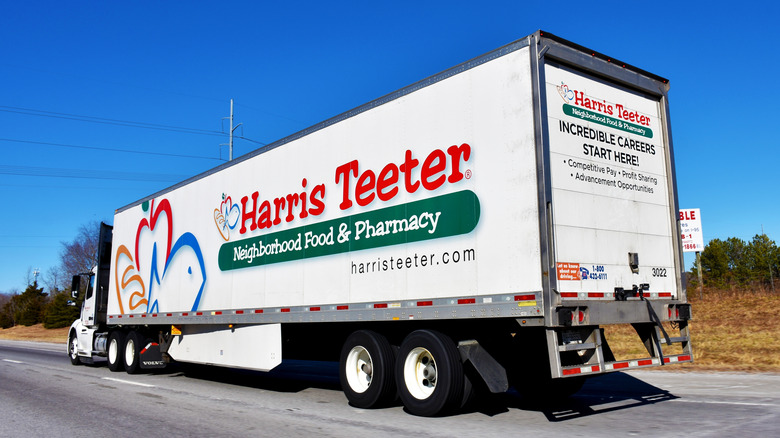
Willis Teeter opened a North Carolina grocery store in 1939, with W. T. Harris opening his own a decade later. The two grocers merged their businesses in 1960, forming Harris Teeter and growing as a chain. Kroger acquired the company in 2013 for $2.5 billion, but, unlike other Kroger brands, Harris Teeter has remained somewhat independent. Harris Teeter has its own North Carolina headquarters, and doesn't sell Kroger-branded products in the store.
Mariano's
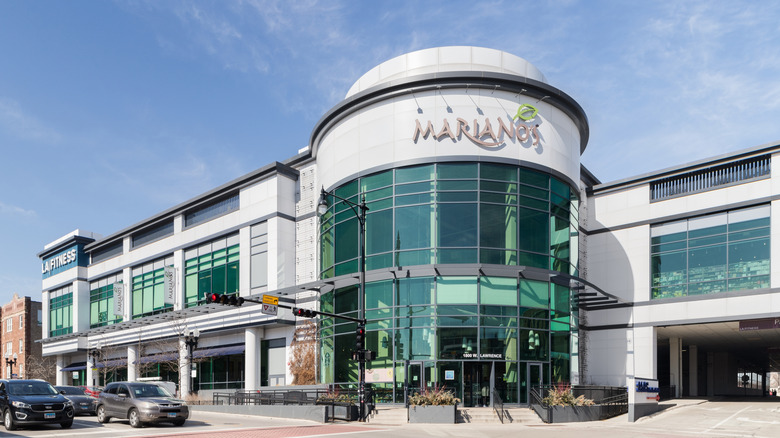
Mariano's is a relative newcomer compared to the century-old Kroger chain. Mariano's opened its first store in a Chicago suburb in 2010, owned by a Milwaukee-based chain called Roundy's Supermarkets. Mariano's is named after Roundy's then-chairman Robert Mariano, who had previously run the Dominick's chain in the Chicago region. Kroger acquired Roundy's in 2015, the most recent chain Kroger has bought (though it tried to buy rival Albertsons Companies, unsuccessfully, in 2024).
Metro Market
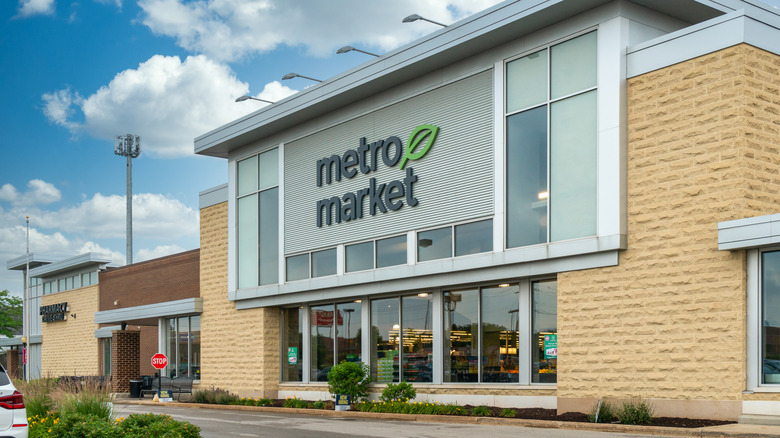
Metro Market is a Milwaukee grocer, an upscale chain of supermarkets introduced by Roundy's in 2004. A second location came in 2010, with several more in the following years modeled after the Mariano's stores in Chicago. Roundy's, and subsequently Kroger, expanded the chain to its present 23 locations, all in Wisconsin.
Pick 'n Save
Roundy's introduced the Pick 'n Save brand in the mid-1970s, at a time of recession and high food prices. The warehouse-style store was truly no-frills: no fresh meat, very little fresh produce, no interior decor, and plywood walls. Today, the 77 Pick 'n Save stores in Wisconsin are closer to traditional supermarkets than the original discount concept.
Murray's
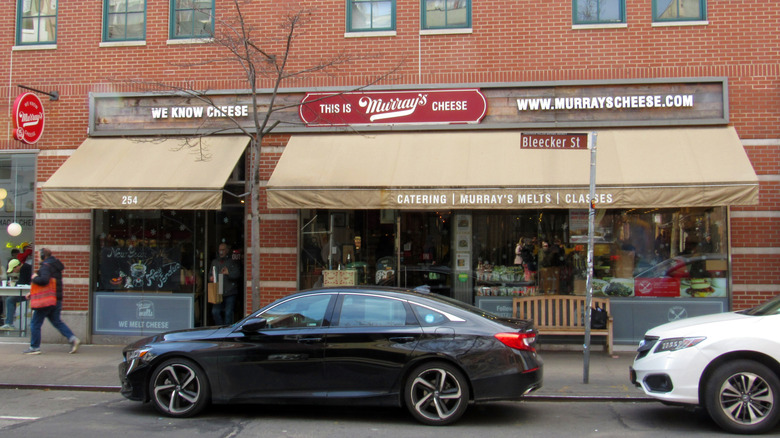
Kroger's most recent food business acquisition actually isn't a supermarket — it's New York City's iconic cheese shop Murray's Cheese. This store started in Greenwich Village in 1940. In 2008, Murray's tested opening cheese departments in Kroger-owned stores, a program that expanded to over 300 stores by the time Kroger actually bought the original Murray's business in 2017. Today, over 1,000 Kroger-owned supermarkets have in-store Murray's cheese kiosks.