

The Seafood Item You Should Almost Always Buy Frozen
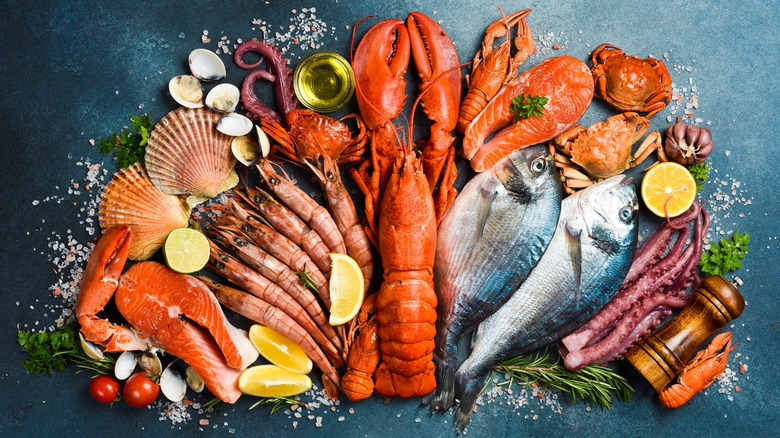
With seafood, you don't have to be a skilled cook (or shopper) to know that freshness is crucial. In the minds of many consumers, this means seafood right off the boat or already thawed and chilled on ice. However, there's one common item you should always pick up in the freezer aisle of your grocery store for maximum freshness and lowest cost: shrimp. This is because of the unique features of the crustacean, as well as how it's caught and handled.
When commercial shrimp is caught, it's flash frozen almost immediately using a process known as individual quick freezing (IQF). The shrimp travel along a conveyor belt where they're blasted by cold air to rapidly chill them. This is to lock in peak freshness and prevent the shrimp's natural enzymes from breaking down the flesh, a process that results in higher nutritional quality, better texture and taste, and longer shelf life.
Even if you buy unfrozen, uncooked shrimp at your local supermarket, you may be surprised to learn that these shrimp most often arrive frozen and are simply thawed on site. While this might save some prep time at home, it often comes with a shorter lifespan since you don't know how long ago the "fresh" shrimp was actually defrosted.
There are a few exceptions, though. If you live in the southern coastal region, particularly near the Gulf of Mexico (renamed the Gulf of America in 2025 by U.S. President Donald Trump), with access to ultra-fresh, off-the-boat shrimp, you can opt for unfrozen versions. The same rule applies if a seafood seller or market offers live shrimp.
Cheap to buy, easy to defrost
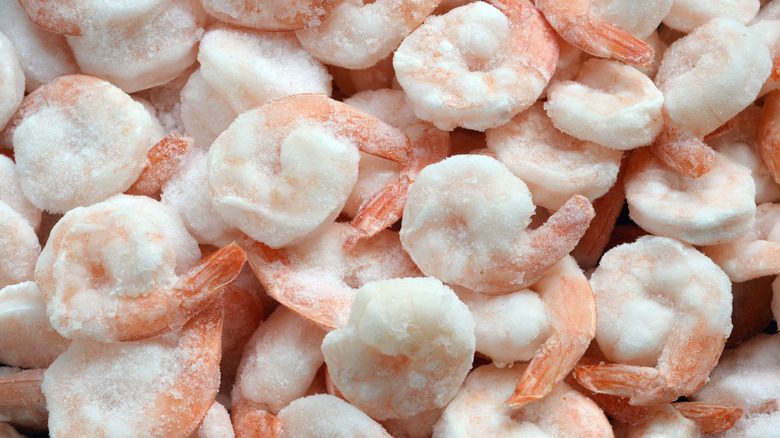
Frozen shrimp is often several dollars cheaper per pound than unfrozen, as you're not charged for the time required for store employees to defrost them. So from cost perspective alone, this is a reason shrimp is on our list of foods you should always have in your freezer.
When it comes to defrosting shrimp at home, it's actually faster and easier than you might think. The most reliable, hands-off method is to thaw them in the fridge for 12 to 24 hours. If you're in a rush, you can defrost them far quicker in a colander under cold running water, which usually takes under 10 minutes. This means there's no long-term planning required, like when defrosting other larger cuts of seafood.
For all the reasons above, it's clear being told to stay away from the frozen version of this crustacean is among the false facts about shrimp you thought were true. The only thing left to do is decide which of our best weeknight shrimp recipes to make first.