

What Astronauts Will Be Eating On The Artemis II Moon Mission
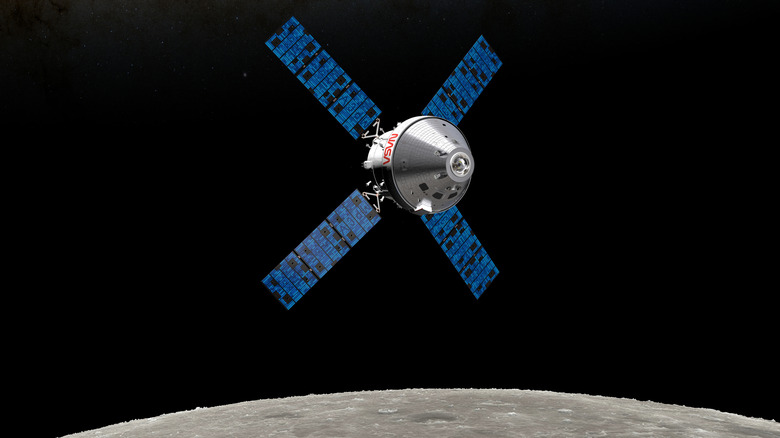
Space missions take years, if not decades, to develop, and they cost billions of dollars. From engineering to physics to safety, every detail of these missions must be meticulously planned, but what some may not realize is that lots of attention is paid to the meals astronauts eat in orbit. The 10-day Artemis II mission scheduled to launch in April 2026 is no exception. A four-person crew will blast off on the spacecraft Orion with plenty of nutritious foods onboard.
According to NASA, the four-person crew — which includes astronauts Reid Wiseman, Victor Glover, Christina Koch, and Jeremy Hansen — will be eating dishes like vegetable quiche, breakfast sausage, barbecue beef brisket, macaroni and cheese, granola with blueberries, tropical fruit salad, and much more as they travel approximately 230,000 away from Earth. Teas, juices, coffee, and smoothies are among their beverage choices, and plenty of condiments will also be available, including maple syrup, five different types of hot sauce, and nut butters. Of course, they couldn't forget dessert: There will be plenty of cookies on board, plus chocolate, cake, some candy, cobbler, and pudding.
The crew spent time with experts at NASA's food lab to test dishes for the upcoming mission. Not only do things like nutritional value and allergies need to be addressed, but personal food preferences are also important. Space food has clearly come a long way since the first meal on the moon, which included bacon squares and sugar cookie cubes.
Food in space is highly regulated
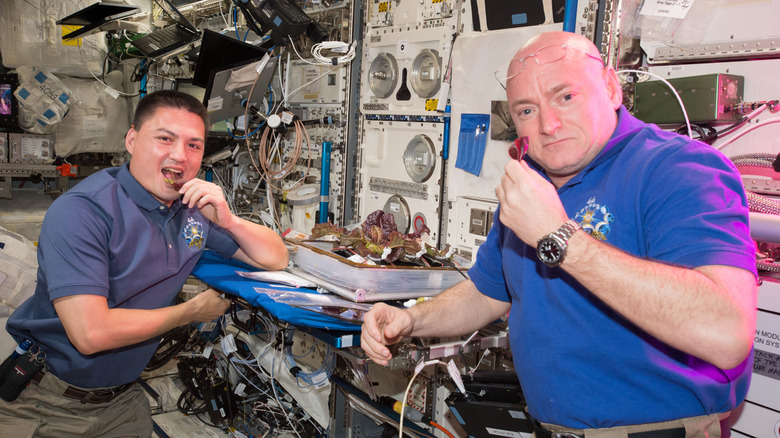
Naturally, meals on the Artemis II moon mission must meet each astronaut's daily calorie requirements. But just like most people, the crew doesn't want to eat the same thing every day, so NASA's food lab tries to implement variety into its space menus. This is evident in the vegetable choices that will be aboard the Orion: butternut squash, cauliflower, spicy green beans, and broccoli au gratin.
As for onboard food safety, this doesn't just encompass the crew's potential food allergies, but also the welfare of the ship and equipment. For example, bread is banned from the International Space Station (and from space travel in general) because crumbs can potentially float into and damage equipment. Instead, shelf-stable tortillas — likely similar to the ones Taco Bell helped develop for previous space missions — are on the Artemis II menu in addition to wheat flat bread.
There won't be refrigeration onboard the Orion, so most of the crew's meals are dehydrated. To prepare their food, astronauts must first pump potable water into the meal packages before placing them in warmers. Aside from these dishes fulfilling astronauts' health requirements, the power of communal dining still exists far beyond Earth's atmosphere. Being able to take a break, dine, and talk together is important for morale and is one aspect of space travel that the astronaut crew doesn't take for granted.