

14 Popular Potato Varieties And Tasty Ways To Cook Them
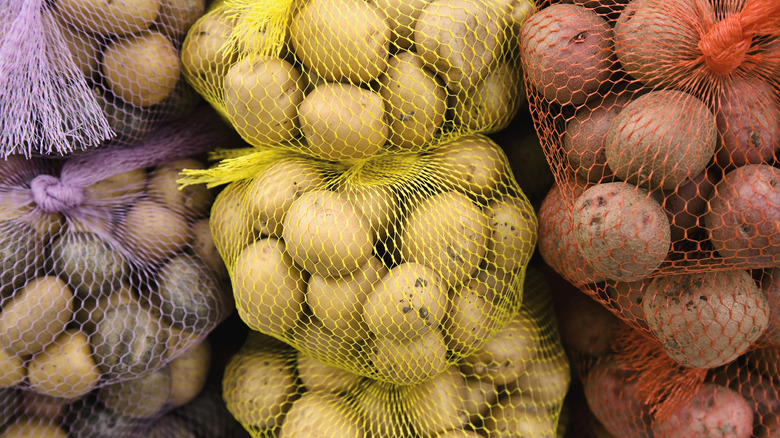
If you had to choose one type of food to eat every single day without getting bored, potatoes should definitely be on your radar. Whether you boil, fry, roast, bake, or pan-fry, they're always satisfying. Plus, you can cut them into all kinds of fun shapes that can totally change your dining experience. While most of us could wax poetic about potatoes, there's a lot that you may not know about this incredible starch.
According to the International Potato Center, there are over 4,000 types of potatoes worldwide. Most casual home cooks might be able to name five or so different types of potatoes on a good day. Broadening your potato horizons could help you get so much more out of your meals and snacks.
RJ Harvey, who is the RDN, CEC, CCMS, and Director of Culinary at Potatoes USA, is here to help us get more comfortable working with different types of potatoes in the kitchen. Read on to get acquainted with 14 potato varieties and learn the tastiest ways to prepare each one.
1. Russet potatoes
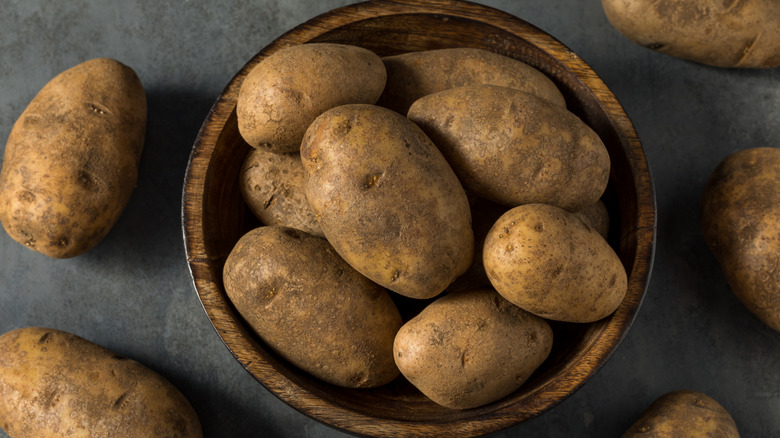
Russet potatoes are the type of potato that most Americans know and love, and for good reason. They're arguably the best multi-purpose potato. No matter how you prepare them, the taste and flavor are bound to hold up beautifully.
If you're craving a a simple baked potato, RJ Harvey believes that russets are the way to go. "They have lower water content and higher amounts of starch than other potato types, so the flesh becomes light and fluffy when baked," he said. "Russets also have skin that's neither too thin nor thick, so it gets nice and crispy. Choose a medium-large potato, between 5 ounces (about the size of a deck of cards) and 8 ounces (about the size of a soft drink can)." He also urged home cooks to plan for a longer bake time if the potato is on the larger side.
Harvey elaborated that russets are also fabulous for preparing fluffy mashed potatoes thanks to their starchiness — and when it comes to french fries, he believes that they're the most approachable variety, too. You'll have no trouble finding russet potatoes at the store, and you don't have to worry about them getting too greasy. "Russets tend to make the most iconic fries," he mused. "Because of their shape, size, and texture, they make fries that are long with a crispy exterior and light and fluffy interior."
2. Red bliss potatoes
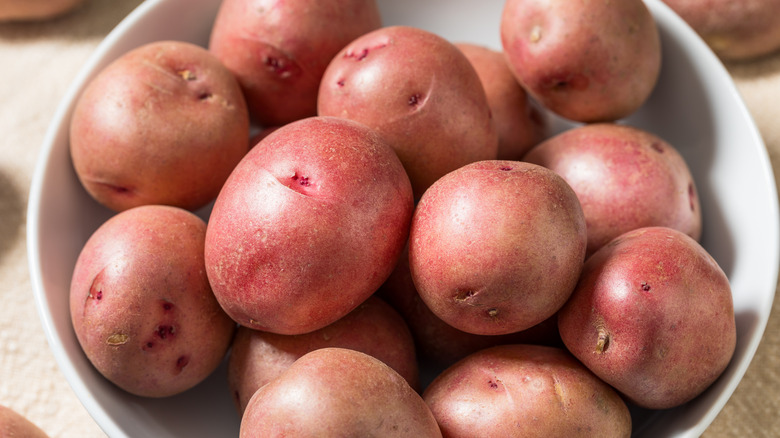
There are many different types of red potatoes out there, but red bliss is perhaps the most readily available. However, RJ Harvey explained that there are some other popular kinds that you may find at your local grocery store, such as Chieftains, Red Norlands, and Pontiacs. Don't be confused by the names because Harvey said you can feel confident treating all red potatoes the same.
"Because of their waxy texture, red potatoes retain their shape and tend to hold up throughout the cooking process, even in soups, chowders, stews, and seafood boils," he shared. "Their thin yet vibrant red skin adds appealing color and texture to salads. They are the perfect choice for a delicious German-style potato salad made with a warm bacon dressing, and they are delicious in any vinaigrette-based potato salad." Another one of Harvey's favorite ways to prepare red potatoes is by boiling them in salted water and then tossing them with olive oil and fresh herbs. He recommends dill, chives, or tarragon. He mused that preparing red potatoes this way will help you create delicious side to accompany grilled fish, seafood, or roasted chicken.
Roasted red potatoes should also be on your menu. "Potatoes with higher moisture content and waxier textures, such as reds, can be used for roasted wedges to be served along roasted meats and seafood," Harvey said. However, he then warned, "But they have a harder time staying crispy for extended periods of time."
3. Russian banana fingerling potatoes
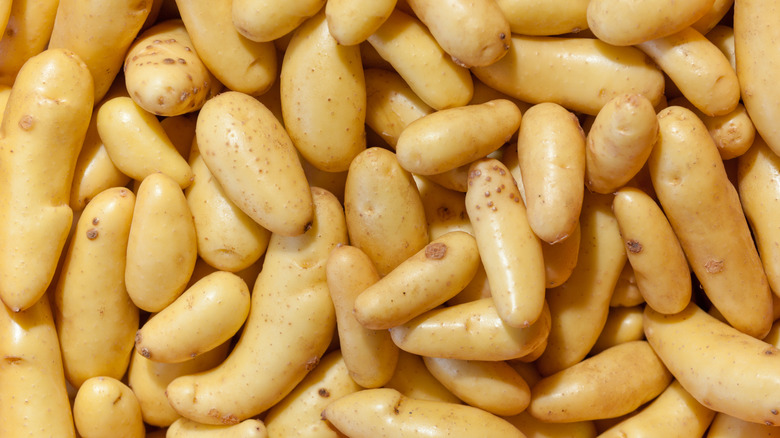
If you've ever seen any small, elongated potatoes at the grocery store, chances are you found Russian banana fingerling potatoes. They're called fingerlings because they're long like fingers. The Russian banana variety is golden, but there are other types of fingerlings that are red and purple.
Every home cook should know the trick to keeping potatoes fresh longer is proper storage. RJ Harvey explained that this is even more essential with fingerling potatoes because they're small and thin-skinned, which shortens their shelf life. "Fingerling potatoes, like other potatoes, should be stored in a cool, dry, and dark area away from other produce and in a breathable container or mesh bag," he shared. For the best results, you'll want to consume them within five to seven days of purchase.
So, how should you prepare your fingerling potatoes? Harvey believes that a basic approach is the best. "Fingerling potatoes are gorgeous when simply roasted with sea salt, whole garlic cloves, and fresh cracked black pepper," he said. "For an extra pop of flavor, sprinkle with freshly chopped chives after roasting. Due to their size, they normally don't need any slicing or chopping; just give them a rinse, a toss in some neutral cooking oil, and roast them at 425 degrees Fahrenheit for 20 to 30 minutes or until tender and creamy on the inside."
4. Purple Peruvian potatoes
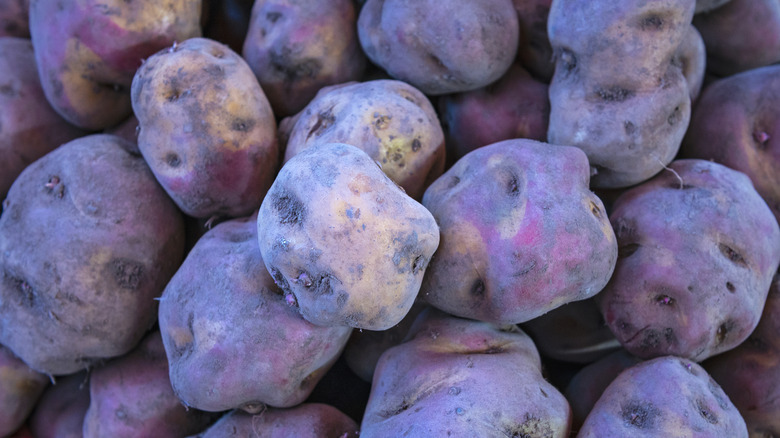
If you're the type of eater who sticks to classic russet potatoes, then looking at a purple Peruvian potato can seem alarming at first. These potatoes have a stunning purple color that remains dazzling after being cooked. As the name implies, these potatoes come from Peru, specifically the Andes. The soil there is bursting with nutrients, and these potatoes get their charming color from anthocyanins, which are a type of antioxidant. This means that incorporating purple Peruvian potatoes into your diet can help you get more beneficial nutrients.
RJ Harvey believes that home cooks should strive to preserve the potatoes' gorgeous appearance. "Most blue/purple potatoes have moist, firm flesh that retains its shape while adding rich, vibrant color and luscious taste to salads. To retain that color, stick to cooking methods that don't require the potatoes to be submerged in water," he explained. "Think roasting, steaming, grilling, or even air frying. Because of their mild yet distinctly nutty flavor, blue/purple potatoes naturally complement green salad flavors."
A clever way that you can take advantage of this potato's fun color is by making a sauce by folding riced potato into a creamy base. While boiling them can dull the color, the results will still be impressive. Other cooks have also created hummus and blended soups that make the purple color the star of the show.
5. Yukon Gold potatoes
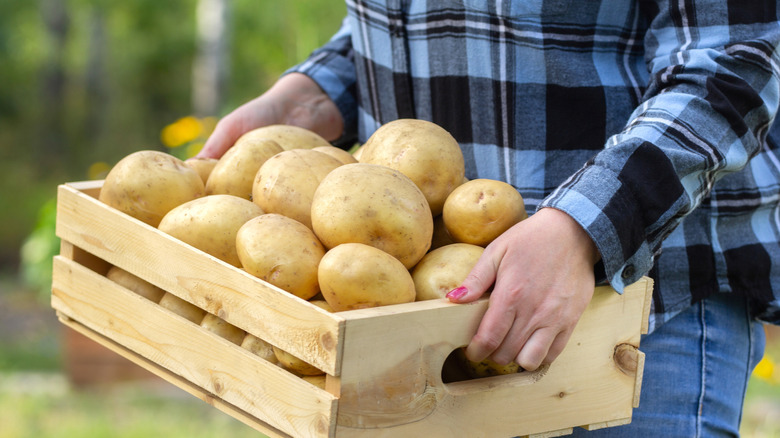
When it comes to yellow potatoes, Yukon Golds might just reign supreme. At least, they're a variety that will always be easy to find at the store. Yukon Golds are also in the middle of the starch spectrum, so you can use them to create all kinds of dishes. Mashed potatoes, roasted potatoes, soups, and potato salads are just some of the many perfect applications. RJ Harvey shared, "Yellows are wonderful in gratins, or simply roasted."
One interesting feature that Yukons boast is thin skin. If you take a look at russets, for example, most folks peel them when making certain sides like mashed potatoes. Since the skins aren't as robust on Yukon Golds, you could definitely get away with leaving the skin on. This can help you enjoy more nutrients without sacrificing texture. Just keep in mind that Yukon Gold potatoes have a subtle sweetness, but you can create the perfect balance by taste testing and adjusting the salt and other seasonings.
6. Kennebec potatoes
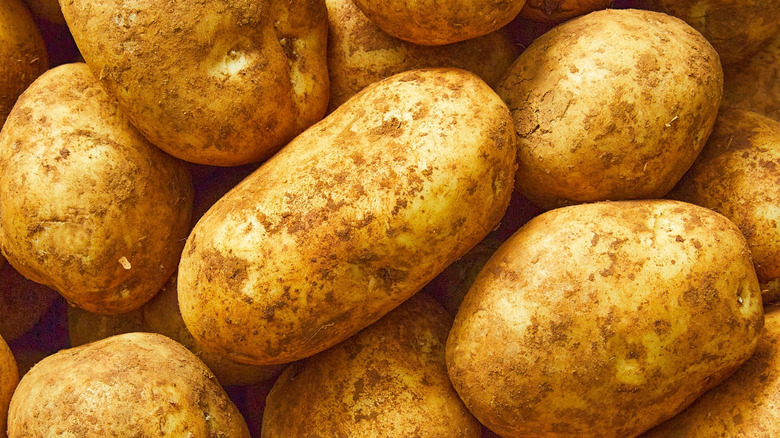
Kennebec potatoes belong in the white category. They are a little sweet and earthy, so roasting or frying them can bring out these lovely natural flavors. Lots of restaurants and chip brands use Kennebec potatoes for their products. RJ Harvey backed this up when he explained, "White potatoes are perfect for chips, due to their size and texture." They're fluffy enough to be turned into fries, but the way they crisp up also begs for the chip treatment. Apparently, In-N-Out, home of the famous animal style fries, used to slice up Kennebecs for frying, but the brand's silence about its ingredients leaves room for debate nowadays.
If you've ever flirted with the idea of growing your own potatoes, Kennebecs aren't a bad choice. They're sturdy and have the potential to grow year-round. This type of potato does have a shorter shelf life compared to other commercial varieties, though, so if you do buy or grow some, be sure to use them quickly.
7. Adirondack Blue potatoes
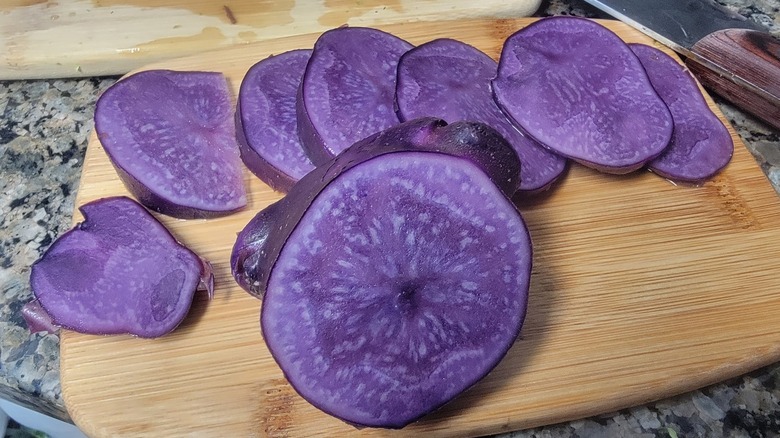
Adirondack Blue potatoes are another gorgeous type of potato that belongs in the blue and purple family. They're grown in the Adirondack Mountains, which are in upstate New York. Despite what the name implies, the flesh is actually more on the purple side once you peek under the skin. Just like purple Peruvian potatoes, Adirondack Blue potatoes get their striking color from being grown in soil that has high levels of anthocyanins. A more well-known food that shares this color, thanks to anthocyanins, is blueberries.
Unlike many other blue and purple potatoes that fade when boiled, Adirondack Blue potatoes hold up well in hot water. Technically, Adirondack Blues are a multi-purpose potato, but many choose them for dishes that highlight their color. "There is a potato preparation for every type of potato," RJ Harvey said. "The secret is to decide what dish you want to prepare and choose a potato that matches your dish." When it comes to Adirondack Blues, he elaborated, "Blue/Purples are vibrant, earthy, and sweet, making them ideal for show-stopping presentations and topping green salads or tossed with other veggies."
8. German Butterball Potatoes
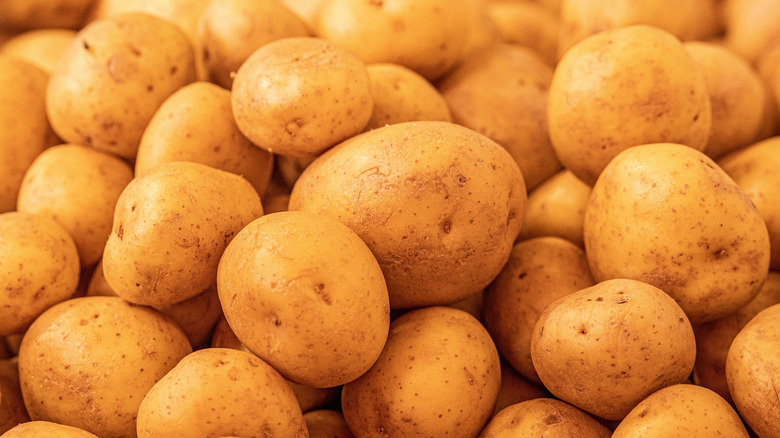
German Butterball potatoes are another type of yellow potato that is similar to Yukon Golds. What sets them apart, though, is their divine buttery flavor. You can enjoy a decadent potato experience without needing to add tons of butter or oil. They also don't have that pinch of sweetness, so they're a great choice for folks who want a completely savory potato.
In fact, passionate home cooks will love knowing that plenty of professional chefs choose this type of potato for all kinds of dishes. Frying, boiling, roasting, baking, and mashing will always yield spectacular results.
However, if you ever find yourself in a pinch, RJ Harvey emphasized that pre-made potato options are also always a valid pick. "If you're looking for ways to save even more time in the kitchen, frozen, refrigerated, and instant potatoes are also great, as they help you get meals on the table faster so you can spend more time with those you love," he said. Since manufacturing processes have become so streamlined nowadays, we have access to all kinds of incredible pre-made potato side dishes that can fast-track your meals.
9. Atlantic potatoes
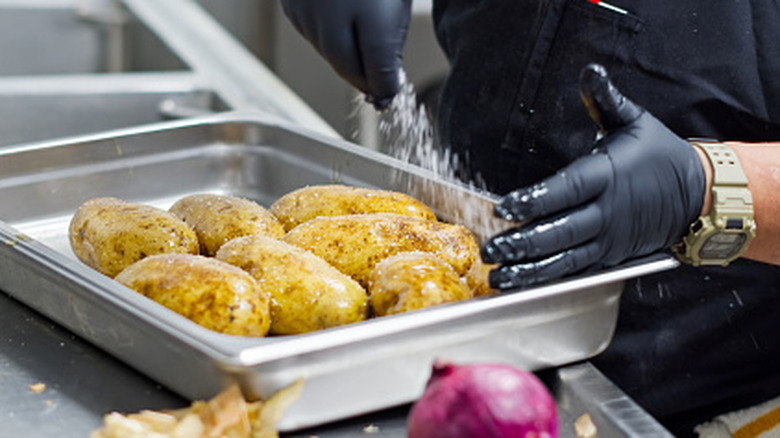
Atlantic potatoes are classified as white potatoes, and these bad boys can grow up to 3 pounds each. They're high in starch and low in sugar, which means that they're superstars in the chipping industry. If you want to make your own chips at home, always use a mandolin with a guard to protect your fingers. Atlantic potatoes also have the potential to be yummy fries since they fluff up in the center. You may enjoy using them for baked potatoes, but you'll have to decide if you prefer them more than the popular russet.
For home cooks who like buying in bulk to save money and make fewer trips to the grocery store, Atlantic potatoes are a good variety to have on hand. They have a shelf life of two to three months, so there's less pressure to use them quickly. It's still wise to keep them in a cool, dark spot so you don't expedite the rotting process, though.
10. Carola potatoes
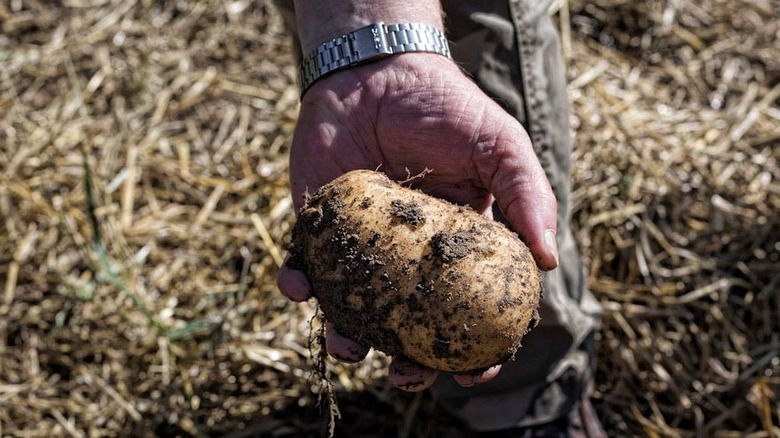
It's always fascinating to reflect on the fact that food science is ever-evolving. Sure, potatoes have been feeding humankind for many thousands of years, but we're still creating new varieties to better suit our tastes. The Carola potato is relatively new to the food scene since it was only first available in 1999, and it was first grown in Germany. These spuds are similar to the German Butterball potato because they also have a creamy, buttery taste.
Although Carola potatoes can be cooked in almost any way, you'll enjoy them most grilled, roasted, baked, or boiled. They hold up their shape well, which means you can use them to create knockout potato salads and stews. If you do plan on firing up your grill, follow these expert tips for grilling potatoes so you don't ruin the taste or texture. No matter how you whip them up, don't feel pressured to peel them.
11. Lamoka potatoes
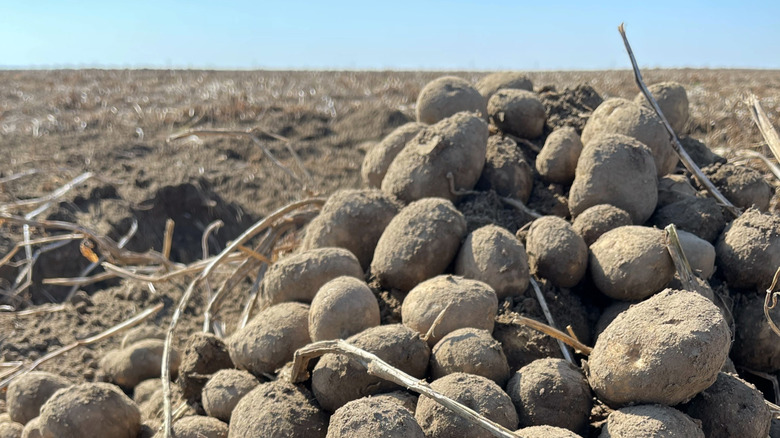
If you were impressed by the fact that Carola potatoes have only been around since 1999, then Lamoka potatoes will really boggle your mind. This type of potato was actually created by Cornell University, which introduced it to the world in 2011. Although they've only been around for about 15 years at the time of writing, they've made a splash in the chipping industry.
Have you ever felt disgusted after pulling a chip out of a bag that's green or had brown rot spots? A much less offensive but still inconvenient occurrence is also pulling out chips that are so large that you have to unhinge your jaw like a snake to fit them in your mouth.
Lamoka potatoes are building a name because they have the perfect size, appearance, and composition for slicing into chips. Since the potato is high in starch and low in water, it gets delightfully crispy without soaking up too much oil.
12. Sifra potatoes
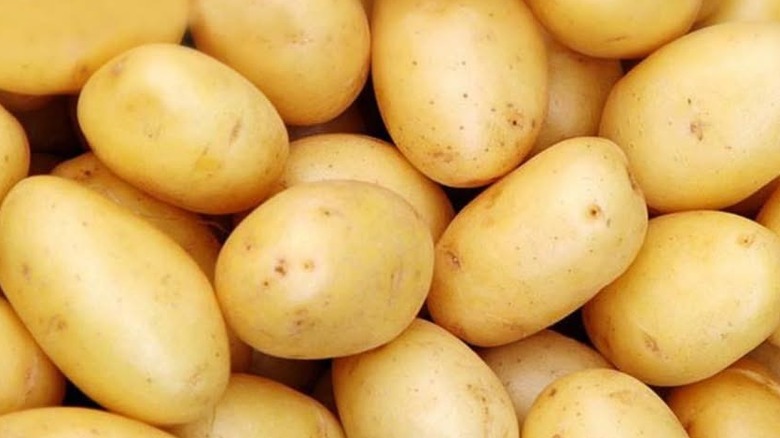
Sifra potatoes are delicate and creamy, and they belong in the white potato category. As a result, they're most appetizing when boiled or steamed. They have a white interior, and their buttery flavor combined with their soft texture allows home cooks to make magnificent mashed potatoes. The reason why they work best in this side dish is that their starch granules are small. While this structure helps casual cooks steer clear of gluey mashed potatoes, they should still be wary of over-mixing them. When compared to Kennebec potatoes, Sifra potatoes' skin stays on more easily, which can be important for presentation.
Sifra potatoes were first developed in the Netherlands, but they quickly exploded in popularity in Russian markets. Now, they're making their way to North America and international markets. If you have the chance to try Sifra potatoes, you should leap at it. There are some challenges that come with growing them, such as sensitivity to temperature changes, so they'll likely never be as accessible as other popular types of potatoes.
13. New potatoes (baby potatoes)
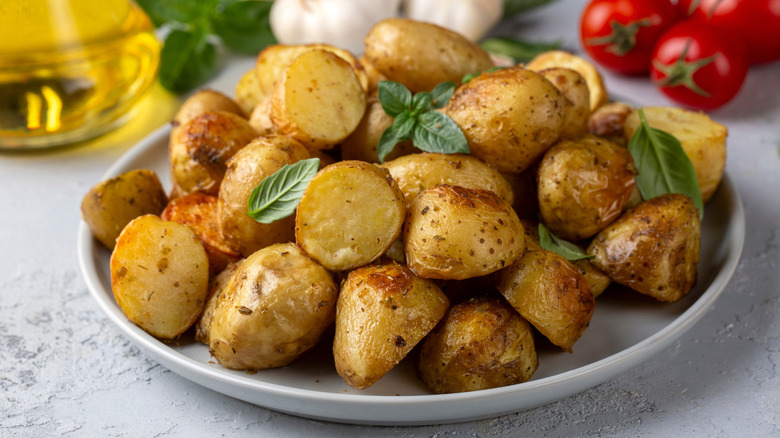
It's easy for shoppers to get confused by new potatoes and fingerling potatoes since they're both small types of potatoes. The main difference is that new potatoes are round, while fingerlings have that classic finger shape. What's also interesting about new potatoes is that they aren't a single type of potato. Any kind of potato out there can turn into a new potato as long as it's harvested earlier than usual. "New potatoes are baby potatoes that are freshly harvested," RJ Harvey explained. "They tend to be slightly sweeter than other potatoes and have very thin, delicate skins."
As a result, you can find baby potatoes in all kinds of colors. Instead of getting hung up on all of the cooking tricks for each type of potato, Harvey suggests keeping it stress-free by steaming or roasting them. "New potatoes are great steamed or roasted and used as a topping for salads, as a simple side to lamb, chicken, fish, or steak, or as the base of a breakfast bowl topped with eggs, salsa, and avocado. They are well-suited to be complemented with a variety of seasonings and condiments, as they are a great blank canvas for flavor," he said.
Their presentation may be adorable, but Harvey warned, "They have a higher water content, however, and don't stay crisp long after roasting. But their convenience and fast cooking time make them a great choice for a quick meal option."
14. Sweet potatoes (which technically aren't even potatoes)
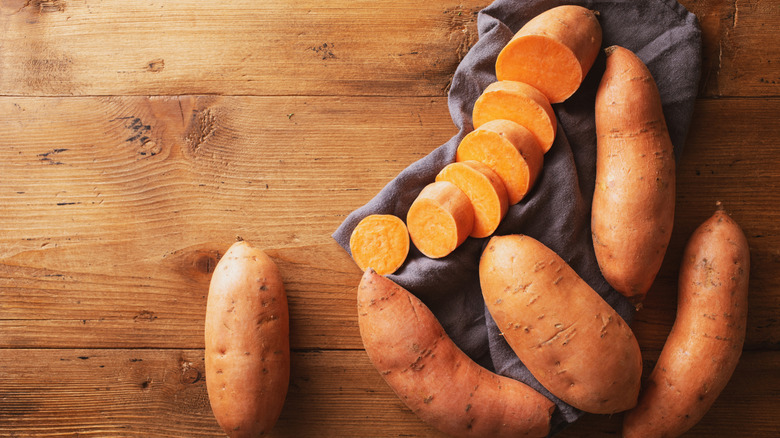
The way that we talk about food as a society can be funny and full of contradictions. For example, most people are floored when they hear that tomatoes are actually a fruit. Another lesser-known mix-up is that sweet potatoes aren't even potatoes. This lie feels even more frustrating because of their name. Potatoes are in the tuber family, while sweet potatoes belong to the storage root family. However, we've all agreed that they're close enough to join the potato dynasty.
If you think about it, people prepare sweet potatoes in the exact same ways as other true potatoes. They're delicious when mashed, boiled, fried, roasted, baked, and more. The only major difference is that they're much sweeter than other potatoes. As a result, many folks enjoy leaning into this flavor and even enhancing it. Lots of families can't enjoy a proper Thanksgiving feast without sweet potato casserole, which is often prepared with brown sugar and marshmallows. As if that wasn't enough, there may even be a sweet potato pie for dessert.
It's safe to say that you can have fun treating sweet potatoes like the multi-purpose russet potato, bearing in mind the difference in flavor. For example, they're phenomenal when baked, but you'll probably want to load yours with butter, cinnamon, and brown sugar rather than cheese, sour cream, and bacon. Although, there are plenty of folks who love the sweet and salty combo, so they create all kinds of fun pairings.