

11 Foods Pioneers Ate On The Oregon Trail Back In The Day
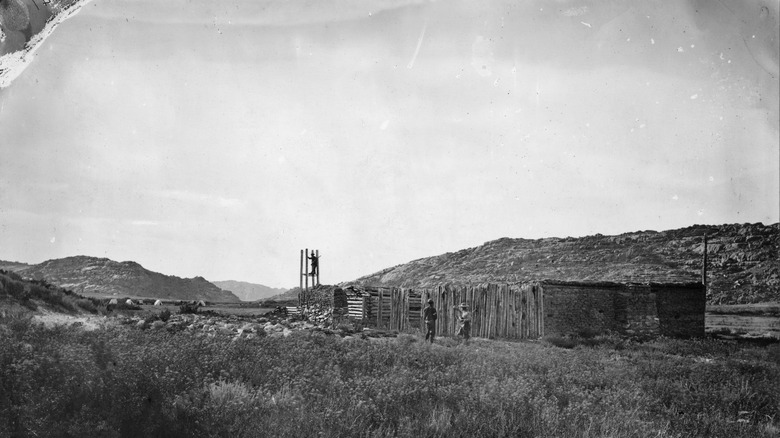
While today we might know the Oregon Trail as a fun and nostalgic computer game, the real trail was an arduous, dangerous journey across the majority of the United States. Pioneers traversed over 2,000 miles, braved river crossings, and fought deadly disease to make a new life for themselves out West.
The intense trip took four to six months to complete, and packing the right food could mean the difference between life and death. Because fresh foods would spoil on the journey, pioneers had to prioritize shelf-stable, durable ingredients that could be mixed and matched for different meals.
To understand which foods made the final supply list, we spoke with three experts: William Lang, Emeritus Professor of History at Portland State University and the founder of the Oregon Encyclopedia of History and Culture; Stacey Moore, Education Technician at the National Historic Trails Interpretive Center; and Cheri Lonborg, Visitor Information Assistant, National Historic Oregon Trail Interpretive Center. The following are foods pioneers ate most during their journey on the Oregon Trail.
Dried beans
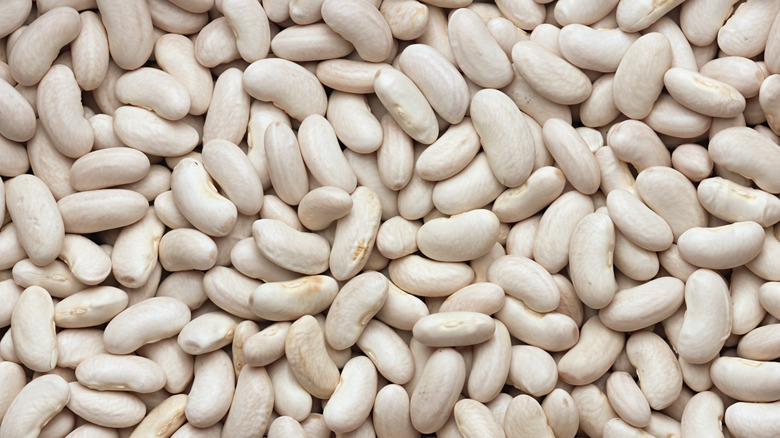
Like many of the foods packed for the Oregon Trail, dried beans were an important staple because of their long shelf life (though even dried beans can eventually go bad). They're also versatile and easy to cook, hallmarks of many Oregon Trail ingredients.
Pioneers often ate the beans for dinner, sometimes making dishes like beans and rice or even the baked beans that we think of today, according to Stacey Moore. Some family recipes were even passed down through the generations — and are sometimes still used today. "In the west, it is common to refer to family recipes which date back to the trail travel," she added.
As with many baked bean recipes today, pioneers would soak their beans to soften them before preparing them in a Dutch oven. They'd mix in pieces of bacon or salt pork for flavor and protein, and add any available dried spices, or sometimes even molasses for sweetness. They were served for every meal — at breakfast alongside biscuits or mush, and sometimes eaten again cold at lunchtime to cut down on food prep.
Bacon or salt pork
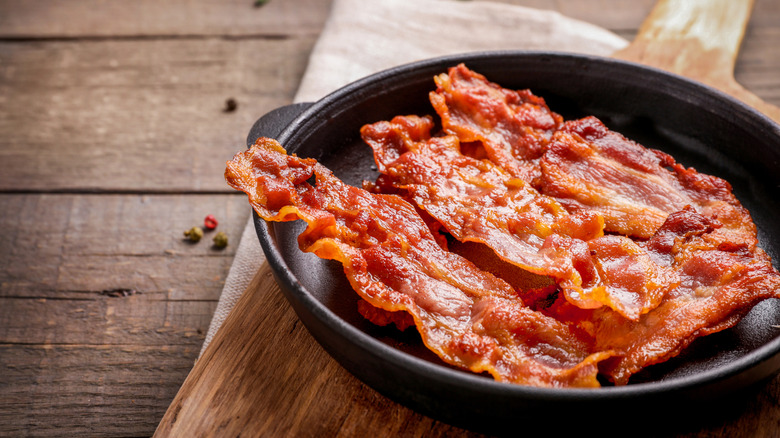
Bacon and salt pork (though the two have several differences) appeared on many supply lists for pioneers about to set off West, not only because they were nutritious (thanks to their high calorie, fat, and protein content), but also because they could be well preserved to last throughout the journey.
"The term 'bacon' was used very loosely during the migration to mean both bacon as we know it today and salted pork, a very foreign concept to our palates," explained Stacey Moore. "Pork, which was packed in barrels between layers of salt to keep it from spoiling, was referred to as bacon. Pioneer bacon did not have the lovely smoked flavor of today. Instead, it was very salty, to the point that some pioneer diaries talked of washing the salt from the meat before cooking it."
It was such a staple along the trail that it was often eaten several times a day, sometimes paired with hardtack, bread, or beans for breakfast, lunch, and dinner. And while the preserving process helped keep the bacon fresh for much of the journey, there was still a risk of spoilage. "Bacon may have lasted the first month, and then it would rot," said Cheri Lonborg. "The heat gradually became increasingly hotter; if your meat was not cured properly, it was going to spoil." For that reason, pioneers sometimes prioritized eating their bacon at the beginning of their long journey.
Flour
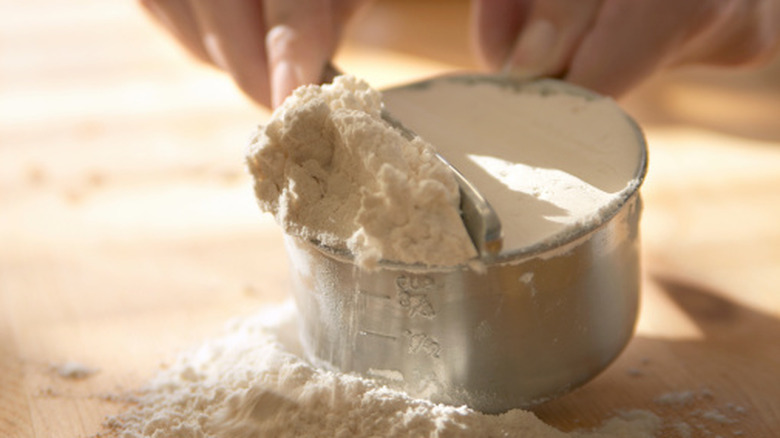
While flour is still a well-known and loved staple in modern cooking, the pioneer-era flour wasn't what we'd expect by today's standards. "Pioneer flour was not the fine white flour or even the whole wheat flour we buy at the store," explained Stacey Moore. "Pioneers had to choose what level of grinding they could afford at the mills ... 'Superfine' was the closest to what we know, but it was extremely expensive. For those who further needed to budget, a coarse and granular flour known as 'middlings' was available," she added.
Whatever quality they ended up with, flour was integral to the journey. Bread (or hardtack when ingredients ran low) was baked daily and was a staple of the pioneers' daily diet, which is why it was one of the main priorities for pioneers preparing for the journey west.
"Many emigrants brought sufficient wheat to make flour ... Trail guides, such as Joel Palmer's 'Journal of Travels' (1847), advised emigrants to carry 200 pounds of flour for each adult," William Lang added. Though flour could be purchased at a few forts along the trail, it was a precious resource because of its versatility; pioneers used it to make biscuits, bread, and pie crusts or as a thickener in soups and stews.
Cornmeal
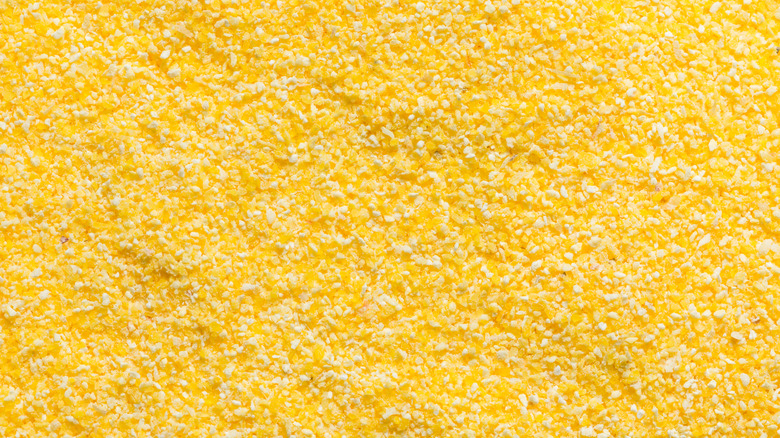
Like flour, cornmeal was a necessity for the pioneers' journey. "The pancake breakfast was often replaced with mush, which goes by many names depending on the culture," explained Stacey Moore. "Mush is essentially cornmeal boiled with water ... into a mush." They would often add dried fruit, molasses, butter, or milk (or several of the above) to the mush, not only to make it taste better, but also to make it as filling as possible.
Another common use for cornmeal was in Johnny cake recipes. These cornmeal pancakes were made from a mix of cornmeal and water that was fried over an open fire. Though Johnny cakes are still enjoyed today, they're often eaten with plentiful amounts of butter, maple syrup, or even fruit toppings similar to buttermilk pancakes. On the trail, however, pioneers didn't enjoy such decadence. Instead, their Johnny cakes were simple and straightforward, made because they were fast and easy — and not because they were delicious.
Coffee
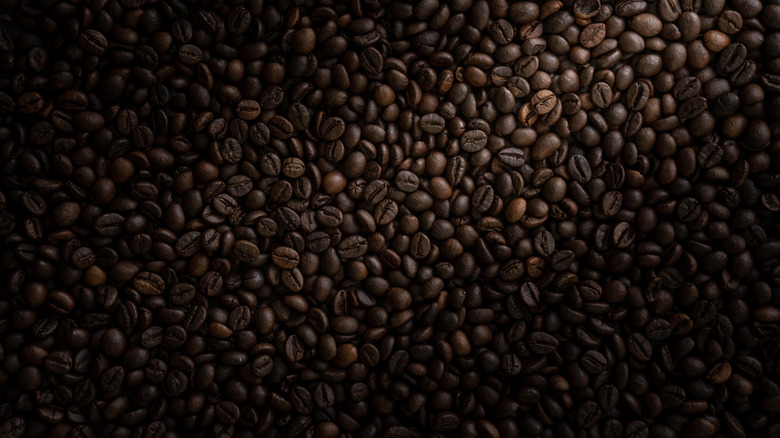
Though sustenance was the name of the game when developing a supply list for the Oregon Trail, there was one indulgence that many weren't willing to go without: coffee. Enjoying a hot cup of coffee with their breakfast was a tradition that many pioneers maintained throughout their journey. In fact, it was sometimes all that was left when their other provisions ran out at the tail end.
Unlike today's conveniences, which include ground coffee beans, electric coffee pots, and manufactured coffee filters, making coffee on the Oregon Trail was an entirely different experience. The beans first had to be roasted and ground before the coffee could be brewed (pre-roasted and ground coffee wasn't available until after the Civil War). And while the coffee itself didn't do much to stave off hunger, the caffeine did help keep the pioneers alert, which was an important factor when even the smallest error could have devastating consequences.
Dried spices
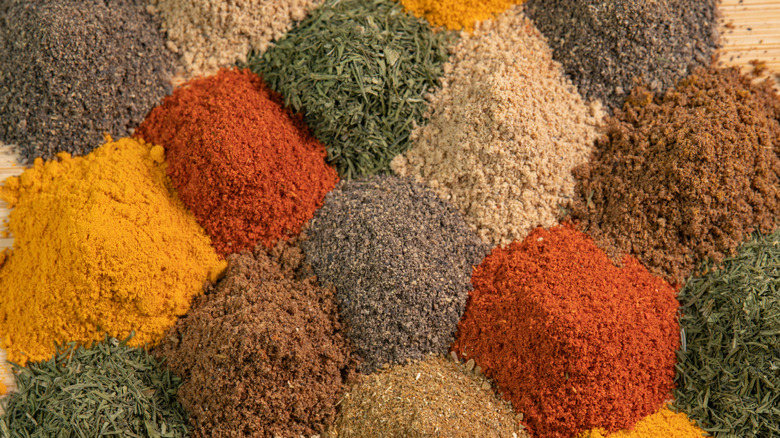
Though the pioneers had to be selective about which supplies they packed, dried spices often made the final cut. While not an absolute essential, they helped make food more palatable and were a small indulgence many tucked away in their packs before setting off.
"The women would also have their dried herbs and spices, which I'm sure added a lot of different flavors to their simple meals," said Cheri Lonborg. But they also had a practical purpose, too, as the journey stretched on, she explained: "It no doubt helped in flavoring meat that had started to spoil."
Salt was one of the most common — and most important — seasonings packed. Recipes from pioneers also call for other ingredients like nutmeg, allspice, or ginger. Though not a necessity, these dried herbs and spices were vital to changing up the flavors of the otherwise monotonous food eaten for the duration of the trip.
Sugar
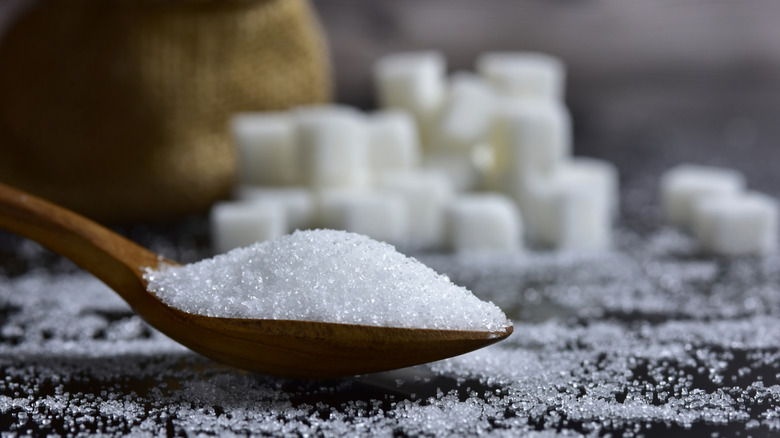
Sugar was another non-perishable staple that most pioneers packed for the long journey ahead. Though not a necessity, it helped add flavor to countless dishes, from sweetening tea to supplementing the pies, cakes, and jams made from fresh berries foraged along the trail. It was used so frequently that packing lists recommended bringing 100 pounds of sugar alone for a family of four.
The sugar they brought, however, looked quite different from what we buy at modern grocery stores. "[At the time, sugar] was produced from sugar cane and was not the crystalline white substance we know today," said Stacey Moore. "Instead, sugar was a mix of white, brown, and even molasses, often sold in solid cones. Refining it to the white was expensive," she explained.
The trouble with brown sugar, however, was that it had a tendency to melt and run in the heat; to prevent this problem, it was sometimes packed into large rubber sacks. The more refined sugar was left for the end of the journey because white sugar doesn't melt as easily, so it was more likely to withstand the brutal elements of the trail.
Milk
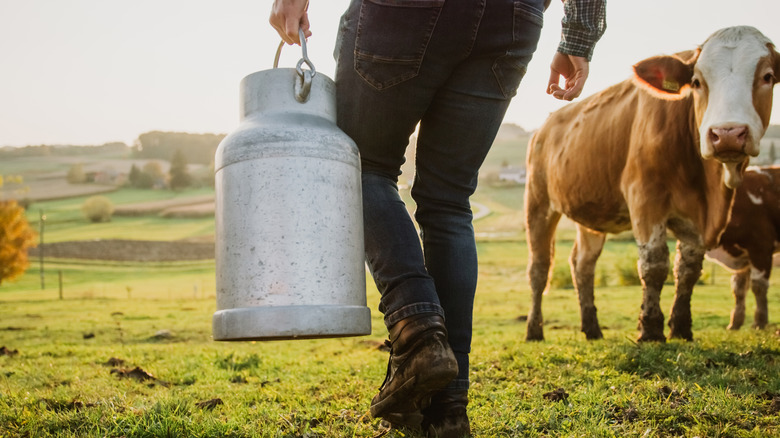
Milk was an important staple for pioneers. They didn't, however, just pack bottles of milk into their wagons. Instead, they brought along an entire cow, so they'd have an available source of milk throughout the difficult, months-long journey. It provided a source of fresh nutrients that were often lacking in their dried supplies, like vitamin C and calcium.
The milk from the cow wasn't only used for drinking — it was also a continuous source of butter. The pioneers could even hang milk in pails under the covered wagon, and by the end of the day, it would have churned into butter ideal for adding atop bread or biscuits.
Pioneers needed to be cautious; if cows ate white snakeroot, it could taint their milk and lead to "milk sickness," a debilitating disease that attacks the liver and other organs. It would make the afflicted incredibly ill, and often, it led to a coma or death.
Potatoes
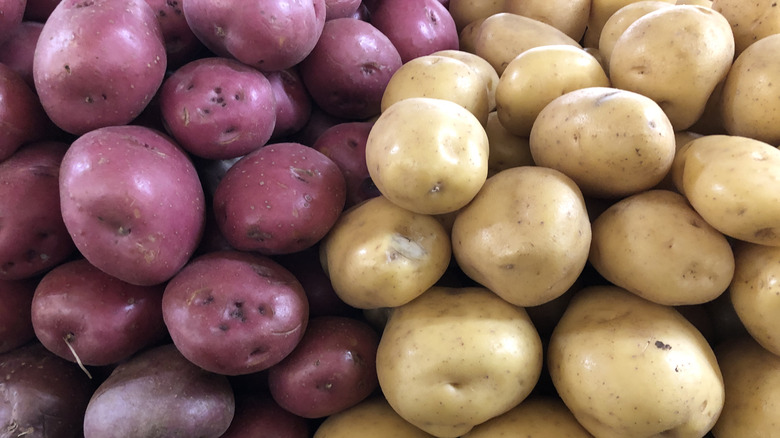
Potatoes were a hearty staple for most Oregon Trail pioneers. Their longevity and versatility made them a valuable addition to supplies; they could be roasted, baked, added to soups and stews, or turned into potato pancakes (a popular pioneer meal). They were also used as a base for pork gravy made with bacon drippings.
When fresh, potatoes can last for a few months. The pioneers' journey, however, could last up to six months, which caused a bit of a conundrum when planning for their potato supply.
If the supply of potatoes ran low, pioneers could luckily replenish their stores with the help of Native Americans along the route. "Natives often provided another source of foods — cultivated vegetables, such as potatoes — and animals on the hoof, all of which they traded for manufactured goods, textiles, and other items carried by the emigrants," explained William Lang. Pioneers could also sometimes forage for yuca plants that grew along the route if the precious potato supplies ran out.
Hardtack
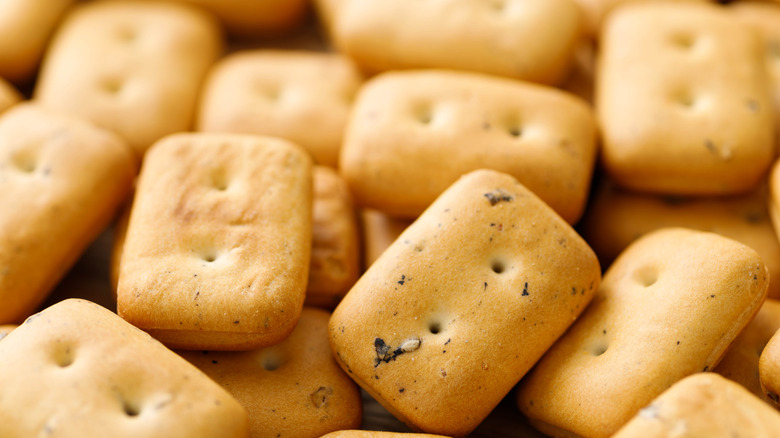
Simple, easy-to-eat, and filling foods were the name of the game when crossing the Oregon Trail. So, it's no surprise that hardtack was a must-have near the top of every packing list. This cracker-biscuit combo is made with a mixture of flour, water, and salt that is baked until hard (creating the signature texture that gives it its name).
Because all the moisture had been removed, hardtack was very tough and not particularly enjoyable to eat. It was often soaked in liquid, like coffee, tea, or broth, before eating to soften it up and add some flavor. If weather conditions were unfavorable and they couldn't start a fire, however, pioneers would eat the hardtack as-is, though they didn't enjoy it.
Hardtack may have been a staple for Oregon Trail pioneers, but they didn't invent it. Over the centuries, hardtack or similar crackers were staples for the Egyptians, Romans, and British. It was commonly used as a military ration, and it became more prevalent in the U.S. during the Civil War, shortly after the peak of Oregon Trail migration.
Dried fruit and vegetables
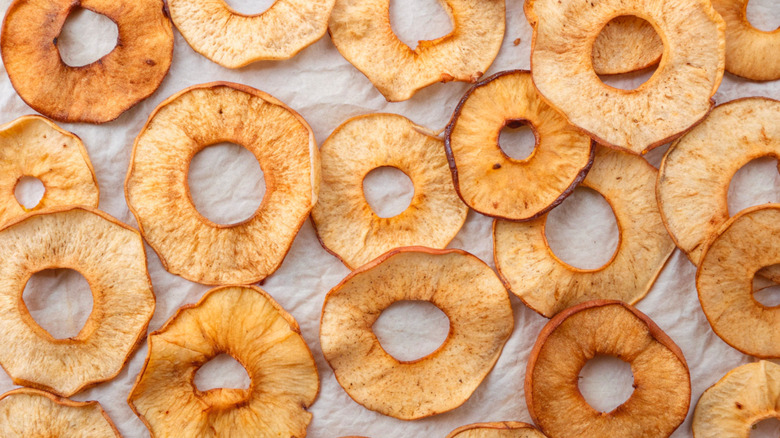
Because fresh produce was a rarity on the trail, pioneers added fruits and veggies to their diets another way: dried goods. "Dried fruit and other preserved edibles" were one of the most common provisions along the trail, along with grains like rice, explained William Lang. Experts recommended one to two bushels of dried fruit (commonly apples) in supply lists.
While dried apples could be eaten alone, they were often used to make "dried apple pie," explained Stacey Moore. "The dried apple pie was so common that some pioneers complained in their diaries that they didn't want to see another ... It is chewy and not as succulent as an apple pie baked in the fall when apples are ripe," she added.
Alongside fruit, dried vegetables like pumpkins or onions were also prioritized because of their nutrient density and flavor; they could be added to pies, soups, stews, and many other recipes to add flavor and texture, a much-sought-after quality on the trail. The dried goods, however, still often fell short of their fresh counterparts. As Moore explained, "I have not tried it, but I can imagine that the dried pumpkin pie also falls short of a fresh pumpkin pie."