

9 Airport Food Red Flags You Should Never Ignore
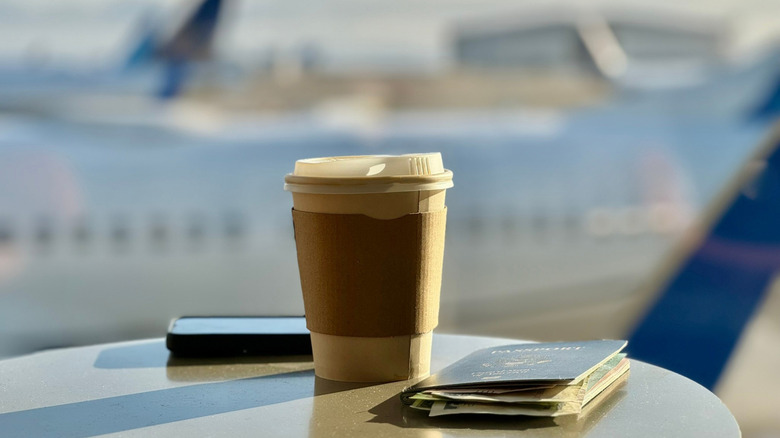
It's a well-known fact that you often have to rely on quick and convenient foods when traveling, especially if your trip is by air. Not only is it a challenge to pack nutritious and gut-friendly food due to space limitations, but you also have to consider airport security requirements. Plus, you're focusing your energy on getting to the airport on time, making it through security, and arriving at your gate.
But this doesn't mean you should eat anything that's available in the terminal. After all, the last thing you need is to get sick while traveling or develop traveler's diarrhea — a consequence that affects about 30 to 70% of people depending on destination, according to the CDC.
To avoid feeling less than 100% when you arrive at your destination, it's prudent to be aware of some airport restaurant red flags and why they pose an issue. Keeping these tidbits of information at the forefront of your mind could potentially prevent gastrointestinal issues, including stomach upset and food poisoning, as well as keep you functioning on all cylinders. Here are the top nine red flags you need to be aware of when it comes to eating at the airport.
1. An empty restaurant during peak flying hours

If you're someone who actually arrives at an airport with time to sit down and eat, consider yourself fortunate. Not only can you count on a relaxed meal, but you can also choose foods that are more nutritious and easier on your stomach than grabbing a beef stick and a bag of chips on the go. But you also need to pay attention to the restaurant that you choose. Otherwise, your good fortune might become more of an issue than a blessing. In particular it's important to notice where other people are eating. If you see a restaurant with very few patrons, stop and ask yourself why before taking a seat.
While it may be tempting to sit at an empty restaurant during peak hours rather than risk missing your flight, there's likely a reason no one is there. It could be as simple as poor service, and frequent flyers have already figured that out. Or, it could be something much more nefarious. Perhaps the food quality is poor, or maybe the restaurant isn't as clean as diners expect. And if a restaurant is not putting out much food, you have to wonder about the quality and freshness. Regardless of the reason, seeing an empty restaurant during peak hours should definitely cause you to pause and reconsider.
2. Pre-packaged deli sandwiches, salads, and sushi
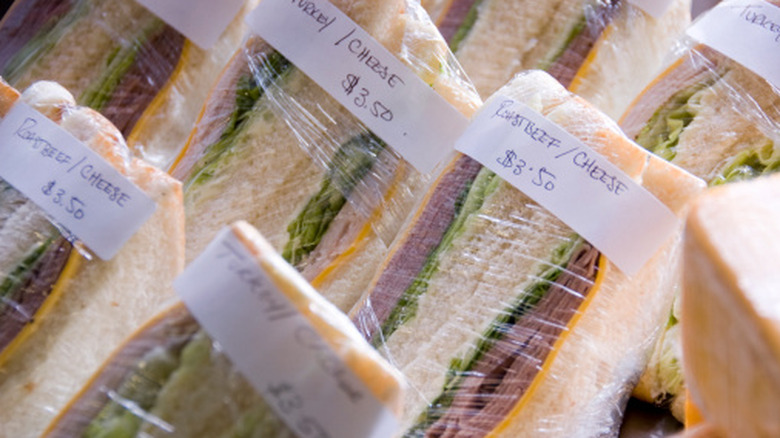
Convenience is often the name of the game when you're at the mercy of whatever food the airport offers. But you need to be selective about what you pick up in airport shops and grab-and-go areas. The risk of getting something that has contaminants, microbes, or other germs is much higher than you might realize. Keep in mind that once the food arrives at the airport, it has to be kept at a controlled temperature to prevent bacteria from growing, and unfortunately, airports may not be as well-regulated as restaurants. The food may also sit longer waiting to be inspected before it arrives in the food service areas.
Food that is not kept at a controlled temperature can become contaminated and make you sick. One potential risk, though rare, is that deli meats, pre-packaged salads, and other similar items could develop listeria, which is a food borne bacteria that can thrive even at cold temperatures. This risk is especially significant for pregnant people and those over 65 years of age. So, this means skip the deli meat, cold cuts, pre-packaged salads, and pre-made deli salads like coleslaw, potato salad, or tuna salad. Even pre-cut melons pose a risk for listeria. Instead, opt for a freshly made sandwich, or consider eating yogurt, granola, hard cheeses, or fresh fruit.
3. Food that's in an open refrigerated case without doors
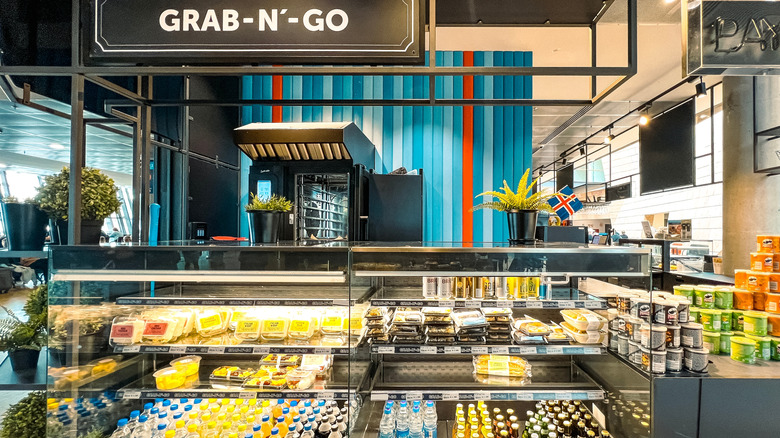
A lot of airports have open refrigerator cases that allow customers to easily grab the items they need and be on their way. But the risk with these cold cases is that potential customers may be more likely to take the packaged food out, look at it, and then put it back, which exposes the food to a minor fluctuation in temperature. It's the same consideration when experts advise people not to store milk, eggs, and other perishable items in the door of the refrigerator. The brief change in temperature could put it at risk for spoilage sooner.
So, when you're looking for something to eat, opt for items stored in refrigerated cases with doors, where they can be stored toward the back. If the food is in the back or even in the middle of the fridge, it's more likely to be at a consistent temperature when you purchase it, and less likely to have developed some type of bacteria or accelerated spoilage. Also, consider throwing out anything you don't eat. Leftovers require refrigeration within two hours to stay safe, so it doesn't make sense to tote them with you on the plane.
4. Fountain drink machines that appear dirty or have a lot of liquid under the tray
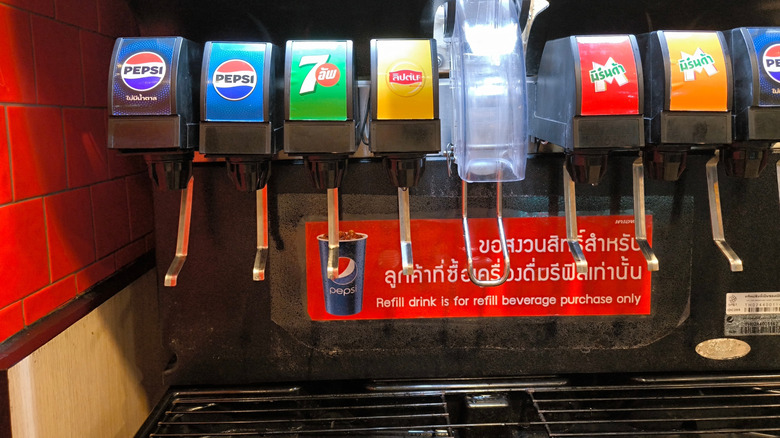
If you're like most people, you prefer the taste of a fountain drink over a canned or bottled soda. Not only is the carbonation different, but these drinks are often considered to have a fresher, crisper taste that people find more appealing. But when you're at an airport, you may want to skip the fountain drinks and opt for a canned or bottled beverage instead. Soda machines might be teeming with bacteria and other contaminants that could make you sick. This is especially the case if the dispenser looks dirty or like it's not well-maintained. Even having extra liquid sitting under the tray could be a breeding ground for mold and other microbes.
In fact, an older study found that randomly selected machines contained everything from E. coli and staph to candida. These different types of bacteria and yeasts can make you very sick especially if you're an older adult, pregnant, or have a weakened immune system. Meanwhile, another study found that 41% of soda machines contained coliforms in the water supply. This signals that the soda is being made with contaminated water and that the ice could also be contaminated. And while coliforms aren't dangerous per se, they do indicate that cleaning standards are likely subpar. This is especially true if the machine is noticeably sticky or has a lot of grime or gunk on it. If you decide to risk it, consider pouring out the first few ounces of the drink from the machine first.
5. Sticky tables, counters, or menus
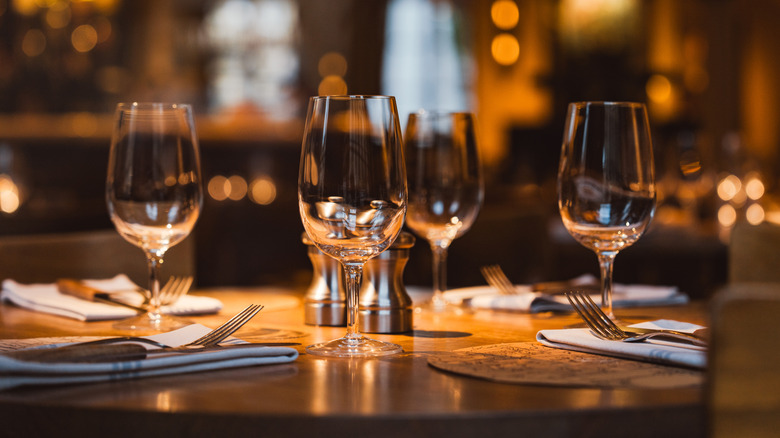
Nothing's worse than sitting down at a table or counter and getting a sticky menu or noticing the eating surface is grimy or tacky feeling. If that's the case at an airport restaurant, you may want to consider going someplace else. Stickiness anywhere in the establishment, including on the floors, is usually a sign the restaurant is not as clean as it should be. After all, wiping down menus, tables, and counters should be standard practice no matter where you eat. If that hasn't been done, you should question where else the staff is cutting corners, according to restaurateurs.
Meanwhile, Redditors commented that if the staff doesn't take the time to clean the front of the house, the walk-in freezer where the food is stored probably isn't clean either. So, keep that in mind the next time you're at an airport restaurant. If it doesn't feel clean or your hands feel dirty after handling the menu, then it's likely the staff isn't practicing good hygiene.
6. Rude, unkempt, or obviously ill employees
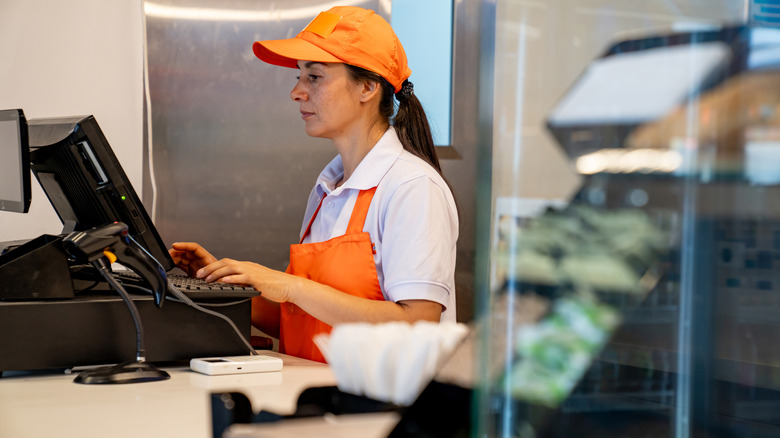
Employees are often the face of a food establishment, and if they're rude, look disheveled, or are obviously sick, this gives you insight into the managers' mindset. Unprofessional employees are sometimes a reflection of management, especially if they aren't being corrected or taught good customer service. This could also mean they're less likely to take care with your order.
Likewise, being unkempt or wearing a torn or dirty uniform speaks volumes about a restaurant and its staff. As one restaurateur says, having stains from a day's work is expected, but wearing a uniform that clearly hasn't been washed in days is something else. "A boss who doesn't know or care about their team enough to provide them with a clean uniform might not care if the kitchen is dirty, too."
Meanwhile, if employees are required to work when they're sick, they could be spreading germs and viruses. Even if they're wearing a mask and gloves when handling your food, it's nearly impossible to keep some germs from spreading. In fact, one manager on Reddit said he regularly sends home sick employees, not only because they need rest but also because he doesn't want them spreading the illness to customers and other workers. He says he would rather be shorthanded one day than have the whole staff out a few days down the line.
That said, there are managers who make their employees work even when they're not feeling well. If you run into one of those establishments at the airport, order somewhere else or risk being sick in a few days.
7. Unpleasant odors or smells coming from the area
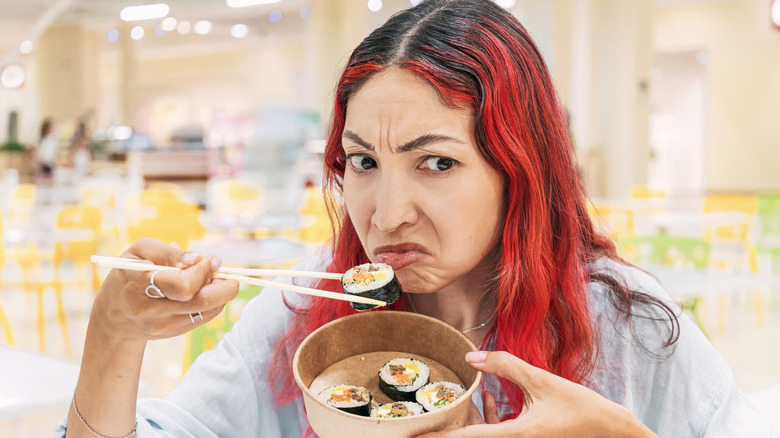
When you walk by a food stand or a restaurant at the airport, the smells should make you want to go in and grab something to eat. In fact, the right scents — like fresh herbs, garlic, butter, bacon, chocolate, and more — can make your mouth water, your stomach growl, and your brain believe you're truly hungry even when you're not. But if something smells off, like the fryer oil putting out a strange odor, you may want to keep walking because your nose is a truth teller. In fact, food scientists say that certain organisms like yeasts and molds give off a scent that lets you know they're present and can ultimately change the taste of the food.
Likewise, if there's a strong air freshener or bleach scent coming from the restaurant, ask yourself what the staff is trying to mask. It could be your first warning sign that the food may not taste the best — or worse, that the establishment may not be clean or use safe food handling practices. In fact, one Redditor says if the restaurant smells like cleaner instead of good food, it could be a sign of poor quality and you'd be better eating somewhere else.
8. Food items in the case that have expired or look wilted, wrinkly, or old
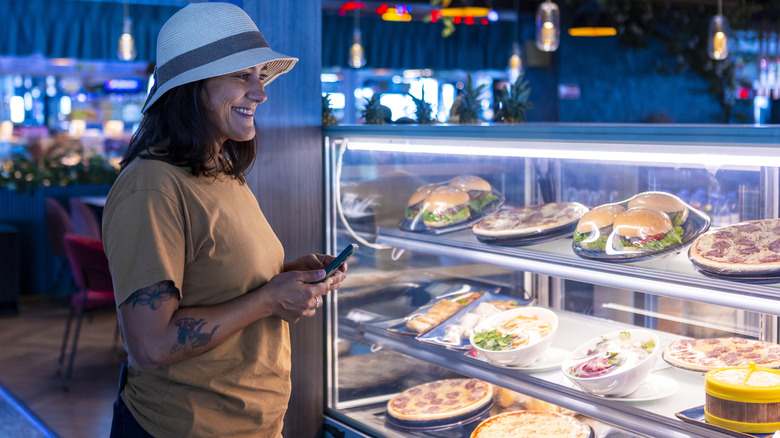
Most of the time you won't see too many foods that look past their best. Usually, restaurants and food stands are diligent in throwing away old food rather than trying to serve it to customers. But as the day goes on, especially if it's been slow, food may sit under warmers or in cases a little longer than it should. Think ready-to-serve pizzas, hot dogs, fries, pastries, fruit, and more. Even salad bars in airports may not be the best option if the food looks wilted or brown. So, if the food looks like it has seen better days, then you may want to head to a different food vendor in search of something a little fresher.
After all, nothing is worse than pizza or pretzels that have been under a heat lamp for a while. These items will dry out and darken. Meanwhile, hot dogs will start to wrinkle and no longer look plump or juicy as the bread starts to harden. However, according to the USDA a change in color doesn't always signal problem or that you need to throw the food out. At the very least, though, it could be tasteless and stale. And because airport food is not cheap, you don't want to spend your hard-earned money on something that will likely feel like a rock in your stomach later on.
9. Packaged food items without labels
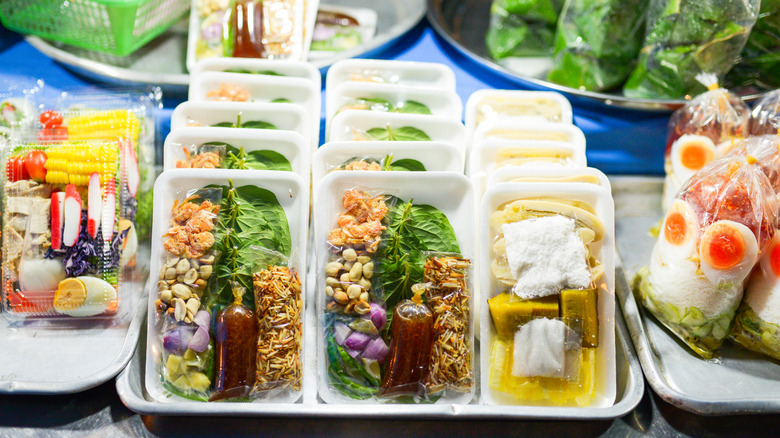
Sometimes airports will offer foods at convenience stores that don't have labels, especially if you're traveling internationally where the guidelines for food labeling vary. Perhaps it's specific to the region or a specialty item that an outside vendor supplied directly. While most of the time these foods may not pose a problem, you need to be cautious while you're away from home to protect yourself from getting sick. Nothing's worse than being ill while traveling or needing medical care in an unfamiliar place.
That's why you should avoid buying packaged food items that don't contain labels. Whether it has fallen off or the food was packaged without a label, you can't be sure of the ingredients or when the food expires. And this can pose a real problem, especially for people with food allergies and sensitivities, as well as those who have a limited diet due to underlying health conditions. Instead, opt for food items that are prepared fresh in front of you or are packaged by a manufacturer and include a nutrition label and food product date, such as best by, use by, or sell by dates. Limiting yourself to these purchases is the only way to ensure you are buying food that is safe to eat.