

Mistakes People Make Cooking With Beer
You might think you know all about beer, but cracking a cold one on the deck after work is different from using beer in cooking and baking. If you're a beer drinker, it seems like the obvious alcohol to use in your cooking over wine since you may already have it in the house or know more about its varieties, but it's easy to go wrong with it. There are some mistakes people make cooking with beer that can result in disappointing dishes. Whether you choose a bad beer to cook with, don't use the correct variety for a dish, or use way too much and throw off the balance of flavors, you can go wrong in a multitude of ways.
I love cooking with beer, and as a food writer and recipe developer, I've had plenty of experience with it. But, don't just take my word for it. I also spoke with three experts to get their insights about beer cooking missteps. Here's the lineup of experts: Joanne Gallagher, a cookbook author and recipe developer at Inspired Taste; JD Alewine, food blogger at Them Bites; and James Trees, chef and restaurant owner of Esther's Kitchen and other Las Vegas eateries. Everyone I interviewed has extensive experience cooking with beer, so they were able to shed some light on where folks often go wrong.
These are some of the most common mistakes made when cooking with beer. We'll go over what not to do and how you should handle things instead.
Thinking you can use just any beer to cook with
"Some beers are better to cook with than others," says Joanne Gallagher of Inspired Taste. That's the simple fact of the matter. Many people believe that they can pick up whatever beer they have in the fridge and cook with it to good results, but it's not that simple. You need to learn which beers you should be cooking with and which are best for drinking, or sometimes best left on the shelf altogether.
"I think that beers with citrus, fruit, or too many hops can adversely affect food," remarks chef James Trees. There can be exceptions where these kinds of notes work well, such as beers with fruity notes in desserts, but these are largely flavor profiles to stay away from. Trees particularly warns against cooking with IPAs. "Double-hopped IPAs can become overwhelmingly bitter," he says, adding "I once used an IPA in a pasta dish and it came out so badly that I had to completely start over."
Gallagher agrees that using overly hoppy beers, like IPAs and APAs can add too much bitterness. She recommends looking at the International Bitterness Units (IBU) of the beer, which is sometimes listed on the can or bottle. Anything that's notably bitter (50-60 or more) is likely to add significant bitterness to a dish, which either needs balancing or should be avoided. Another point to add is that you should generally enjoy drinking the beer you're going to use in your food.
Choosing the wrong beer for the dish
There are many types of beer. Some aren't ideal for cooking with at all, whereas others are good in some dishes, but not others. Choosing the wrong beer for a recipe is a common mistake people make. It can end up with the beer either totally overwhelming the other ingredients or getting lost in the dish so that you don't even notice it.
"From my experience in kitchens, I've come to view beer the same way that I view stock, wine, or vinegar: what does it contribute to the dish?" remarks JD Alewine of Them Bites. He notes that the crisp, clean notes of lagers and pilsners are perfect for batters, brines, chili, and lighter dishes, while brown ales are brilliant for anything with a hint of sweetness in it, such as dishes heavy on onions.
Most of us think of stouts and porters as working well in heavier dishes, like hearty winter stews, but this does depend on the specifics. James Trees notes that some stouts can be lighter than you think, bringing a lovely maltiness to a dish without overwhelming it. Then, of course, there are the sweet applications for these types of dark beers. Chocolate stout cake is a popular choice for a reason, taking advantage of the sweet, malty notes of this beer style. If you're unsure which beer is right for the job, start with reputable recipes that specify the best type of beer to use before you experiment for yourself.
Failing to consider the role of the beer in a recipe
The right beer for the job depends on what its is for in a recipe. It can have a range of functions, influencing the type you choose and how to use it. This is especially important if you create your own recipes or adapt ones that didn't originally contain beer.
JD Alewine insists that you need to figure out what role the beer plays in the recipe before you pick which one to use. "Is it meant to tenderize meat, add moisture, thin out a sauce, help a batter fry up lighter, or enhance the flavor of a stew?" he remarks. "Once you understand that, picking the right beer becomes simpler." For instance, if you want it to make a batter lighter, you should choose something with a good amount of carbonation, like a Belgian ale. Plus, you should use the batter soon after mixing to make the most of the fizziness. But, if you need it to add a lot of flavor to a dish, you need a beer with more body to it and should cook it slowly to intensify flavors.
If you're using beer in place of another liquid in a dish, it also bears considering what types will be the best to replace the same function. James Trees tells us that the French onion soup they make at Bar Boheme uses a mix of light and dark lagers in place of wine.
Trying to replace the liquid in a recipe for beer without other adjustments
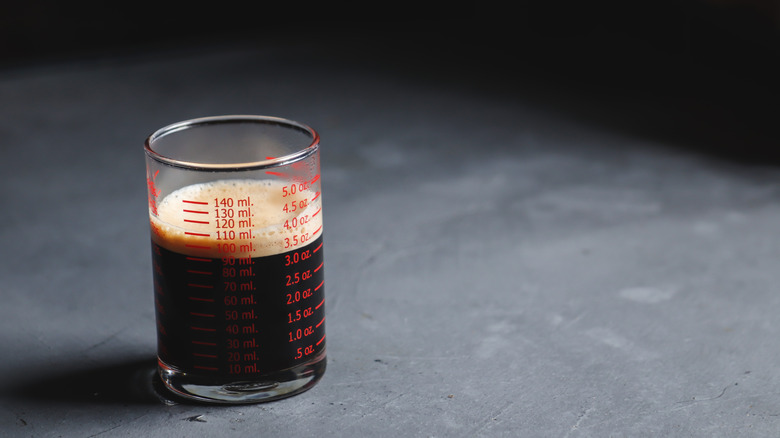
If you attempt to replace something like water, stock, or another type of alcohol in a recipe with beer, you can't just do that like for like and expect the same results. But, this is a common mistake we see people make. It's important to make adjustments when you switch other liquids for beer or the finished dish might end up inedible.
"Beer adds liquid, carbonation, sweetness, bitterness, acidity, and body based on its style, which can alter the dish more than folks realize," JD Alewine explains. He tells us that when including beer in a recipe, you might need to tweak other parts of the dish, such as the salt, fat, thickener, or cooking duration. "It's not simply a one-for-one replacement for water or stock," he says.
While there are exceptions, beer usually shouldn't be the only liquid in a recipe. If you're tweaking an existing recipe, start by replacing a third to a half of the liquid with beer and adjusting from there, if needed. And, if you're replacing some or all of the broth in a dish with beer, don't forget to add salt or bouillon powder to adjust for that.
Not giving beer time to mellow in recipes
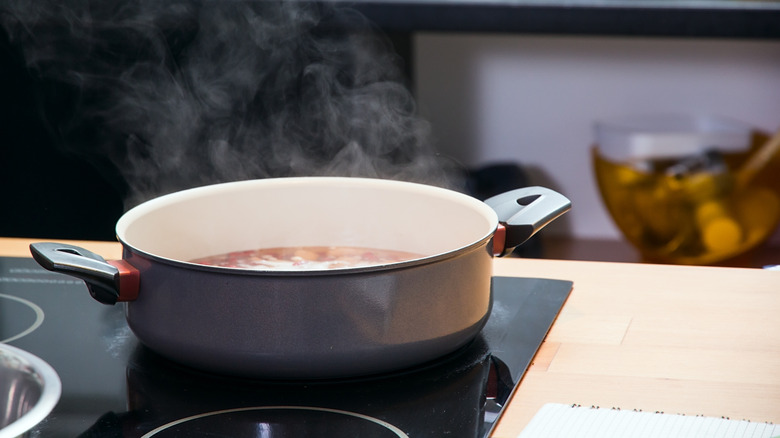
You don't always have to simmer beer for a long time, like you might in a stew or a slow-cooked dish. That said, you usually need to give beer time to mellow in recipes. Without cooking down, you won't develop the subtle interplay of flavors that good cuisine is all about. You'll just be hit in the face by the raw taste of beer, and that's not what you want.
Cookbook author and food blogger Joanne Gallagher explains that beer needs a little time to cook to help mellow the alcohol flavor. "When I make beer brats, I like letting the onions and beer simmer together for 10 to 15 minutes so everything melds into something richer and more balanced," she says. "If a dish still tastes a little too boozy at the end, I just let it go a few more minutes before serving." Ultimately, it's about holding onto the flavors that you want, while getting rid of those you don't. For instance, Gallagher's beer bread lets most of the alcohol cook off in the oven, but it holds onto a malty, sweet flavor.
You don't necessarily have to let all the alcohol disappear, however. It's more a case of giving a dish time to develop its flavors, the way you might make a sweeter, more concentrated homemade tomato sauce by simmering it. "I focus on allowing the beer to mellow and blend into the dish rather than eliminating all traces of alcohol," notes JD Alewine.
Assuming stronger beer is better for cooking with
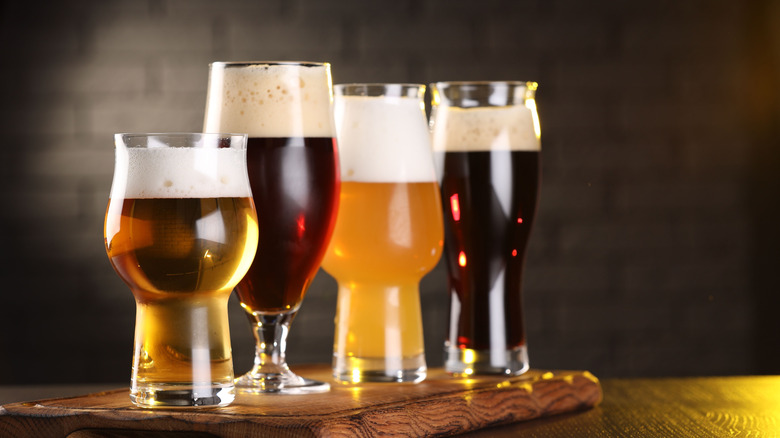
The strength of the beer doesn't dictate how good it is to cook with. Yet, many people assume that stronger beer is always better for cooking with. Ultimately, it depends on the type of dish and what you want from it. Using excessively strong beer can actually leave you with a dish that tastes unpleasantly boozy.
"One of the biggest mistakes I see people make is assuming that a stronger beer will automatically taste better," says Joanne Gallagher. But, that 15% imperial stout or triple IPA might taste amazing to sip on, but you don't necessarily want it in a stew. "Sometimes a simple lager is exactly what a recipe needs because it's clean and crisp," she adds.
Sometimes you want a robust beer in your dish, such as a thick stout in a stew or a malty amber ale in a beer bread. But, a full-bodied flavor doesn't necessarily equal strength. It's best to think about the flavor profile and the notes of the beer, rather than looking at its ABV. In most cases, beer of average strength is the best option, as it won't make the finished dish taste too strongly of alcohol.
Not thinking about how beer affects baked goods
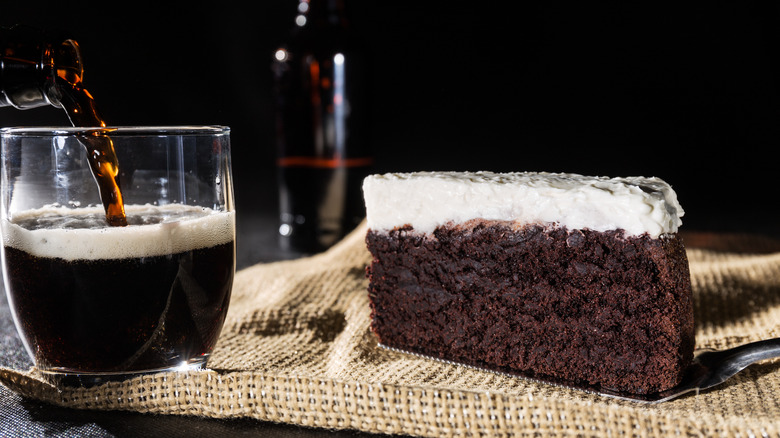
Beer isn't just for cooking, it's also a great addition to a range of baked goods. But, many people think they'll give recipes like beer bread or chocolate stout cake a go by just winging it. Replacing the usual liquid in a recipe for beer without thinking about how this affects baked goods is going to leave you with disappointed.
The truth about beer bread is that, although it's fairly easy to make when you know how, it's not a case of just adapting any old bread recipe and throwing in some brewsky instead of water. The same goes for other bakes. The natural qualities of beer means that it behaves differently in recipes to other liquids. You need to understand a little about this, or just follow an existing recipe.
"Baking with beer requires more skill than cooking with it, as it changes the recipe's structure," explains JD Alewine. "Beer adds liquid, carbonation, sugars, and bitterness, affecting the rise, crumb, browning, and density of baked goods." He notes that cakes are particularly susceptible to becoming dense or bitter when you add beer.
But, it's also about the way the finished bakes taste. "When you're baking with beer, the flavor really stands out, so picking the right one matters more than ever," Joanne Gallagher remarks. "For beer bread, I stick with malty, smooth beers because they add richness without turning bitter." She particularly likes using stout in cheesy breads because of its rich flavors and bittersweet notes.
Balancing the dish incorrectly
It's important to think about the balance of flavors when you add beer to a dish. Great food has just the right balance of sweet, salty, umami, bitter, and acidic notes. We know that beer can bring bitterness, but it can also bring sweetness or acidity, depending on the variety, so this can throw off the balance of a recipe. Learning how to account for this is important.
"When a dish begins to taste bitter while I'm cooking with beer, I typically add some fat, a hint of sweetness, or a little acidity to achieve balance," JD Alewine tells us. If it tastes too bland, this is potentially because you used beer to replace stock or another flavorful ingredient. Adding a little salt is a good place to start, but you can also choose other salty ingredients, like soy sauce, aged cheeses, or miso paste. A touch of salt can also be a good addition if the sweetness of a particular beer comes too much to the forefront.
"I treat beer the same way I treat broth or wine," says Joanne Gallagher. "It should add flavor without overpowering the dish." So, it's important to achieve balance to avoid beer becoming the only thing you taste. Like Alewine, Gallagher uses sweetness to balance the bitterness in a dish. So, depending on the recipe, this could be sugar, honey, caramelized onions, dried fruit, or balsamic vinegar. She also suggests using creamy ingredients to balance out excess bitterness.
Using too much or too little beer
It might seem obvious, but one of the most useful tips for cooking with beer is not using too little or too much. It's a finer balance than people often realize, so they fall into the trap of either under doing it and ending up with too little flavor or overdoing it and making it too boozy.
"Excessive beer can render a dish bitter, watery, or excessively alcoholic," says JD Alewine. "Conversely, using too little beer might cause it to vanish entirely." Neither of these are going to result in the well-balanced dish that you want to achieve. To help make sure he doesn't use too much or too little, Alewine says "I typically begin by substituting just a portion of the liquid with beer, then make further adjustments as needed."
"If you add too much beer to a recipe, the whole dish can turn bitter and heavy once it cooks down," Joanne Gallagher warns. On the other hand, "if you don't use enough beer, you lose the flavor that made you want to cook with it in the first place." She explains that, when baking beer bread, she uses just enough to keep the loaf flavorful and soft without making it dense. Or, when she's making beer brats or stew, she makes sure the beer is working with the meat and onions, not competing with them. "My biggest tip is to taste as you go, and let the beer reduce a bit before deciding whether it needs more."
Failing to take account of how the beer cooks down
One common error people make with beer in recipes is failing to take into account how it cooks down. This ultimately affects the flavor and means your dish might not turn out exactly how you thought it would when you first added the booze. If you're familiar with the concept of reducing a sauce, you'll know what we mean. As the dish cooks, some of the water evaporates, leaving the flavors more concentrated. This can be a good thing, but with beer — you have to be careful.
"People underestimate how much the flavor changes as beer simmers down, especially in sauces and reductions, so tasting as you cook really matters," says Joanne Gallagher. She advises that you "let the beer reduce a bit before deciding whether it needs more." It can pay to be conservative when you first add beer to a recipe, so that it doesn't concentrate its flavors too much and end up overpowering.
While some flavors in beer mellow when you cook them, others can become more pronounced. This is especially true when making something with a long simmer time. It's a big part of the reason why our experts warn against using beers that are especially bitter, particularly if you're not confident in balancing flavors. James Trees remarks on some bad experiences he's had getting unwanted notes coming through after reducing beer. "One obvious example for me was cooking with Budweiser," he says. "It ended up tasting like overcooked rice."
Sampling too much beer while you cook

You might be surprised, and pleased, to know there are some reasons why beer is actually good for you. But, you should still aim to drink it in moderation. One thing that you might fall foul of while using beer in your recipes is sampling a little too much while you cook. It's not always a bad thing. It could be fun. But, your cooking might suffer for it.
"The biggest mistake that happens when you're cooking with beer, is drinking said beers," JD Alewine quips. "Perhaps you only need half a beer for a dish, but you buy a six pack. Well, it would be rude to leave that half a beer un-drunk. And, then, perhaps the others are looking lonely. "If you end up getting into them, you might find yourself too 'cooked', and end up making every dish poorly from there," says Alewine. "Don't ask me how I know this," he adds.
There's no judgement here, but you definitely could end up a worse cook from sampling the merchandise. You could just exercise restraint, but perhaps a more fun solution is to invite over some pals to eat and drink with you.