

9 Foods That Pack A Bigger Vitamin C Punch Than Oranges
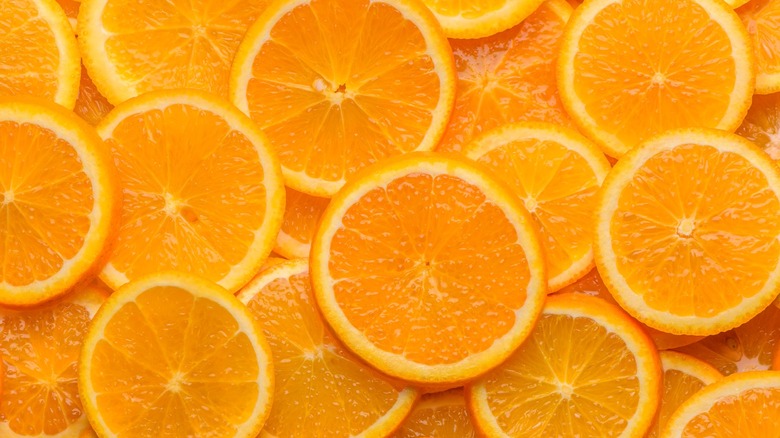
When you think of a food that's full of vitamin C, the first thing you likely think of is an orange. The bright citrus fruit is known for being one of the absolute healthiest foods you can buy, especially when it comes to hitting daily recommended doses of nutrients. While all citrus fruits contain vitamin C, the exact amount depends on the fruit's size and level of ripeness.
Vitamin C is one of the essential nutrients we need every day for a number of reasons; it's required for the synthesis of collagen and some neurotransmitters and is also important for protein metabolism. A lack of the vitamin can result in a disease called scurvy, which causes joint pain, bruising, slow healing, and death if it's not treated.
Not consuming enough vitamin C can have consequences, but if you're not a fan of oranges or don't want to take a supplement, there are a number of foods that contain higher levels than the juicy citrus. For reference, the average 131-gram orange (roughly 3 inches in diameter) contains 77 milligrams of vitamin C (via USDA). From other fruit to more unique bites to leafy green veggies, there are plenty of ways you can up your vitamin C intake without so much as looking at an orange.
Kakadu plums
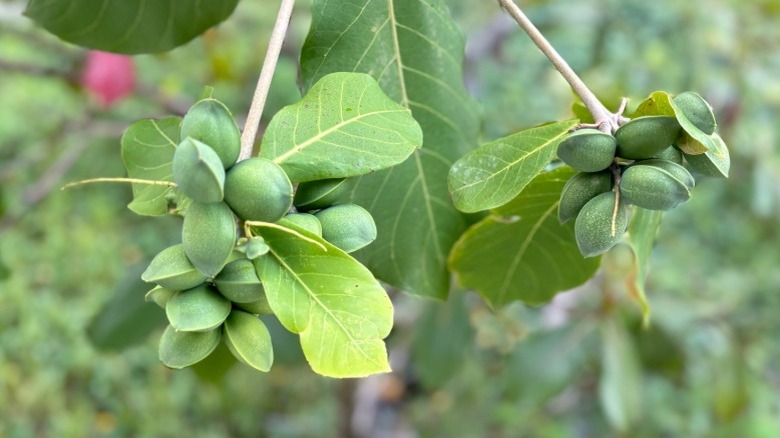
If you're looking to maximize your vitamin C intake, Kakadu plums contain the highest known amount of the nutrient (per 100 grams) in any food. A single, 2- to 5-gram plum (much tinier than your average orange) has 46-157 milligrams of vitamin C, according to Molecules. Comparing the two, you're looking at roughly 2,300-3,150 milligrams of vitamin C in 100 grams of plums. These sour plums are often sold in powder or supplement form, as they are native to Australia and hard to transport, although they can be consumed whole or as a jam.
Acerola cherries
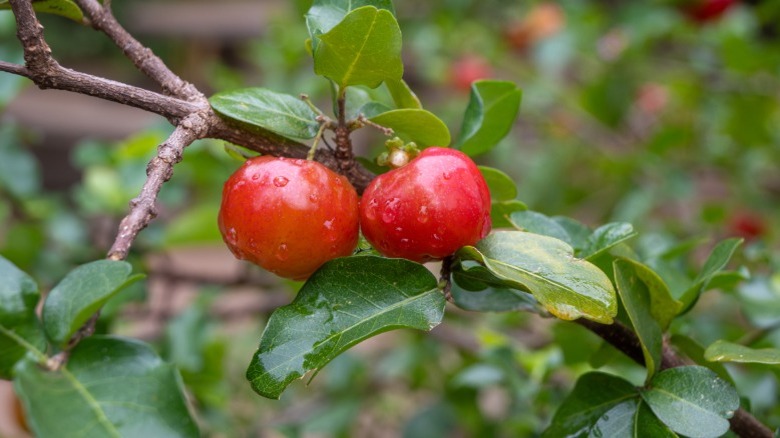
Another ultra-nutritious food is the acerola cherry. Beyond containing polyphenols that reduce inflammation, acerola cherries also hold a treasure trove of vitamin C. Each cherry is roughly 2-15 grams and contains 225-680 milligrams of vitamin C — that's 1,500-4,500 milligrams of vitamin C in 100 grams, far surpassing an orange, according to Journal of Food Science and Technology. Like Kakadu plums, these cherries are hard to come by fresh from your local grocer but can be purchased from specialty stores.
Broccoli

Stepping away from fruit, there are lots of veggies with high amounts of vitamin C, broccoli being one of the main ones. One cup of chopped broccoli (approximately 91 grams) contains 90 milligrams of vitamin C, according to the USDA. Now, this is only slightly more than an orange but a good choice if you're looking for a greener option — think a dinner side like crispy roasted parmesan broccoli.
Guava
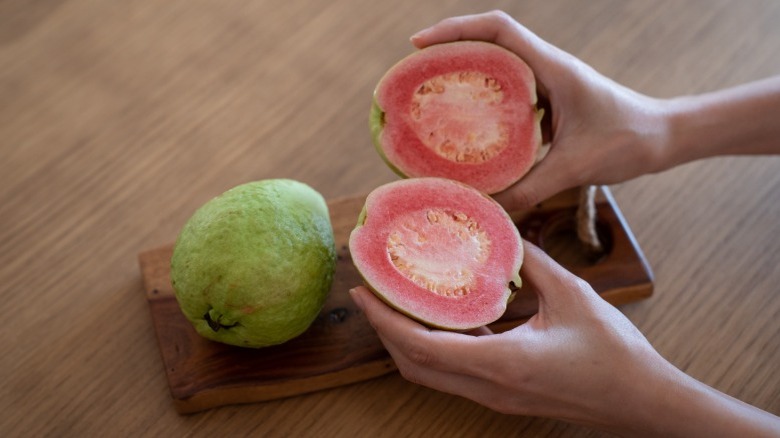
For tropical-flavored fruits, you should start eating more guava because it also beats out oranges when it comes to vitamin C. One guava, which is approximately 55 grams, contains anywhere from 95 to 155 milligrams of the essential vitamin (via USDA). In comparison to one orange, you'll get much more bang for your bite.
Green chili peppers
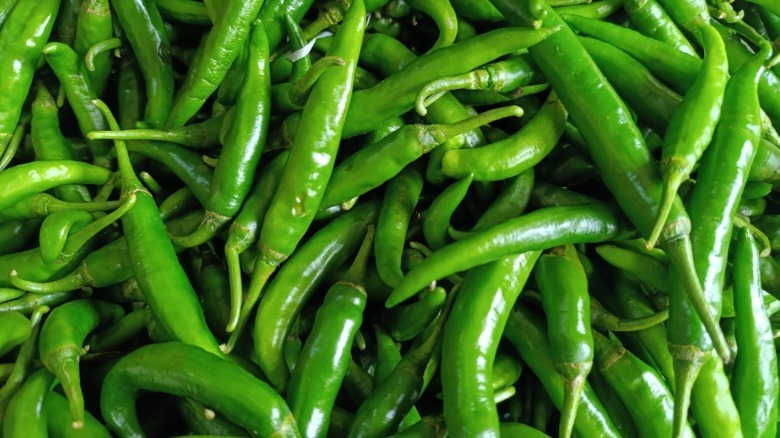
One 45-gram green chili has 109 milligrams of the vitamin C (via USDA). In other words, you only have to consume one green chili to get as much (and even more) vitamin C than a whole orange. Of course, you have to be on board with spice to choose these peppers as your source of vitamin C, but they can be paired with other delectable options, like your mac and cheese.
Mustard spinach
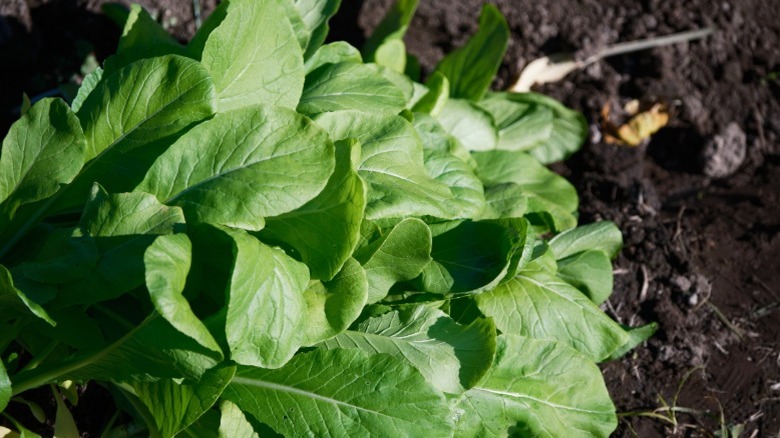
Sticking with green options, mustard spinach is a leafy veggie that's stocked with vitamin C. In comparison to the 77 milligrams you get in 131 grams of orange, 100 grams of mustard spinach provides 130 milligrams of the same nutrient (via USDA). This green, also called komatsuna, is native to Japan, and is used in lots of Japanese recipes like stir fries and miso soup.
SunGold kiwifruit
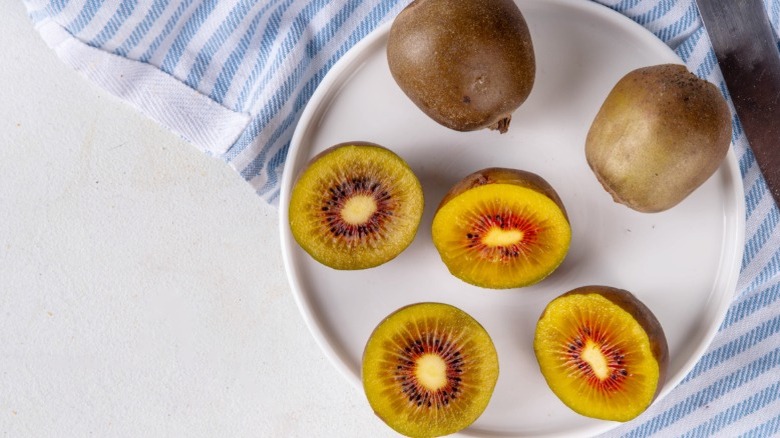
The next vitamin C powerhouse is kiwifruit, but more specifically, SunGold kiwifruit. This yellow-tinged version of the classically green fruit holds around 163 milligrams of vitamin C per 100 grams of kiwifruit (per Zespri). That means that in a smaller portion, you're getting over double the vitamin you would consume in an orange. Kiwifruit are also rich in nutrients like fiber, vitamin E, and potassium.
Rose hips
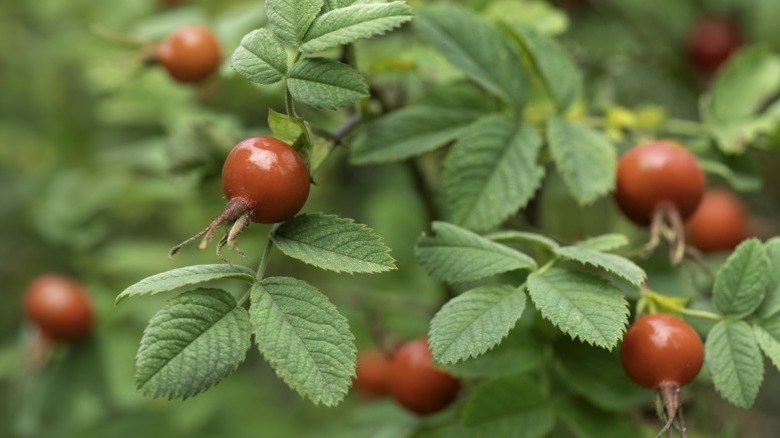
If you have rose plants in your garden, rose hips – the tiny fruits that grow on these plants — are edible and also packed with vitamin C. They can be eaten straight off the branch, and 100 grams of the red fruit holds 426 milligrams of vitamin C, according to the USDA — significantly more than a single orange. For those interested in consuming them right from the backyard, watch out for their seeds, which aren't as delicious to munch on.
Black currants
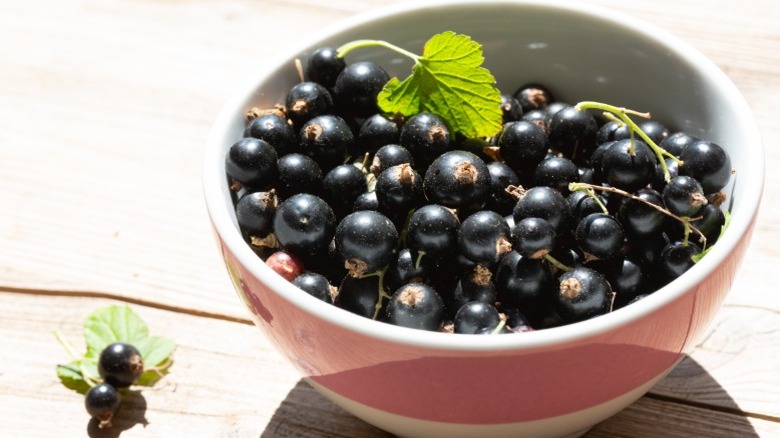
A fruit that was once banned in parts of the United States because of its potential to transmit harmful diseases to pine trees also has a plethora of vitamin C: black currants. These tiny bites are used in beverages and jams and have anywhere between 181 and 200 milligrams of vitamin C per 100 grams of fruit, according to CurrantC. For comparison, the same amount of orange only holds around 50 milligrams of the nutrient. Black currants are also a good source of immune-boosting antioxidants.