

The Difference Between Añejo And Extra Añejo Tequila
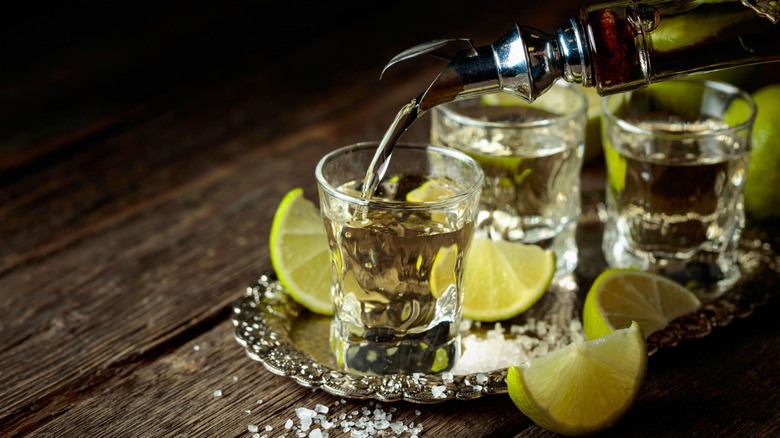
To know about tequila is to appreciate it. That requires understanding the drink's defining characteristics. In order to be called tequila, the spirit must be made with blue agave and manufactured in a specific region in one of five Mexican states. The top producer among them is the state of Jalisco, which is home to the beverage's namesake city, Tequila. There are five varieties of this spirit: blanco (white or silver), reposado (rusted), joven (which means "young" but is often called gold in English), añejo (mature), and extra añejo (extra mature). Understandably, some people might get the last two mixed up.
Extra añejo is still relatively new to the scene, having been officially added to the lineup in 2006. It has many similarities to añejo, but tequila drinkers shouldn't make the mistake of lumping these two categories together. That would dismiss the varieties' unique notes. There is also the price to consider. The longer a tequila is aged, the more expensive it is going to be. A top shelf extra añejo can set you back more than $500. Even on the lower end of the price spectrum, a 750-milliliter bottle of the mature kind could sell for around $30, while an extra-mature version from the same brand may cost as much as $80.
Añejo tequila is aged for 1 to 3 years
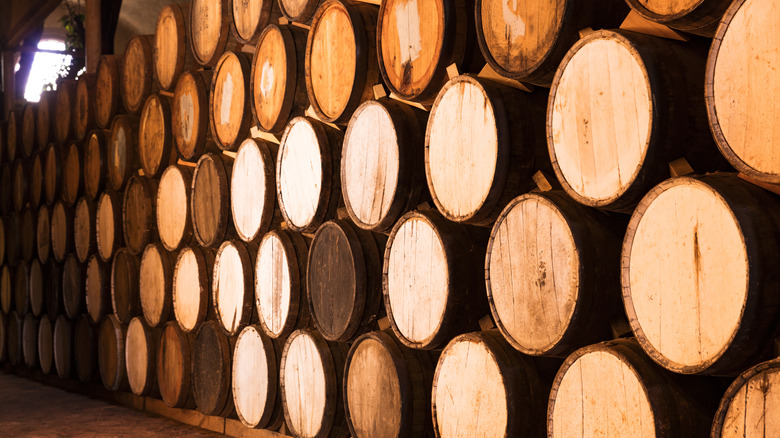
Añejo means "old" in Spanish, but when referring to food or drinks, it is better translated as "mature" or "aged." In English, we are more likely to say a wine is mature rather than old, and an aged cheddar sounds far more appetizing than an old one. Like wine (and cheese), tequila ripens over time. If it's classified as añejo, then it sits in barrels for between one and three years. Oftentimes these containers are made from French and American oak. In some cases, the inside of a barrel is charred before the spirit is placed in it. This not only influences the flavor of the beverage but also its appearance.
The amount of aging and charring affect the tequila's color, which can range from light gold to dark amber. It also tastes sweeter than its younger counterparts, boasting notes of vanilla and caramel. Some añejo tequilas taste almost smoky or have a spice to them. The mouthfeel is also different. The aging process results in a smoother and silkier drink. While añejos are excellent additions to cocktails, they can also be sipped straight as you would a scotch.
Extra añejo matures for over 3 years
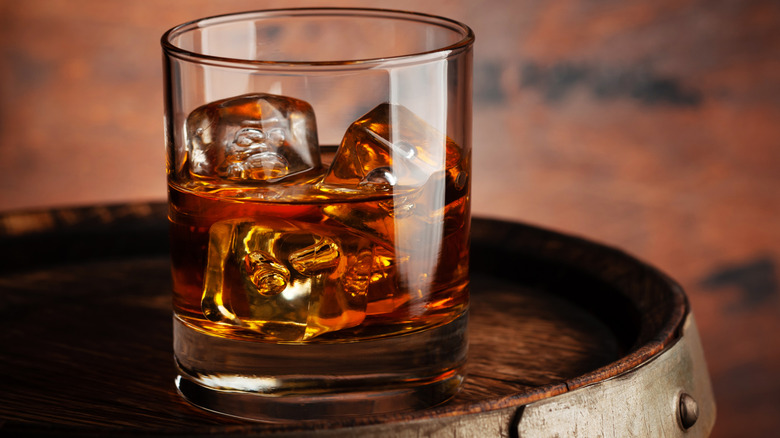
As one might guess from the "extra" in the name, extra añejo tequilas are barrel aged for longer than three years. This results in a much darker amber color and deeper, richer vanilla, caramel, and spice flavors as well as more smokiness. Some might say that the mouthfeel of the extra añejo almost borders on syrupy.
Because of its unique flavor profile and higher price tag, it is often recommended that extra añejo tequila be enjoyed neat or served on the rocks to really appreciate the artistry that went into making it. But it can also be used as a substitute for bourbon or whiskey in cocktails like an old fashioned or Manhattan. Of course, using an extra añejo in a classic tequila drink, such as a margarita or paloma, will add new depth to these old favorites and might be worth exploring if you can afford it.