

What Does Costco Do With Unsold Kitchen Items?
We may receive a commission on purchases made from links.
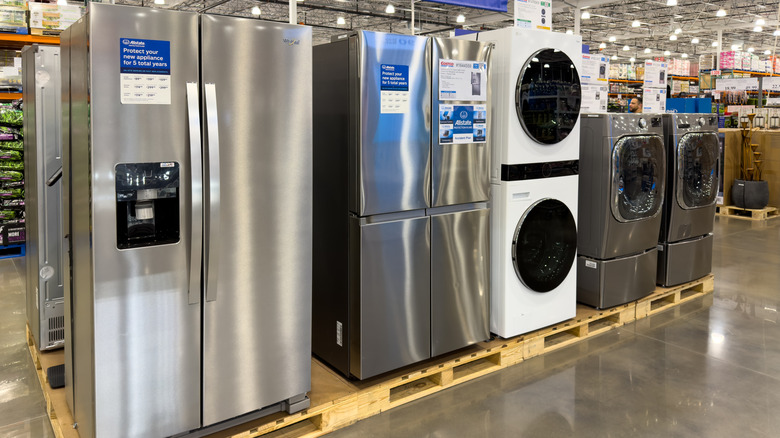
Costco stocks a wide variety of high-quality, affordable kitchen wares, but the retailer uses a sophisticated inventory management system to handle the knife blocks, tea towels, and toaster ovens that never find a buyer, as well as items that customers have returned. Rather than routing these goods to the landfill, the company sends them to secondary marketplaces or, in practical terms, loads them onto pallets, where they're auctioned off by a third party or resold by the truckload.
Like Walmart and other big-box stores, Costco works with a company called B-Stock Solutions (among other bulk buyers), which runs an online business-to-business marketplace for the sale of overstock items. From there, the pallets are usually purchased by resellers rather than individual shoppers, at which point the merchandise may then appear at discount retailers, liquidation outlets, bin stores, or online marketplaces, giving the products one last opportunity to find a home.
The company distinguishes itself from competitors in that its logistics and supply chain processes are designed to minimize the accumulation of unsold merchandise. Costco buys goods that the company expects will move quickly, and these items' journey to the customer involves minimal long-term storage and handling.
Returned kitchen items and food take different paths
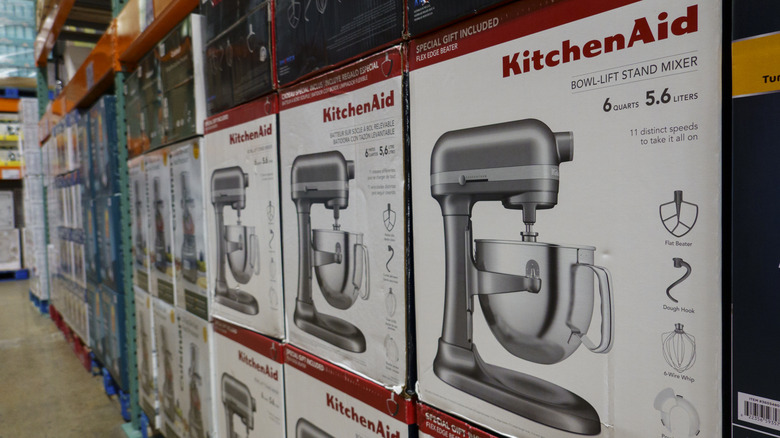
Costco offers a generous return policy, refunding customers their purchase price with limited exceptions (large kitchen appliances, for example, must be returned within 90 days). The journey and final destination for returned kitchen products depends on quality factors and packaging condition. Items deemed fit for resale may be restocked in warehouse or, in some cases, returned to the supplier. Otherwise, they might be donated, resold through B-Stock Solutions (or another bulk-buyer Costco affiliate), or in other cases, either recycled or destroyed.
Food is handled differently. Costco donates unsold shelf-stable food through charitable organizations, and its food court leftovers sometimes (though not always) go to food pantries. The company's website states that it donated more than 140 million pounds of food and other products to Feeding America in 2025, while World Vision reports that Costco contributed 18.6 million pounds of usable returns that year, diverting the goods from landfills through its donation program. Perishable and opened items, on the other hand, generally aren't donated due to food safety regulations, which often require that they must be discarded.