

5 Signs Your Dishwasher Is On Its Last Legs
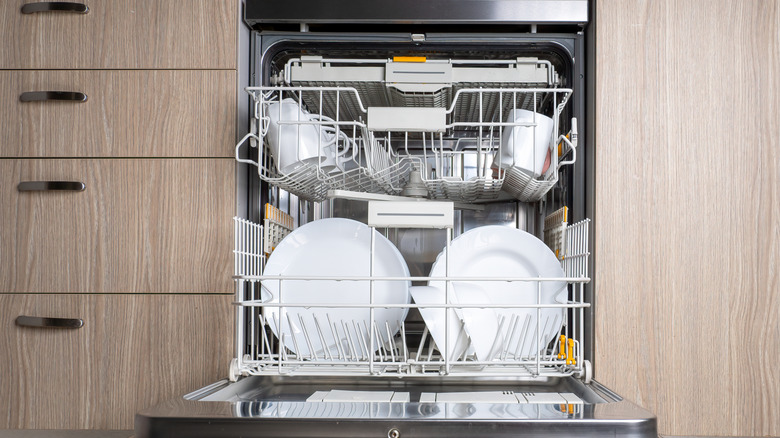
The average lifespan of a dishwasher is about 10 years, so if you're coming to the end of that decade, you might be wondering what to expect as your appliance ages. The good news is that the most reliable dishwasher brands sometimes outlive their life expectancy and are able to perform normally for many years. But if you think your machine might be reaching the end of its tenure in your kitchen, a few simple signs can indicate that it might be time for a repair or replacement.
Essentially, the signs that your dishwasher is on its last legs are that the appliance does anything it's not usually supposed to. Look out for water pooling in unusual ways, doors that don't fully close or latch, plates that stay cold even after the machine says they've been cleaned with hot water, rust or water gathering on your floor, or unusual sounds and smells. Whether each of these means the appliance has to be replaced or simply repaired depends on the type and severity of the problem, but they almost certainly suggest something is wrong.
Your dishwasher won't drain all the way
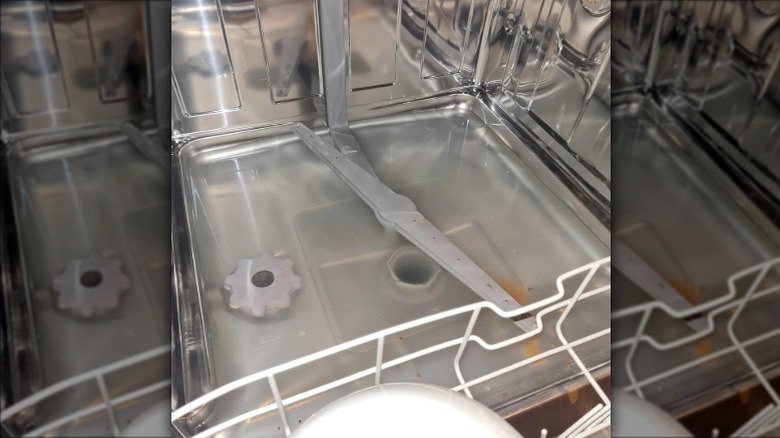
Dishwashers work by spraying hot water from jets inside the machine, so while the appliance never completely fills with water, plenty of liquid still collects in the bottom basin during the cycle. That's normal, but it should drain fully before the cycle ends. If you still see standing water at the bottom of your machine once the dishes are clean, it's not functioning properly and might be in trouble.
Sometimes, this is an easy fix. A clogged dishwasher could just mean there are bits of food or other debris stuck in the drain that are preventing the water from getting out. (A good dishwasher detergent will break down food bits in the filter over time, but it won't handle the biggest chunks.) Other times, this is a sign of a more serious issue with either the appliance or your plumbing. In that case, it's best to have a professional plumber come evaluate the problem.
Your dishwasher's door won't fully close
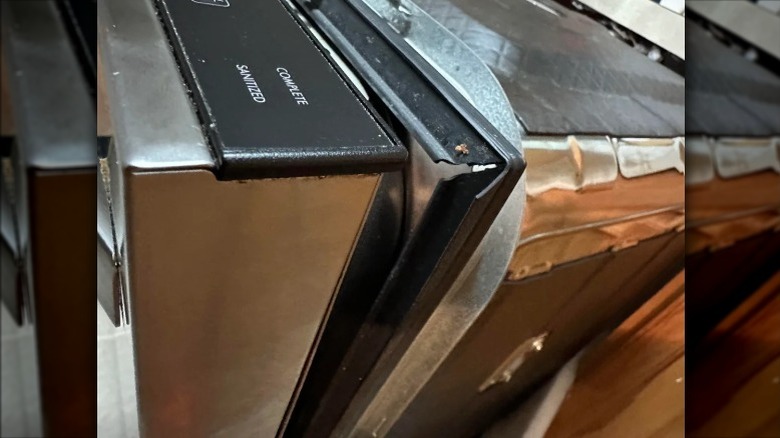
Seemingly minor issues with your dishwasher's door could actually be a serious cause for concern. If it's not closing all the way, won't latch, or seems warped, the machine won't work properly. The door closing all the way but not actually latching shut is a problem of lesser concern, as that's likely just a failed latch that needs to be repaired or replaced. That's not a particularly costly procedure, nor is it very difficult when done by a professional.
But if the door won't close all the way or is misshapen, that could point to a much more serious problem. The door should close easily and latch simply, but repeated leakage inside the door could warp the materials enough to bend. That would prevent the door from making a tight seal or latching all the way shut. This is rarely subtle: Most dishwashers won't start if the door isn't closed all the way, so you'd know if yours has this problem when you try turning it on.
In this case, a permanently damaged dishwasher door likely requires an expensive repair or a whole unit replacement. It won't become warped with normal usage, so you'd have to investigate the cause of the warping — often water leaks or structural damage — that might point to more fundamental problems with the machine overall.
Your dishwasher leaves dishes cold after a cycle

Dishwashers are built with heating elements that should bring the water up to about 155 degrees Fahrenheit. The same heating element also dries the dishes at the end of the cycle, though that part is optional and can be omitted to save energy. Regardless, the dishwasher's interior should get very hot when it's working, and therefore, the dishes should come out hot at the end, too.
In fact, the dishes should ideally be too hot to touch or hold immediately after the cycle ends. That's an indication that the process worked properly. If the dishes are coming out any cooler than that, the heating element might not be doing its job right. This is particularly concerning if your dishes come out room-temperature, as this means the heater didn't change the water temperature at all in the process.
If the heating element fails but the machine has other issues, it's still possible to replace just the heater and leave the rest intact. It's rare, though, to see a heating element that fails on its own while all of the connected parts work fine. Depending on the extent of the damage and the cost of a replacement part, it might be a better bet to simply replace the whole machine.
Your dishwasher has rust or water outside
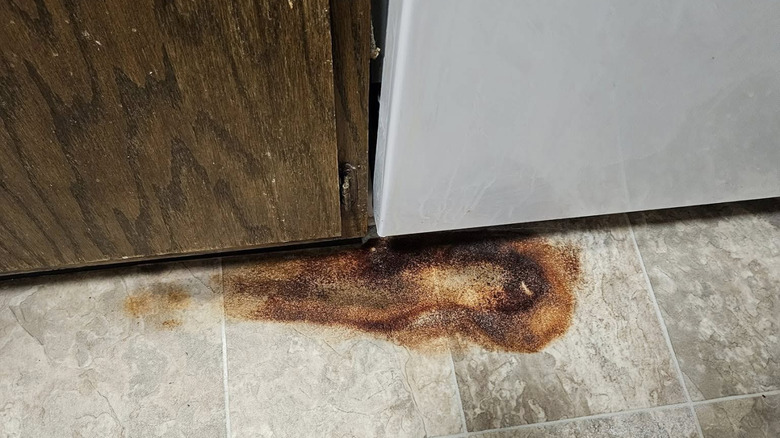
What should appear on the outside of the dishwasher, or on the floor in front of it, during a cleaning cycle? Nothing at all. Anything coming out of the dishwasher is a sure sign of some kind of failure. Common issues include rust around the machine or water pooling on the floor below it.
Dishwashers don't generally rust during normal usage. If you see rust, especially around the appliance or flaking onto the floor below it, water is probably getting into the wrong places. It's likely encountering metal components that aren't designed to get wet. The exact solution depends on the cause and severity of the rust. Small patches of rust inside the dishwasher, for instance, are simple to clean off. But rust inside the frame or motor could threaten its structural integrity, functioning, or watertight seal. Some rusted parts may be replaceable, but rust often indicates a bigger issue.
This goes without saying, but dishwashers shouldn't leak water onto the floor, either. If you do see leaking, or pooled water on the floor, your appliance has serious problems. Because water leakage is often the final and most obvious symptom of failure, this generally means you should replace the whole machine.
Your dishwasher gives off unusual sounds or smells
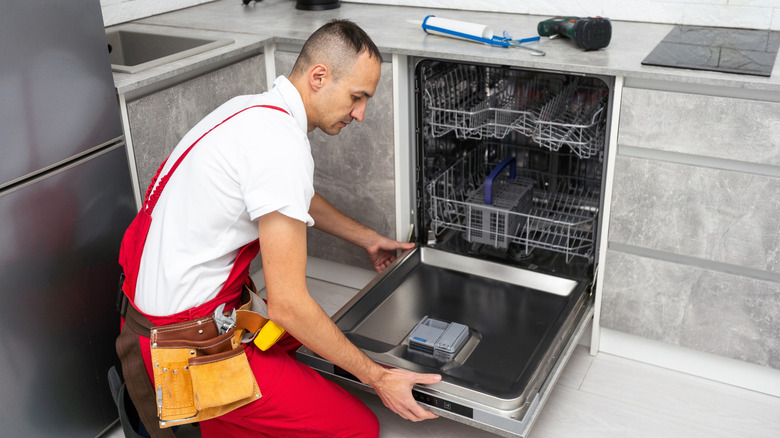
Using all your senses can help you identify a dishwasher that's coming to the end of its lifespan. When it's running, do you hear anything unusual? Occasional clanking or thumping may simply be a sign that a plate or utensil is getting in the way of the spinning wash arms (the correct way to load a dishwasher is with all the items inside the racks, not sticking out). But a more serious sound, like a grinding noise or anything else that doesn't usually happen during a cycle, may indicate motor failure if there's no visible cause.
So, what should a healthy dishwasher sound like? Water sloshing or gurgling, minor thumping or clicking, and low hums are all perfectly normal things to hear from the machine. Anything that significantly deviates from those likely indicates a problem with the appliance's functioning.
Now, try smelling the dishwasher while it's running or right after it finishes a cycle. A dishwasher functioning normally really shouldn't smell like anything. A burning smell, though, is a bad sign. It could be caused by something like a plastic dish or utensil that fell into the heating element and is melting, or it could be a sign that the heating element, motor, or some other part is failing. Regardless, nothing in the dishwasher should give off a burning smell during normal usage, so use caution and avoid dishwashers with suspicious scents.