

Why Is Coffee In Italy Often So Cheap?
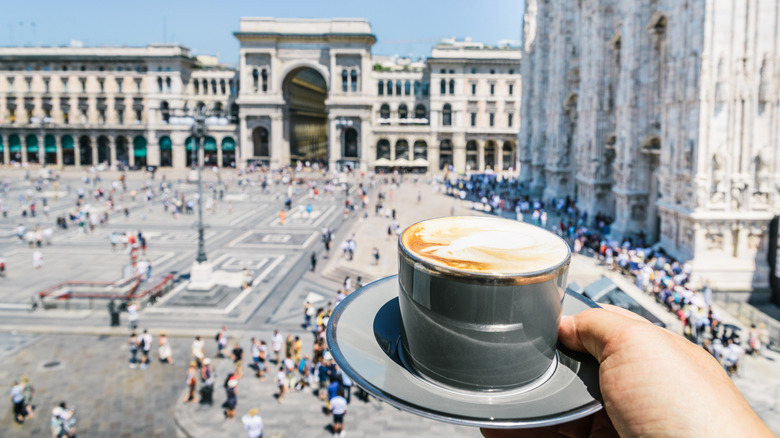
A good cup of coffee is one of life's simple pleasures, and if you're in Italy, it's a pretty cheap way to start your day. The country shaped like a boot has been serving strong coffee at an economical price for more than a century thanks to cultural traditions that started with pre-World War I price controls. In 1911, regulators deemed coffee a necessity and set a maximum price. Ever since, Italian coffee bars have been a cheap option for a caffeine boost. In some places, you can get an espresso for as low as €1 at a quick-serve bar, although coffee costs more if you sit down because cafe owners build in a higher price for more leisurely table service.
While the government no longer controls prices, Italian culture continues to revolve around coffee, with the Italian Espresso Institute reporting that as many as 90% of adults in Italy drink a cup of espresso every day (via The Guardian). The country's coffee prices are still among the cheapest in Europe, but as beans become increasingly expensive and small businesses continue facing economic pressure, these low prices are now in flux.
Italian espresso is an important cultural tradition, but prices may rise soon
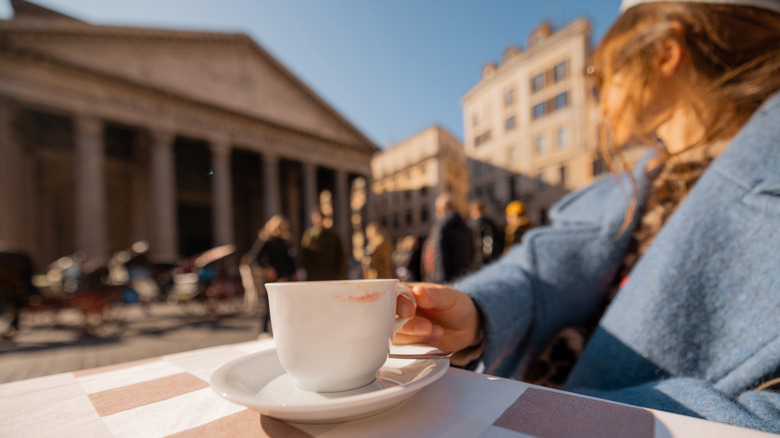
Coffee has been America's favorite breakfast drink for a long time, but it's been an Italian tradition much longer — ever since Pope Clement VIII endorsed the beverage in the 1600s. Italy is the birthplace of espresso, designed to provide customers with strong coffee quickly.
Italians are so proud of the tradition, in fact, that they've applied on multiple occasions for a special status on UNESCO's list of Intangible Cultural Heritage of Humanity. The price point is important, since the average Italian drinks up to two cups of coffee at a bar or cafe per day and another two at home, according to research from the Milan Chamber of Commerce and the International Coffee Organization (per Special Coffee Italy). But costs are starting to inch up.
Because Italians prefer a dark brew, roasters and baristas have cut costs in the past by changing their Arabica and Robusta blends, and with both becoming more expensive over time, they've added in some less-expensive green coffee. But Italian coffee shop proprietors may not be able to stave off price hikes much longer, according to University of Hertfordshire professor Jonathan Morris, author of "Coffee: a Global History." As Morris told Coffee Intelligence in 2024, "The skill of Italian bar roasters has always lain in being creative with their blends to hold down price but that's simply not possible in these circumstances."