

Know These 5 TSA Snack Rules To Save Yourself Time At Airport Security
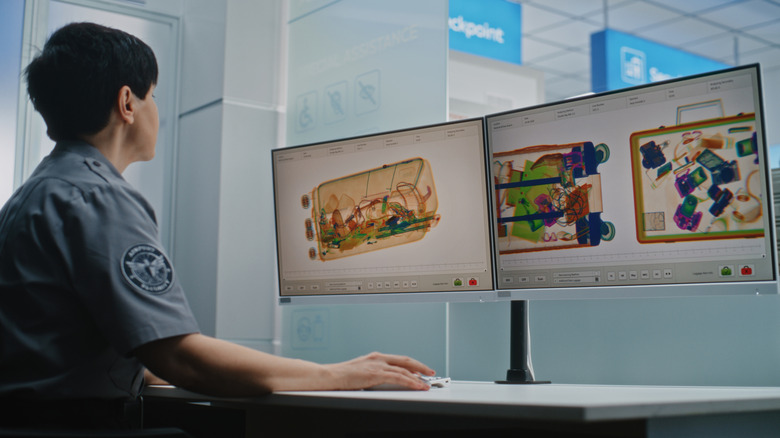
Snacks are a crucial part of travel for many people, whether someone is overseas for a few weeks or just enjoying a quick weekend getaway. Unfortunately, those who plan to fly can't just fill a carry-on bag with all their favorite items to munch on and expect to make it past the TSA security checkpoints. There are some important rules regarding foods you can absolutely not take on an airplane as well as quantity restrictions on different snacks you can bring on board.
Many of the requirements for snacks actually come from broader policies that apply to non-foods as well. These include the 3-1-1 rule, which defines the limitations for liquids, gels, and aerosols, as well as other regulations designed to limit the spread of invasive species or pests. It's also worth pointing out that, although these are important rules, travelers should be mindful of their fellow passengers, too. For instance, while you might be able to bring those hard-boiled eggs and sauerkraut past the checkpoint, you should probably avoid indulging in those or other pungent-smelling snacks when dealing with the close quarters and recirculated air of the plane itself.
Dry, packaged, and bread-like foods are easy
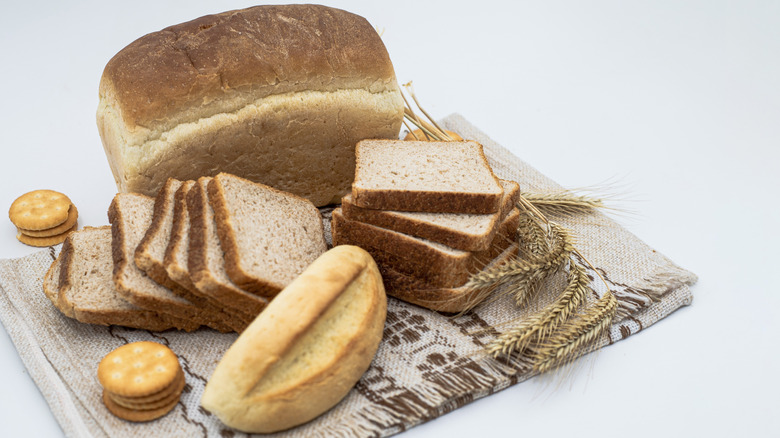
One of the most important things to know when selecting TSA-friendly travel snacks is that dry or prepackaged options are among the most flexible choices. This includes bread, candy, cereal, chocolate, cookies, dried fruit, and nuts.
Not only do these options avoid the potential for wetness and stains that can come with handling a liquid, but packing them eliminates the need to buy similar snacks often sold at airport newsstands or convenience stores. Such retailers typically sell the products at a steep markup. The foods can be transported in either checked or carry-on bags, although the TSA says security officers may ask travelers to separate or remove the items at screening.
Moreover, cooked or assembled snacks like sandwiches or tamales can safely pass through screening. The primary concern is ensuring nothing about the snack falls under any of the other, more specific rules.
Dips, sauces, creamy cheese, and salad dressings fall under 3-1-1 rule
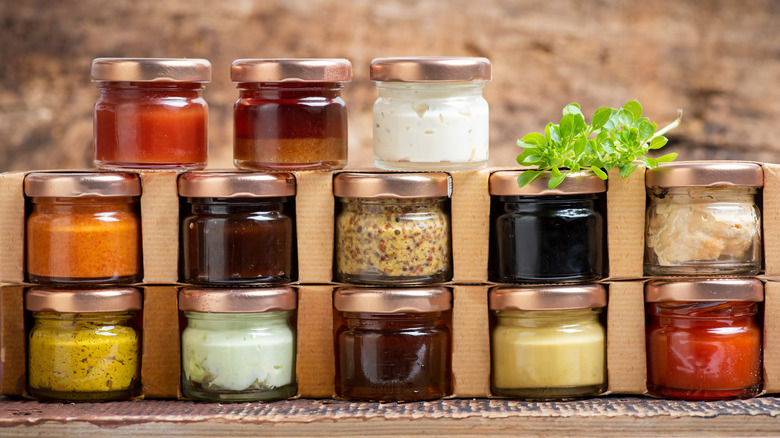
Any snacks or foods that are spreadable, pourable, or pumpable likely fall under the TSA's strict 3-1-1 rule. This limits any single one of these items to a maximum size of 3.4 fluid ounces (or 100 milliliters). Each passenger can only carry an amount that will fit in a single, 1-quart resealable bag. With both per-item limits and an overall one, this means snack-focused travelers may need to prioritize here.
Examples of snacks subject to this rule include creamy cheeses, yogurt, liquid chocolate, and dips or spreads like honey, hummus, maple syrup, salsa, and peanut butter. It's worth noting that the container for these items itself must be 3.4 ounces or less, regardless of the actual volume of the item inside. In other words, you're not permitted to simply tote along a half-filled jar or container to avoid buying travel sizes.
Fresh fruits and vegetables are allowed with limitations
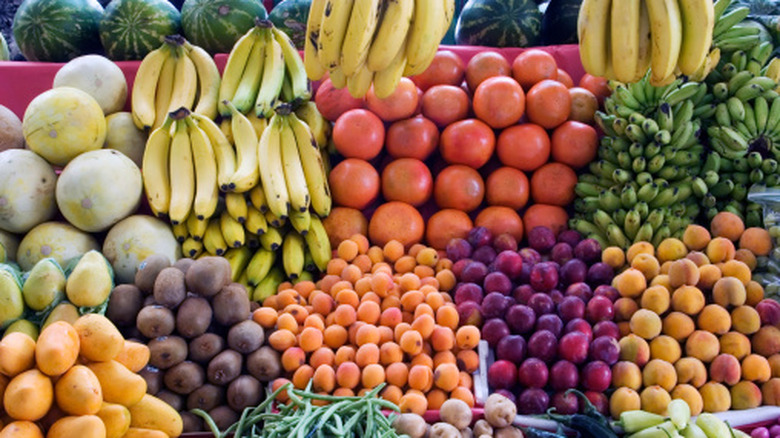
Fresh produce is undoubtedly healthy, but it can pose a challenge for people seeking to take it through TSA checkpoints. From most airports and departure points, you'll have no issues, but there are some exceptions to keep in mind.
Folks traveling to the U.S. mainland from Puerto Rico, the U.S. Virgin Islands, or Hawaii are unable to bring many fresh fruits or vegetables. This is due to the risk of bringing damaging and invasive pests that could take hold in the contiguous 48 states. In those instances, travelers who want fruits and veggies will have to wait until they arrive on the mainland or simply opt for dried versions, which are permitted.
It's also worth pointing out that not every type of fresh produce from these places is banned from entering the mainland on commercial flights. For example, those returning from Hawaii can bring coconuts and fresh pineapple, among others, while those traveling back from Puerto Rico or the Virgin Islands have a much larger list of approved fruits and veggies, including tropical options like breadfruit, jackfruit, mangosteen, and tamarind.
Powders over a certain amount must be placed in separate bin
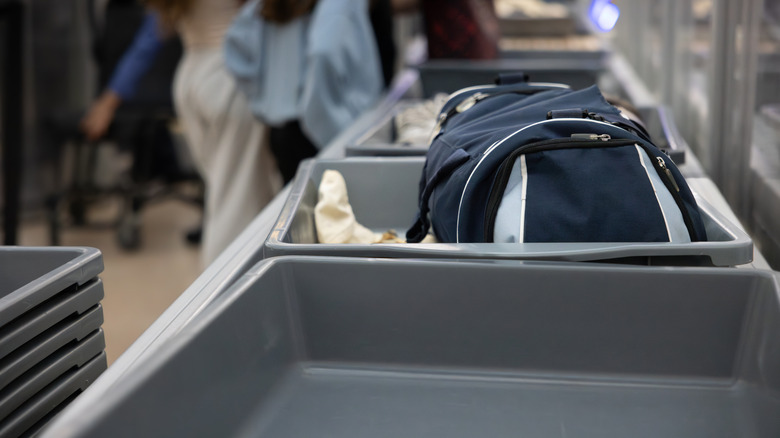
Protein, energy, and supplement powders have become quite popular. While they're often associated with pre- and post-workout nutrition, you don't have to pump iron on during your flight to appreciate the benefits of having an easy-to-consume mix on the plane. If you're looking to bring some along with you in your carry-on, just know they need slightly different treatment at security than your other items.
Any powder-like substances over 12 ounces (or 350 milliliters) need to be removed from bags and placed in a separate bin. They might require additional screening as well, including opening the container. Because of the extra time and hassle involved, the TSA suggests putting these substances in checked bags when possible. Those who need a protein boost mid-flight can opt for protein-heavy snack bars instead, as they fall among the dry and prepackaged options with maximum flexibility.
There's no total limit other than what fits in your bag
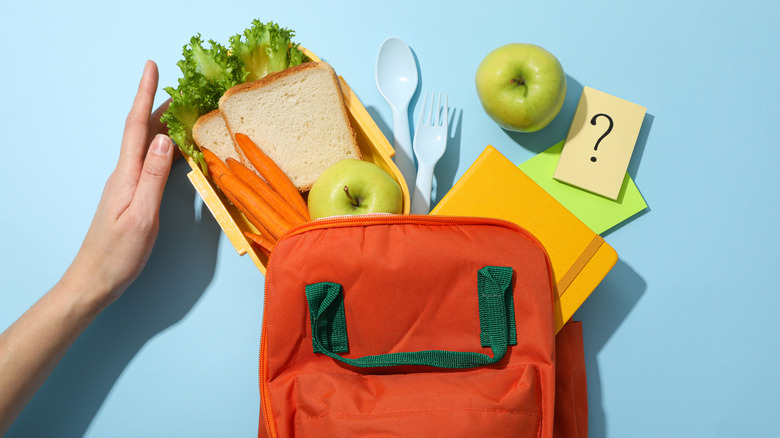
If you're a traveler who likes to snack your way through your journey, never fear. Beyond the quart bag limit for 3-1-1 items, there's no limit on how much food you can bring with you past the TSA checkpoint, other than what will fit in your bag. Whether you've got a soft spot for candy or trail mix, desire health-focused options like apple slices or baby carrots, or prefer more complete meals like sandwiches, you can customize the size of your snack pack to fit the time of day, length of flight, and other factors.
There's no doubt that TSA checkpoints can be frustrating and confusing, even for seasoned travelers. And, with the occasional edge cases involving food, the agency explicitly and repeatedly notes the final decision is up to the TSA officer at the checkpoint as to whether an item is allowed through. Still, following these simple and easy-to-remember rules could save you time and prevent a lot of hassle.