

12 Ingredients Professional Chefs Recommend Having In Your Pantry
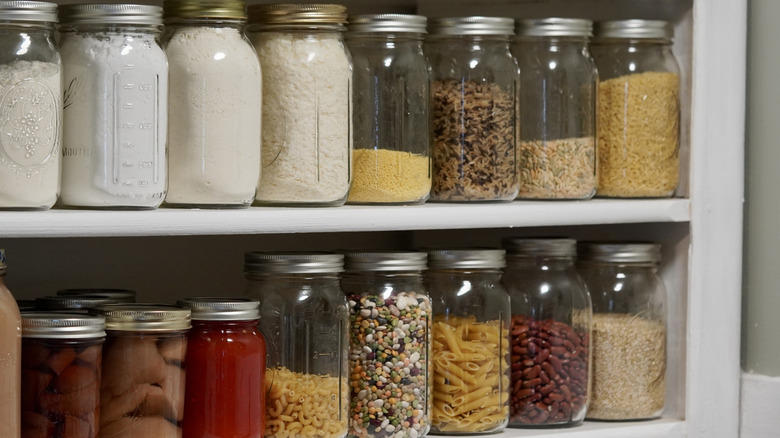
Some people love to cook, while others love to eat but find the actual making the food part tedious. The whole cycle of cooking, eating, and doing the dishes on repeat, forever, can feel exhausting, but when you have the right ingredients in your pantry, it all gets a bit easier. Having useful pantry staples in stock means that you can more easily throw together a meal from what you have available or follow a new recipe without going to the store. And, who better to ask about the perfect pantry staples than trained chefs?
We spoke with four professionals to find out what they like to have in their pantries. Susan Feniger is a chef, cookbook author, and co-owner of Border Grill. Jessica Mode is a culinary instructor and pastry chef in St. Louis, Missouri, and a recipe developer for Homebody Eats. Ben Warwick is the Executive Chef at Windy Hill Farm & Preserve. Chef Jonathan Eizenshtein is a private chef and the face behind Eizen Eats. Between them, they've made some brilliant recommendations for ingredients to have on hand.
If you feel like all that's standing between you and better meals is a well-stocked pantry, this the the perfect place to start. Once you've got your hands on our chef-recommended ingredients, whipping up a meal on the fly will be less stressful. You'll have the right foundation to create more delicious meals. So, read on for the 12 ingredients professional chefs recommend having in your pantry.
1. Extra Virgin Olive Oil
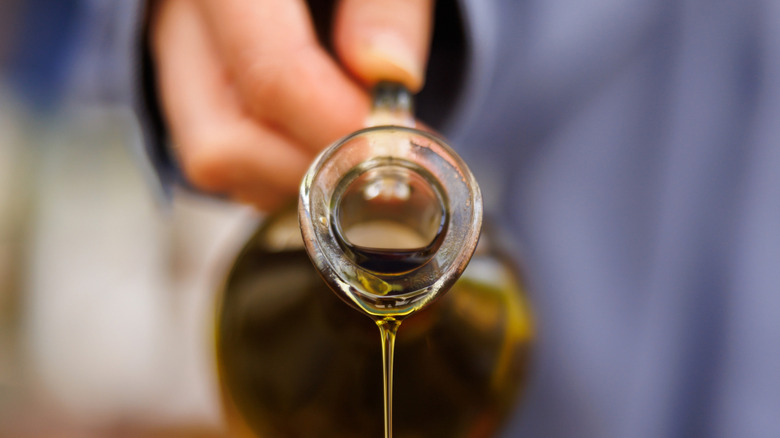
It isn't the cheapest of ingredients, but having a good bottle of extra virgin olive oil in your pantry is essential. The difference between regular olive oil and extra virgin olive oil is that the latter is unrefined, which gives it a more complex flavor. A bottle of refined olive oil might have its uses, but it just doesn't compare to the good stuff.
"Extra virgin olive oil is my #1 used oil in the kitchen because it's so versatile," says Jessica Mode. She uses it to roast vegetables, make bread dipping oils, whip up salad dressings, baking cakes, and to cook proteins. Mode notes that extra virgin is perfectly fine for high heat cooking (contrary to popular belief), just not for deep frying. This was something she did all the time in Italian culinary school, which is also where she learned to select a good bottle.
"Always look for the words 'extra virgin,' which means the oil will meet specific chemical and sensory standards," Mode suggests. "You can check for the harvest date, which can give you some important information about the freshness," she adds. Olive oil is usually at its best within 12 months of harvest.
Susan Feniger also recommends extra virgin olive oil as a pantry staple. She likes to use it for finishing dishes, suggesting steamed green beans finished with EVOO and vinegar as an example.
2. Fine Sea Salt
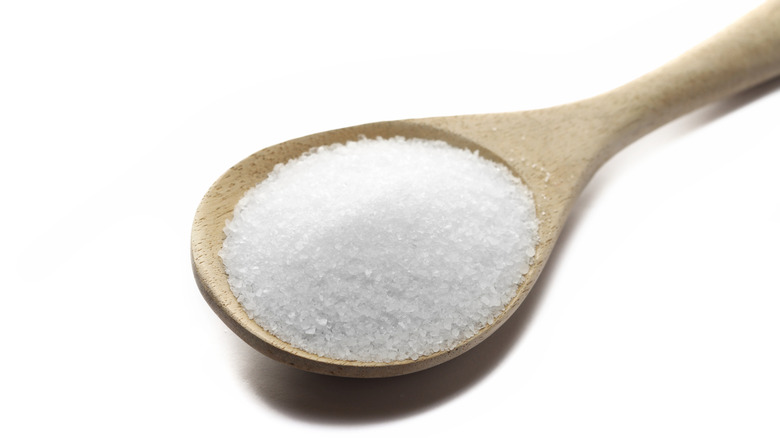
Of course, you should have salt on hand for cooking, but which kind? There are many types of salt out there, such as Himalayan pink salt, fleur de sel, and kosher salt, and all these options can get confusing. But, according to our experts, just some fine sea salt will do the trick.
"I don't feel like people have to buy the perfect salt, the choices are overwhelming," says Susan Feniger. "For me, fine sea salt used properly brings out the flavor of ingredients," she adds. You could spend a lot of money on salt or do extensive research into your options, but actually you don't necessarily need anything fancy for everyday use.
It makes all the difference, though, so skimping on salt in recipes isn't a good idea. "Something as simple as sea salt on an avocado, in a salad, in a complex dish makes the dish pop and sing," Feniger remarks, noting that it instantly transforms bland dishes. One thing you do need to be careful with when using fine sea salt is not to over salt when following recipes that call for kosher salt or flaked sea salt. The coarser grains means you get less salt in a teaspoon. A teaspoon of kosher salt is roughly equivalent to 3/4 teaspoon of fine sea salt.
3. Worcestershire Sauce

Sometimes you follow a recipe or throw together ingredients to make something on the fly and when you taste it, you find it's missing a little something. It's not inedible or terribly bland, it could just do with a bit more. In this kind of case, Worcestershire sauce might be what you need.
This pantry ingredient is recommended to us by Ben Warwick, who describes it as "a great umami option for all layers of cooking." One of the great things about it is how versatile it is. "It is great in dressings, marinades, sauces, and bastes," Warwick tells us. He particularly recommends Lea & Perrins Worcestershire sauce because it has a simple ingredient list. However, there are other good options out there. "Make sure the ingredients start with anchovy instead of caramel coloring," Warwick advises.
If you're looking for something similar to Worcester sauce but suitable for vegetarians, Henderson's Relish is a great choice. It's an English condiment, made in Sheffield, so you'll need to look for it in British specialty stores, but it hits all the same notes, just without the fish.
4. Balsamic Glaze
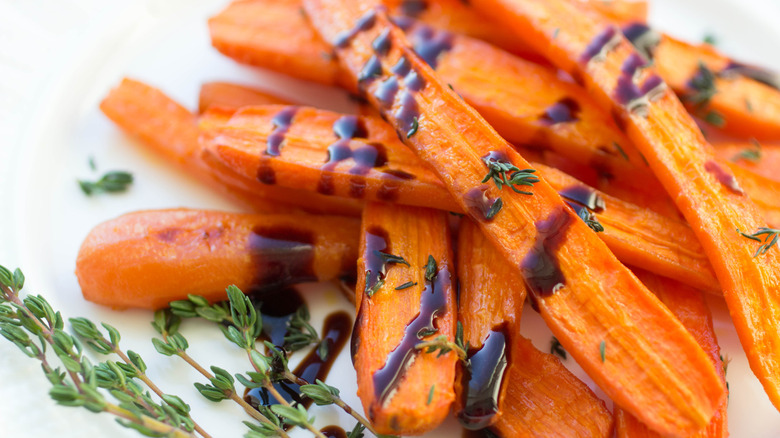
Balsamic glaze is a thicker, sweeter version of balsamic vinegar that's generally made by simmering balsamic vinegar until it becomes a syrup, which concentrates the sweet flavors. It's a simple ingredient for adding loads of extra flavor to a dish with minimal effort. Jessica Mode recommends this because of how versatile it is.
"It's perfect for making salad dressings or marinades," Mode tells us. "It's also perfect drizzled on just about anything, like roasted Brussels sprouts, on top of tomato crostini, or on top of Caprese salad," she says. It pairs nicely with extra virgin olive oil, and brings a complex tangy sweetness to whatever you use it on. Adding a drizzle is a simple way to liven up something, like avocado toast or pea smash.
It's important to choose a good version, though, because cheap ones are basically regular balsamic with sugar and thickening agents added. What gives you the best flavor is when it's made by reducing regular balsamic vinegar. Mode advises looking for balsamic glaze that was made in Italy. "You'll want to look for IGP or DOP on the label," she says. "These indicate the authenticity of the product, including regulations on the protected geographical location where it was produced, as well as certain standards for ingredients and aging."
5. Any Kind of Acidic Ingredient
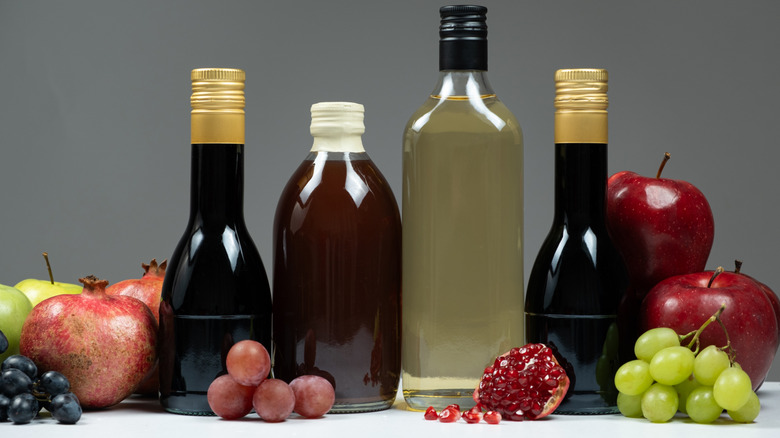
You've probably heard about balancing flavors in meals. In savory dishes, the perfect balance of sweet, salty, acidic, bitter, and umami creates a delicious dish. And, you need some kind of acidic ingredient in your pantry to pull this off. According to Susan Feniger, when dishes are too rich, acidity can even them out, while acidity also adds some brightness to any dish that's a bit flat.
Feniger recommends either having some type of vinegar to hand, or lemons and limes, though these are perishable so they won't last in your pantry in the same way that vinegar does. Ben Warwick particularly recommends sherry vinegar. "Using sherry vinegar adds depth of flavor and wakes up the other flavors," he remarks. "Look for a Vinagre de Jerez DOP stamp on the label," he advises anyone in search of a good one. Also avoid bottles that contain caramel coloring as authentic options won't need it.
It's a good idea to think about the dish and choose your acidic ingredient accordingly. For instance, balsamic vinegar is particularly good in Italian dishes, while black vinegar is great to have on hand if you regularly cook Chinese cuisine. Think about your cooking habits and this will help you work out what kinds of acidic ingredients would be nice to have in your pantry.
6. Flour
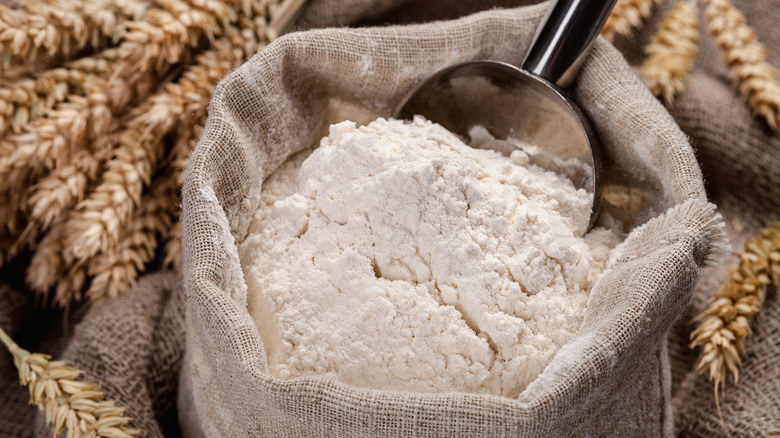
If you want to be able to bake on a whim, having flour in your pantry is vital. "It's the foundation of almost everything," Jonathan Eizenshtein remarks. "And hard to make much without it," he adds. But, it's not just baking that calls for flour. Certain savory recipes, like soups, stews, and sauces, may need flour to thicken them.
But, what flour should you have in your pantry? This really depends on what you intend to make. "Unbleached all-purpose is the most versatile everyday choice," Eizenshtein tells us. This is the type of flour you might use for things like cookies, brownies, pancakes, and muffins, as well as for thickening certain dishes. However, some recipes require other types of flour, and the protein content of these is often what makes all the difference. Eizenshtein recommends "higher-protein bread flour for chewy loaves" and "lower-protein cake flour for tender crumbs."
Some flour brands are better than others, too. A good quality brand, like King Arthur or Bob's Red Mill, will usually give you better results than generic grocery store flours or other, cheaper brands. Some bakers swear by fresh milled or local stoneground flours. They're great if you know what you're doing with them, but tend to give less consistent results than commercial, roller milled flours.
7. Chocolate Chips
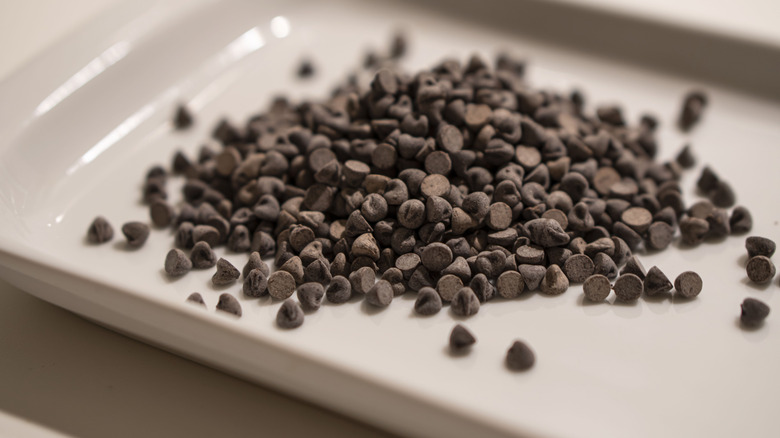
Most of us have plenty of ingredients that can go into making dinners and lunches in our store cupboards, but you might also want to make room for sweet treats. Having a stash of chocolate chips is a great idea for anyone who loves to bake or wants the option to whip up dessert at short notice.
"As a pastry chef, I'm always grabbing for a bag of chocolate chips, whether I'm making chocolate chip cookies, muffins, or brownies," Jessica Mode remarks. "For everyday, general use, I'd always recommend selecting around a 60% cocoa bittersweet chocolate chip," she adds, noting that this is the perfect sweetness for most recipes. She particularly recommends disc-shaped chocolate chunks, over classic chips. "These morsels are great because they are larger than the average chocolate chip, creating puddles of chocolate," Mode says.
It's also fine to go for standard chocolate chips, though, as these are much easier to get hold of, but choosing the right ones matters. "Look for a higher cocoa content and a short ingredient list (real cocoa butter rather than vegetable oil substitutes)," Jonathan Eizenshtein advises. "Semisweet or dark chips give the best balance of sweetness, and good ones should melt smoothly rather than seizing up."
8. Toasted Sesame Oil
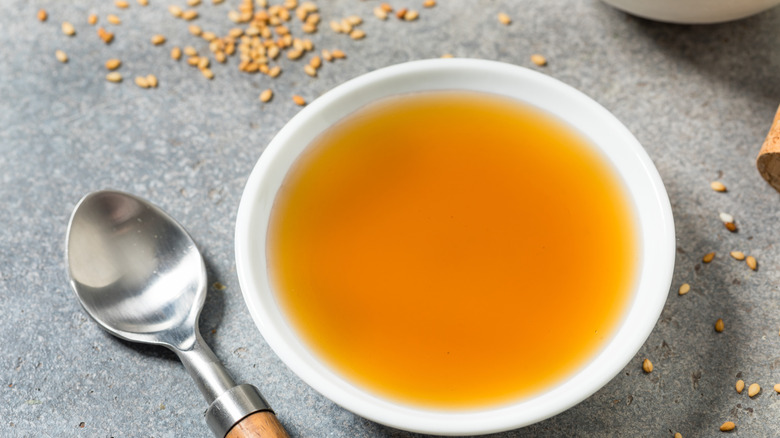
In most pantries, there's a neutral oil for cooking with. Many people also have olive oil on hand for finishing dishes, but those certainly aren't the only options. Having a bottle of toasted sesame oil in your kitchen brings an extra dimension to dishes and is particularly suited for use in Chinese and Japanese cuisine.
"Almost any dish needs an addition of a delicious oil," says Susan Feniger. "Like sea salt and acid, the right oil can really save almost any dish," she adds, suggesting that a combination of sesame oil and vinegar or lime juice is perfect for finishing a dish. This combo would be perfect on a salad inspired by East Asian flavors. You can also drizzle toasted sesame oil over things like noodle dishes or fried rice or use it in dipping sauces.
Sesame oil is more versatile than you might think, too. You can either fry with it or use it for finishing. Ingredients like soy sauce, garlic, and ginger work well with its flavor profile, but there are other options. Using a dash of it in a marinade can add a complex smokiness without becoming overpowering.
9. Sugar
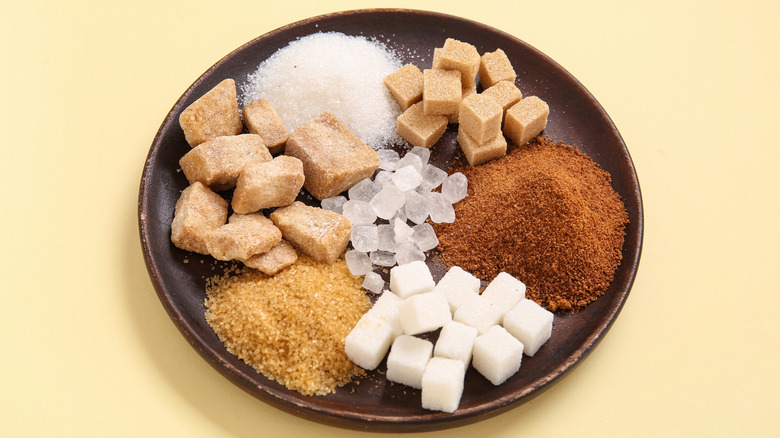
Whether you're stirring it into your coffee or using it to whip up elaborate desserts, it's always useful to have sugar on hand. It's one of those pantry staples that you might not even think about all that often, until you realize that you've run out and your dinner or dessert plans are ruined.
According to Jonathan Eizenshtein, sugar is something that every pantry should contain. "It's a workhorse, needed for nearly every dessert, but useful beyond baking too," he remarks. Not only is it useful for the majority of desserts and sweet baked goods, but you might also incorporate it into sauces and glazes. A spoonful of sugar can often help balance out a tomato-based sauce when you don't have time for an extended simmer or when tomatoes are out of season and less sweet.
There are many varieties of sugar, such as granulated, superfine, dark brown, light brown, and turbinado, so which should you keep in your pantry? "Granulated white sugar is the versatile default for most recipes," Eizenshtein tells us. "For more flavor, unrefined or cane sugar is worth trying," he adds. Brown sugar can also be handy for recipes where you want a deeper, richer flavor. Ultimately, you might want more than one type of sugar in your pantry.
10. High-Quality Butter
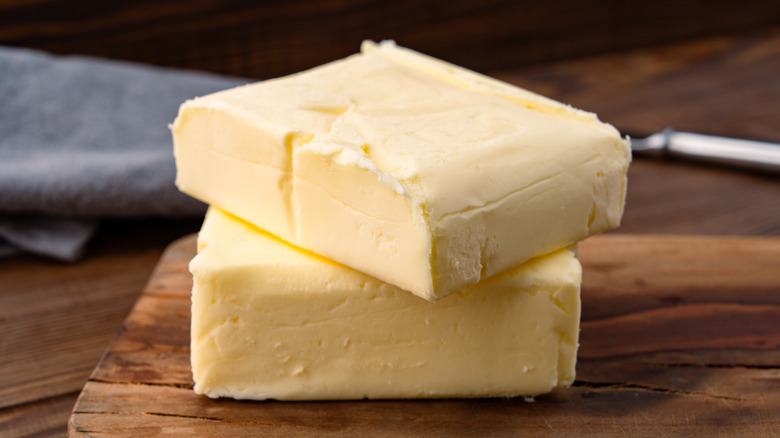
While it's not a pantry item as such, one of our experts recommends always having high-quality butter in your fridge. This is such a versatile ingredient that can be used for cooking, baking, spreading on toast, melting on potatoes, and so much more. The quality of the butter makes a huge difference to the flavor and may change how it performs, so try to avoid buying the cheapest option in the store.
"A high-quality butter will make everything better, from homemade sourdough to freezer waffles," says Ben Warwick. It's a common fat used in baking recipes, such as cakes and scones. You can also melt it in a pan and use it in place of oil for sauteing onions, garlic, and so on.
Choosing a quality butter isn't always simple, though. "Look for a small ingredient list," Warwick suggests. "Pasteurized cream, salt, and lactic starters are all it takes." However, beyond this, prioritizing options that come from local dairies or small producers will give you a better flavor. You might also want to look out for the butterfat percentage. European-style butters have a higher percentage — at least 82% — and less water, so they can be more flavorful. They perform better in European recipes, but when a recipe is developed in North America, the result might not turn out quite as expected.
11. Ciabatta
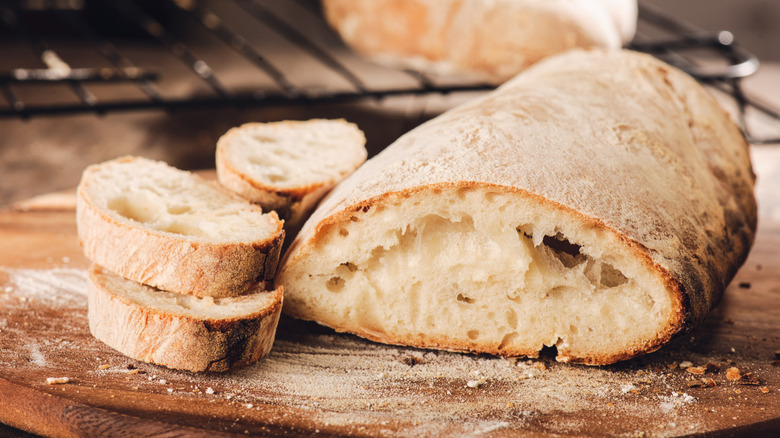
It's never a bad idea to have some bread in your pantry beyond a basic loaf of sliced white. You never know when it could be a useful component in a meal or something to eat on the side. Ciabatta is a good option, recommended by our expert chef Jessica Mode.
"Italians always love having bread on hand, and I've definitely inherited that tradition," Mode tells us. She loves the versatility of ciabatta. "You can use it for sandwiches, turn it into garlic bread, make croutons for salads, or just use it to clean up any extra pasta sauce (scarpetta, as we called it in Italian culinary school)," she adds. When looking for a good ciabatta at the grocery store, Mode notes that the fewer ingredients it contains, the better.
Interestingly, ciabatta was invented to compete with French baguettes. We can see the similarities in the shape and the crumb, though with its own spin. It's a tasty bread to have in your store cupboard and one that can be used in a range of ways. Packs of fresh supermarket ciabatta might only last a few days in your pantry, though par-baked options last longer.
12. Basmati rice
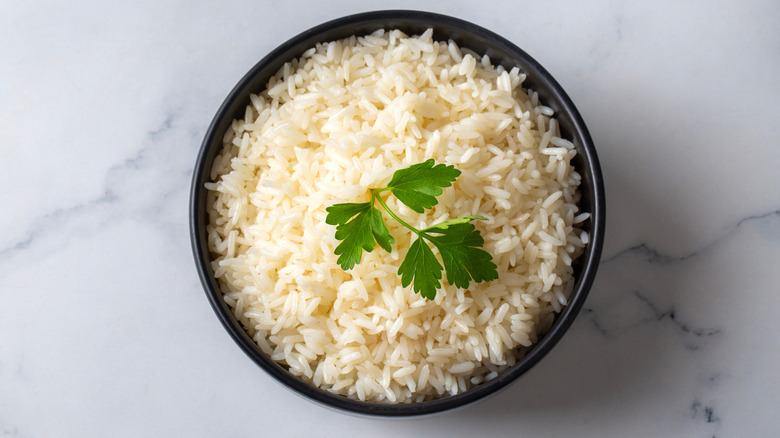
Rice is a useful ingredient to have in your pantry. It's a filling, versatile side dish or component in a wide range of recipes. "What I love about rice is it can be breakfast, lunch, dinner, or even dessert," says Susan Feniger, who particularly recommends stocking your pantry with basmati rice.
What makes Feniger recommend it, is its affordability and versatility. She mentions cooking it on its own (it's a perfect side for curries and other Indian dishes), as part of a vegetable sauté, or as part of an Egyptian dish called koshary, which combines brown lentils, basmati rice, and macaroni noodles. "It's sort of the perfect ingredient," Feniger remarks.
White basmati is the most common variety, but you can also buy brown basmati, if you want your rice to contain more fiber and other nutrients. The brown type takes longer to cook and has a slightly firmer texture and nuttier flavor than white rice.